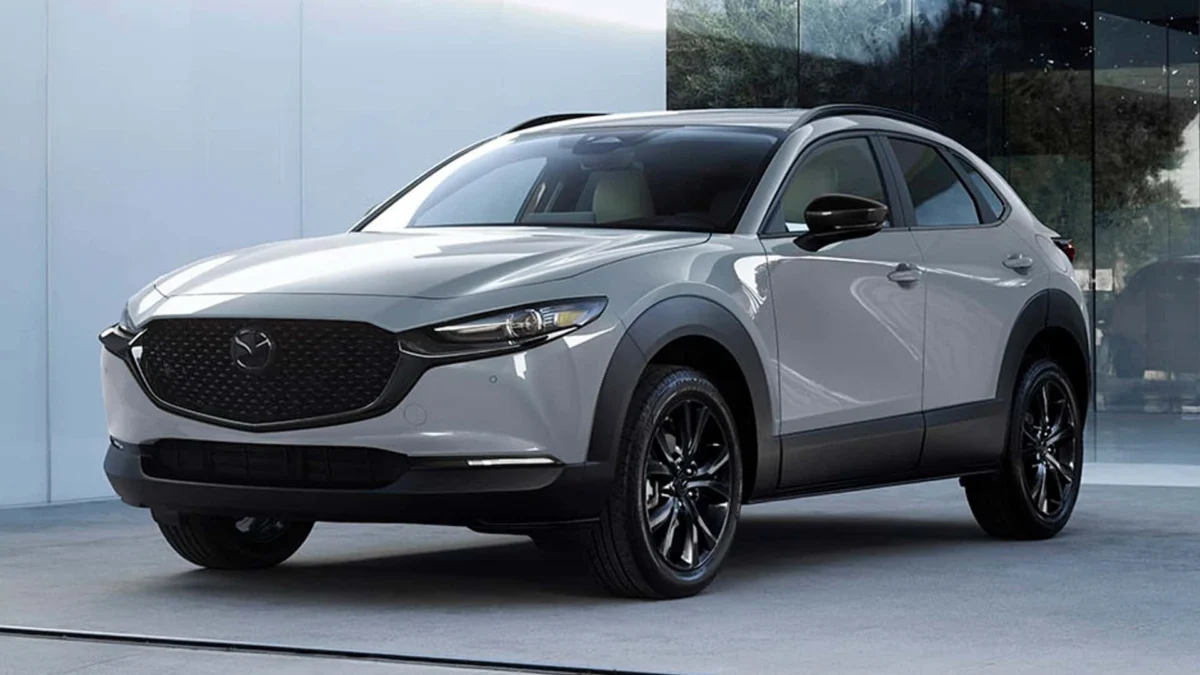
In a move that challenges the standard automotive industry rhythm, Mazda has officially signaled that its popular CX-30 crossover will remain in its current iteration for several more years. While the typical product lifecycle for a modern passenger vehicle usually spans five to seven years before a full "clean-sheet" redesign, the CX-30—which first arrived on the scene in 2019—is now set to remain on the market until at least fiscal year 2030, with a replacement expected by March 2031. This decision effectively extends the model’s life to a staggering 12 years, a strategy that highlights both the cautious nature of the Hiroshima-based automaker and the intense financial pressures currently shaping the global automotive landscape.
The Strategic Shift: A Decade-Long Lifecycle
The confirmation of this timeline came directly from Mazda CEO Masahiro Moro, who spoke with the Japanese publication Chugoku Shimbun regarding the company’s long-term product roadmap. For loyalists and industry analysts, the news was unexpected, as the CX-30 has become a cornerstone of Mazda’s modern global portfolio.
By opting for a 12-year lifecycle, Mazda is diverging from the aggressive, fast-paced update cycles maintained by its primary Japanese rivals, such as Toyota and Honda. However, this is not an act of negligence; it is a calculated risk. Mazda is prioritizing structural cost reduction and fiscal stability over the vanity of frequent aesthetic and mechanical overhauls. In an era where vehicle electrification, software-defined architectures, and supply chain volatility dominate board meetings, Mazda is choosing to "sweat the asset"—leveraging a proven, profitable platform to navigate a period of significant economic uncertainty.
Chronology of a Success Story
Since its launch, the CX-30 has been a runaway success, filling the crucial gap between the subcompact CX-3 and the family-oriented CX-5. Its blend of premium interior appointments, "Kodo" design language, and engaging driving dynamics helped it capture a massive segment of the crossover market.
- 2019: The CX-30 makes its global debut, introducing a refined platform that bridged the gap between a hatchback and a traditional SUV.
- 2020-2024: The model gains steady traction, climbing to become the brand’s second best-selling vehicle worldwide. Its popularity remains consistent, proving that the original design has aged exceptionally well.
- 2025: Mazda reports 208,869 units sold globally, trailing only the CX-5. This volume cements the CX-30’s status as a critical financial pillar for the brand.
- 2026-2030: The "Hold Pattern" phase. Mazda commits to incremental updates (tech, safety, and pricing adjustments) rather than a ground-up platform change.
- 2031: The anticipated arrival of the next-generation CX-30, marking the end of a 12-year cycle.
Global Headwinds and Economic Realities
The reasoning behind this extended timeline is rooted in a "perfect storm" of global economic challenges. CEO Masahiro Moro has been candid about the hurdles the company faces, citing three primary catalysts for the delay: economic instability in key international markets, the fluctuating cost of raw materials, and, perhaps most critically, the rising specter of protectionist trade policies.
The Tariff Factor
The automotive industry is hyper-sensitive to trade tariffs, and Mazda is currently navigating a particularly difficult climate. In the United States—one of Mazda’s most vital markets—tariffs on vehicles imported from Japan have risen from a standard 2.5% to a significantly more burdensome 15%. Because Mazda lacks the expansive manufacturing footprint within the U.S. that companies like Toyota or Nissan possess, it is disproportionately affected by these costs.
For every vehicle shipped from Japan, Mazda must absorb or pass on these tariff costs, which directly impacts the profitability of a new-model launch. Investing in an all-new vehicle—which requires massive capital expenditure for new tooling, R&D, and supply chain logistics—is a high-risk endeavor when those costs are compounded by unfavorable tariff structures.
Structural Cost Reductions
Mazda is currently in the midst of an aggressive efficiency drive, targeting a reduction in structural costs totaling ¥200 billion (approximately $1.3 billion) between fiscal years 2025 and 2027. By delaying the CX-30 redesign, the company avoids a massive capital outflow, allowing it to focus its resources on optimizing existing platforms. The goal is to maximize the ROI of the current architecture while simultaneously developing the next generation of electrified powertrains and software systems that will eventually underpin the 2031 model.
The "Continuous Improvement" Strategy
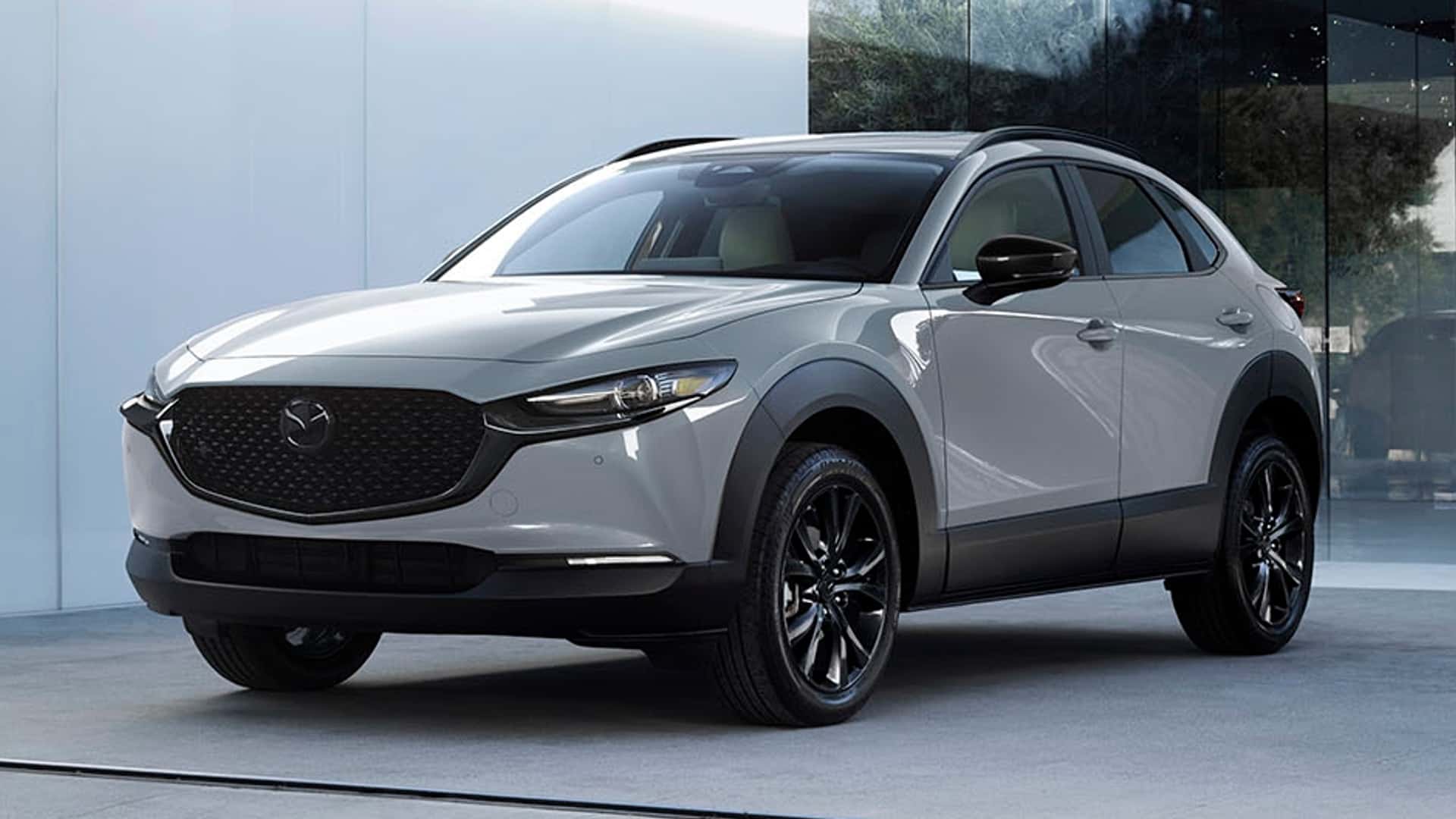
While a full redesign is off the table, the CX-30 will not remain static. Mazda’s approach mirrors the Japanese philosophy of Kaizen, or continuous improvement. Instead of radical shifts, the company is implementing iterative updates to keep the vehicle competitive.
We have already seen this in action with the rollout of updated pricing and trim structures for the 2026 model year in the United States. Furthermore, Mazda intends to adopt "engineering shortcuts" developed elsewhere in its lineup. For instance, the company successfully reduced the body steel weight of the new CX-5 by 10% while simultaneously increasing its physical footprint by 4.5 inches. By applying these types of weight-saving and manufacturing-efficiency techniques to the current CX-30 platform, Mazda can keep the vehicle feeling "fresh" and efficient without the cost of an entirely new vehicle architecture.
Implications for the Consumer
What does this mean for the person walking into a Mazda dealership today?
- Stability in Depreciation: An older, proven platform often benefits from higher reliability scores, as the initial "teething issues" associated with new designs have been long since resolved.
- Incremental Tech Updates: Consumers should expect to see periodic refreshes in infotainment, driver-assistance features (ADAS), and interior materials. The car may not change its chassis, but it will likely keep up with industry standards for connectivity and safety.
- Pricing Pressure: Given the tariff situation, consumers might see steady price increases as Mazda attempts to maintain margins. However, because the company is avoiding the R&D costs of a new model, it may be able to hold pricing more stable than it could with a brand-new, more expensive-to-build model.
The Road to 2031: A Calculated Gamble
Mazda’s decision is a masterclass in corporate pragmatism. In an era where automakers are often pressured to launch new models every four years to satisfy investor appetites, Mazda is betting that a well-sorted, reliable, and premium-feeling product is more valuable than the latest trend.
By extending the CX-30, the company is shielding itself from the volatility of the global economy and ensuring that it has the financial "war chest" to invest in the next generation of technology when the market is more stable. While the automotive press often equates "new" with "better," Mazda is gambling that for the average consumer, "proven" is a more compelling value proposition.
As we look toward 2031, the success of this strategy will be determined by whether the CX-30 can maintain its sales volume against newer competitors. If current trends are any indication, Mazda’s loyal customer base—which values the brand’s focus on driving dynamics and interior craftsmanship—is likely to stick with the formula, proving that a long product life, when executed with quality, can be just as effective as a constant stream of new, unproven models.
For now, the message from Hiroshima is clear: the CX-30 is a winner, and Mazda has no intention of changing a winning hand until the odds are decidedly in their favor.