The global automotive hierarchy is undergoing a tectonic shift. As the industry pivots toward electrification, China has successfully positioned itself as the epicenter of the electric vehicle (EV) revolution. With domestic giants like BYD, NIO, and a host of emerging boutique performance brands flooding the market, the narrative in boardrooms across Europe and North America has shifted from skepticism to concern. Yet, in the hallowed halls of Sant’Agata Bolognese, the headquarters of Automobili Lamborghini, the mood is remarkably calm.
Stephan Winkelmann, the CEO of Lamborghini, has made it clear: the Italian automaker views the current wave of high-performance electric supercars emerging from China not as a competitive threat, but as a different species entirely. While the world watches China’s rapid technological ascent, Lamborghini remains anchored in its heritage, focusing on a hybrid future that prioritizes visceral emotion over battery-centric efficiency.
The Philosophical Divide: Emotion vs. Efficiency
The crux of Lamborghini’s indifference toward Chinese competition lies in a fundamental disagreement over what constitutes a "supercar." For Chinese manufacturers, the electric platform is a vehicle for demonstrating technological supremacy—blistering 0-60 mph times, massive torque, and software-integrated cockpit experiences. For Lamborghini, however, the vehicle is defined by the symphonic roar of a combustion engine, the tactile engagement of a mechanical powertrain, and a sense of drama that electric motors struggle to replicate.
In a recent interview with Auto Express, Winkelmann articulated this divide with surgical precision. When asked if the latest wave of high-performance EVs from China poses a threat to the Raging Bull, his answer was a definitive "no."
"Because they are doing electric cars, and if we say we are not doing electric cars for a reason, then there is also an idea behind how we look at our Chinese competitors or Chinese manufacturers," Winkelmann explained. The "reason" he refers to is the brand’s commitment to its customer base. Lamborghini’s data suggests that its clientele—the ultra-high-net-worth individuals who demand a specific sensory experience—are not yet looking for the sterile, albeit rapid, acceleration of a battery-electric vehicle.
Chronology of a Strategy Shift: From EV Ambition to Hybrid Mastery
Lamborghini’s current stance did not happen overnight. It is the result of a long, deliberate calibration of market sentiment and technological feasibility.
- 2021-2022 (The "Direzione Cor Tauri" Roadmap): Lamborghini initially announced an ambitious decarbonization plan, outlining a clear path toward the electrification of its lineup. The plan included the introduction of the Revuelto, the brand’s first plug-in hybrid V12, and the promise of an all-electric grand tourer.
- 2023 (The Reality Check): As the global EV market began to show signs of cooling—characterized by plateauing demand and inventory gluts—Lamborghini’s leadership began to re-evaluate the timing of its all-electric debut.
- Early 2024 (The Pivot): In a pivotal moment for the brand, Winkelmann officially announced that the planned all-electric model was being shelved. The decision was framed as a necessity for fiscal health, with the CEO noting that prioritizing an EV during a time of low market interest would be "financially irresponsible towards shareholders."
- Late 2024 (The Hybrid Commitment): Today, Lamborghini’s strategy is entirely centered on hybrid internal combustion engines (ICE). The transition allows the brand to maintain its performance DNA while meeting increasingly stringent emissions regulations, effectively bypassing the need for a pure EV.
Supporting Data: Why the Market Isn’t Ready for the "Silent" Supercar
To understand why Lamborghini feels secure in its decision, one must look at the demographics of the supercar buyer. Unlike the mainstream EV market, which is driven by daily-use efficiency and lower total cost of ownership, the supercar segment is driven by passion, brand prestige, and the "theatre" of the drive.
Current market data indicates that while EV adoption is growing in the mid-range luxury sedan and SUV sectors, the "exotic" segment remains stubbornly loyal to the internal combustion engine. Lamborghini’s own internal surveys revealed that interest in a pure-electric model among its core buyers was "close to zero."
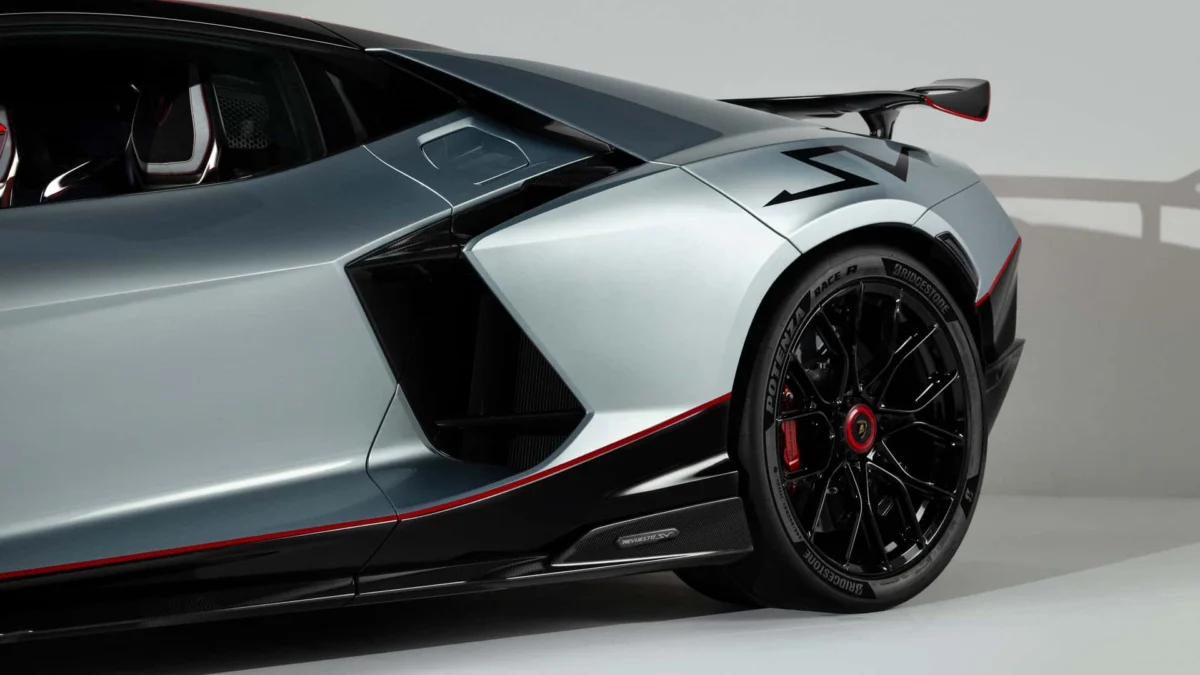
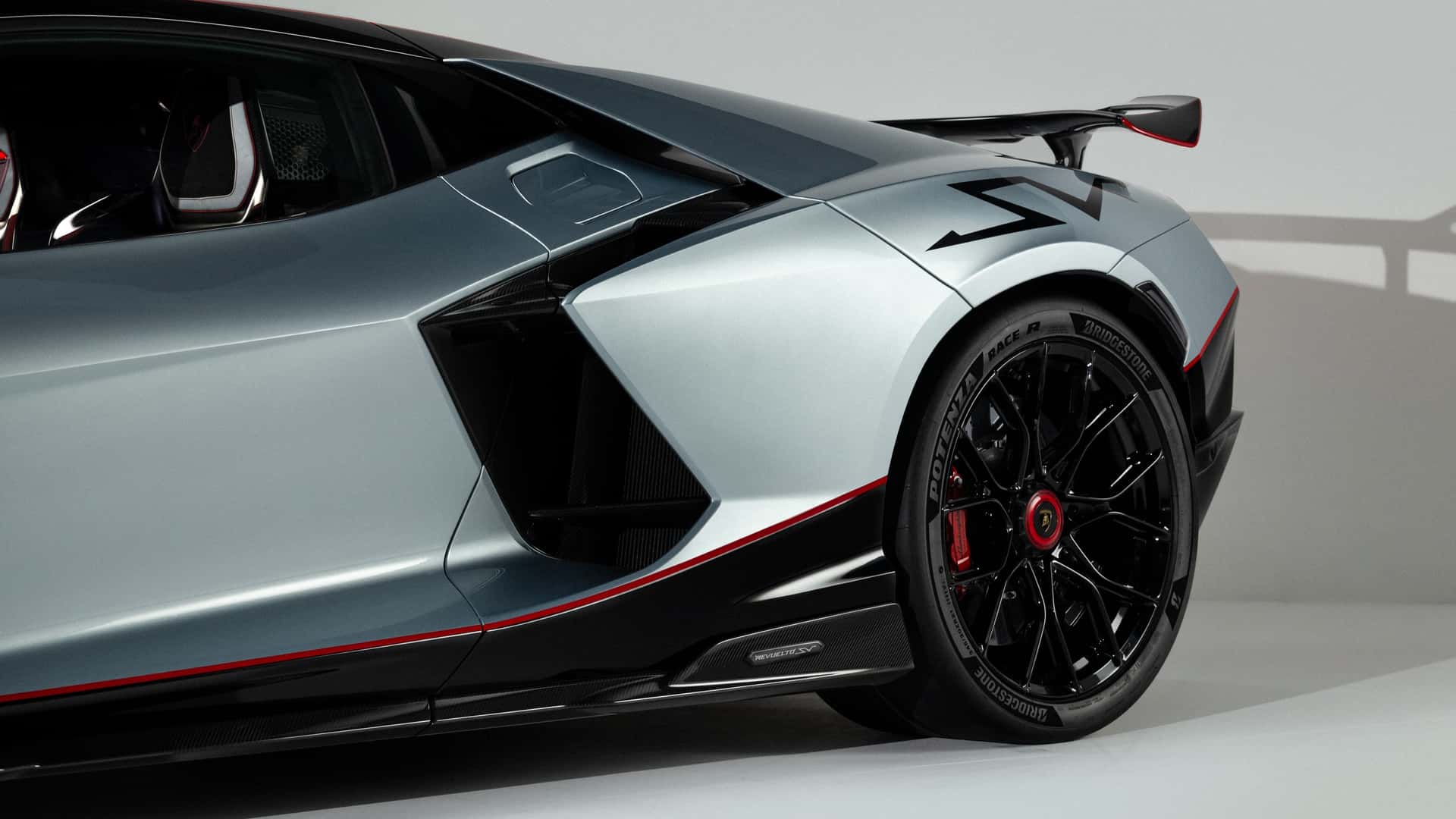
Furthermore, the rise of the "Temerario" and the "Revuelto" demonstrates that when performance is paired with hybrid assistance, the market responds with record-breaking order books. By opting for hybrid powertrains, Lamborghini retains the high-revving V8 and V12 engines that have defined the brand for decades, ensuring that the "sound, performance, and emotion" remain intact. Chinese manufacturers, while technically adept at creating high-output EVs, have yet to solve the "soul" problem—the intangible quality that makes a driver feel connected to the machine.
Official Responses and Executive Insight
Stephan Winkelmann’s leadership has been characterized by a blend of pragmatism and reverence for the brand’s history. He is acutely aware that the automotive landscape is volatile. While he is dismissive of current Chinese electric offerings as direct rivals, he is far from naive regarding the future.
"I always say, never say never," Winkelmann stated, acknowledging that the Chinese automotive industry is one of the most agile and fast-evolving sectors in the world. He recognizes that while today’s Chinese supercars may lack the specific pedigree and emotional weight of a Lamborghini, the country’s rapid innovation cycles could eventually bridge the gap. However, for now, the CEO is content to let the Raging Bull occupy a unique space that the Chinese giants have yet to successfully colonize.
The message to shareholders and enthusiasts is clear: Lamborghini is not avoiding change; it is avoiding the wrong change. By doubling down on hybrid technology, the company is insulating itself from the current market volatility that has claimed the growth projections of many mainstream EV players.
Implications for the Future: A Two-Tiered Supercar Market
The divergence between Lamborghini’s hybrid strategy and the Chinese push for pure electrification suggests a future where the supercar market is bifurcated into two distinct categories.
- The Digital/Electric Performance Segment: Led by Chinese manufacturers and some western tech-focused firms, this segment will likely focus on extreme acceleration, autonomous driving capabilities, and AI-driven infotainment. These vehicles will appeal to a younger, tech-forward demographic that prioritizes performance numbers over heritage.
- The Heritage/Emotional Segment: This is the domain of Lamborghini, Ferrari, and similar legacy brands. Here, the priority remains the mechanical experience, the history of the brand, and the visceral engagement of the driver.
For Lamborghini, the implication is that they can afford to wait. Because they have cultivated such a strong brand identity, they are not under the same pressure to chase the "electric-first" trend that has forced other manufacturers to pivot prematurely. The risk of being left behind is mitigated by the fact that their customers are specifically paying for the exclusion of standard EV technology.
Conclusion: Staying the Course
Lamborghini’s refusal to panic in the face of China’s EV dominance is a masterclass in brand management. By staying true to its core identity—a blend of Italian craftsmanship, V12 heritage, and raw, unfiltered power—Lamborghini is successfully navigating a period of massive industry disruption.
While the world watches the rapid rise of new Chinese supercar entrants, the Raging Bull remains unbothered. Stephan Winkelmann has correctly identified that in the ultra-luxury market, innovation is only valuable if it enhances the driving experience, not if it simply ticks a regulatory box. As long as the sound of a high-revving engine continues to stir the soul of the enthusiast, Lamborghini will remain firmly in the driver’s seat of its own destiny.
The battle for the future of the supercar is not just about volts and watts; it is about passion. And for now, that is a language that Lamborghini speaks better than anyone else.