The landscape of travel photography and videography has been fundamentally altered by the advent of drone technology. For the modern traveler, the ability to capture sweeping, cinematic aerial shots is no longer a luxury reserved for high-budget film crews; it is a standard expectation. However, the industry has long been tethered to the limitations of traditional gimbal-stabilized cameras. Enter the Antigravity A1, a device that promises to render the conventional gimbal obsolete and fundamentally shift the paradigm of how we document our world from above.
Main Facts: Redefining the "Fly Now, Frame Later" Experience
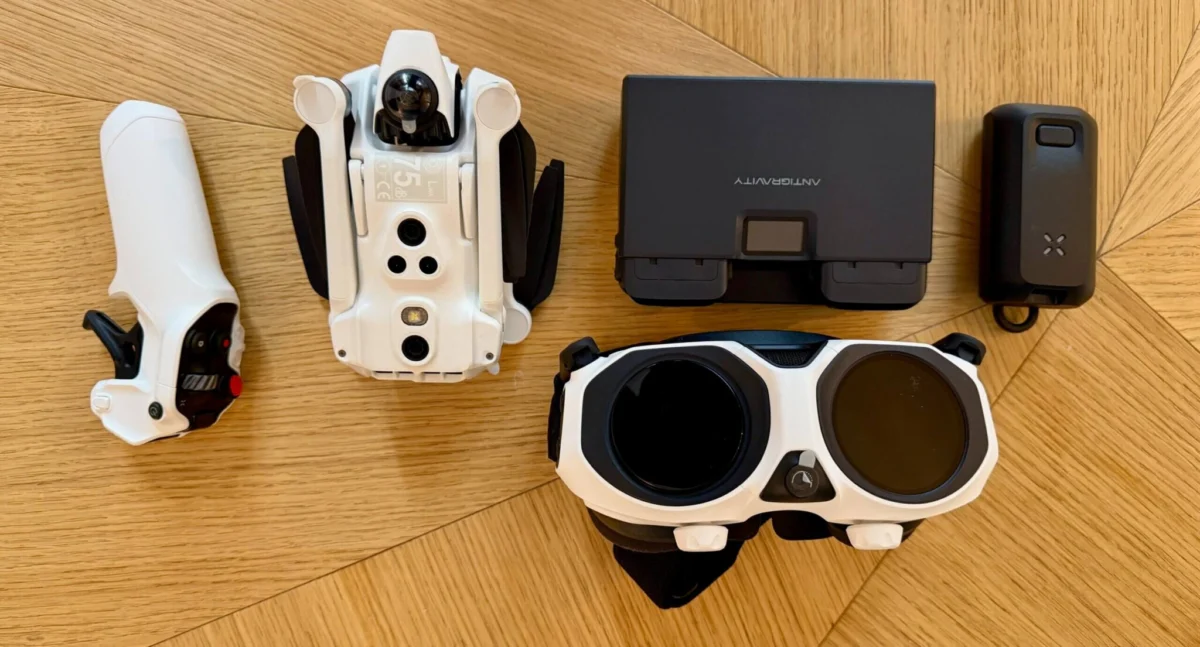
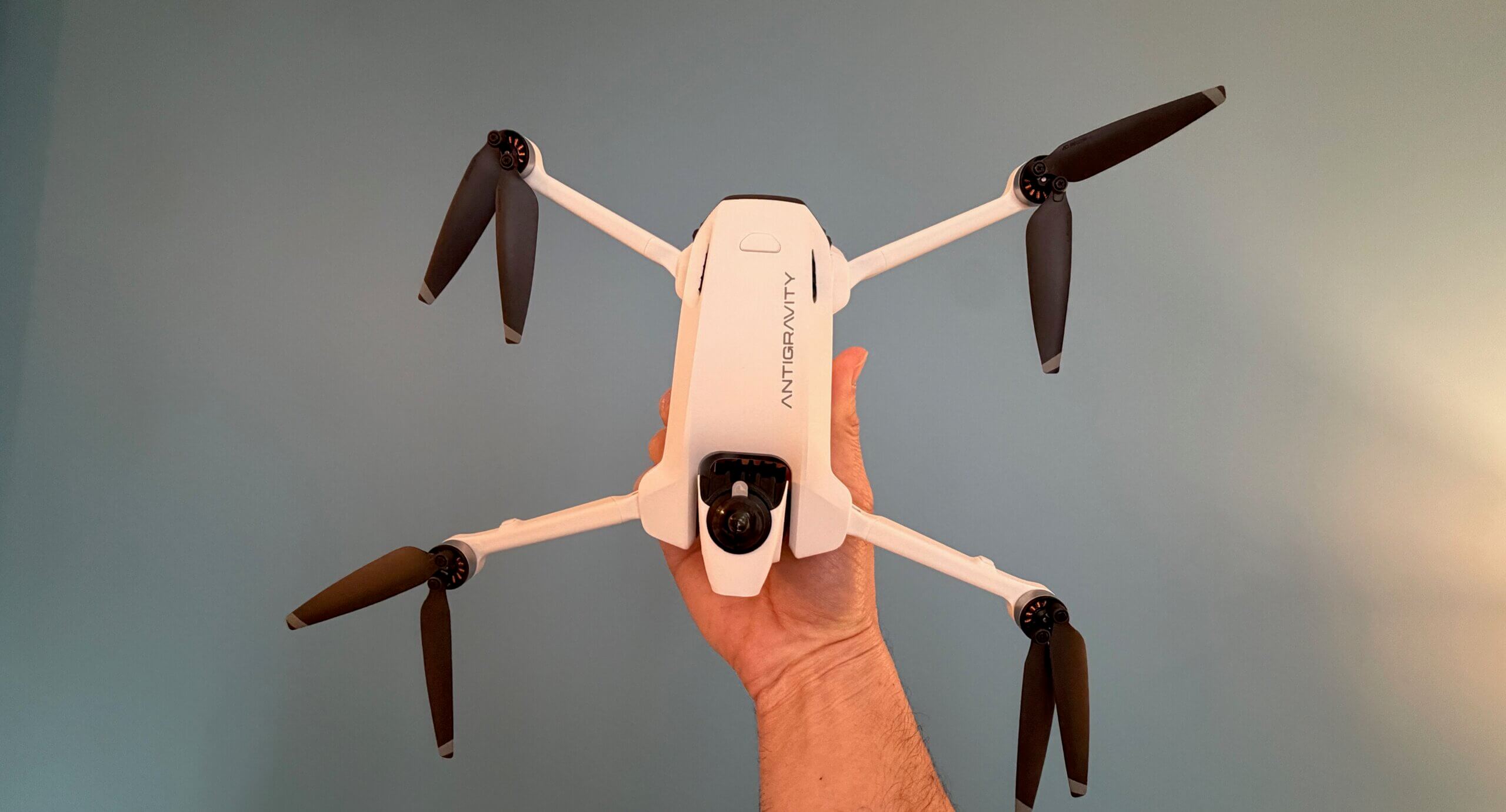
Released in late 2025, the Antigravity A1 is not merely a drone; it is a sophisticated 360-degree aerial capture system. Unlike standard drones that rely on a single, forward-facing lens requiring precise piloting to "get the shot," the A1 utilizes a dual-lens 360-degree array. By positioning two ultra-wide-angle lenses on the top and bottom of the central fuselage—each capturing a 200-degree field of view—the drone creates a seamless, spherical recording of everything in its vicinity.
This technical architecture enables a "fly now, frame later" workflow. Pilots are no longer tasked with the stressful, split-second decision-making required to pan, tilt, or yaw a camera during flight. Instead, they capture the entire environment, allowing for editorial choices to be made in post-production. This turns the act of piloting into a form of digital directing, where the user traverses a space and later "frames" the action within a virtual, pre-recorded environment.
Chronology of Development and Market Impact
The development of the A1 followed a strategic trajectory aimed at solving the two biggest hurdles for drone enthusiasts: complexity of operation and regulatory barriers.
- Early 2024: Antigravity began prototype testing, focusing on the integration of 360-degree optics into a lightweight, aerodynamic frame.
- Mid-2025: The company finalized the "FlowState" stabilization algorithms, which proved critical for smoothing out footage captured by a drone in high-wind conditions.
- Late 2025: Official launch of the A1. The drone made an immediate impact by positioning itself precisely at the 249-gram threshold, a move clearly intended to bypass strict commercial registration requirements in most major jurisdictions.
- Early 2026: Widespread adoption among travel influencers and solo creators, validating the "cinewhoop" style of flight as a viable alternative to traditional professional photography drones.
Technical Specifications and Supporting Data
The A1 is a marvel of miniaturization. By utilizing high-grade carbon-fiber-reinforced polymers, the engineers achieved a strength-to-weight ratio that exceeds the standard ABS plastics found in competitor models. When folded, the unit is roughly the size of a large smartphone, making it an ideal companion for the nomadic traveler.
Optical Performance
The heart of the system lies in its 1/1.28-inch CMOS sensors. While professional-grade cinema drones often utilize 1-inch sensors, the A1’s sensors are significantly larger than those found in standard 360-degree action cameras. This allows for superior low-light sensitivity and an expanded dynamic range, ensuring that detail in both highlights and deep shadows is preserved even under the harsh, high-contrast conditions of midday sun.
Flight Dynamics and Battery Efficiency
The A1 functions as a "cinewhoop"—a class of drone known for stability and predictability rather than raw, aggressive speed. It maintains a top speed of 36 mph, sufficient for following cyclists or moving vehicles. The "Turtle Mode" feature provides a necessary safety net; should the drone crash and flip, the propellers are programmed to rotate in reverse, allowing the unit to right itself and resume flight without manual intervention.
Battery life remains the primary constraint of the drone industry. The A1’s standard Intelligent Flight Battery offers a theoretical 24-minute flight time, though real-world usage in variable winds typically nets 19 to 20 minutes. However, because the A1 captures a 360-degree sphere, one 20-minute flight replaces the need for multiple passes required by fixed-camera drones, effectively increasing the "work-per-minute" efficiency by a factor of three.
Official Perspectives: The Intuitive Flight Revolution
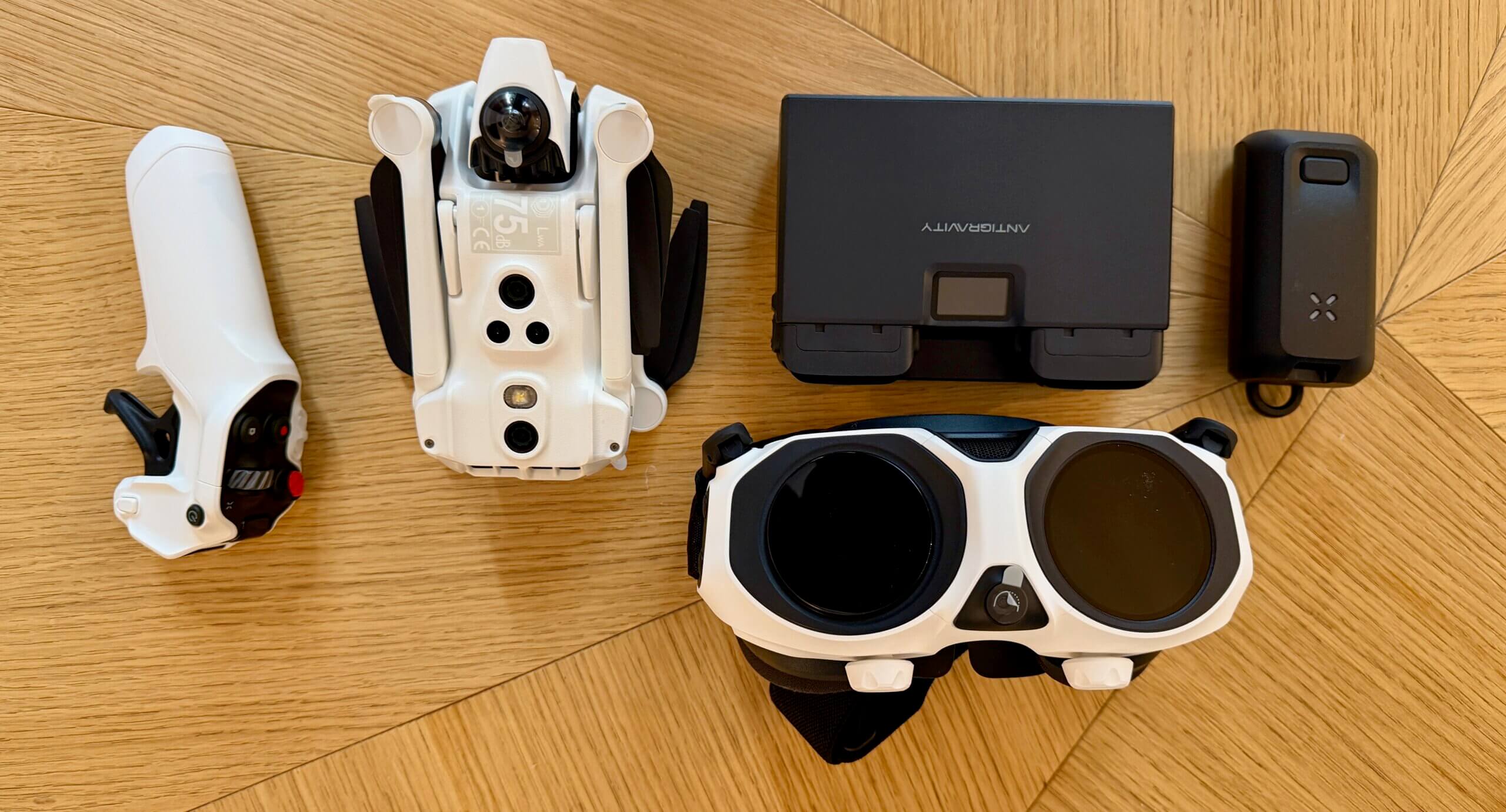
The flight experience of the A1 is divided between two primary modes: the Vision Goggles and the single-handed motion controller.
According to lead engineers at Antigravity, the design philosophy centered on "spatial immersion." The Vision Goggles feature dual 4K micro-OLED displays with a 120Hz refresh rate. Because the recording is spherical, the pilot’s head movements are tracked in real-time. Looking left pans the view to the left, and looking down reveals the terrain below, creating a sense of presence that fixed-camera systems cannot replicate.
The motion controller is perhaps the most significant departure from tradition. By pointing the controller where the pilot intends to go and pulling a trigger to accelerate, the barrier to entry for novice pilots is drastically lowered. Antigravity representatives noted, "We wanted to remove the ‘gamer-controller’ anxiety that discourages so many people from drone photography. By making the controls intuitive—tilting the wrist to bank, raising the nose to climb—we allow the creator to focus on the art rather than the flight mechanics."
Implications for the Creative Industry
The implications of the Antigravity A1 for content creators are profound.
The Death of the Gimbal
By digitally removing the drone from the final footage, the A1 creates the illusion of a camera floating independently in space. This aesthetic has historically been reserved for high-budget productions using complex cable-cam rigs. Its accessibility in a sub-250g consumer device democratizes high-end cinematography.
AI-Driven Post-Production
The "Antigravity Studio" app acts as the final piece of the puzzle. With data transfer speeds of up to 80MB/s, users can offload footage to their phones and use the device’s internal gyroscope to "re-film" the scene. The "Auto-Frame" AI tool is a game-changer for solo creators; it autonomously tracks subjects, ensuring they remain centered, effectively acting as a virtual camera crew.
Regulatory and Ethical Considerations
By intentionally hitting the 249-gram mark, Antigravity has navigated the complex web of global drone laws. This weight class exempts the user from many of the registration and flight-plan filing requirements that plague heavier, professional-grade aircraft. However, this convenience comes with a caveat: the delicate nature of the dual-lens system requires careful handling. These lenses are exposed and susceptible to damage, necessitating a degree of caution that professional-grade, protected-gimbal drones do not always require.
Conclusion: A New Standard for Storytelling
The Antigravity A1 sits at the intersection of technological convenience and creative liberation. While it may not replace the high-resolution, fixed-lens cinema drone for feature-film production, it is undeniably the most significant tool for the modern, solo content creator.
By removing the friction of manual framing and the logistical burden of heavy equipment, the A1 allows pilots to focus on the narrative—the story they are trying to tell. It bridges the gap between traditional cinematography and immersive VR, offering a fresh perspective on the world that is limited only by the user’s imagination. For those tired of the static, repetitive nature of standard aerial shots, the Antigravity A1 is not just an upgrade; it is an essential evolution of the filmmaker’s toolkit.
As we look toward the future of travel media, it is clear that the "Antigravity" approach—where the hardware disappears and the vision takes center stage—is the path forward. Whether you are traversing rugged mountain ranges or capturing the bustling energy of an urban center, this drone offers a level of creative freedom that is, quite literally, unprecedented.