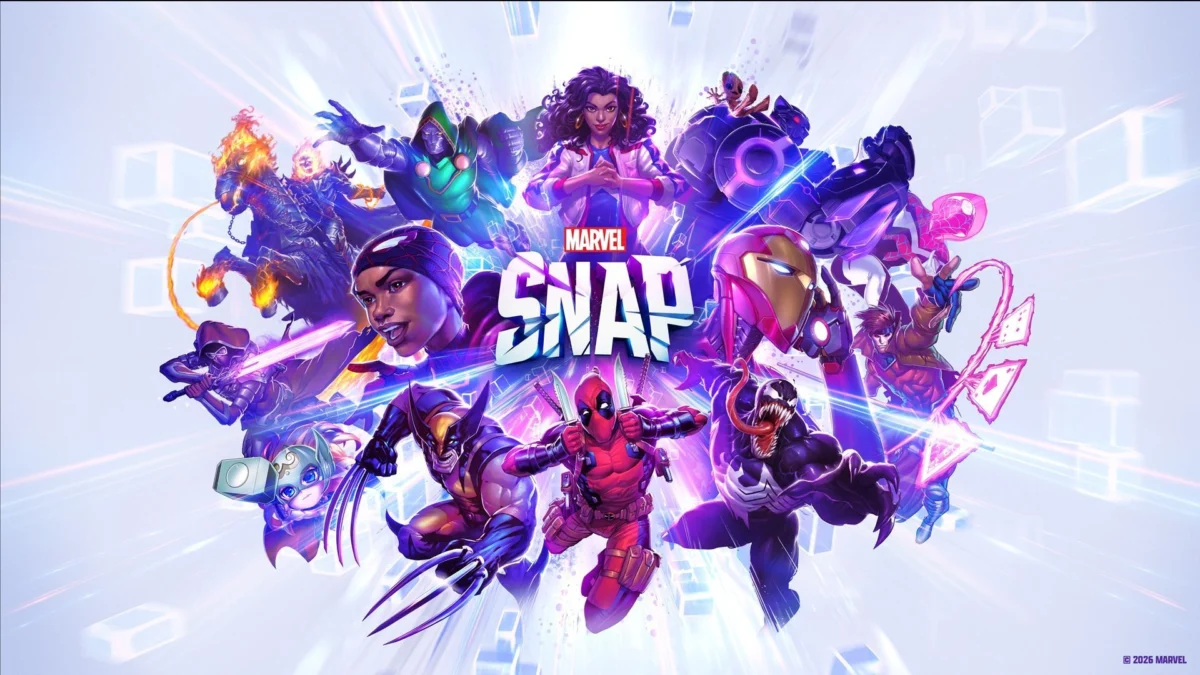
After years of fervent requests from the community, Second Dinner is finally opening the vault on one of the most anticipated features in the history of Marvel Snap. On August 24, 2026, the critically acclaimed digital collectible card game will officially launch its "Draft Mode," a limited-time game mode that promises to overhaul the traditional deck-building experience that has defined the title since its 2022 launch.
For a game that prides itself on tight, six-turn skirmishes and small, 12-card decks, the introduction of a draft mechanic represents a massive paradigm shift. As players prepare to jump into the new format, it is worth examining how this mode functions, why it took so long to develop, and what this signals for the future of one of mobile gaming’s most resilient titles.
The Mechanics: A New Way to Play
Unlike the standard ranked ladder, where players rely on meticulously constructed decks designed to maximize synergy, Draft mode introduces an element of controlled chaos. According to early previews, the experience begins with a "starter set" selection. Players are offered three cards that anchor their strategy around established archetypes such as "Destroy," "Ramp," "Move," or "Ongoing."
Once the archetype is established, the drafting process truly begins. Players select seven additional cards to flesh out their roster. To keep the experience fresh and distinct from the standard meta, these cards may feature modified cost or power stats. Furthermore, the introduction of "augments"—special modifiers that grant additional abilities—adds a layer of depth that encourages players to think on their feet rather than relying on memorized combo lines.
To secure a victory, players must navigate five rounds of competition, expanding their deck with two additional cards and further augments as they progress. This structure forces players to evaluate the value of their card picks in real-time, prioritizing adaptability over the rigid consistency that dominates high-level ladder play.
A Chronology of Development
The road to Draft mode has been a long one, marked by both player frustration and developer transparency. Since Marvel Snap’s debut, the community has viewed a draft format as the "holy grail" of updates. However, the game’s unique architecture posed significant hurdles for the development team at Second Dinner.
- 2022–2023: Marvel Snap launches to widespread critical acclaim. The core gameplay loop—centered on the "Snap" mechanic and 12-card decks—becomes the gold standard for mobile CCGs. During this time, the community begins asking for alternative modes.
- 2024: As the card pool expands, players find the meta becoming increasingly predictable. The clamor for a draft mode grows louder, but developers express concern regarding the game’s balance and the difficulty of maintaining the "Snap" feel in a draft environment.
- 2025: Second Dinner pivots toward more frequent content updates and live service improvements, signaling that they are finally exploring the technical feasibility of alternative formats.
- August 2026: The official announcement of the Draft mode launch, confirming the August 24 release date and a limited-time event structure.
Why It Took So Long: The Developer’s Dilemma
In an interview with GameSpot, developer Sam Stoddard provided rare, candid insight into why the team hesitated to pull the trigger on a draft mode sooner. The primary challenge, according to Stoddard, lies in the fundamental nature of the game itself.
"Snap has a much lower number of cards, you have very small decks, so even the amount of variance you get isn’t super high, as well as the synergy is very high," Stoddard explained. "There’s all these things that were really working against it, and it’s part of why it took so long to eventually get to a place where we were really happy with what we had as an offering."
The high synergy requirement means that in a standard drafting environment, players might accidentally build "broken" decks or, conversely, find themselves with a deck that has no win condition. Second Dinner had to meticulously balance the drafting pool to ensure that every choice felt meaningful without breaking the delicate equilibrium that makes Marvel Snap competitive.
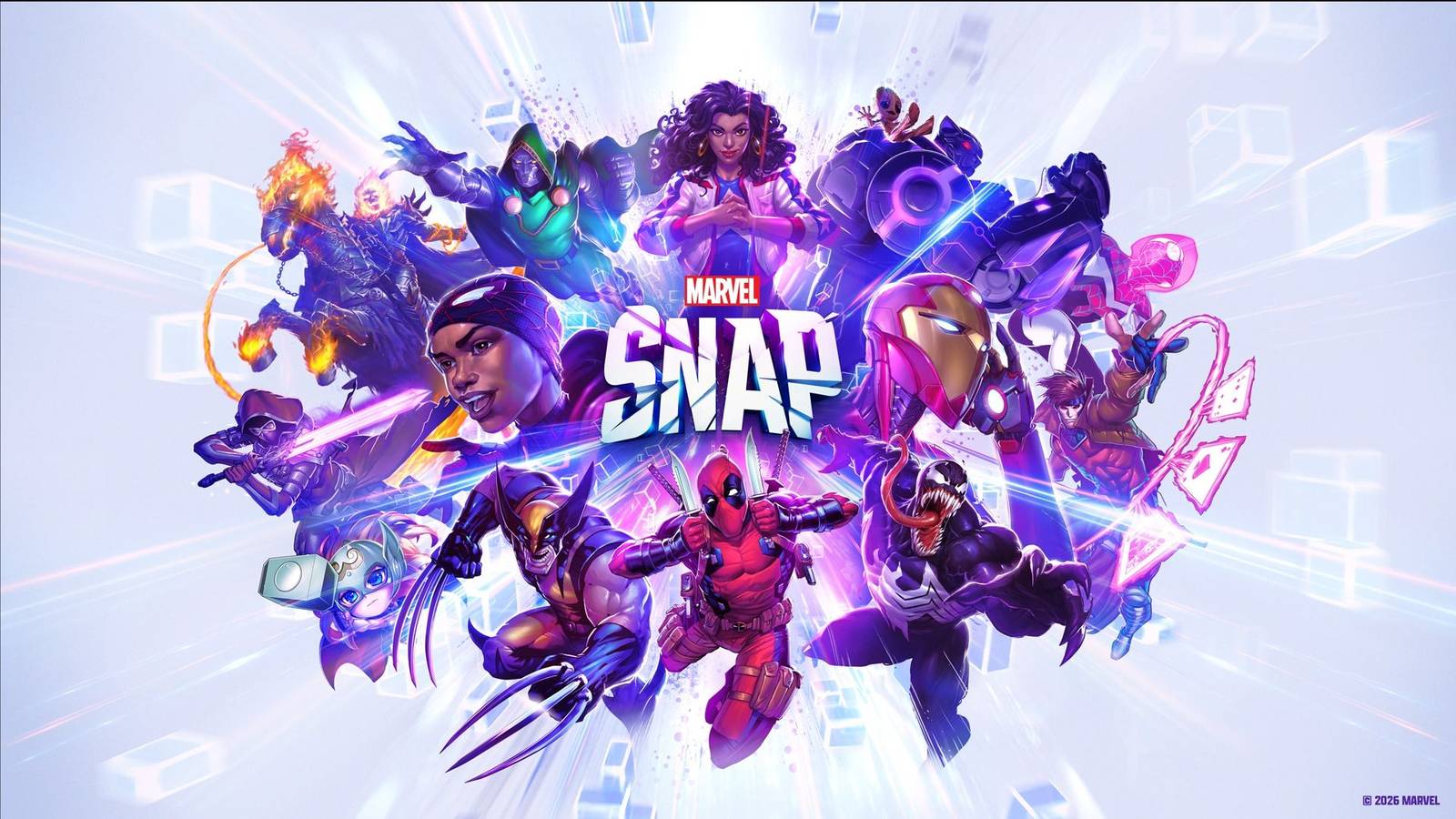
This is precisely why the feature is debuting as a "Limited Time Game Mode" (LTGM). By framing it as an event, the developers can gather massive amounts of data without permanently altering the game’s ecosystem. It is, in essence, a massive stress test involving the entire player base.
Supporting Data: The Health of the Ecosystem
Despite navigating various industry challenges—including layoffs and the evolving landscape of mobile gaming—Marvel Snap has remained a juggernaut in the CCG market. The game’s ability to release a new card every single week is a testament to its operational efficiency, but it also creates a "power creep" problem that a draft mode might solve.
By forcing players to use randomized card pools and augments, Second Dinner is effectively creating a "level playing field." This allows newer players to compete with veterans who possess full collections, as the draft mode removes the barrier of card acquisition. Data from the game’s live-service performance shows that when players are given access to restricted, balanced formats, retention rates typically spike. If this trend holds for the new Draft mode, it could provide the evidence needed to make the feature a permanent staple.
Implications for the Future of Marvel Snap
The arrival of Draft mode is more than just a new way to spend time in the app; it is a signal of maturity for Marvel Snap. As the game approaches its fourth anniversary, it must evolve to keep its veteran player base engaged.
1. Reducing Meta Fatigue
The biggest issue for any long-running CCG is "meta fatigue," where players grow tired of facing the same four or five decks on the ladder. Draft mode provides a necessary pressure valve, allowing players to escape the competitive grind and engage with the game in a more creative, spontaneous way.
2. A Testing Ground for Balance
The "augments" and modified stats being introduced in Draft could serve as a sandbox for future balance changes. If a specific card or synergy performs exceptionally well in the draft environment, it gives the design team invaluable data on how that card might be adjusted for the broader, competitive landscape.
3. The Future of Recurring Events
Stoddard noted that Second Dinner is currently evaluating how to bring the mode back after the initial event concludes. "We definitely have a lot of things that we want to try out," he mentioned. This suggests that the studio is not looking for a "one and done" release, but rather a rotating series of limited-time modes that could include different rulesets, card pools, or drafting mechanics.
Conclusion: The Path Ahead
As August 24 approaches, the mood among the Marvel Snap community is one of cautious, yet overwhelming, excitement. For years, the developers have been criticized for focusing on monetization and card releases over core gameplay variety. The introduction of Draft mode directly addresses those criticisms.
Whether or not the mode becomes a permanent feature will ultimately depend on the player response over the next few weeks. However, by embracing the "known unknowns" and choosing to experiment rather than hide, Second Dinner is proving that it is still listening to its audience. For a game that has defined mobile strategy for years, the introduction of Draft mode marks the beginning of its next, perhaps most important, chapter. Players should prepare to adjust their playstyles, abandon their "meta-slaving" tendencies, and get ready to adapt to the most unpredictable version of the Marvel Multiverse yet.