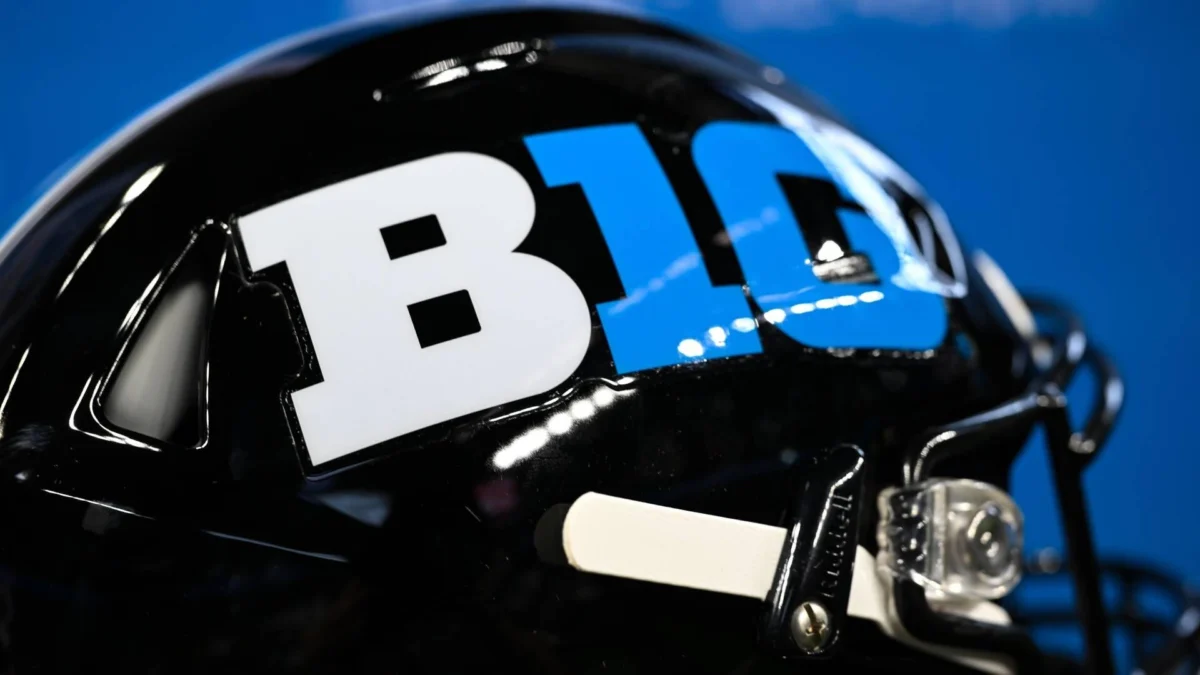
In a move that signals a seismic shift in the governance of collegiate athletics, the Power Four conferences are rapidly moving to close the door on a controversial trend: the return of professional athletes to the amateur gridiron. As of late August 2026, the Big Ten and the SEC have enacted stringent, unanimous bans on former professional players—including those from the NFL, NBA, and WNBA—seeking to reclaim their college eligibility.
This policy pivot, triggered by a flurry of legal maneuvers and opportunistic roster building, marks a decisive moment in the ongoing struggle to define the boundaries of college sports in an era where the lines between "student-athlete" and "professional" have been irrevocably blurred.
The Chronology of a Regulatory Crisis
The current crisis traces its roots back to the NCAA’s decision to modify eligibility rules for the class of 2023 and beyond, allowing for five seasons of play within a five-year window. This decision inadvertently created a "lost generation" of players from the class of 2022 who had exhausted their traditional four-year eligibility window but felt entitled to the same "COVID-era" or post-pandemic extensions granted to their successors.
- Mid-2026: A series of legal challenges and successful injunctions began allowing former players who had signed professional contracts to seek a return to the collegiate level.
- August 25, 2026: The Big Ten Conference, facing mounting pressure, unanimously approved a ban on former NFL players pursuing a fifth year of eligibility.
- August 25, 2026 (Evening): Following an emergency meeting at their Birmingham headquarters, the SEC followed suit, casting a wider net that includes athletes from the NFL, NBA, and WNBA.
- August 26, 2026: The ACC scheduled an emergency summit to discuss implementing similar measures, while the Big 12 signaled that they are currently mulling a mirror-image policy.
The Enforcement Model: A "Ghost Transfer" Approach
The severity of the new policies cannot be overstated. Sources indicate that the Big Ten’s enforcement mechanism is modeled directly after the NCAA’s "ghost transfer" rule—a draconian measure designed to deter institutional rule-breaking.
Under these new guidelines, schools that attempt to circumvent the ban face catastrophic consequences. The penalties include mandatory suspensions for head coaches covering 50% of the season’s games and a financial penalty equivalent to 20% of the school’s entire football budget. In the high-stakes environment of the Big Ten, where football budgets often exceed $50 million, these fines represent a multi-million-dollar deterrent.
SEC Commissioner Greg Sankey has been granted expansive, unilateral authority to determine individual sanctions for any SEC institution found in violation of the new mandate. This centralizes power in the Commissioner’s office, effectively stripping individual athletic directors of the ability to negotiate leniency.
The LSU Controvery: The Catalyst for Reform
While the policy discussions were brewing for months, the immediate catalyst for the swift action was the recruitment strategy employed by LSU. The Tigers had been at the center of the storm after reports emerged that the program was actively pursuing former NFL talents, specifically defensive tackle ZXavian Harris and former Cleveland Browns tight end Dae’Quan Harris.
LSU head coach Lane Kiffin, known for his unconventional approach to roster management, defended the move during an appearance on The Pat McAfee Show. Kiffin argued that his recruitment of these players was not a subversion of the spirit of the game, but rather an attempt to rectify a perceived inequity in the NCAA’s eligibility timeline.
"There are a lot of parts of this I don’t like," Kiffin stated. "I don’t think professionals should come back to college sports. But in this instance, these are not players who have gone on to play seasons professionally or randomly filed an injunction. This is part of a specific class that was ruled wrong by the NCAA."
Despite Kiffin’s defense, the unanimous nature of the SEC vote—which notably included LSU athletic director Verge Ausberry—indicates that the conference was unwilling to allow one school’s roster-building strategy to jeopardize the long-term stability and amateur perception of the league.
Implications for College Athletics
1. The Death of the "Professional-Amateur" Hybrid
The primary implication of these bans is the clear rejection of the "revolving door" model. For years, the NCAA operated on the premise that once a player signs a professional contract, they have transitioned into the labor market. The recent court injunctions threatened to turn universities into "reserve squads" for the NFL, where players could oscillate between leagues based on injury, roster cuts, or financial opportunity. By banning these players, the SEC and Big Ten are reinforcing the wall between professional labor and collegiate education.
2. A Shift Toward Self-Governance
Perhaps the most significant long-term implication is that these conferences are no longer waiting for the NCAA to act. The Big Ten and SEC are effectively signaling that they are prepared to operate as autonomous entities. By creating their own rules-and-enforcement models, these power conferences are testing a framework that could eventually replace the NCAA entirely. If these leagues can successfully govern their own eligibility, disciplinary, and judicial standards, the NCAA’s role as a regulatory body will be reduced to a purely administrative or symbolic one.
3. The Congressional Lobbying Push
The SEC’s statement on Tuesday, which urged Congress to pass the Protect College Sports Act, highlights the desperation of these institutions to find a federal shield against further litigation. The conferences are aware that their new bans are legally precarious. They are essentially betting that a federal mandate will grant them the "safe harbor" they need to ignore future injunctions from individual players.
The Future of Litigation
Legal experts warn that the battle is far from over. Players who have already signed contracts or who are currently in the process of transferring are likely to challenge these conference-wide bans in federal court.
"The lawsuits are circumventing the NCAA, but now when the league says you can’t do it, now you’re dealing with problems with your conference," a veteran power-conference head coach remarked. "The players have the courts, but the conferences now have the nuclear option of institutional expulsion."
While individual players may find sympathetic judges, the shift in power toward the conference level creates a new hurdle: the "unanimous front." Because all 18 schools in the Big Ten have agreed to these terms, any legal challenge must now contend with a united bloc rather than a fractured organization.
Conclusion: A New Era of Iron-Fisted Governance
The events of the past 48 hours represent a historic reclamation of authority by the nation’s top athletic conferences. Faced with the existential threat of turning college football into a secondary professional league, the Big Ten and SEC have opted for a "scorched earth" policy.
Whether these bans will hold up under the scrutiny of the U.S. court system remains the defining question of the 2026 season. However, for now, the message from the conference offices is clear: the era of the professional returning to the collegiate ranks is over. The doors are shut, the penalties are set, and the Power Four has officially begun its transition into a self-governing, professionalized, yet exclusionary model of collegiate sport. As the season approaches, all eyes will be on the locker rooms to see if any institution dares to test the resolve of the commissioners.