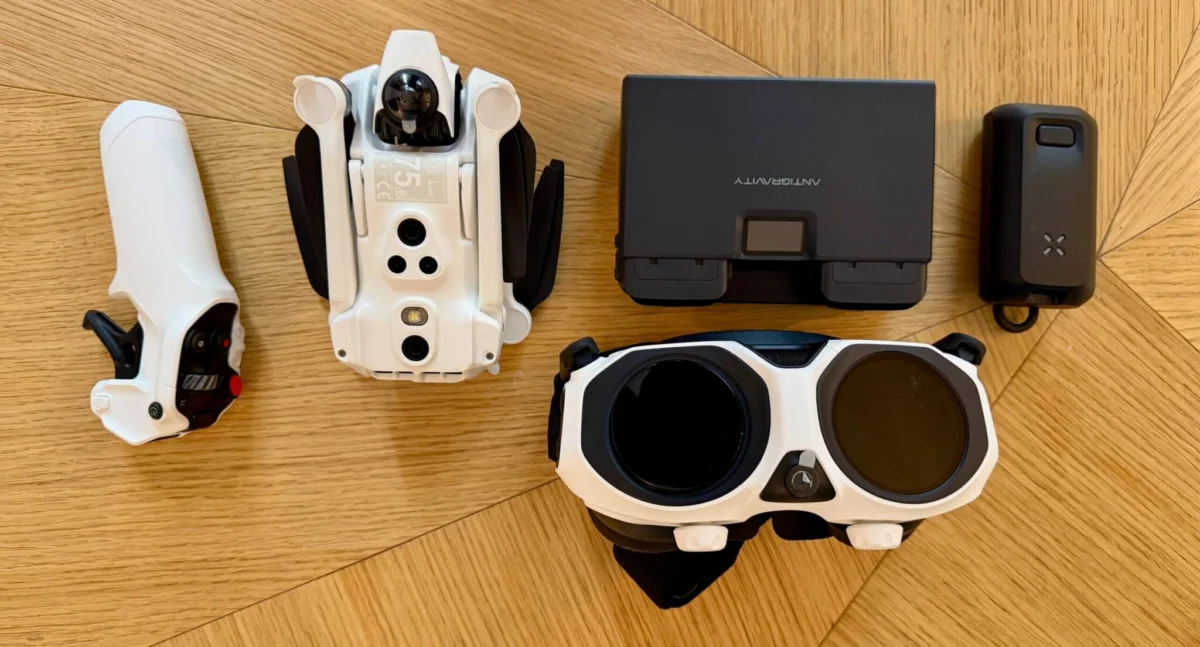
For years, the drone industry has been trapped in a cycle of iterative refinement: slightly better sensors, longer battery life, and more efficient folding mechanisms. However, the release of the Antigravity A1 in late 2025 marks a structural shift in how we capture the world from above. By effectively rendering the traditional gimbal-stabilized camera obsolete, the A1 has transformed the act of aerial photography from a technical chore of pilot precision into an exercise in creative direction.
The Core Innovation: Capturing the Impossible
The Antigravity A1 distinguishes itself through a radical departure from the "point-and-shoot" architecture that has dominated the market since the inception of the consumer drone. At its heart lies a dual-lens 360-degree capture system. Most drones rely on a single lens mounted to a mechanical gimbal, requiring the pilot to anticipate the shot, position the drone, and maintain a steady flight path simultaneously.
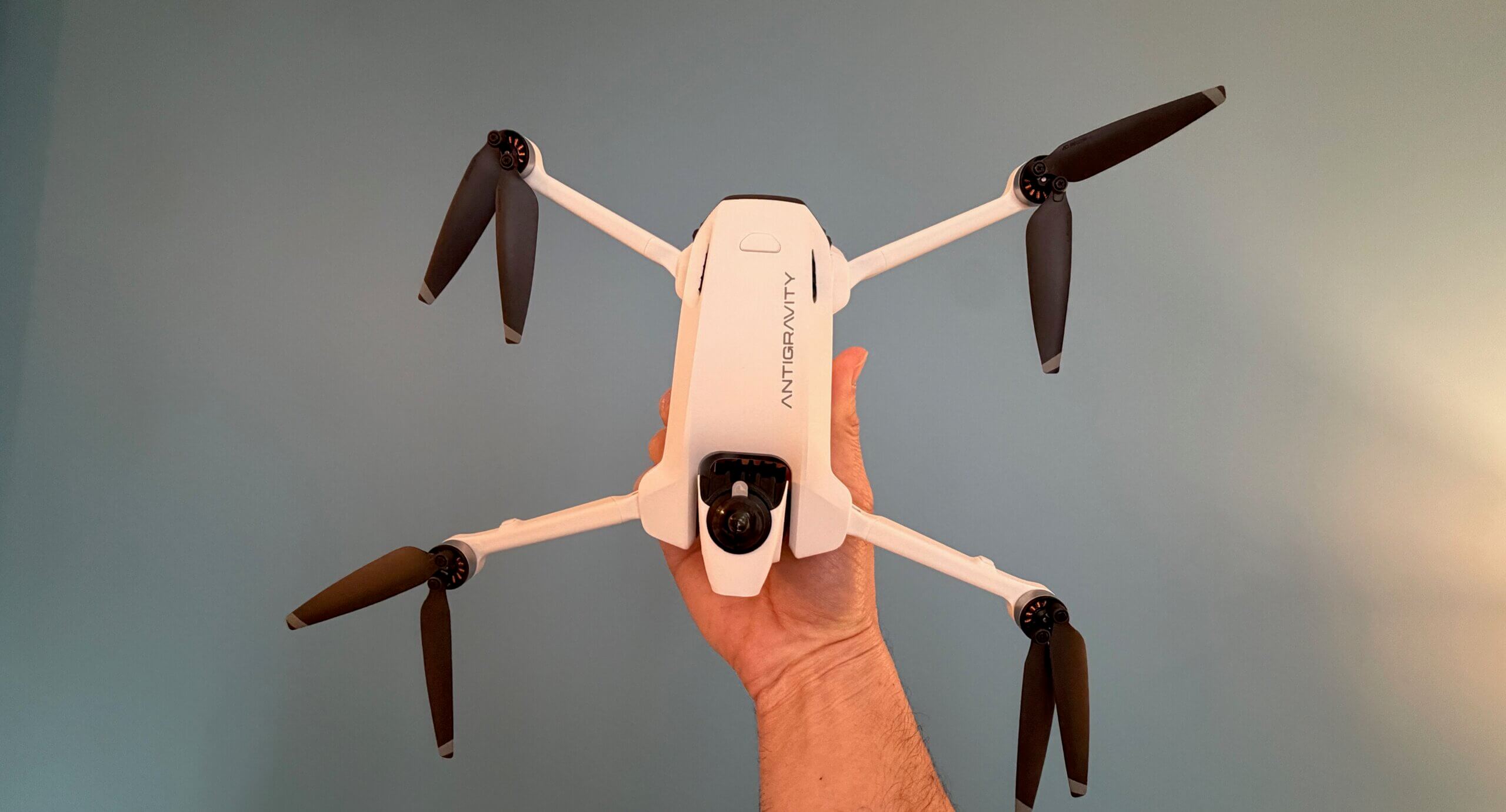
The A1 bypasses this entirely. With two ultra-wide-angle lenses—one atop the fuselage and one beneath—each capturing a 200-degree field of view, the drone creates a seamless 360-degree sphere. Because the stitching occurs in post-production, the drone itself is digitally erased from the footage. The result is the "invisible drone" effect: a perspective that mimics a camera floating unsupported through the air, providing a cinematic fluidity that was once reserved for high-budget Hollywood rigs.
Chronology: From Concept to Consumer Reality
The development of the A1 was not an overnight success but the result of a multi-year sprint to miniaturize high-fidelity 360 optics without sacrificing flight performance.
- Q2 2024: Initial prototypes emerged, testing the weight distribution of the dual-lens configuration. Early models struggled with battery efficiency due to the heavy processing required for 360-degree stitching.
- Q1 2025: Antigravity finalized the "FlowState" stabilization algorithms, which allowed the drone to handle high-velocity flight without the micro-jitters that plagued earlier 360-degree action cameras.
- Q4 2025: The commercial launch of the A1. The device arrived with a sophisticated app ecosystem, allowing for "reframing" in real-time.
- Q1 2026: Widespread adoption among travel influencers and adventure filmmakers, signaling a pivot in the industry away from traditional single-lens gimbal drones.
Technical Specifications and Data
The A1 is a marvel of engineering, balancing high-end performance with regulatory compliance. Weighing exactly 249 grams with its standard battery, the A1 avoids the stringent registration requirements and flight restrictions imposed by aviation authorities on "heavy" drones (250g and above).
Sensor Performance
The drone utilizes dual 1/1.28-inch CMOS sensors. While professional-grade cinema drones often utilize 1-inch sensors, the A1’s sensors are vastly superior to those found in typical 360-degree action cameras. This gives the device an edge in low-light environments and high-contrast scenarios, such as filming against the midday sun, where detail in both highlights and shadows is often lost.
Battery and Flight Dynamics
Battery life is the perennial Achilles’ heel of the drone industry. The A1’s standard Intelligent Flight Battery provides a 24-minute flight time, though users should realistically expect 19 to 20 minutes of actual recording time. However, the "work per minute" ratio is exponentially higher than a traditional drone. Because the A1 records everything, one flight replaces the need for three separate passes to capture a subject from different angles. For power users, a "Pro Battery" is available, though it pushes the takeoff weight above the 250g threshold.
The Pilot Experience: Beyond the Sticks
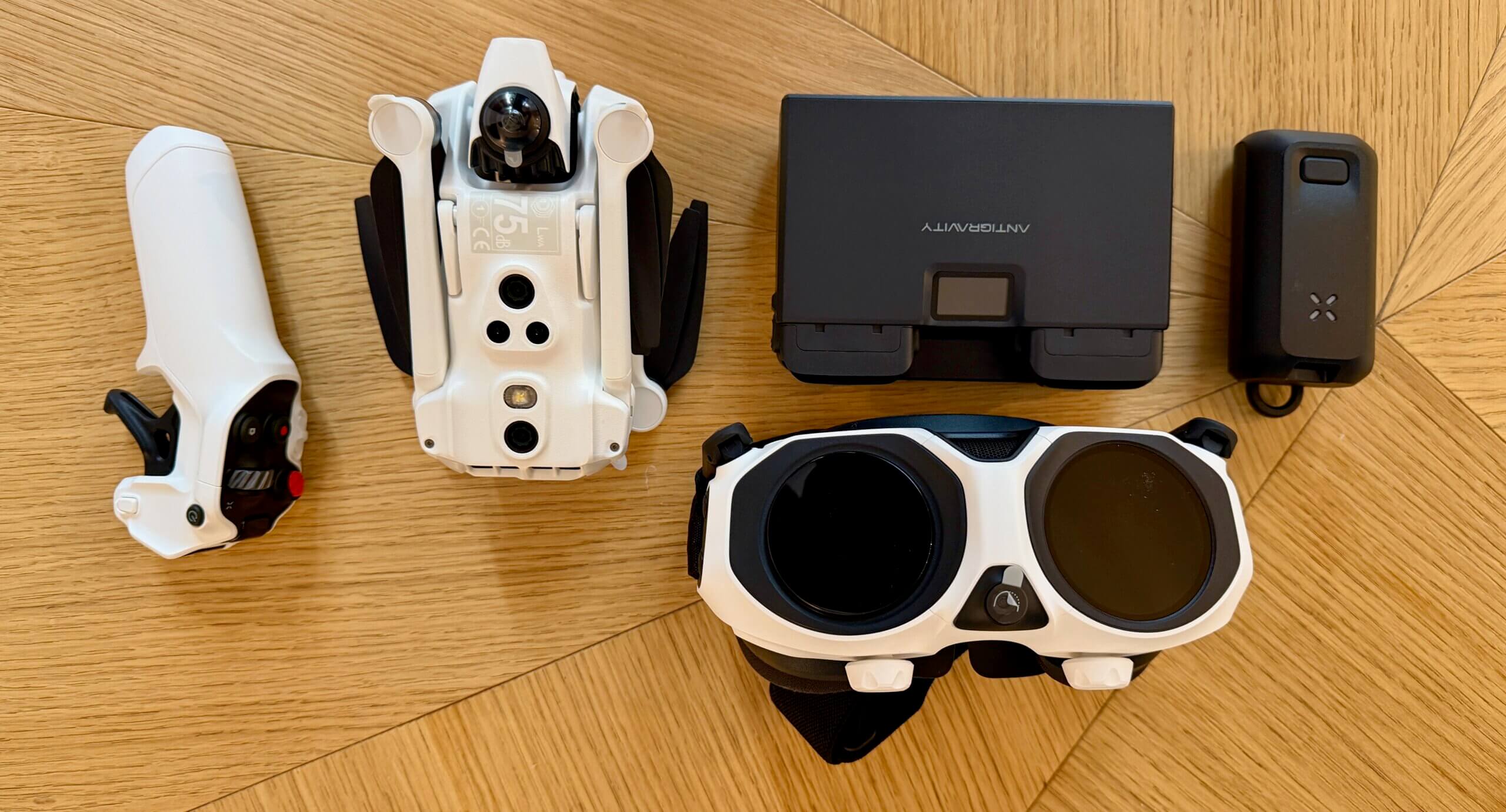
The most profound shift in the A1 experience is the "Vision Goggles." Featuring dual 4K micro-OLED displays with a 120Hz refresh rate, these goggles provide a near-zero-latency feed. Because the camera is capturing a full sphere, the goggles support head tracking. If the pilot turns their head, the view pans accordingly. This creates a level of spatial awareness that makes traditional fixed-camera piloting feel antiquated.
The motion controller further simplifies the process. By using a single-handed, motion-sensitive remote, the pilot gestures to direct the drone. This intuitive interface lowers the barrier to entry, allowing novices to navigate complex environments—such as forests or narrow canyons—with minimal training.
Official Responses and Market Impact
Antigravity has positioned the A1 as a "virtual camera crew." In a statement, the company’s lead engineer noted, "We wanted to remove the cognitive load of flying. When you stop worrying about whether the drone is pointed at the subject, you start thinking about the story you are telling."
Industry analysts have observed a notable shift in user behavior. Many creators who previously relied on manual FPV (First Person View) drones for "acrobatic" shots are migrating to the A1 because it provides the same immersive, dynamic feel without the risk of high-speed crashes. The inclusion of "Turtle Mode"—which allows the drone to flip itself upright if it lands upside down—has further reinforced its reputation as a reliable workhorse for remote expeditions.
Implications for the Future of Filmmaking
The implications of the A1 extend beyond convenience; they touch on the very nature of cinematography. "Fly now, frame later" is a paradigm shift. Traditionally, a film’s composition is locked at the moment of capture. With the A1, the composition is an editorial choice made hours, or even days, after the drone has landed.
This technology bridges the gap between the immersive world of VR and traditional cinematic storytelling. By allowing creators to reframe footage using the "Antigravity Studio" app and their phone’s gyroscope, the process of editing has become an interactive, kinetic experience. AI-driven "Auto-Frame" tools, which identify subjects and maintain focus, effectively provide a solo creator with the tools of a professional director.
Conclusion: A Tool for the Modern Explorer
The Antigravity A1 is not merely a drone; it is a creative liberation tool. While it may not satisfy the requirements of a high-end cinema production looking for raw 8K-per-frame clarity, it is an essential addition for the modern traveler, content creator, or adventurer.
For those who have felt constrained by the limitations of single-lens drones, the A1 offers a solution that prioritizes the storytelling experience over the technical anxiety of flight. As we look toward the future of aerial media, it is clear that the industry is moving toward total immersion, and the Antigravity A1 is leading the charge. Whether you are trekking through the Andes or filming a coastal road trip, the ability to "direct" your footage after the flight is a game-changer that makes the A1 the most compelling piece of tech in the creator’s kit today.
Navigating Your Next Adventure: Logistical Tips
As you gear up to capture the world with your new hardware, don’t forget the foundational elements of travel.
- Logistics: Utilize platforms like Skyscanner to ensure you aren’t overpaying for your transit. Even with the best gear, your footage is only as good as the locations you visit.
- Accommodations: Whether you are looking for a social hostel via Hostelworld or a quiet guesthouse on Booking.com, ensure your base of operations is secure and convenient for early-morning flights.
- Protection: Drones are investments. Always carry comprehensive travel insurance to cover potential gear damage or theft.
- Experiences: If you need help finding the best spots to fly, check out Get Your Guide for local excursions that might offer the perfect backdrop for your next aerial masterpiece.
The world is waiting to be captured from a new perspective. With the right tools and the right preparation, your next journey will not just be documented—it will be an immersive cinematic experience.