Madrid is a city of superlatives. As the capital of Spain and its most populous urban center, it serves as a sprawling, sophisticated metropolis where the weight of history meets the pulse of modern European life. With a population of approximately 3.5 million, the city acts as a magnet for over 10 million visitors annually. While it is often compared to the coastal allure of Barcelona, Madrid offers a distinct flavor: a landlocked, elevated heart that beats with an intensity that only truly awakens after sunset.
For the uninitiated, the city can feel overwhelming. Its vast scale and labyrinthine historic quarters demand a strategy. Whether you are an art aficionado, a culinary explorer, or a history buff, this guide serves as a blueprint for navigating the "Villa y Corte" with efficiency, authenticity, and fiscal prudence.
The Chronology of Exploration: A Five-Day Deep Dive
To truly understand Madrid, one must synchronize with its rhythm. Life here moves at a deliberate, "slow-burn" pace. Shops open late, lunch is a ritualized affair, and the nightlife is legendary, often extending until the first light of dawn.
Day 1: Immersion in the Golden Triangle of Art
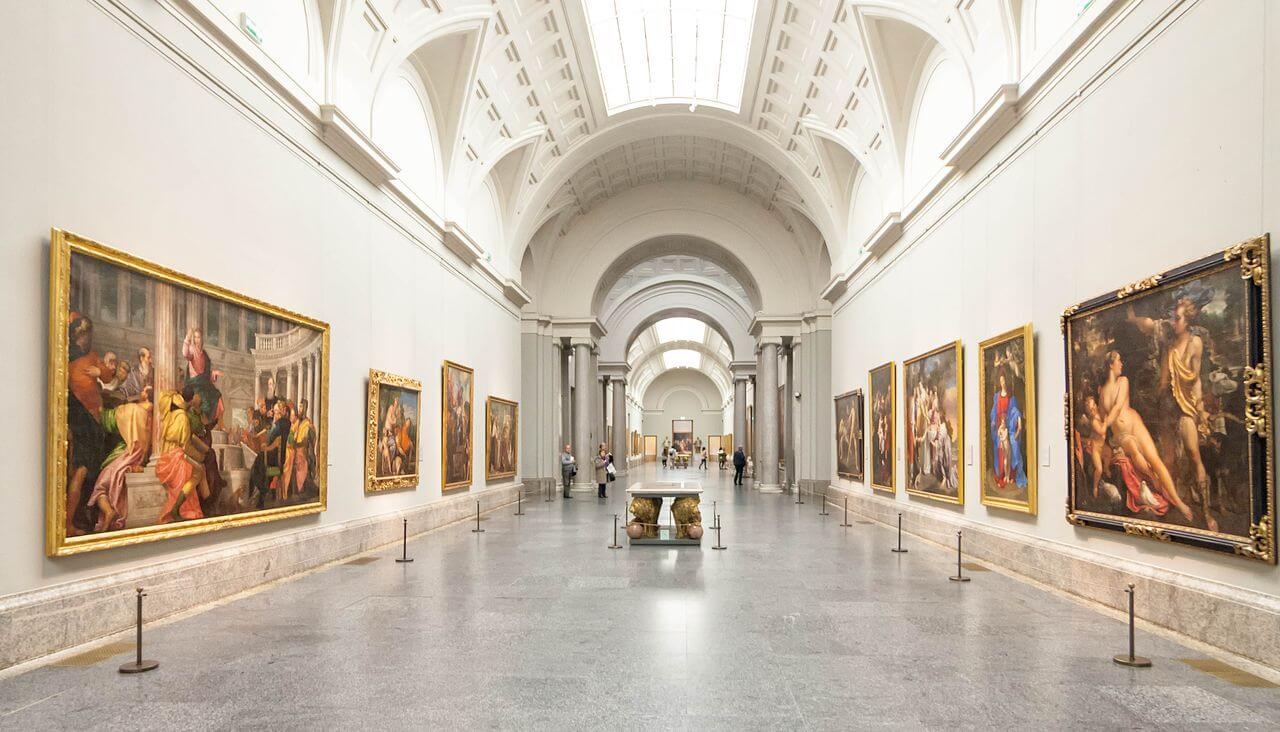
The journey begins in the UNESCO World Heritage site known as the "Landscape of Light." This area is a concentrated nexus of culture, boasting over 40 monuments and historic buildings. The anchor of this experience is the Prado Museum, a world-class institution housing masterpieces by El Greco, Velázquez, and Goya. Given its vast collection, a minimum of three hours is required to appreciate the depth of its holdings.
Following the Paseo del Prado, visitors should proceed to the Thyssen-Bornemisza Museum for a comprehensive journey through art history, before concluding at the Reina Sofía National Art Center. The latter is home to Picasso’s Guernica, a visceral anti-war statement that remains one of the most significant pieces of 20th-century art.
As the sun begins to dip, pivot toward the city’s culinary heritage. For a traditional cocido madrileño, visit Taberna La Fragua de Vulcano. Alternatively, the garden terrace at Arzábal provides a refined setting for sampling some of the city’s finest croquetas. For the truly adventurous, Bodega de los Secretos offers a subterranean dining experience within restored 17th-century wine caves.
Day 2: The Grandeur of the Habsburg Era
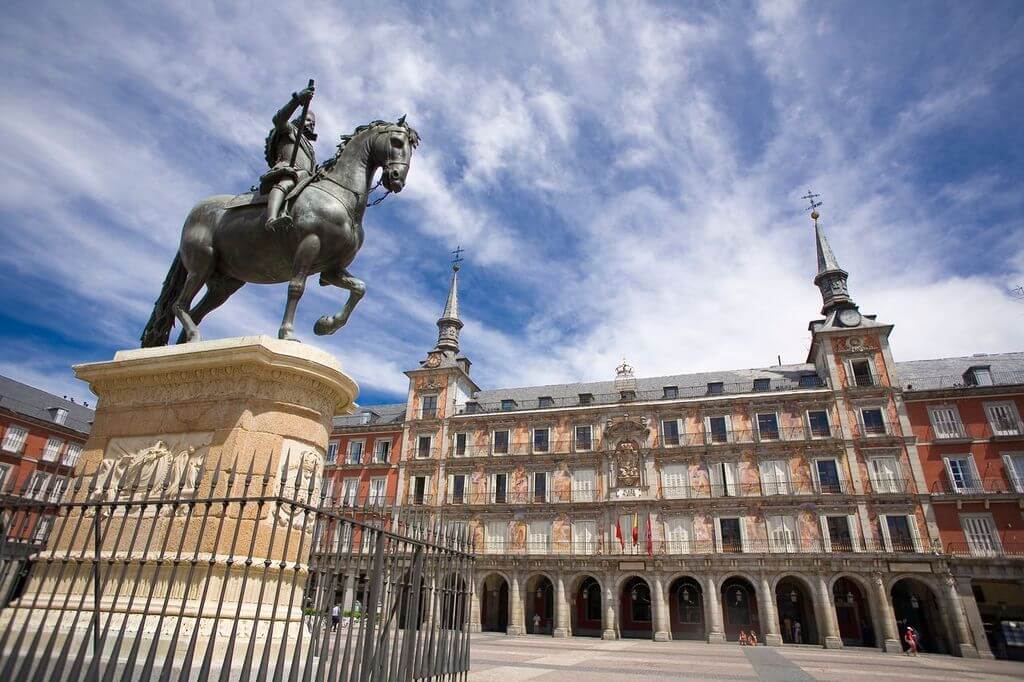
Day two is dedicated to the medieval and Renaissance footprint of the city, known as Madrid de los Austrias. The geographic heart is the Puerta del Sol, the official center of Spain’s road network marked by the "Kilometer Zero" plaque. Nearby, the statue of the Bear and the Strawberry Tree serves as the symbolic icon of the city.
A short walk leads to the Plaza Mayor, a grand, porticoed square that has functioned as the city’s stage for everything from royal coronations to public executions. Today, it is the perfect spot for people-watching before ducking into the nearby alleys for a quintessential calamari sandwich—a humble but essential local delicacy.
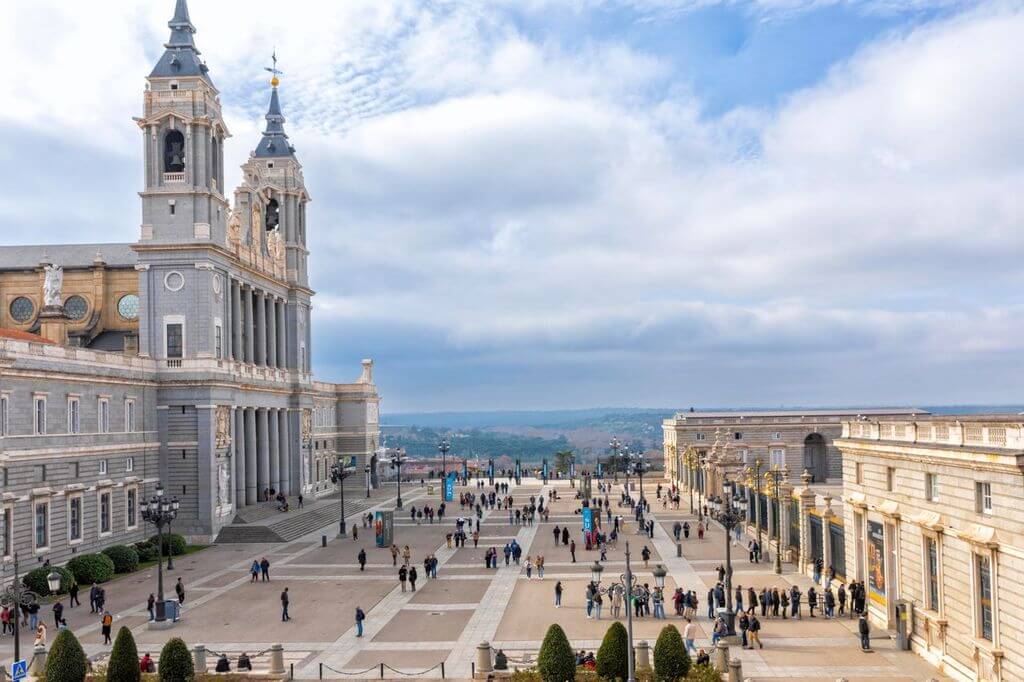
The afternoon is reserved for the Royal Palace of Madrid. As the largest royal residence in Western Europe, it features over 3,400 rooms. While no longer the primary residence of the royal family, it serves as an opulent museum of state power, housing works by Caravaggio and Goya, as well as a formidable Royal Armory. The day concludes at the Almudena Cathedral, a late-19th-century Neo-Classical and Neo-Romanesque structure that offers panoramic views of the skyline from its dome.
Day 3: A Culinary Odyssey
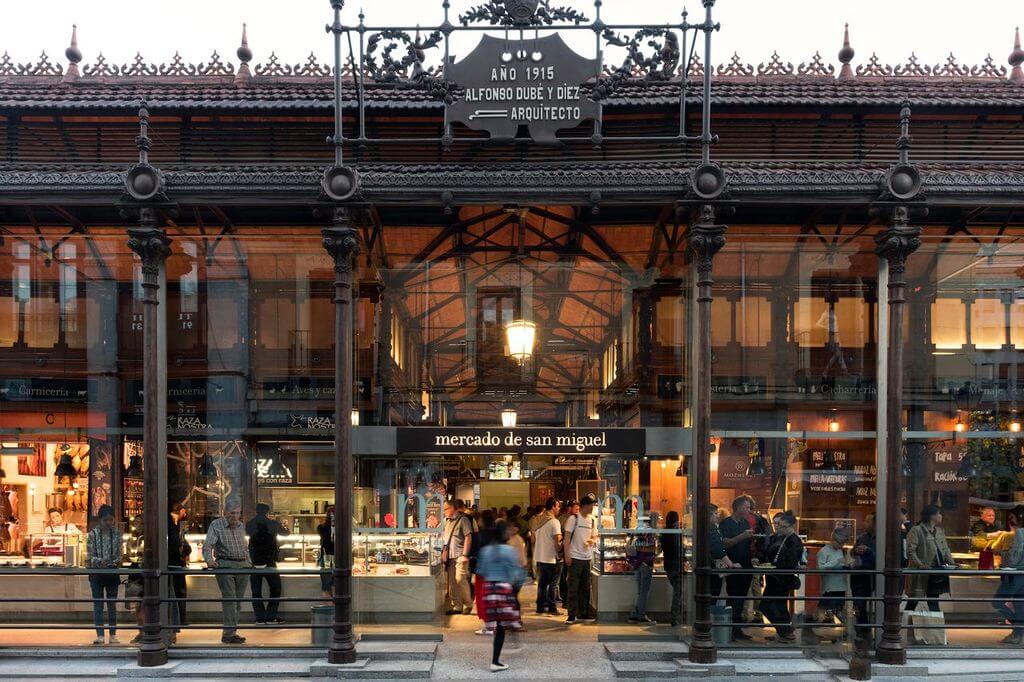
Madrid’s gastronomic reputation is defined by its markets. Start at the Mercado de San Miguel, a glass-walled culinary temple that serves as the gold standard for gourmet tapas. For a more localized experience, the Mercado de San Antón in the Chueca district or the Mercado de Vallehermoso provide a less tourist-heavy look at regional ingredients.
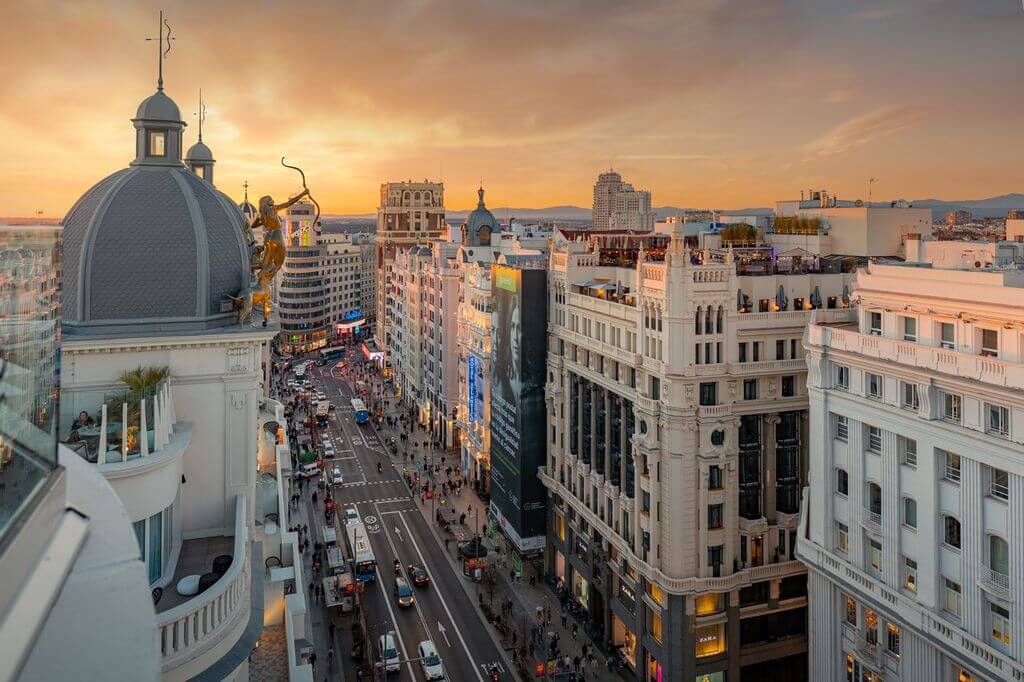
For dinner, history beckons at Sobrino de Botín, the oldest continuously operating restaurant in the world, famously frequented by Ernest Hemingway. After dinner, embrace the local tradition of tapas crawling through La Latina or the literary Barrio de las Letras. Conclude the night at a rooftop bar on the Gran Vía, such as The Roof at Picalagartos or the RIU 360º Sky Bar, to witness the city’s lights from above.
Day 4: UNESCO Wonders and Imperial Day Trips
Madrid’s UNESCO status extends beyond the city center. A short trip from the capital reveals the depth of the Spanish monarchy’s influence:
- San Lorenzo de El Escorial: A massive 16th-century monastery and palace complex, built in austere granite, which served as the burial place for Spanish kings.
- Aranjuez: The Royal Palace and gardens here offer a lush, Versailles-like experience that served as the spring residence for royalty.
- Alcalá de Henares: The birthplace of Miguel de Cervantes, offering a perfectly preserved glimpse into the Spanish Golden Age.
Day 5: Off-the-Beaten-Path Treasures
On the final day, explore the "hidden" Madrid. The Monastery of Las Descalzas Reales and the Royal Monastery of La Encarnación are architectural jewels that remain surprisingly quiet. These cloistered spaces hold vast art collections and relics, offering a meditative end to the trip.
Finally, retreat to the Casa de Campo. Once a royal hunting ground, this 17-square-kilometer park provides a natural lung for the city. From its lakeside terraces, you can enjoy a final, tranquil meal while looking back at the silhouette of the Royal Palace and the Almudena Cathedral across the water.
Supporting Data: Why Madrid Remains a Top Destination
Madrid’s appeal is bolstered by its infrastructure and economic accessibility. Unlike many European capitals, Madrid has successfully integrated its historic transit systems with modern, efficient metro networks. The city’s investment in the Paisaje de la Luz (Landscape of Light) project has not only preserved cultural heritage but has catalyzed a 15% increase in cultural tourism revenue since 2021.
Furthermore, the city has successfully rebranded itself as a vegetarian-friendly hub, a significant pivot for a city traditionally known for meat-heavy dishes. This shift has attracted a younger, more diverse demographic of travelers, balancing the influx of traditional luxury tourists.
Official Perspectives and Cultural Implications
Local tourism officials emphasize that Madrid’s "late-night" culture is not a flaw, but a feature of its identity. "The city does not wake up to be consumed; it wakes up to be lived," notes a spokesperson from the Madrid Tourism Board. This philosophy suggests that the city’s resistance to early-morning tourist schedules is an attempt to preserve the social fabric of its neighborhoods.
The implications for the traveler are clear: to enjoy Madrid, one must relinquish the urge to rush. The city’s value lies in its public spaces, its free museum hours, and the social nature of its bars. By adopting the local schedule, visitors are less likely to encounter the "tourist traps" that operate during standard midday hours, instead finding themselves in the company of locals who define the city’s authentic character.
Conclusion: Planning for the Future
Madrid is a city that rewards repeat visits. Whether you are navigating the high-art corridors of the Prado or sipping a vermouth in a hidden plaza in La Latina, the city offers a unique blend of historical gravitas and contemporary zest. By focusing on the balance between iconic landmarks and quiet, monastic retreats, any traveler can find their own rhythm in the heart of Spain. When planning your logistics, prioritize local transit over taxis, utilize hostels or guesthouses located in the city center for proximity, and always secure comprehensive travel insurance to protect your investment in this unforgettable capital.