Home to 3.5 million residents, Madrid is more than just the political and geographical center of Spain; it is a sprawling, vibrant metropolis that pulses with an energy unlike anywhere else in Europe. While cities like Barcelona often dominate the international imagination, Madrid—the country’s largest city—offers a deeper, more authentic immersion into the Spanish soul. With over 10 million visitors annually, the capital has cemented its status as a must-visit destination, blending imperial history with a contemporary, hedonistic lifestyle that refuses to sleep.
The Pulse of the Capital: Main Facts
Madrid is a city of superlatives. It houses one of the world’s most significant art collections, serves as the seat of the Spanish monarchy, and acts as the heart of a culinary landscape that ranges from Michelin-starred dining to historic, rustic taverns.
Geographically, Madrid sits on a high plateau, a factor that influences its climate and its pace of life. It is famously a "city for night owls." The local rhythm involves late-start days, extended afternoon meals, and a social nightlife that frequently stretches toward dawn. For the uninitiated, this pace might seem daunting, but embracing the "slow life" is the key to unlocking the city’s charm. As a visitor, you aren’t just touring; you are participating in a long-standing tradition of leisure and social connection.
A Chronological Five-Day Itinerary
Day 1: Immersion in the Art Walk
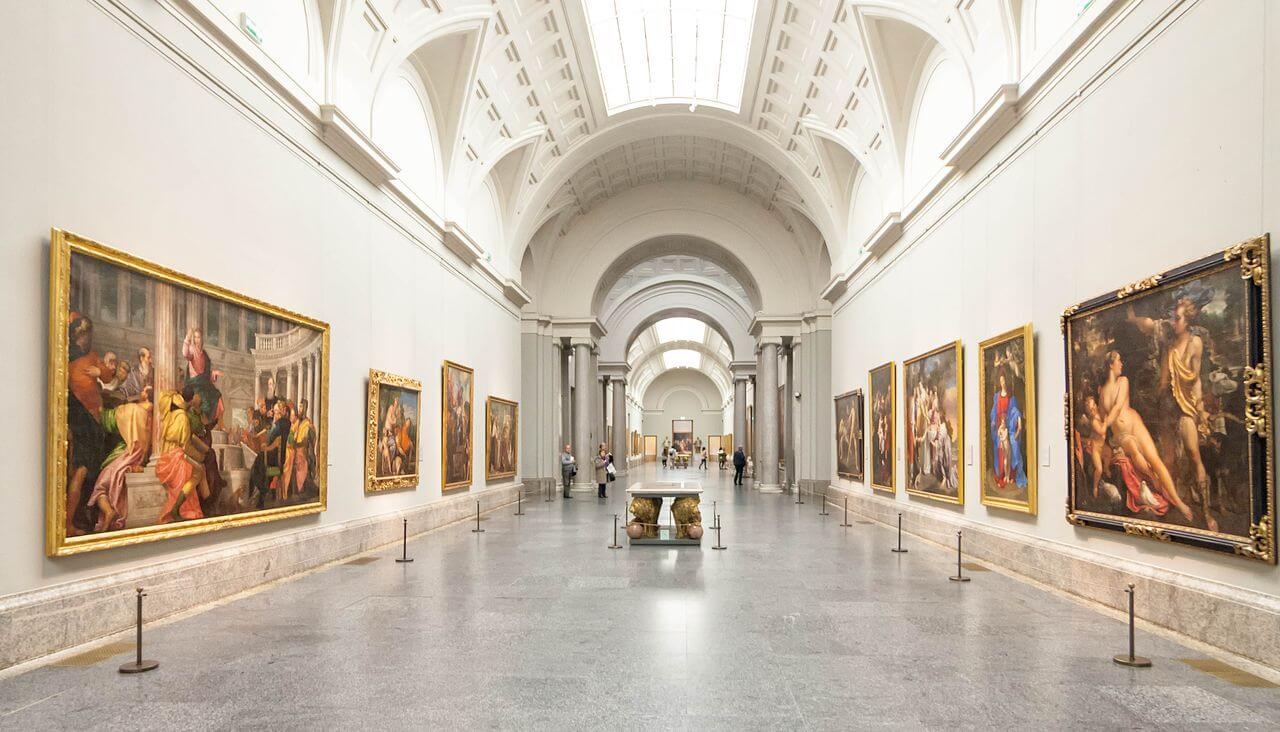
The "Paseo del Arte" is a UNESCO World Heritage-designated corridor that serves as the cultural backbone of the city. Begin your journey at the Prado Museum, a titan of the global art world. It houses the works of El Greco, Velázquez, and Goya. Given the museum’s immense scale, allocate at least three hours to truly appreciate the breadth of its collection.
Following this, walk ten minutes along the Paseo del Prado to the Thyssen-Bornemisza Museum, which provides a bridge between the Renaissance and modern Pop Art. Conclude your day at the Reina Sofía National Art Center, home to Picasso’s Guernica. While modern art may be a polarizing genre, the sheer emotional weight of Guernica—the world’s most poignant anti-war painting—is an essential experience.
Day 2: The Grandeur of the Historic Center
Step back in time to "Habsburg Madrid" (Madrid de los Austrias). Your starting point should be Puerta del Sol, the symbolic center of Spain, marked by the "Kilometer Zero" plaque. Nearby, find the "Bear and the Strawberry Tree" (El Oso y el Madroño) statue, a beloved emblem of the city’s coat of arms.
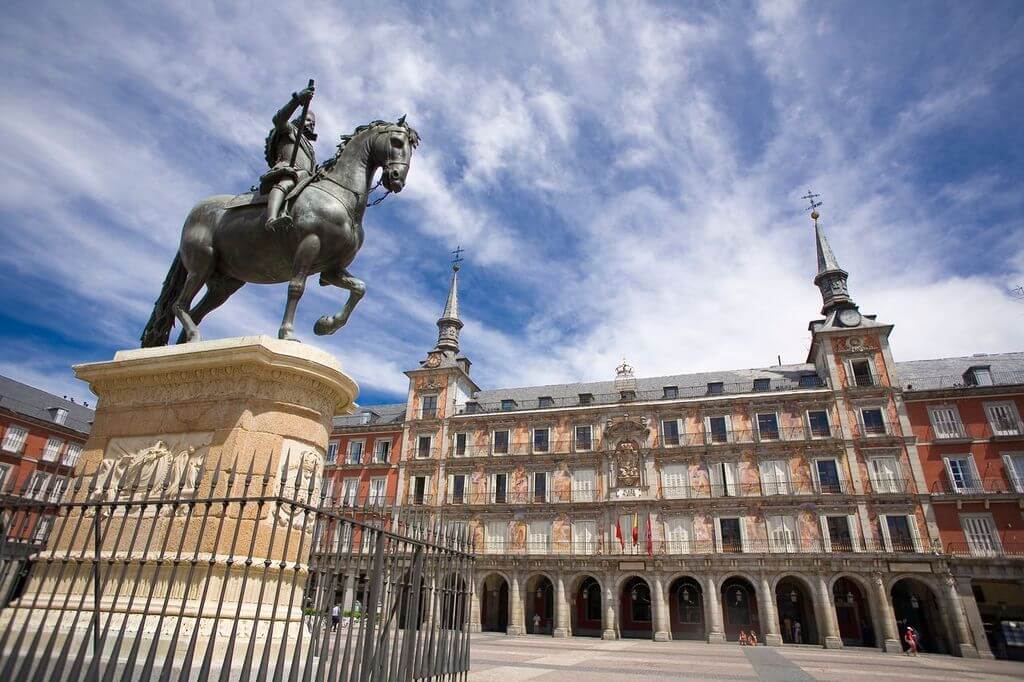
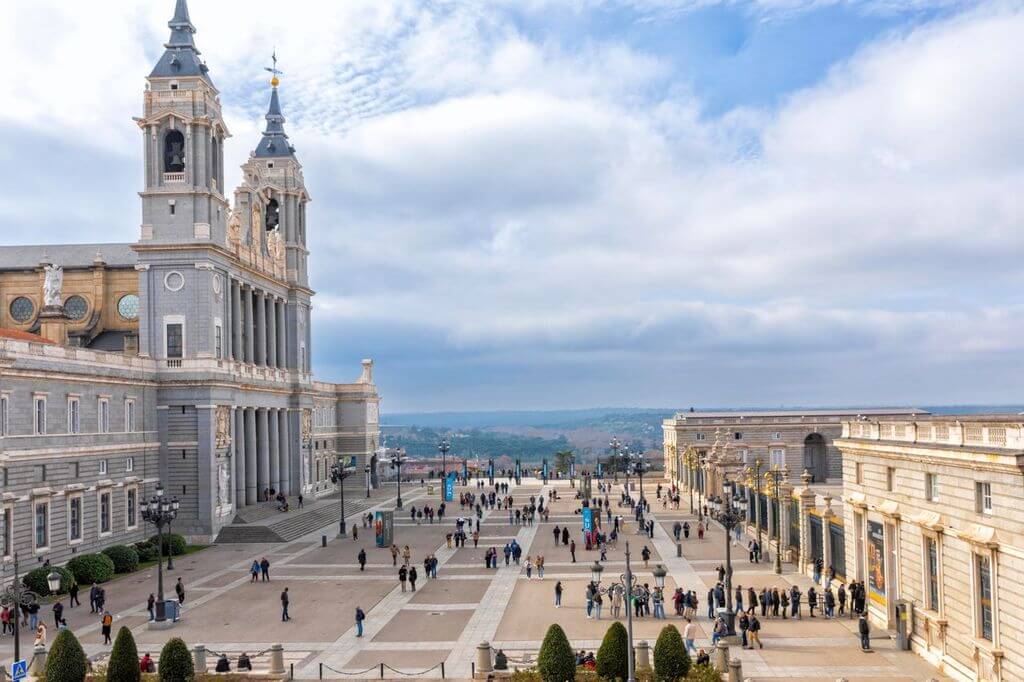
Progress to the Plaza Mayor, an architectural masterpiece that has witnessed everything from royal weddings and bullfights to public executions. For a truly authentic experience, duck into the surrounding alleys to try a traditional calamari sandwich. Your afternoon should be dedicated to the Royal Palace of Madrid, the largest of its kind in Western Europe. Though it serves only for state functions today, its 3,400 rooms offer an unrivaled look at royal excess. End the day at the Almudena Cathedral, climbing the dome for a panoramic sunset view of the city.
Day 3: Culinary Discovery
Madrid is a paradise for the gastronome. Rather than relying on rigid tour groups, embrace the "tapas crawl" culture. Start at the Mercado de San Miguel, a glass-walled temple to gourmet tapas, then explore local favorites like the Mercado de San Antón in the Chueca district.
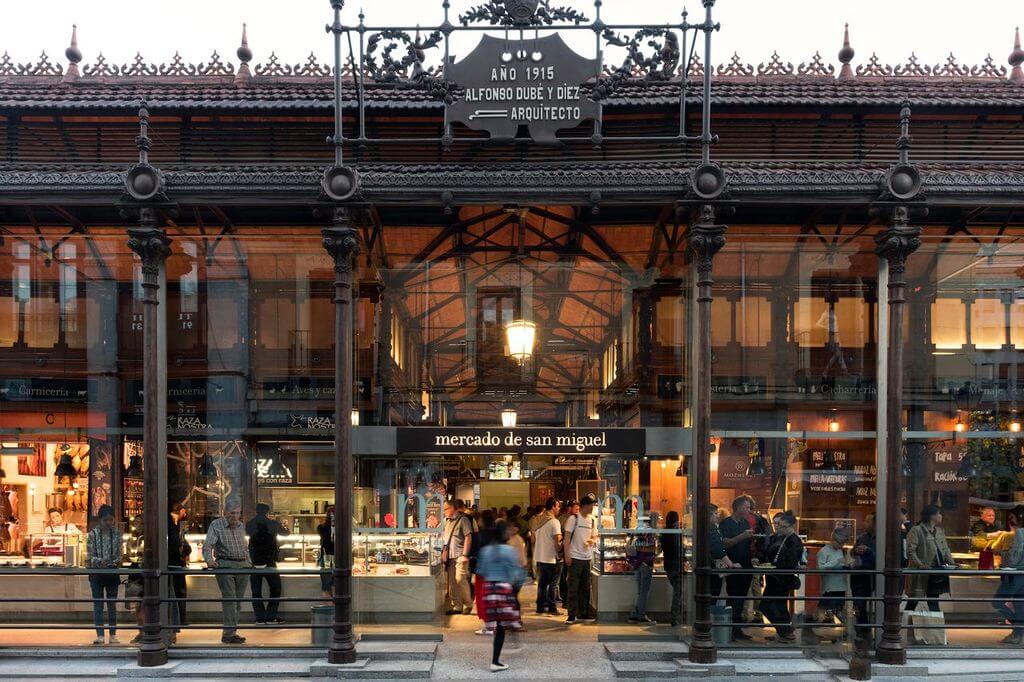
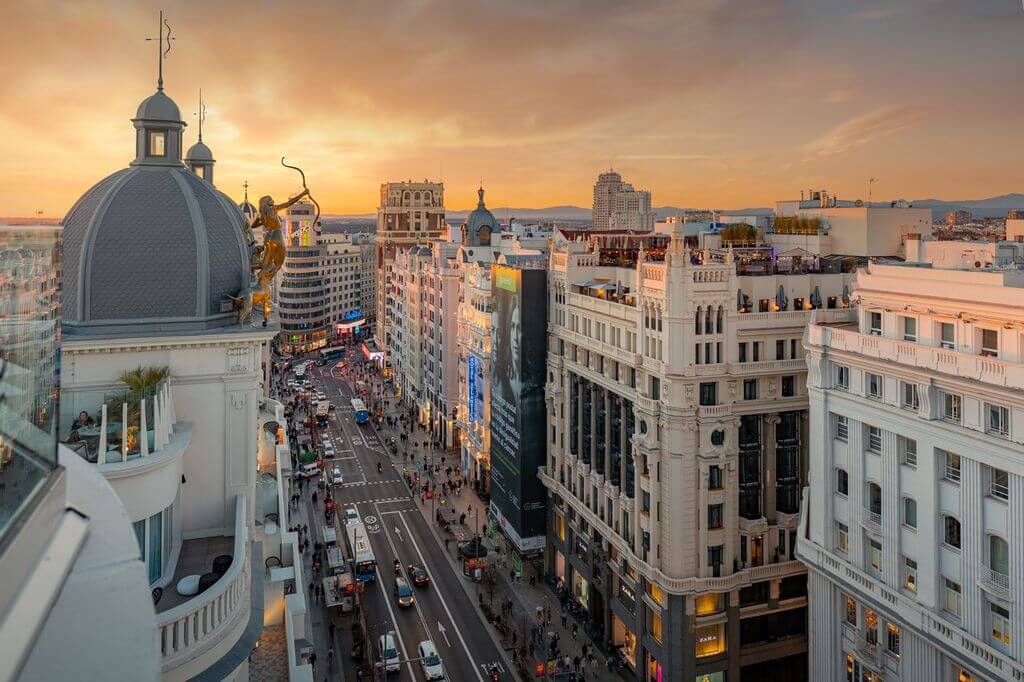
For dinner, visit Sobrino de Botín, recognized by the Guinness World Records as the oldest restaurant in the world—a site once frequented by Ernest Hemingway. As night falls, explore the "rooftop culture" along the Gran Vía. Venues like the RIU 360° Sky Bar offer a perspective of the city that is simply unmatched.
Day 4: UNESCO World Heritage Wonders
Madrid’s influence extends far beyond its city limits. To understand the depth of Spanish history, take a day trip to one of the nearby UNESCO sites. San Lorenzo de El Escorial is a massive, austere imperial complex that houses the tombs of Spanish monarchs. Alternatively, the Royal Palace and Gardens of Aranjuez offer a glimpse into the lavish spring lifestyles of the royals, while Alcalá de Henares, the birthplace of Miguel de Cervantes, provides a perfectly preserved window into the Spanish Golden Age.
Day 5: Off-the-Beaten-Path Treasures
Spend your final day uncovering the city’s quieter side. Visit the Monastery of Las Descalzas Reales, a convent turned art treasure trove, and the Royal Monastery of La Encarnación. These sites offer a meditative silence rarely found in the bustling center. Finally, retreat to the Casa de Campo. This 17-square-kilometer park, once a royal hunting ground, offers a tranquil space to reflect on your trip while looking back at the skyline of the Royal Palace and the Almudena Cathedral.
Supporting Data and Trends
Tourism data from the Madrid Tourism Board indicates that the city is shifting toward "quality over quantity," focusing on sustainable tourism and the promotion of the Paisaje de la Luz (Landscape of Light) to manage foot traffic. Statistics show that visitors who stay five days or longer are 40% more likely to spend money in local neighborhood markets and independent boutiques rather than traditional tourist traps, suggesting a positive shift in traveler behavior toward the local economy.
Official Responses and Sustainability
The Madrid City Council has been aggressive in its efforts to preserve the city’s architectural heritage while modernizing for the 21st century. The reopening of the Sorolla Museum in 2026, following a major architectural renovation, is part of a broader municipal strategy to revitalize "House Museums" that offer intimate, non-mass-market experiences. Furthermore, the city’s investment in pedestrianizing the historic center has significantly reduced noise and air pollution, making the "Habsburg" area more accessible to cyclists and pedestrians.
Implications for the Modern Traveler
The shift toward "slow travel" in Madrid has profound implications for the visitor. By choosing to eat when the locals eat and lingering in the city’s parks and museums, travelers contribute to a more sustainable and meaningful tourism model.
The primary takeaway for anyone planning a trip to Madrid is this: the city does not yield its secrets to those in a rush. Its value lies in the details—the quality of the croquettes at a neighborhood bar, the way the light hits the gardens at the Sorolla Museum, and the quiet dignity of a cloistered convent. Madrid is not a city to be "checked off" a list; it is a city to be experienced.
Whether you are seeking the world-class art of the Golden Triangle or the vibrant, plant-based culinary scene currently blossoming in Malasaña, Madrid provides a multifaceted experience that remains unmatched in its diversity and historical richness. By balancing the main sights with the off-the-beaten-path treasures, you ensure that your visit to the Spanish capital is not merely a vacation, but an education in the art of living well.