Whether you are browsing for a sleek, modern condo in the heart of Seattle or scouting a charming, historic home in the suburbs of Milwaukee, the digital real estate landscape operates on a singular, unforgiving currency: attention. Scroll through any major property platform, and you will quickly notice a stark dichotomy. Some listings feel vibrant, welcoming, and alive—they pull you in, demanding that you linger. Others feel like mere clerical entries, cold and disconnected.
The irony is that this divide is rarely about the physical architecture itself. Two properties might share an identical floor plan, identical square footage, and nearly identical price points, yet one will generate a flurry of inquiries while the other sits stagnant. The invisible barrier between these two outcomes is often something as simple—and frequently overlooked—as photography.
In the digital age, a real estate listing is not just a document; it is a narrative. Professional photography does not merely capture a room; it shapes the buyer’s psychological response, dictating first impressions and determining whether a property is seen as a dream home or a logistical burden.
The Attention Economy: A Battle for Seconds
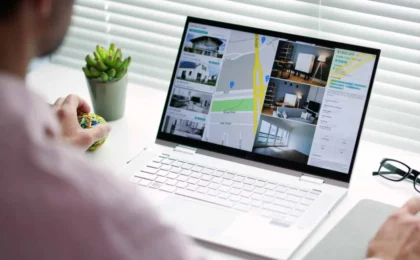
Before a prospective buyer ever makes a phone call to an agent or schedules an in-person tour, they are navigating a digital deluge. The average homebuyer sifts through dozens, if not hundreds, of online listings in a single sitting. In this environment, every listing is competing in an "attention economy" where the window to make an impression is measured in mere seconds.
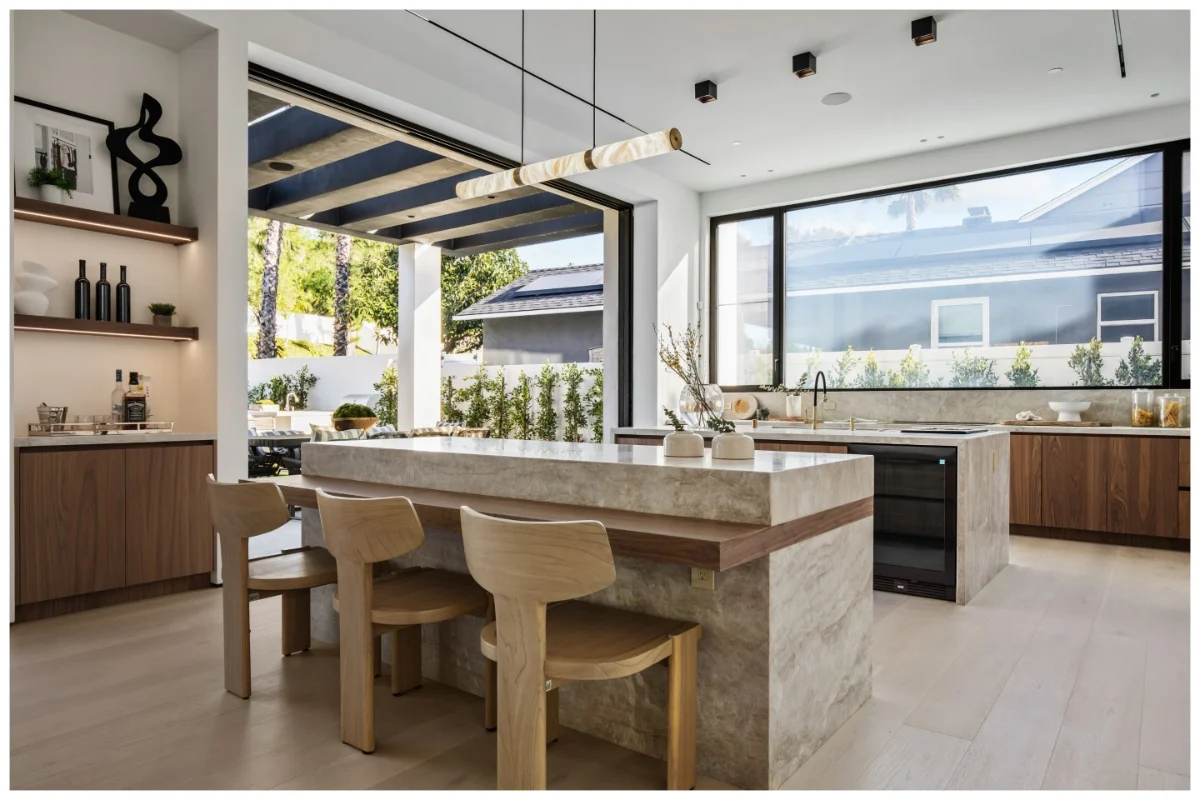
This is where professional photography performs the heavy lifting. A well-composed image signals order, competence, and value. When a photo is balanced—with vertical lines kept straight, exposure adjusted to avoid blown-out windows, and lighting soft enough to define depth—the human brain processes the space instantly. It feels "right."
Conversely, amateur photography creates cognitive friction. Tilted angles, dark corners, and distorted wide-angle shots force the viewer to work harder to interpret the space. In an era of instant gratification, if a buyer has to squint or tilt their head to figure out the layout of a living room, they will not bother. They will simply swipe to the next listing.
The Logic of Clarity
Alex Justice, CEO of Esoft, notes that professional photography is the most critical marketing tool in an agent’s arsenal. “Buyers need to understand a property’s size, layout, flow, and appearance,” Justice explains. “Professional photography communicates those qualities in a way that casual photography simply cannot. It provides the clarity that allows a buyer to immediately determine if the house fits their lifestyle requirements.”
This clarity is not merely an aesthetic preference; it is a functional necessity. Clear visuals facilitate a faster "yes" or "no" decision, preventing the buyer from feeling overwhelmed by ambiguity. By removing the guesswork, high-quality imagery keeps the buyer engaged, effectively funneling them toward the next stage of the funnel: the tour.
Emotion First, Logic Second: The Psychology of the Click
There is a common, yet flawed, assumption that homebuyers are cold, methodical decision-makers who calculate price-per-square-foot and interest rate projections before anything else. In reality, the decision-making process is almost always the inverse: emotional engagement comes first, and the logic of financing and logistics follows to justify that initial feeling.
Professional photography acts as the primary catalyst for that emotional connection. A photograph that captures the golden hour light hitting a breakfast nook does more than show a table and chairs; it invites the buyer to imagine their own morning coffee routine. A beautifully staged backyard photo, complete with proper depth of field, suggests the potential for summer gatherings and privacy.
Cole Connor, founder of Bow Real Estate Media, emphasizes that imagery is fundamentally about storytelling. “The best images don’t just document a property; they tell its story,” says Connor. “They help buyers imagine everything from quiet mornings in the kitchen to evenings with family in the backyard before they ever step through the front door. That imagined experience is what gets buyers to click, save, and schedule.”
Without this emotional anchor, even the most structurally sound house can feel like a cold shell. When a buyer cannot "see" themselves in a space, they cannot form a connection, and without a connection, the likelihood of a sale drops precipitously.
The Evolution of the Narrative: Beyond the Still Image
As technology advances, the definition of "professional real estate photography" has expanded from a static gallery of images into a comprehensive visual ecosystem. Today, the most effective listings leverage a layered approach, integrating video walkthroughs, high-resolution aerial drone photography, and interactive 3D floor plans.
This multimedia approach solves the biggest problem in remote home shopping: the "missing context." While a still photo captures a moment, a video walkthrough or a 3D tour provides the "spatial flow" that allows a buyer to understand how rooms connect.
Jason LaVanture, Founder and CEO of RTV, Inc., highlights the importance of this synergy. “The best listings don’t just showcase a home; they tell its story,” LaVanture says. “Professional photography is the foundation, but when it’s combined with video, aerial imagery, floor plans, and a dedicated property website, buyers are more likely to form an emotional connection before they ever step through the front door.”
This multi-layered approach has a practical implication for the real estate market: it creates "pre-qualified" buyers. When a buyer arrives at an open house having already explored a high-quality, comprehensive visual package, they aren’t there to discover the layout—they are there to confirm their interest. This shortens the decision-making cycle, which is a significant advantage in competitive, fast-moving markets.
A Necessity, Not a Luxury
Perhaps the most persistent myth in the real estate industry is the idea that professional photography is a "luxury add-on" reserved for multi-million dollar estates. This mindset is fundamentally disconnected from the realities of the modern digital marketplace.
In the digital sphere, every listing, regardless of price, is judged by the same standard of visual quality. A $300,000 home with professional, high-impact photography will almost always outperform a $400,000 home that uses blurry, poorly lit smartphone photos. The latter creates a perception of neglect—if the seller didn’t care enough to present the home well, what does that imply about the maintenance of the property?
Cole Connor puts it bluntly: “Professional real estate photography isn’t just for luxury homes. It’s something every listing deserves.”
For sellers, the decision to skip professional photography is a false economy. The cost of a professional shoot is negligible compared to the potential loss of value caused by a property sitting on the market for an extra month or being overlooked entirely by potential buyers who assume the property is in poor condition based on the listing’s visual presentation.
Implications for the Future of Real Estate
The integration of professional photography into the standard listing process has created a more efficient, albeit more competitive, market.
- Reduced Time-on-Market: Listings with high-quality media packages consistently move faster than those without. The reduced friction in the search process allows buyers to move from discovery to purchase more rapidly.
- Increased Bargaining Power: A home that looks polished and well-presented online creates an aura of desirability, which can foster a sense of competition among buyers, often leading to better outcomes for the seller.
- The Digital Proxy: As remote work and cross-country relocation become more common, the digital listing has become a proxy for the actual house. For many buyers, the professional photography is the first viewing.
The Bottom Line: Building the Connection
When we strip away the marketing jargon and the technological jargon, the role of professional photography remains profoundly human. It is about bridging the gap between a house and a home.
Before a buyer analyzes interest rates, school districts, or closing costs, they are making a visceral decision: "Do I like this place?" Professional photography is the mechanism by which that decision is formed. It provides the visual evidence that a house is worth the buyer’s most precious resource: their time.
In a market defined by speed, competition, and infinite choice, the ability to grab a buyer’s attention is the difference between a listing that sits and a listing that sells. It is no longer just about putting a sign in the yard; it is about crafting a compelling, high-definition story that resonates with the buyer on an emotional level. And in the modern real estate arena, that story always begins with a single, perfectly captured image.