In a bold move to modernize the Commonwealth’s education system, Massachusetts officials have unveiled a comprehensive set of proposed graduation requirements that would fundamentally shift the post-secondary landscape for the state’s high schoolers. The proposals, spearheaded by the K–12 Statewide Graduation Council and championed by Governor Maura Healey, aim to bridge the gap between secondary education and the demands of the modern economy, with a particular focus on financial literacy, career readiness, and universal access to higher education funding.
At the heart of the initiative is a controversial but significant mandate: requiring all high school seniors to complete the Free Application for Federal Student Aid (FAFSA)—or its state-level counterpart for undocumented students, the MASFA—as a prerequisite for graduation. While the proposal allows for a "low-barrier" opt-out clause, the intention is clear: to ensure that no student leaves the K–12 system without being informed of, or actively seeking, the financial resources necessary to pursue higher education.
The Core Mandates: A New Standard for Graduation
The recommendations, released last week by Governor Healey, represent the culmination of 18 months of intensive deliberation involving educators, industry leaders, students, and families. The goal, according to the Governor’s office, is to modernize a system that has long been tethered to outdated metrics.
Universal FAFSA and Financial Inclusion
The most high-profile recommendation is the universal FAFSA completion policy. Under the proposal, students would be required to complete the FAFSA or the Massachusetts Application for State Financial Aid (MASFA). Recognizing potential privacy concerns or personal circumstances that might deter a family from submitting sensitive financial information, the council has built in an opt-out mechanism. This "no-questions-asked" provision ensures that students who have already secured funding, or those who simply choose not to participate, are not penalized.
Beyond the FAFSA: A Holistic Postsecondary Plan
The council’s report extends beyond mere financial paperwork. It envisions a "postsecondary plan" for every student, moving the graduation requirement from a simple accumulation of credits to a forward-looking strategy. Key components include:
- Work-Based Learning: Students would be encouraged to engage in internships, apprenticeships, or vocational training to gain real-world experience before receiving their diploma.
- AI Literacy: Recognizing the rapid integration of artificial intelligence into the global workforce, the report mandates that students gain exposure to and literacy in AI technologies.
- MassCore Alignment: The proposal seeks to standardize the "MassCore" curriculum—a rigorous set of courses aligned with the admissions standards of the state’s public university system—as a baseline for all districts, ensuring equity across both wealthy and under-resourced school systems.
Chronology of the Reform Process
The path to these recommendations began in the wake of the 2024 general election, which saw Massachusetts voters take the unprecedented step of removing the Massachusetts Comprehensive Assessment System (MCAS) as a graduation requirement. This shift necessitated a re-evaluation of how the state measures student readiness.
- Late 2023 – Early 2024: The K–12 Statewide Graduation Council is formed, tasked with identifying "modern" indicators of success.
- November 2024: Massachusetts voters approve a ballot initiative to eliminate the MCAS graduation requirement, creating an immediate void in state-level graduation standards.
- Winter 2024–Spring 2025: The Council holds a series of listening tours across the Commonwealth, engaging with stakeholders from the Berkshires to the Cape.
- June 2025: The final report is finalized, consolidating feedback into a roadmap for legislative action.
- July 2025: Governor Healey officially releases the report, signaling her support for the legislative package required to turn these recommendations into law.
Supporting Data and the "Universal FAFSA" Trend
Massachusetts is far from a pioneer in the FAFSA mandate movement, but its entry into the fray is significant due to its position as a national leader in higher education. According to the council’s report, 12 states have already implemented or are in the active process of implementing universal FAFSA policies.
Proponents of these mandates point to striking data: in states where FAFSA completion is encouraged or required, the conversion rate from high school to college—particularly among low-income and first-generation students—tends to climb. Often, students leave thousands of dollars in federal grant money on the table simply because they are unaware of the application process or intimidated by its complexity. By embedding the process into the school day, the state hopes to dismantle the "information barrier" that disproportionately impacts marginalized communities.
Furthermore, the report cites an urgent need for alignment with the state’s workforce. With the rapid evolution of technology and the Massachusetts economy’s reliance on biotech, robotics, and advanced services, the traditional high school curriculum is viewed by many in the private sector as insufficient. The inclusion of AI literacy and work-based learning is a direct response to feedback from employers who report a "skills gap" among recent high school graduates.
Official Responses: Navigating the Legislative Hurdles
The reaction to the report has been broadly positive, though not without nuance. Educators and college administrators have lauded the focus on preparation, while legislative leaders have begun to consider the logistical realities of implementation.
The Higher Education Perspective
William Heineman, president of North Shore Community College and chair of the state’s Community College Council of Presidents, provided a strong endorsement. "Every day, our colleges welcome students who arrive eager but underprepared for college-level work," Heineman noted. He emphasized that by requiring a postsecondary plan and reinforcing the MassCore sequence, the state is effectively shifting the burden of "readiness" from the college level back to the high school level, where it can be addressed with appropriate support.
The Executive Branch Stance
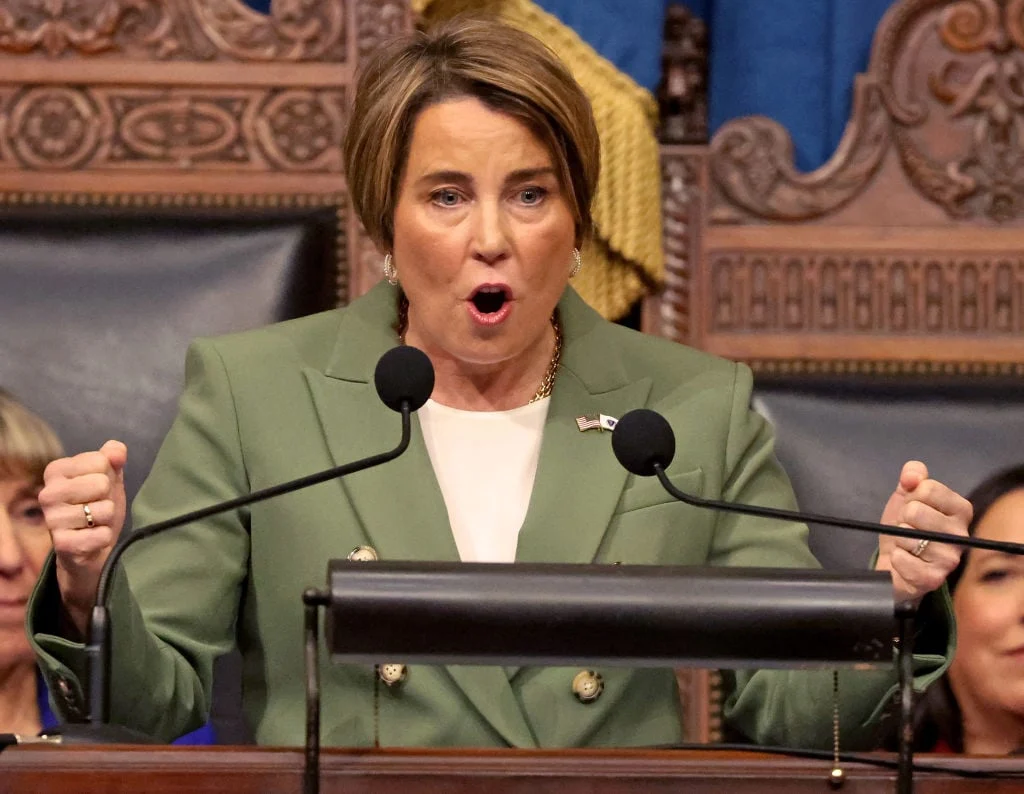
Governor Healey’s office has emphasized that these changes are not meant to be punitive. "Every student deserves a great education that prepares them for success after high school, whether they choose college, a career, service or another path," Healey said in her official statement. Her administration has signaled that they are prepared to provide the necessary funding to help school districts implement these new requirements, particularly the technical requirements associated with AI training and work-based learning coordination.
Legislative Realities
A spokesperson for the Massachusetts Executive Office of Education clarified that the majority of these recommendations will require formal legislation. This means the debate is far from over. Lawmakers will need to address concerns regarding the burden on teachers, the potential for "opt-out" fatigue, and how to fund the implementation of the new end-of-course assessments that will replace the MCAS.
Implications for the Future of Massachusetts Education
The proposed shift represents a move toward "outcome-based" education. For decades, the Massachusetts graduation model relied on a singular, high-stakes test. By pivoting to a model that emphasizes financial aid access, career experience, and modern technology skills, the state is attempting to define "success" in a more multifaceted way.
Socioeconomic Equity
The requirement to complete the FAFSA or MASFA is fundamentally an equity play. By making the application a school-led process, the state aims to normalize the transition to higher education. For students whose parents may have never attended college, this process removes the "unknown" factor of financial aid. However, critics argue that the burden of this process will fall on already strained guidance counselors and administrative staff.
The AI Literacy Mandate
The proposal to include AI literacy in the graduation requirement is one of the most forward-thinking aspects of the report. As AI continues to reshape industries, Massachusetts is positioning its graduates to be not just users, but critical thinkers regarding these tools. This could serve as a competitive advantage for the state’s workforce in the coming decade.
Moving Beyond the MCAS
The 2024 vote to eliminate the MCAS created a power vacuum in terms of state-level oversight. The council’s proposal for "state-designed end-of-course assessments" suggests that the state is not abandoning standardized testing entirely, but rather trying to make it more relevant to specific subject matter. If successful, this could reduce the "teach to the test" culture that has historically dominated the Massachusetts classroom.
Conclusion
As the legislative session approaches, the Massachusetts K–12 Statewide Graduation Council’s recommendations will be the subject of intense debate. While the universal FAFSA mandate and the move toward postsecondary planning are intended to provide a roadmap for student success, the logistical implementation—and the costs associated with it—remain to be seen.
If adopted, these requirements would mark a significant departure from the traditional model of high school education, prioritizing a holistic, career-ready approach that acknowledges the complexities of the 21st-century economy. For the Commonwealth’s students, the potential reward is a more equitable and clearer path to their future, regardless of whether that path leads to a lecture hall, a technical laboratory, or the workforce. The coming months will determine if the legislature has the appetite to turn these ambitious recommendations into the new standard for Massachusetts excellence.