For the modern remote worker, the dream of “working from anywhere” often collides with the harsh reality of the road. Between the frustration of unreliable Wi-Fi in an Airbnb and the social isolation of staring at a laptop in a quiet coffee shop, the digital nomad lifestyle is frequently less about freedom and more about logistical exhaustion.
As the remote work movement transitions from a temporary pandemic-era experiment to a permanent fixture of the global economy, a new industry has emerged to bridge the gap between office productivity and the nomadic lifestyle: coliving. Leading this transformation is Outsite, a global network that has successfully merged the professional infrastructure of a corporate coworking space with the community-driven atmosphere of high-end boutique hospitality.
The Evolution of Remote Work: Beyond the Hostel
The traditional “digital nomad” model—often associated with transient stays in hostels or mismatched short-term rentals—is undergoing a radical professionalization. For years, remote workers were forced to choose between the chaotic, social environment of a backpacker hostel and the sterile, solitary confinement of a standard hotel room.
The core issue has always been infrastructure. When professional livelihoods depend on high-speed connectivity and ergonomic comfort, the “coffee shop roulette” approach is no longer sustainable. Outsite, founded in 2015, identified this gap early. Starting with a single property in Santa Cruz, California, the company recognized that remote workers didn’t just need a place to sleep; they needed a curated ecosystem designed for deep work and social integration. Today, with over 5,000 members and 50 locations worldwide, Outsite represents the maturation of the coliving sector.
The Anatomy of an Outsite Stay: A Closer Look
To understand the mechanics of this model, it is helpful to examine a typical experience, such as the company’s recent expansion into Bordeaux, France.
Infrastructure and Design
Unlike budget-oriented lodging, Outsite properties prioritize the “professional-grade” environment. Upon booking, a user secures a private bedroom, often with an en-suite bathroom. However, the true value proposition lies in the common areas. These homes are equipped with:
- Enterprise-Grade Connectivity: Wi-Fi that is tested for high-bandwidth tasks, such as video conferencing and large file transfers.
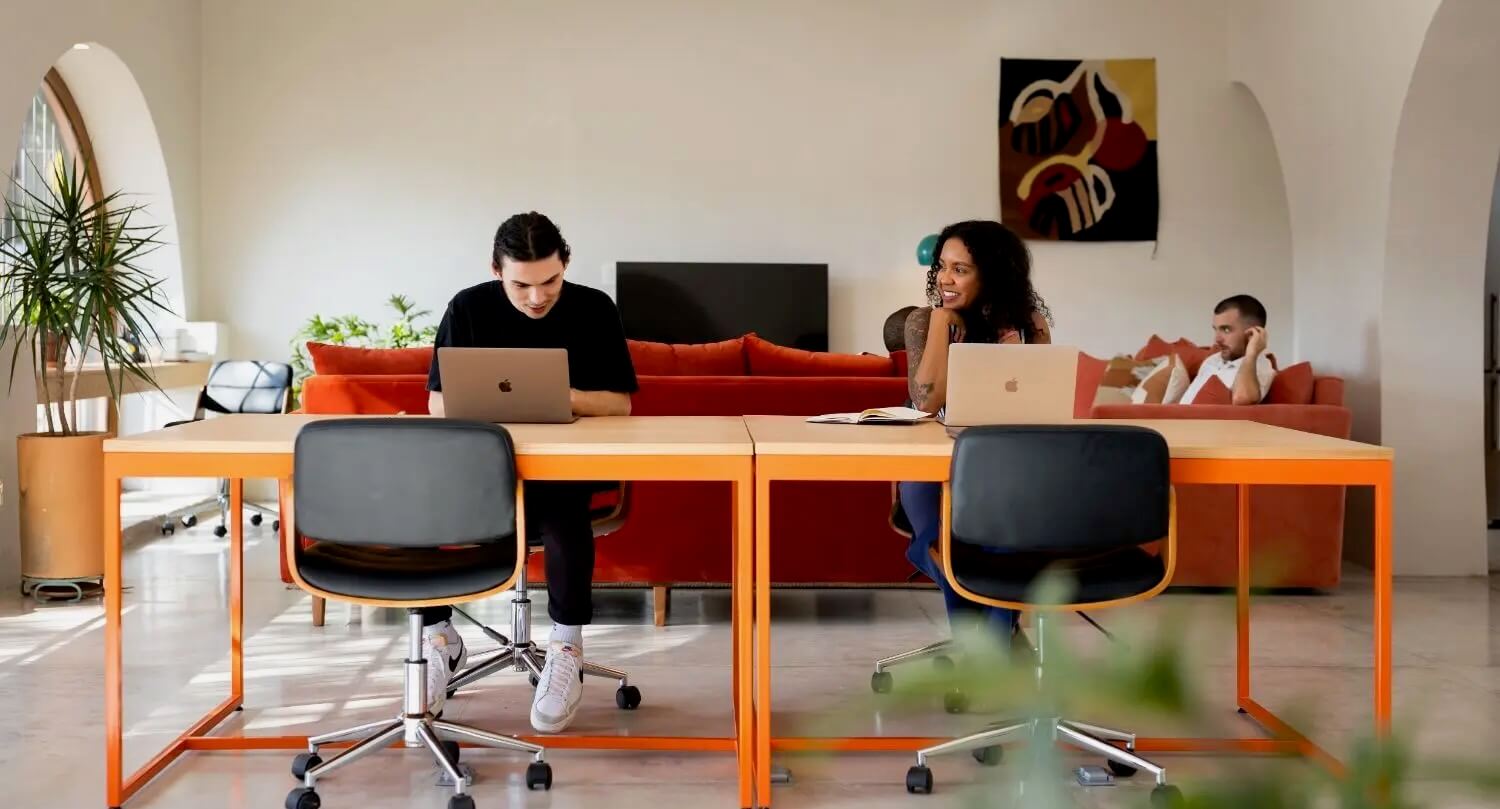
- Dedicated Coworking Zones: Purpose-built office spaces featuring ergonomic chairs, multi-monitor setups, and noise-dampening materials.
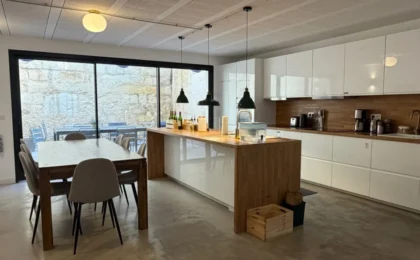
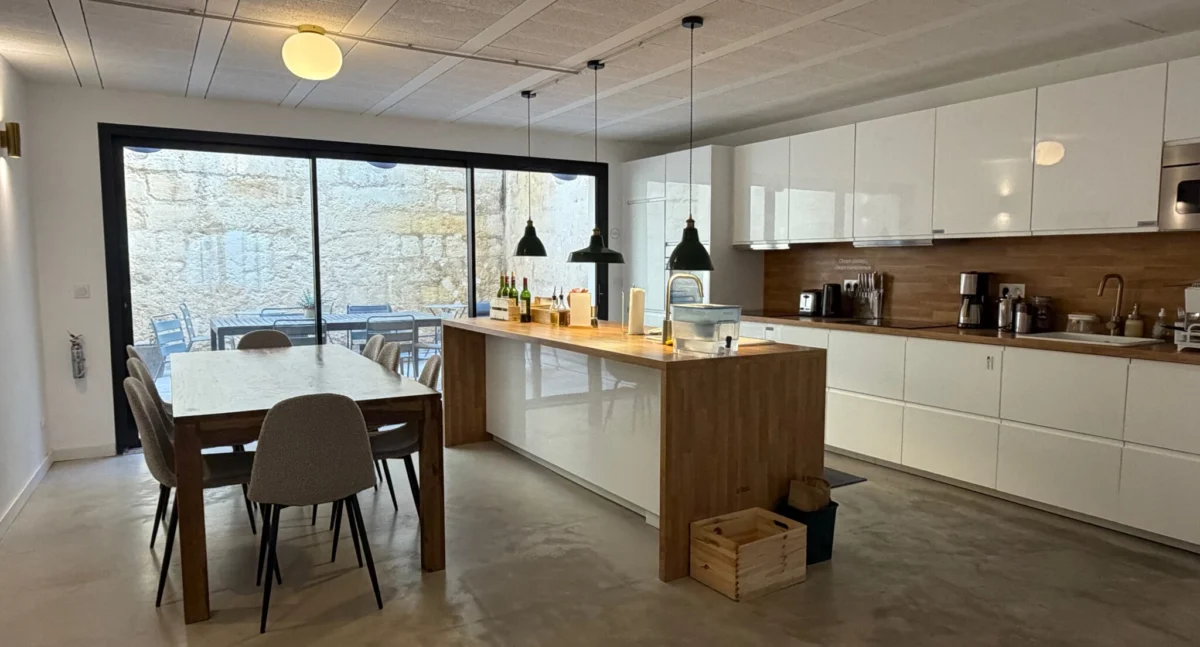
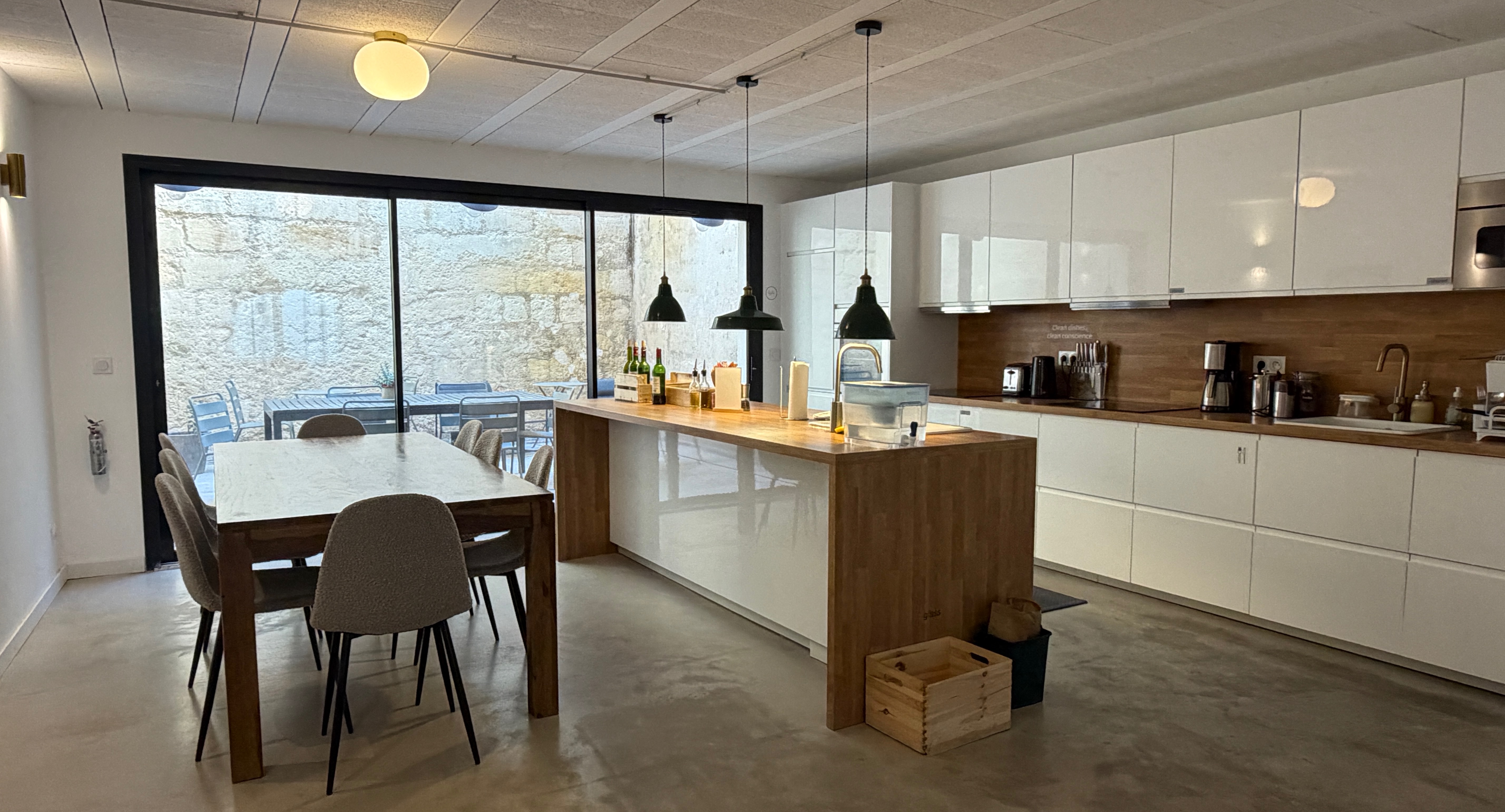
- Communal Kitchens: Fully stocked, professional-grade kitchens that facilitate meal-sharing, which serves as a primary social anchor for residents.
This design philosophy moves away from the “sterile corporate hotel” aesthetic, opting instead for spaces that feel like a high-end, shared residence—a home away from home that removes the friction of daily logistics.
Community Curation
Perhaps the most significant differentiator between Outsite and a standard vacation rental is the presence of a dedicated Community Manager. In an era where remote work has been cited as a primary driver of loneliness among professionals, the social aspect is not merely a perk; it is a service.
Community Managers facilitate WhatsApp groups, host family-style dinners, organize weekend excursions, and curate morning wellness sessions. This structure allows travelers to bypass the "introductory phase" of meeting new people, plugging them immediately into a network of peers—entrepreneurs, software developers, and creatives—who share similar professional challenges.
Economic and Strategic Implications
For the skeptical traveler, the cost of an Outsite membership ($199 annually or $499 for lifetime access) may seem like an unnecessary expense. However, when viewed through a total cost-of-ownership lens, the numbers shift.
The Cost-Benefit Analysis
If one were to book an independent Airbnb in a major city, the costs of a monthly coworking pass, reliable high-speed internet upgrades, and the occasional loss of productivity due to poor environmental conditions often exceed the price of an Outsite stay.
Outsite’s membership benefits provide tangible financial leverage:
- Discounted Rates: Members receive significant nightly rate reductions.
- Extended Stay Incentives: Up to 40% off for long-term bookings.
- Flash Sales: Access to half-price promotions for specific locations.
- Free Trial Access: One week of free access in new, emerging destinations.
By consolidating these costs, the platform effectively lowers the barrier to entry for long-term travel while maintaining a high standard of living.
Navigating the Challenges
Despite its growth, the coliving model is not without its limitations. As the popularity of these spaces surges, availability has become the primary bottleneck.
The “Popularity Tax”
The most sought-after locations—such as Lisbon, Bali, or Costa Rica—often require booking months in advance. For the traveler who prefers spontaneity, this lack of flexibility can be a deterrent.
The Demographic Shift
Unlike the “backpacker” market, which focuses on the 18–24 demographic, Outsite’s clientele primarily consists of working professionals in their late 20s to 40s. This creates a more focused, career-oriented atmosphere, but it also necessitates a set of social norms that might not appeal to those seeking a traditional, late-night party culture.
Regulatory Realities
It is important to note that Outsite is subject to local housing regulations. In major metropolitan hubs like New York City, where short-term rental laws are increasingly stringent, Outsite often mandates 30-day minimum stays. This reinforces the brand’s focus on the “mid-term” nomad rather than the weekend tourist.
Official Perspectives: The Future of Distributed Teams
Industry experts suggest that platforms like Outsite are becoming essential infrastructure for companies embracing “remote-first” policies. As businesses decouple work from physical offices, the burden of providing a professional workspace shifts from the employer to the employee.
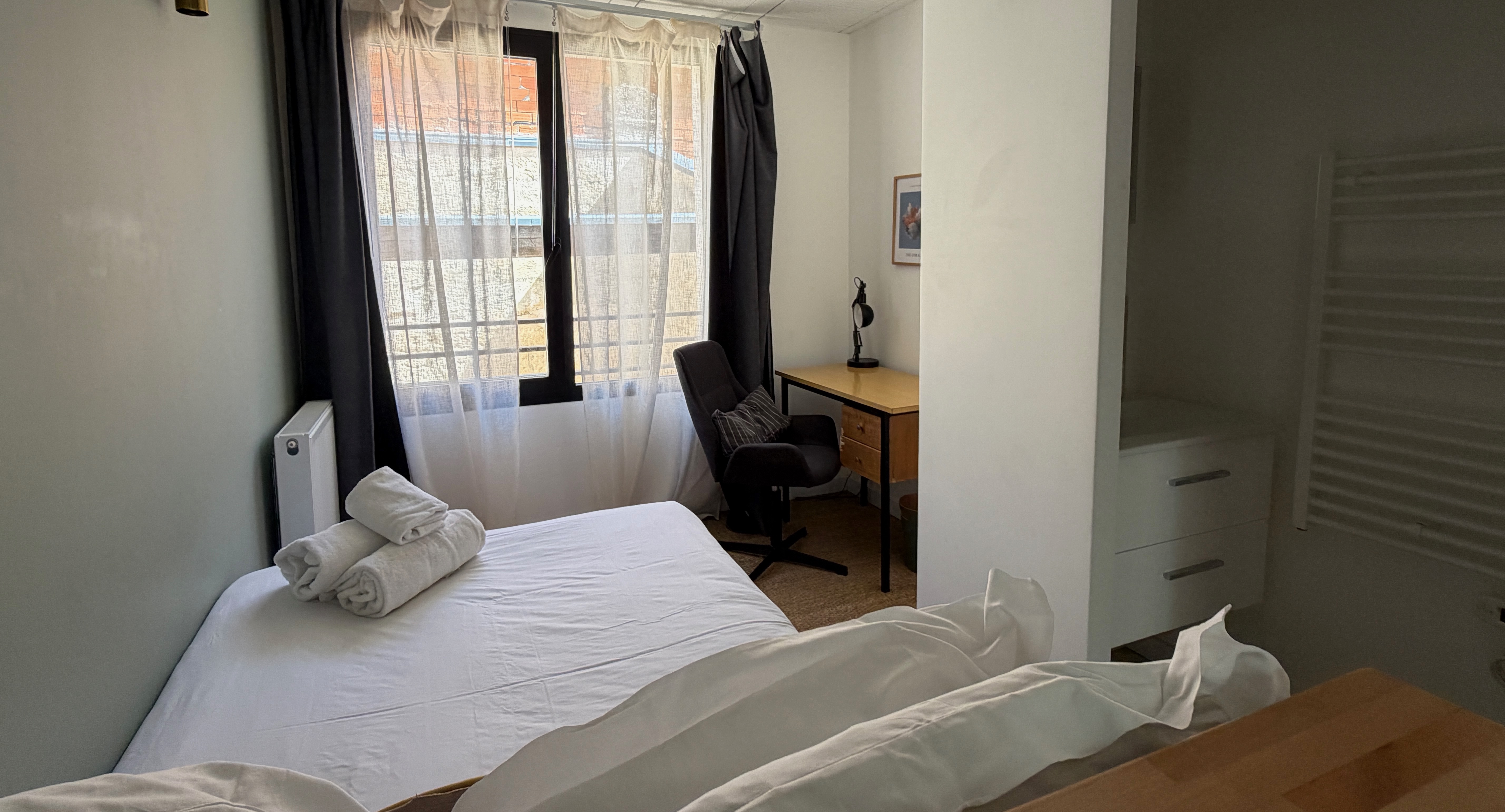
Outsite provides a “turnkey” solution for this transition. By vetting their locations for Wi-Fi reliability and ergonomic standards, they provide a level of predictability that is otherwise impossible to find in the fragmented vacation rental market.
"We aren’t just selling a bed," noted a company spokesperson in recent industry discourse. "We are selling the environment, the network, and the peace of mind required to sustain a professional career while exploring the world."
Conclusion: Finding Your Tribe
The struggle to balance professional output with the desire for global exploration is a central tension of the modern era. For the digital nomad, the goal is to reach a state of “sustainable travel”—a lifestyle that can be maintained for years without burnout or professional stagnation.
Platforms like Outsite offer more than just a desk and a bed; they offer a community of like-minded individuals who have chosen to reject the traditional office-bound life. While it requires planning and a willingness to trade the unpredictability of solo travel for the structure of a curated community, the result is a significant upgrade in quality of life.
For those ready to move beyond the hostel experience and into a professional, collaborative environment, the path forward is increasingly clear. As the world continues to decentralize, the coliving movement is poised to become the standard for the next generation of global workers. Whether you are a solo entrepreneur or a member of a distributed team, the ability to "plug and play" in a high-quality environment is the ultimate competitive advantage in the new, nomadic economy.