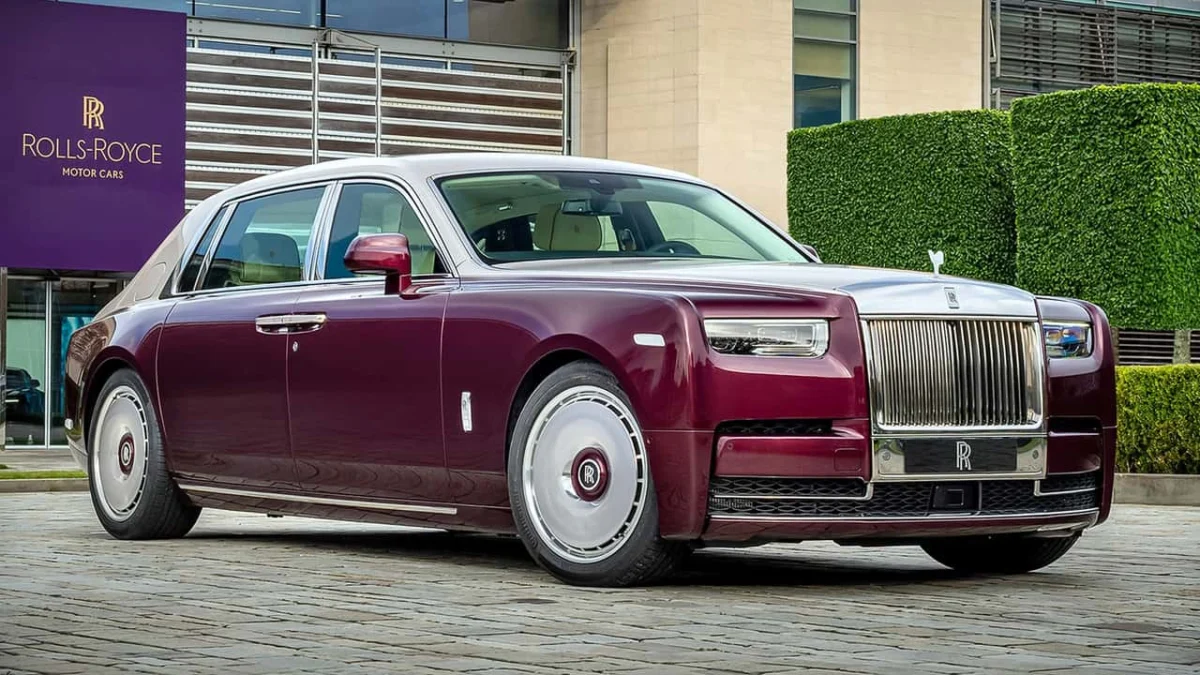
In the rarified atmosphere of Goodwood, where the world’s most exclusive automobiles are brought to life, the definition of "bespoke" is perpetually being redefined. Rolls-Royce has long moved beyond mere leather color choices and veneer selections, entering an era of high art and material science. The latest testament to this evolution is the Phantom Hummingbird—a one-off masterpiece that serves as both a deeply personal tribute and a masterclass in the patience required to tame volatile natural materials.
Commissioned through Private Office Dubai, the vehicle is more than a luxury transport; it is a moving memorial. Created for a client as an evocative tribute to his wife, the Phantom Hummingbird pushes the boundaries of marquetry and interior design, marking the first time in the company’s storied history that abalone shell has been integrated into a cabin’s composition.
The Genesis of the Hummingbird: A Labor of Love
The project, which carries the internal weight of a deeply emotional brief, was designed to encapsulate the memory of the client’s wife. The hummingbird was selected as the central motif—a symbol of joy, resilience, and the capacity to find beauty in fleeting moments.
While a typical Rolls-Royce is a triumph of engineering, the Phantom Hummingbird is an exercise in craftsmanship endurance. The centerpiece of the interior is the application of abalone shell, a material known for its breathtaking iridescence and notoriously difficult physical properties. Unlike traditional wood veneers or mother-of-pearl, abalone is inherently brittle and prone to structural failure when cut.
The process began with nine months of intense research and development. Rolls-Royce artisans had to devise specialized techniques to stabilize and shape the shell without sacrificing its natural, color-shifting luster. The final composition—a delicate dance of light and texture—required 45 hours of meticulous assembly. Each hummingbird motif, located on the picnic tables and the Rear Waterfall panel, is composed of 53 individual pieces of shell, perfectly fitted to ensure that the bird’s wings appear to flutter and catch the light as occupants shift in their seats. A companion botanical arrangement, featuring the flowers the bird visits, consists of an additional 84 pieces, creating a cohesive, immersive narrative within the cabin.
Chronology of Craft: From Concept to Completion
The journey of the Phantom Hummingbird follows a rigorous, multi-stage process that highlights why Rolls-Royce remains the industry leader in hyper-personalization:
- The Conceptual Brief (Early 2025): The client approaches Private Office Dubai with the vision of a vehicle that honors his wife. The design language is established, focusing on the hummingbird motif as a symbol of grace and light.
- Material Sourcing and Stabilization (Months 1–9): Artisans conduct extensive testing on abalone shell. The primary challenge is the material’s brittleness. New laser-cutting and hand-setting techniques are developed to preserve the shell’s structural integrity while maximizing its light-refracting properties.
- The Artistic Composition (Final 45 Hours): Once the material is mastered, the assembly begins. Master craftspeople spend nearly two days straight fitting the 137 individual pieces of shell across the picnic tables and the rear cabin interface.
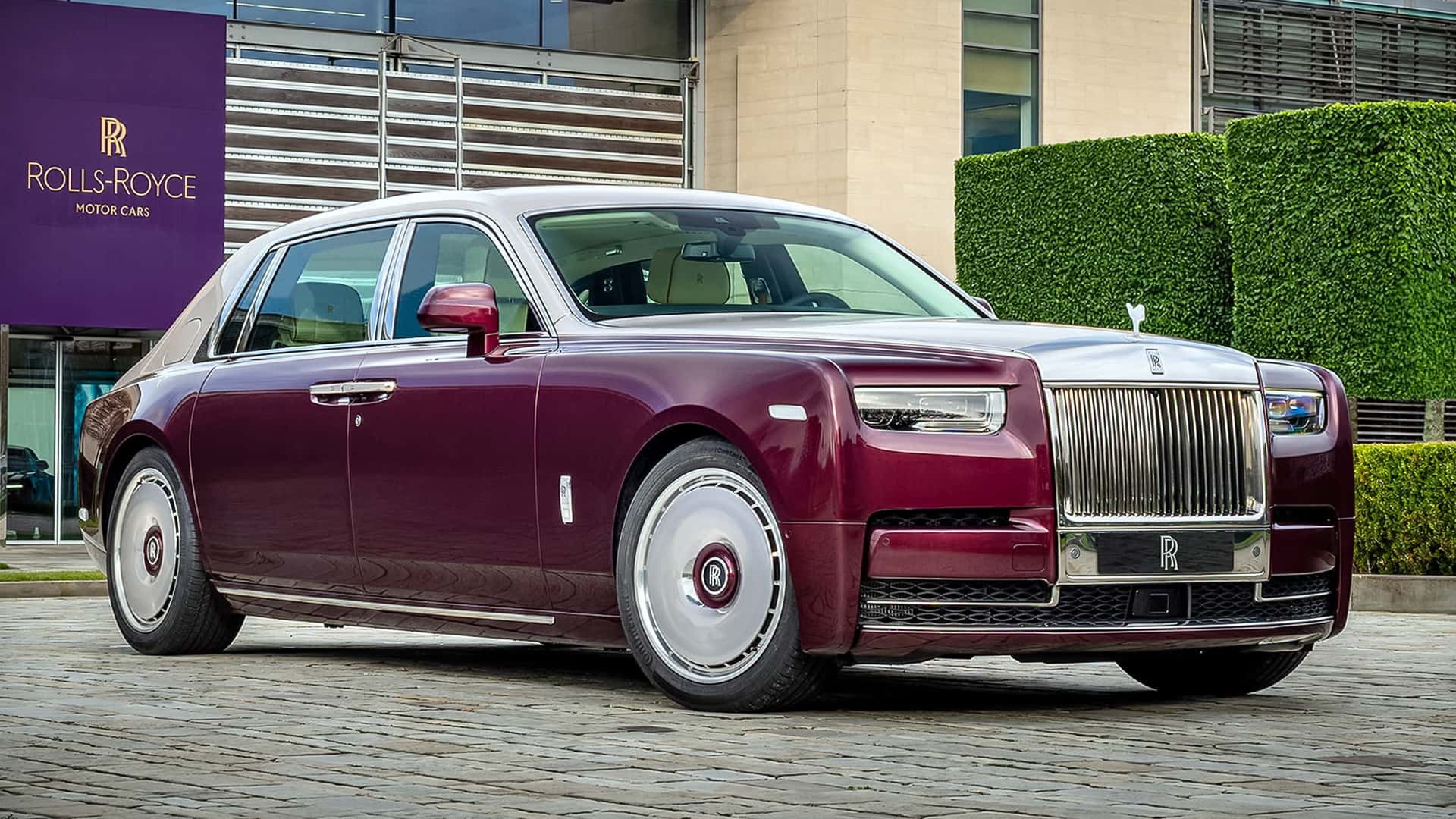
- Exterior Integration: The paint team develops a bi-tone exterior finish—Wildberry and White Sands—to mirror the iridescence of the interior. A hand-painted hummingbird graphic is applied, bridging the gap between the vehicle’s exterior presence and its interior sanctuary.
- Final Assembly: The car, built upon the Phantom Extended platform (stretching 235.5 inches), undergoes final quality checks, ensuring that every piece of marquetry functions in harmony with the hand-stitched leather and the signature Starlight Headliner.
Supporting Data: The Mechanics of the Phantom
The Phantom Hummingbird is built on the Rolls-Royce Phantom Extended platform. While the artistic additions are the story, the underlying machine remains an apex of automotive engineering:
- Dimensions: A wheelbase of 148.5 inches provides the necessary canvas for the elaborate rear-cabin marquetry.
- Base Pricing: A standard Phantom Extended begins at approximately $600,000. The cost of this specific commission, given the 45-hour assembly for the marquetry alone, places it in a valuation tier reserved for the most elite collections globally.
- Material Complexity: By incorporating 137 individual pieces of abalone, the project sets a new benchmark for material density in modern automotive interiors.
Official Perspectives: The Philosophy of Goodwood
Rolls-Royce views these one-off commissions not merely as profit centers, but as "live labs" for future innovations. When a client requests the impossible, the artisans at Goodwood are forced to innovate. Techniques developed for the Hummingbird—specifically the handling of brittle, iridescent shell—now form part of the "Goodwood Knowledge Bank."
"These commissions allow us to test techniques that would never clear a standard business case," notes the design team. "What starts as a single client’s whim eventually evolves into a repository of expertise." This philosophy mirrors the brand’s work on previous one-offs, such as the Project Nightingale Phantom, which pushed the boundaries of interior ambient lighting and material layering. By investing thousands of hours into these bespoke requests, Rolls-Royce ensures that the brand remains at the vanguard of what is physically and aesthetically possible in a passenger vehicle.
The Broader Landscape: Nature-Derived Luxury
The Hummingbird is not an isolated experiment. There is a broader trend in high-end automotive design toward "nature-derived effects." Land Rover recently explored this with its Range Rover SV Pearl Lustre paint, which utilizes the same instinct to bring the chaotic, beautiful irregularities of the natural world into a mass-produced, high-end environment.
However, where other manufacturers use paints or surface treatments to simulate these effects, Rolls-Royce uses the actual material. By integrating raw abalone, they invite a level of inconsistency that is usually anathema to automotive manufacturing. Because no two shells are identical, every Phantom Hummingbird is fundamentally impossible to replicate. This "intentional inconsistency" is becoming the ultimate status symbol in a world of standardized luxury.
Implications for the Future of Bespoke Manufacturing
The success of the Phantom Hummingbird carries several implications for the future of the ultra-luxury segment:
The Shift Toward Narrative-Driven Design
The industry is moving away from "spec-sheet" luxury (where the value is defined by horsepower or trim levels) toward "narrative-driven" design. The Hummingbird is an emotional vessel. It proves that the most valuable car in the world is not necessarily the fastest, but the one that tells the most compelling, personal story.
The Rise of the "Private Office"
The role of Private Office Dubai in this commission signals a change in how luxury brands interact with their clients. By removing the traditional dealer-customer barrier, Rolls-Royce allows for a collaborative process that feels more like a patronage of the arts than a retail transaction. This proximity to the artisans is becoming the new standard for the ultra-high-net-worth segment.
The "Laboratory" Model of Production
Expect more manufacturers to follow the Rolls-Royce model of utilizing one-off projects as research vehicles. When a client funds the nine-month research phase for a new material application, the manufacturer gains a proprietary skill set. This R&D-by-commission model allows for innovation at a speed and depth that traditional corporate R&D budgets rarely support.
Conclusion: A Symphony of Shell and Steel
The Rolls-Royce Phantom Hummingbird is a quiet but powerful reminder of the human element in an increasingly automated world. While the automotive industry races toward electrification and autonomous driving, projects like this serve as a grounding force, reminding us that there is still a place for the slow, painstaking, and deeply human art of creation.
By choosing to work with a material as difficult as abalone, Rolls-Royce has done more than just create a beautiful car. They have pushed their own artisans to rethink the limits of their tools, their patience, and their creativity. The hummingbird, in its stillness, captures a moment of beauty that will endure long after the trends of the current automotive era have faded. It is a testament to the fact that when you give an artisan the time to master a material, the result is not just a machine—it is a legacy.