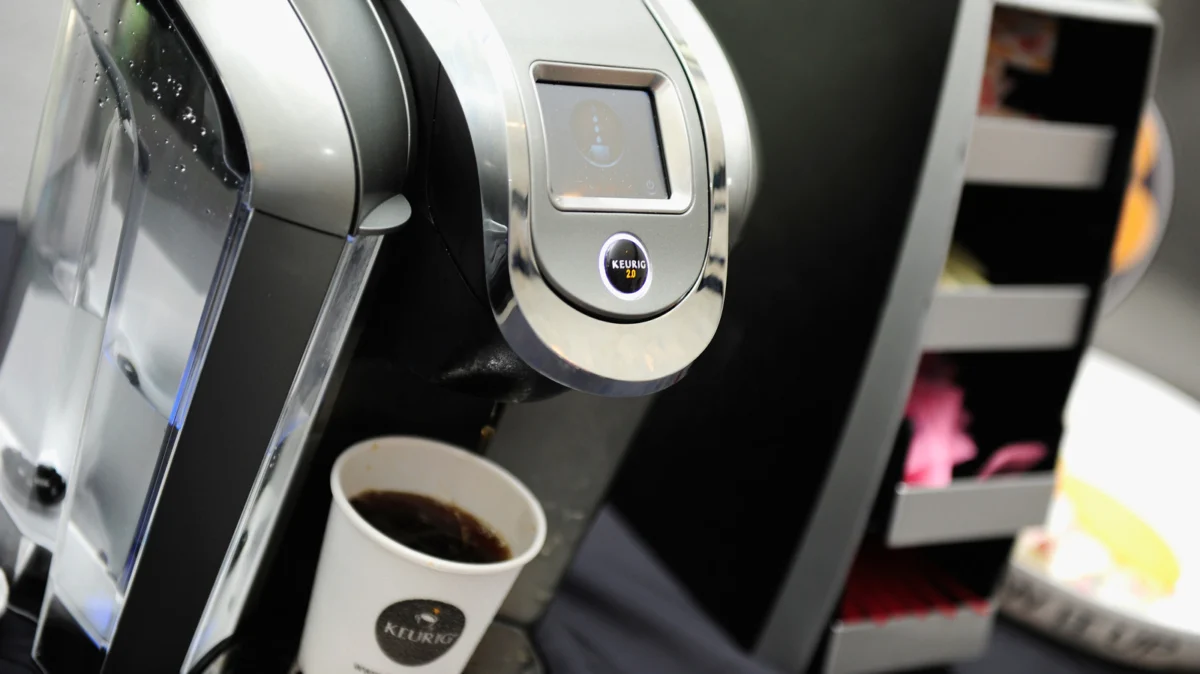
For millions of Americans, the morning routine is inextricably linked to the hum and hiss of a Keurig coffee maker. Since its debut over three decades ago, the single-serve brewing system has revolutionized home caffeine consumption, becoming a staple in roughly 40 million U.S. households. Yet, as these machines become ubiquitous, a recurring frustration plagues consumers: the inevitable breakdown.
When a Keurig begins to sputter, fail to dispense, or simply refuse to power on, owners are faced with a classic modern dilemma—is it more economical to attempt a repair, or should the machine be relegated to the landfill in favor of a newer model?
Main Facts: The Disposable Culture of Home Appliances
The modern kitchen is filled with "convenience" appliances that were never designed for longevity. Keurig machines, while convenient, occupy a peculiar space in the consumer market. They are complex enough to require precision components like water pumps, heating elements, and electronic sensors, yet they are priced as accessible, entry-level household items.
According to Matt Woodburn-Simmonds, a professional barista and the founder of Home Coffee Expert, the decision to repair or replace is rarely binary. "There are a few pretty common issues with Keurig machines that are very easy to fix," Woodburn-Simmonds explains. "Depending on how your Keurig has stopped working, there are usually a few easy fixes you can try to see if it’s an easily sorted problem that requires no expertise or replacement parts."
The core issue, however, lies in the manufacturer’s design philosophy. Unlike commercial-grade brewing equipment, home-line Keurigs are generally built as closed systems. Replacement parts are not widely sold to the public, and internal components are often glued or heat-sealed rather than screwed together, making professional repair a non-viable financial proposition for the average consumer.
Chronology of a Breakdown: Identifying the Warning Signs
To understand the lifecycle of a Keurig, one must look at the typical "death spiral" of the device.
Phase 1: The Minor Glitches (Months 0–24)
In the first two years of operation, most issues are related to maintenance rather than mechanical failure. These include mineral buildup from hard water (scale), clogged needles from coffee grounds, or sensor errors. These issues are almost always rectifiable through routine cleaning or troubleshooting.
Phase 2: The Performance Decline (Months 24–48)
As the machine approaches the end of its three-to-five-year average lifespan, the internal components—specifically the heating element and the water pump—begin to show signs of fatigue. You may notice slower brew times, inconsistent water temperatures, or increased noise levels.
Phase 3: Terminal Failure (Year 5 and beyond)
Once a machine reaches the five-year mark, the probability of a catastrophic failure, such as a leaking internal reservoir or a blown heating element, increases significantly. At this stage, the cost of parts and labor—if a technician could even be found—would invariably exceed the cost of purchasing a brand-new unit.
Supporting Data: Why "Repair" is Often a Myth
The economic reality of appliance repair in the 21st century is grim. For a repair to make financial sense, the cost of the fix must be significantly lower than the cost of a replacement, and the expected remaining life of the machine must be extended by a reasonable margin.
The Cost-Benefit Analysis
- The Cost of Parts: For a Keurig, genuine replacement parts are difficult to source. Third-party components found on secondary marketplaces are often of dubious quality and may not be compatible with newer firmware versions of the machines.
- The "Technician Tax": If you were to hire an appliance technician to open a Keurig, the diagnostic fee alone would likely equal the cost of a brand-new, mid-tier Keurig model (typically priced between $80 and $150).
- The Warranty Barrier: Keurig’s official warranty covers manufacturing defects for one year. However, this coverage is conditional. The company explicitly voids the warranty if the consumer uses non-Keurig branded pods or if the machine is serviced by an unauthorized third party. This policy effectively forces consumers into the Keurig ecosystem, discouraging any independent repair attempts while the machine is under warranty.
Official Responses and Manufacturer Policy
Keurig Dr Pepper, the parent company, maintains a firm stance on the maintenance of its products. Their official guidance emphasizes the importance of using authorized cleaning solutions (such as their proprietary descaling solution) and adhering to the provided manual.
The company’s position is that their machines are precision instruments that require specific conditions to function correctly. By linking the warranty to the use of "official" pods and maintenance supplies, the company maintains strict control over the machine’s operational environment. When a machine fails outside of the warranty window, the company’s customer service representatives typically offer a discount code for a new machine rather than repair services, signaling that the corporate strategy is centered on replacement cycles rather than product longevity.
DIY Troubleshooting: What You Can Fix at Home
Before declaring your Keurig "dead," Woodburn-Simmonds suggests several "no-cost" interventions that can revive a machine stuck in a malfunction loop.
1. The Clogged Needle Syndrome
If your machine produces a weak stream or stops mid-brew, the culprit is almost always the exit needle. Fine coffee grounds can accumulate, causing backpressure that shuts down the pump.
- The Fix: Unplug the machine. Use a straightened paperclip or a thin sewing needle to gently clear the debris from the needle’s tip.
2. Sensor Malfunctions
If your machine displays an "Add Water" light despite a full reservoir, it is likely a sensor misalignment.
- The Fix: Remove the water tank and inspect the magnetic float. If it is stuck due to mineral buildup, give it a thorough cleaning. Ensure the tank is firmly seated to trigger the magnetic base sensor.
3. Air Bubbles
"There may be air bubbles in the lines causing blockages," Woodburn-Simmonds notes. "Unplugging your Keurig and gently tapping the sides can help jar these free." This simple, non-invasive technique is often the difference between a functional machine and a trip to the trash bin.
The Broader Implications: Environmental and Economic Concerns
The "repair or replace" debate is a microcosm of a larger environmental crisis. The ubiquity of single-serve coffee machines has led to massive amounts of electronic waste. Most Keurigs contain a mix of plastics, metals, and electronic circuit boards that are notoriously difficult to recycle in municipal streams.
Furthermore, Woodburn-Simmonds points to the inherent flaws in the single-serve model itself. He argues that beyond the mechanical issues, consumers should reconsider the format entirely. "I don’t recommend buying single-serve coffee machines," he says, citing two primary reasons: the quality of the brew—which is often inferior to traditional pour-over or French press methods—and the environmental impact of the massive volume of plastic and aluminum pods generated by daily use.
The Verdict: When to Walk Away
The rule of thumb for Keurig owners is simple: If the machine is under two years old and is experiencing a simple flow or sensor issue, try the DIY fixes mentioned above. If the machine is over two years old and suffers from an internal heating or pump failure, the most logical path is to recycle the machine (if possible) and consider a different, more sustainable brewing method.
In an era where appliances are built for the short term, the smartest consumer decision is often to break the cycle of dependency on short-lived electronics. While the Keurig remains a titan of the morning routine, its long-term viability—both in your kitchen and in the global ecosystem—is increasingly being questioned by experts and consumers alike.