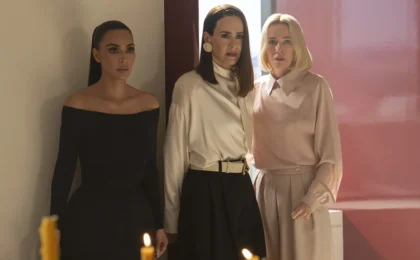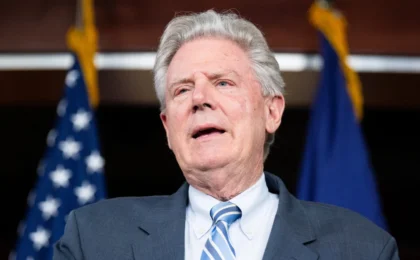
In a high-profile public appeal that has reignited the cultural debate surrounding the legacy of Hugh Hefner, Crystal Harris—the widow of the late Playboy founder—has issued a direct call to actress Jessica Biel. Harris is urging the star to reconsider her participation in the upcoming Searchlight Pictures project, Playmates, citing concerns that the film may inadvertently sanitize or romanticize the environment of the Playboy Mansion, which Harris has characterized as a site of profound abuse.
The casting of Biel to portray a fictionalized version of Hefner’s wife has thrust the film, written and directed by Lorraine Nicholson, into the center of a volatile discourse regarding historical revisionism, the ethics of biographical filmmaking, and the ongoing movement to amplify the voices of women who survived the Playboy empire.
The Call to Reconsider: A Plea for Accountability
The controversy erupted following the official announcement of the cast for Playmates. Shortly thereafter, Crystal Harris took to Instagram to address Biel directly, leveraging her platform to confront the project’s narrative direction.
“Please reconsider playing Hugh Hefner’s wife if this film intends to romanticize him or the Playboy world,” Harris wrote in a poignant message to her followers. “I was actually his wife, and I experienced sexual, emotional, financial, and physical abuse in that relationship.”
Harris’s intervention is not merely a critique of a casting choice; it is a fundamental challenge to the entertainment industry’s tendency to repackage the Playboy brand through a lens of 1970s and 80s nostalgia. By invoking her own trauma, Harris is positioning the film’s production as a moral test for those involved, demanding that the creators weigh the glamour of the aesthetic against the documented realities of the women who inhabited that space.
A Chronology of the Playboy Reckoning
To understand the weight of Harris’s request, one must look at the timeline of the shifting public perception of Hugh Hefner and his magazine.
- 1953–2017: Hugh Hefner presides over the Playboy empire, a cultural juggernaut that positioned him as a champion of sexual liberation. For decades, the Mansion was seen as the epicenter of elite social life.
- September 2017: Hugh Hefner dies at age 91. The immediate aftermath sees a wave of tributes, though the cracks in the pristine image begin to show as former Playmates share varying accounts of their time in the inner circle.
- 2022: The A&E docuseries Secrets of Playboy brings the discourse to a boiling point, featuring testimony from former insiders who alleged a culture of manipulation, drug use, and exploitation.
- 2024: Crystal Harris releases her memoir, Only Say Good Things: Surviving Playboy and Finding Myself. The book provides a harrowing, granular look at the “toxic” reality of life at the Mansion, detailing the psychological and physical toll of her marriage.
- 2025/2026: Searchlight Pictures announces the development of Playmates, written and directed by Lorraine Nicholson. The project is unveiled to feature Bill Pullman as Hefner, with Lily-Rose Depp and Indiana Elle in lead roles.
The Narrative Conflict: Playmates and the Mansion
The film Playmates reportedly centers on a narrative set within the orbit of the Mansion. According to the current synopsis, the story follows “Elle,” a 13-year-old girl who views the estate as a second home, and her burgeoning friendship with “Anna” (Depp), a young woman competing for the title of Playmate of the Month.
The project is helmed by Lorraine Nicholson, who has previously written about her own childhood experiences at the Playboy Mansion. While the film’s creators may intend for it to be a coming-of-age story or a period piece exploring the complexities of female friendship, the inclusion of a minor in a story centered on the Playboy environment has already sparked alarm.
Harris’s critique extends beyond her own experiences. “Many other women have come forward with allegations of rape, coercion, drugging, and exploitation as well,” she noted in her public statement. “There are also deeply troubling concerns involving minors. I hope everyone involved in this film takes the time to listen to the women who lived it before helping Hollywood turn it back into nostalgia.”
The Burden of Representation: Why Jessica Biel?
The choice to target Jessica Biel for this appeal is strategic. As an A-list actress with a significant public profile, Biel’s involvement provides a level of legitimacy to any project she attaches her name to. By asking her to withdraw, Harris is attempting to strip the film of its commercial credibility, arguing that the “Playboy brand” carries too much historical baggage for it to be treated as lighthearted drama.
Historically, Hollywood has often engaged in "myth-making" regarding powerful men. In the past, the Playboy aesthetic—the silk robes, the pipe, the curated parties—was frequently used as shorthand for sophistication. Harris’s protest reflects a modern demand for historical accuracy, where the internal, lived experiences of victims are given equal weight to the external, curated image of the perpetrator.
Implications for the Film Industry
The backlash to Playmates highlights a broader shift in how the industry approaches biographical content. Audiences and survivors are increasingly intolerant of “whitewashed” portrayals of controversial figures.
The Ethical Quandary
If Playmates proceeds as planned, the studio faces the prospect of a prolonged PR battle. If the film fails to address the allegations of abuse that defined the later years of the Playboy era, it risks being labeled as exploitative itself. Conversely, if the film does address these issues, it may find itself in a precarious position, attempting to balance a coming-of-age narrative with the grim realities of sexual exploitation.
The Power of the Memoir
The influence of Harris’s 2024 memoir cannot be overstated. By writing her own narrative, Harris has transitioned from a figure defined by her association with Hefner to an author and advocate who controls her own story. Her memoir provides the foundational evidence for her current protest, making it difficult for the film’s producers to claim that the “toxic” nature of the Mansion was merely rumor.
The Role of the Director
Lorraine Nicholson finds herself in a unique position. As someone who spent time at the Mansion as a child, she is arguably writing from a place of personal memory. However, this also makes her project deeply sensitive. The question of whether one can separate their own childhood nostalgia from the systemic harm alleged by others is at the heart of this controversy.
Looking Ahead: A Call for Consultation
As of this writing, there has been no official statement from Jessica Biel or the production team at Searchlight Pictures regarding Harris’s request. However, the pressure is mounting.
Industry analysts suggest that the studio may need to engage in a formal consultation process with survivors of the Playboy Mansion to ensure the film does not inadvertently cross the line into trivializing abuse. This could involve adjustments to the script, the inclusion of sensitivity readers, or a shift in the marketing strategy to ensure the film is not framed as a “nostalgic” look at the Playboy era.
The episode serves as a stark reminder that the “archives” of the 20th century are no longer static. As women like Crystal Harris reclaim their narratives, the stories we tell about the past must evolve to incorporate the voices that were previously silenced.
For Hollywood, the lesson is clear: nostalgia is a volatile currency. When it comes to figures like Hugh Hefner, whose legacy is inextricably linked to the suffering of the women he surrounded himself with, the audience is no longer willing to accept the fantasy. They are demanding the truth—and they are looking to the stars of these projects to lead the way in choosing which stories are worth telling, and at what cost.
Whether Jessica Biel will heed the call to reconsider remains to be seen. But regardless of the outcome, the conversation surrounding Playmates has fundamentally changed, shifting from a story about a film production to a litmus test for the industry’s commitment to accountability in the post-MeToo era.