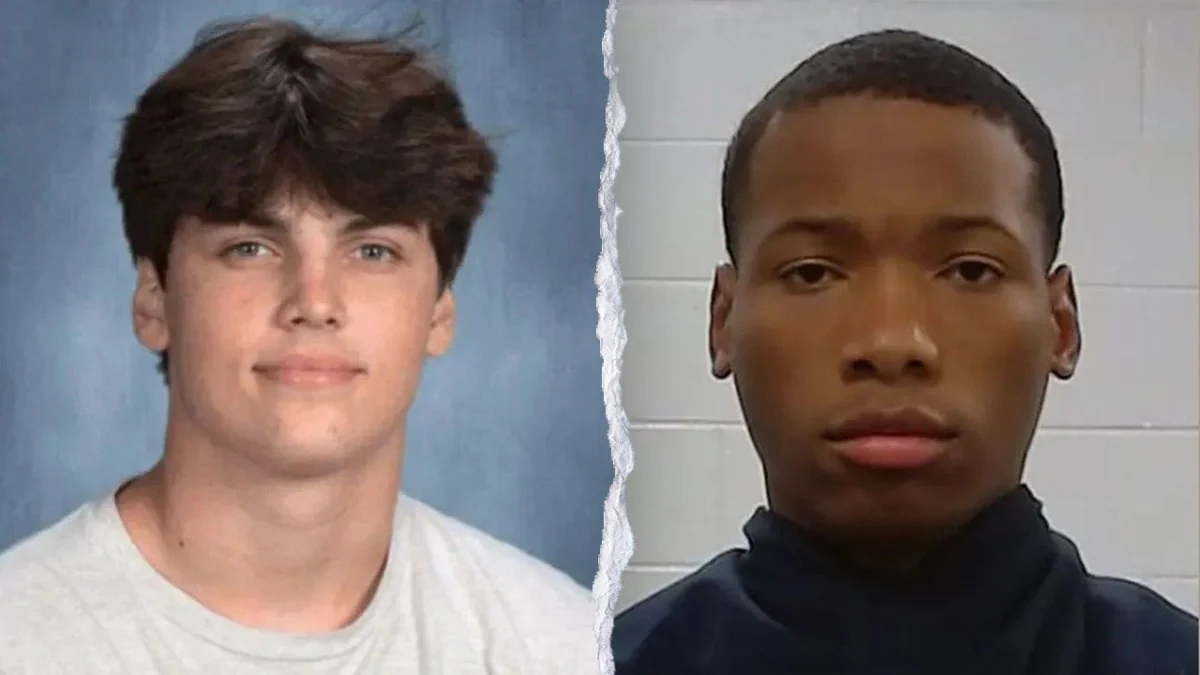
MCKINNEY, Texas — A Texas judge has denied a motion for a new trial for Karmelo Anthony, the teenager convicted of the high-profile stabbing death of a fellow student-athlete at a Frisco track meet.
Retired District Judge Michael Chitty issued the order on Saturday, leaving Anthony’s murder conviction and 35-year prison sentence fully intact. The ruling follows an intense, two-day evidentiary hearing in McKinney, Texas, where Anthony’s defense team argued that a series of constitutional violations, courtroom restrictions, and a collapsed unwritten agreement between counsel had deprived the defendant of a fair trial.
While Judge Chitty’s order did not detail the specific legal reasoning behind his decision, the ruling represents a significant victory for the Collin County District Attorney’s Office. For Anthony, 19, the fight now transitions entirely to the state’s appellate courts, where his legal team plans to mount a direct appeal challenging both the trial’s conduct and the post-conviction rulings.
Chronology of the Case: From a High School Track Meet to a 35-Year Sentence
To understand the legal complexities currently surrounding the case, it is necessary to trace the timeline of events that led to Anthony’s conviction and the subsequent battle over his constitutional rights.
[April 2024] Stabbing of Austin Metcalf at Frisco Track Meet -> Anthony Arrested
       |
[June 2025] Murder Trial: Anthony remains silent; convicted and sentenced to 35 years
       |
[Post-Trial] Defense files motion for new trial, alleging constitutional & procedural violations
       |
[Recent Week] Judge John Roach removed by Judge Sid Harle due to questions of impartiality
       |
[Late Week] Two-day evidentiary hearing before retired Judge Michael Chitty
       |
[Saturday] Judge Chitty denies motion for new trial; case moves to direct appeal
The Fatal Confrontation
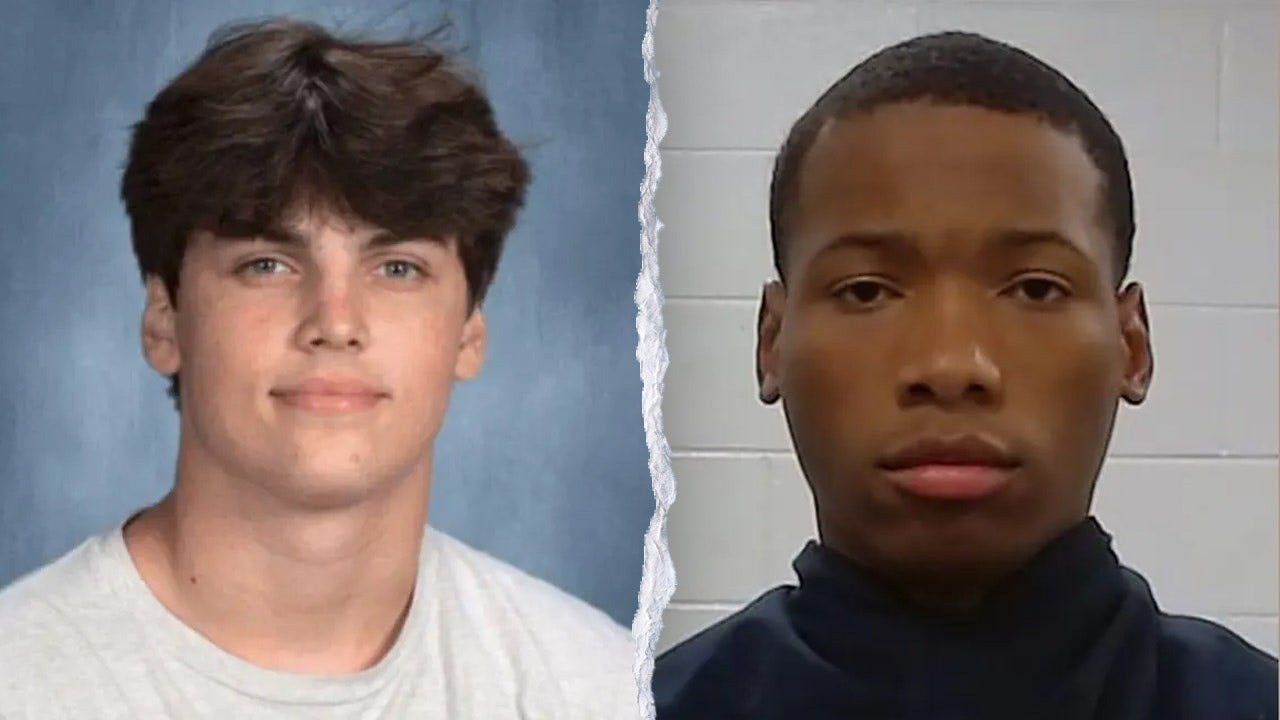
The case began in the spring of 2024 during a track and field meet at a high school stadium in Frisco, Texas. An altercation broke out under a team tent between student-athletes. During the physical confrontation, Austin Metcalf, a 17-year-old junior at Memorial High School, was stabbed in the chest.
Karmelo Anthony, then a 17-year-old student-athlete representing Frisco Centennial High School, was identified as the suspect. Metcalf succumbed to his injuries, and Anthony was subsequently arrested and charged with murder. The incident sent shockwaves through the Dallas-Fort Worth metroplex, drawing national attention to youth violence and safety at high school athletic events.
The Trial and Conviction
Anthony’s trial took place in June before District Judge John Roach. Throughout the trial, the defense maintained that Anthony acted in self-defense during a chaotic, fast-moving physical altercation. However, a key strategic decision defined the proceedings: Anthony did not take the stand to testify in his own defense.
Without the defendant’s personal testimony to contextualize the threat he claimed to have faced, the jury rejected the self-defense claim. The Collin County jury found Anthony guilty of murder and sentenced him to 35 years in the Texas Department of Criminal Justice.
Post-Trial Upheaval and Judicial Removal
Following the verdict, Anthony’s family retained new legal representation to challenge the conviction. The defense filed a motion for a new trial, leveling serious allegations of judicial bias, Sixth Amendment violations, and prosecutorial misconduct.
The post-conviction proceedings took a dramatic turn when Regional Presiding Judge Sid Harle removed the original trial judge, John Roach, from the case. Harle’s decision came after Roach made public statements defending his trial decisions and declaring that the jury "got it right." Harle ruled that a reasonable, objective observer could question Roach’s ongoing impartiality, necessitating the appointment of retired District Judge Michael Chitty to preside over the motion for a new trial.
Supporting Data: The Legal Arguments at the Center of the Hearing
The two-day hearing before Judge Chitty focused heavily on what transpired behind closed doors during the June trial. The defense presented several distinct arguments, the most contentious of which involved a collapsed "gentlemen’s agreement" between the opposing trial teams.
+-----------------------------------------------------------------------------------------+
|                               THE "GENTLEMEN'S AGREEMENT"                               |
+----------------------------------------------------+------------------------------------+
| DEFENSE UNDERSTANDING                              | PROSECUTION UNDERSTANDING          |
+----------------------------------------------------+------------------------------------+
| • Oral agreement to exclude character evidence.     | • Agreement active during case-    |
| • Protected Anthony's right to testify.            |   in-chief only.                   |
| • Allowed testimony on the immediate fight        | • If Anthony testified, the door   |
|   without opening the door to prior bad acts.      |   would open to character evidence.|
+----------------------------------------------------+------------------------------------+
The Unwritten Evidentiary Agreement
At the heart of the defense’s motion was an oral, unwritten agreement established between Anthony’s original trial attorneys, Mike Howard and Toby Shook, and the prosecution team, led by Assistant District Attorney Bill Wirske.
According to testimony from Howard and Shook, both seasoned North Texas defense attorneys, the two sides had agreed to keep highly prejudicial, uncharged character evidence from reaching the jury. For the state, this meant withholding evidence that Metcalf may have had aggressive tendencies. For the defense, it meant keeping out a cache of evidence prosecutors possessed suggesting Anthony had an obsession with knives and had allegedly stalked an ex-girlfriend.
Howard testified that he understood this agreement to protect Anthony’s right to testify. The defense believed Anthony could take the stand, describe the physical confrontation under the tent to support his self-defense claim, and remain protected from cross-examination regarding his alleged past behavior, provided his testimony remained strictly focused on the moments of the stabbing.
The Final-Day Breakdown
On the final day of the trial, as the defense prepared to call Anthony to the stand, prosecutors informed them that the unwritten agreement would not apply if the defendant testified. The state argued that by presenting a self-defense case, the defense had already "opened the door" to character evidence, and that any testimony from Anthony or his mother would allow the state to introduce the damaging evidence regarding knives and stalking.
This revelation triggered a heated, emotional recess. Shook testified that Judge Roach informed both parties he could not enforce an unwritten, oral agreement that was not formally entered into the court record. Left with no guarantee of protection, Anthony’s defense team advised him that taking the stand could expose him to devastating character evidence. Faced with this risk, Anthony chose to remain silent.
To bolster their claim that the state acted strategically to keep Anthony off the stand, the defense introduced a training slide from a Continuing Legal Education (CLE) presentation previously delivered by prosecutor Bill Wirske. The slide, which focused on prosecuting and defending self-defense cases, explicitly advised that a defendant claiming self-defense "(probably) needs to testify." The defense argued that Wirske knew Anthony’s silence would effectively doom his self-defense claim and used the threat of character evidence to force that silence.
Counter-Testimony from the Prosecution
Prosecutor Bill Wirske vigorously disputed the defense’s characterization of the agreement. Wirske testified that the state had no intention of breaking its word but maintained that the two sides had never explicitly discussed what would happen if Anthony took the stand.
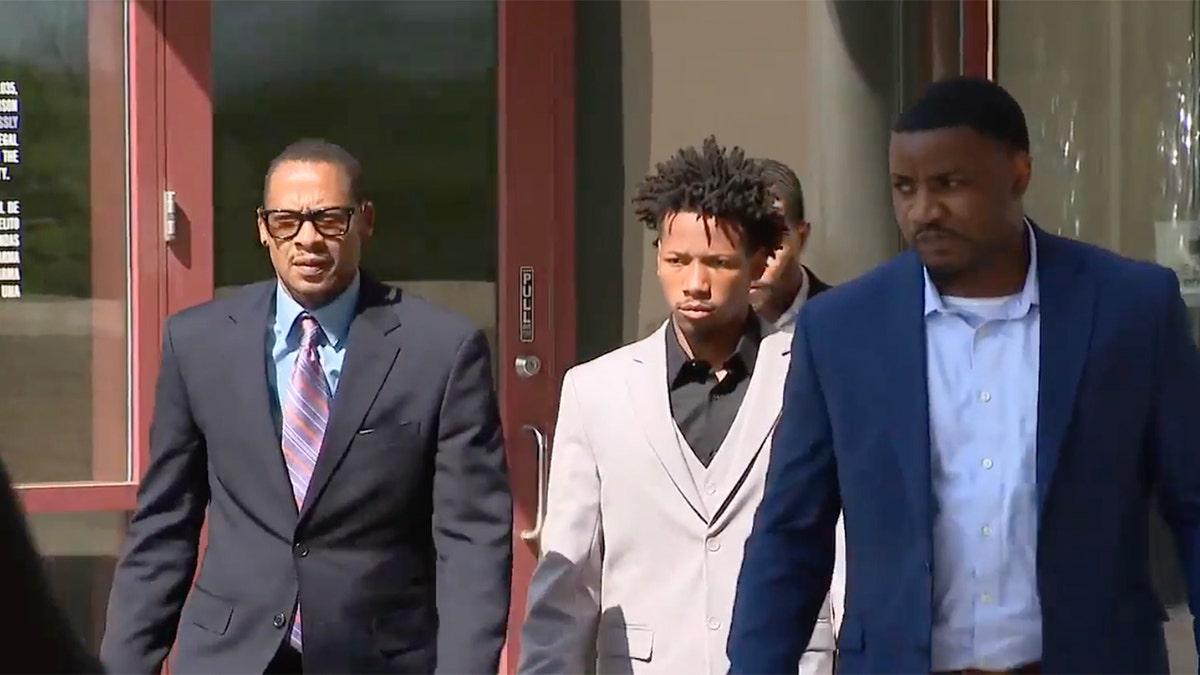
Wirske argued that the state feared Anthony’s testimony would naturally stray into character-establishing territory, which would legally obligate the prosecution to introduce their rebuttal evidence. Howard conceded under cross-examination that the attorneys had never expressly spelled out the terms of the agreement regarding a testifying defendant, and he stated he could not definitively accuse the prosecution of acting in bad faith.
Constitutional and Procedural Claims
Beyond the unwritten agreement, Anthony’s appellate attorneys presented two other core arguments:
- Sixth Amendment Public Trial Violations: The defense argued that Judge Roach’s restrictions on courtroom access—including barring cameras and limiting public seating—violated Anthony’s constitutional right to a public trial.
- Flawed Jury Instructions: The defense contended that the jury instructions issued by Judge Roach improperly limited the jury’s ability to fully consider the legal parameters of self-defense under Texas law.
Official Responses: Statements from the Prosecution and Defense
Following Judge Chitty’s order denying the motion, Collin County District Attorney Greg Willis released a statement expressing satisfaction with the ruling while acknowledging the ongoing nature of the legal process.
"We respect, and expected, the court’s decision denying the motion for a new trial. The jury’s guilty verdict stands, and we remain confident in the process," Willis said. "Every defendant has the right to appeal, and our thoughts and prayers remain with the Metcalf family in the painful wake of last week’s hearing."
Representatives for the Metcalf family have largely remained silent throughout the post-conviction hearings, though supporters of the family have consistently attended the court proceedings, wearing memorial ribbons in honor of the slain 17-year-old.
Anthony’s appellate defense team expressed disappointment with Judge Chitty’s ruling but emphasized that the denial of a motion for a new trial is a common hurdle in the post-conviction process. They confirmed that the arguments raised during the two-day hearing—particularly the issues surrounding the unwritten agreement and the removal of Judge Roach—will serve as the foundation for their upcoming direct appeal to the Fifth Court of Appeals in Dallas.
Implications: The Broad Legal Consequences of the Ruling
The legal battle over Karmelo Anthony’s conviction carries broader implications for criminal law practice, judicial conduct, and the administration of justice in Texas.
1. The Perils of "Gentlemen’s Agreements" in Trial Practice
The collapse of the oral agreement in Anthony’s trial serves as a stark cautionary tale for criminal defense attorneys and prosecutors nationwide. While informal agreements to streamline evidence are common in local courthouses, they lack legal standing unless formally reduced to writing or entered into the official court record under Texas Rule of Civil Procedure 11 (or its criminal equivalents).
This case underscores how relying on unwritten handshakes on critical evidentiary matters can jeopardize a defendant’s constitutional right to testify in their own defense. Legal experts anticipate this ruling will encourage defense attorneys to insist on formal, written stipulations for all future evidentiary agreements.

2. Judicial Conduct and Post-Trial Impartiality
The recusal and subsequent removal of Judge John Roach by Regional Presiding Judge Sid Harle highlights the strict standards governing judicial conduct in Texas. Roach’s public comments defending the jury’s verdict before the motion for a new trial was resolved created a rare procedural scenario where a trial judge was stripped of their authority over their own case.
This development emphasizes that judges must maintain strict neutrality, both in and out of the courtroom, until all post-conviction motions are fully adjudicated.
3. Public Trial Rights and Media Restrictions
The defense’s challenge regarding courtroom-access restrictions touches on an ongoing national debate over transparency in the justice system. Judge Roach had previously defended his decision to bar cameras from the courtroom, calling it "an easy decision" aimed at maintaining order and protecting juvenile witnesses.
However, the defense’s Sixth Amendment claims will force appellate courts to weigh a trial judge’s administrative authority against a defendant’s right to an open, public proceeding.
4. The Path Forward on Direct Appeal
With the motion for a new trial denied, Anthony’s 35-year sentence remains active. The case now moves to the appellate division, where a panel of justices will review the complete trial transcript, the record of Judge Roach’s removal, and the testimony from the two-day hearing before Judge Chitty.
Because Judge Chitty did not issue a detailed memorandum explaining his ruling, the appellate court will conduct a de novo review of the legal questions raised, ensuring that the complex intersection of self-defense law, unwritten agreements, and judicial ethics will remain under intense scrutiny for months to come.