The automotive landscape is shifting, with crossovers, SUVs, and light trucks dominating the American roadways. As the vehicle parc changes, so too must the hardware that connects these machines to the pavement. Firestone, a titan in the tire industry, has officially stepped into this new era with the launch of the Destination LE4. Designed as the successor to the highly successful Destination LE3, the LE4 isn’t merely an iterative update; it represents a comprehensive engineering overhaul aimed at tackling the specific demands of modern, high-riding utility vehicles.
Main Facts: The Anatomy of the Destination LE4
At its core, the Firestone Destination LE4 is an all-season highway tire engineered for longevity, wet-weather confidence, and improved structural integrity. Firestone’s engineering team focused on three primary pillars during the development phase: tread design optimization, carcass reinforcement, and compound consistency.
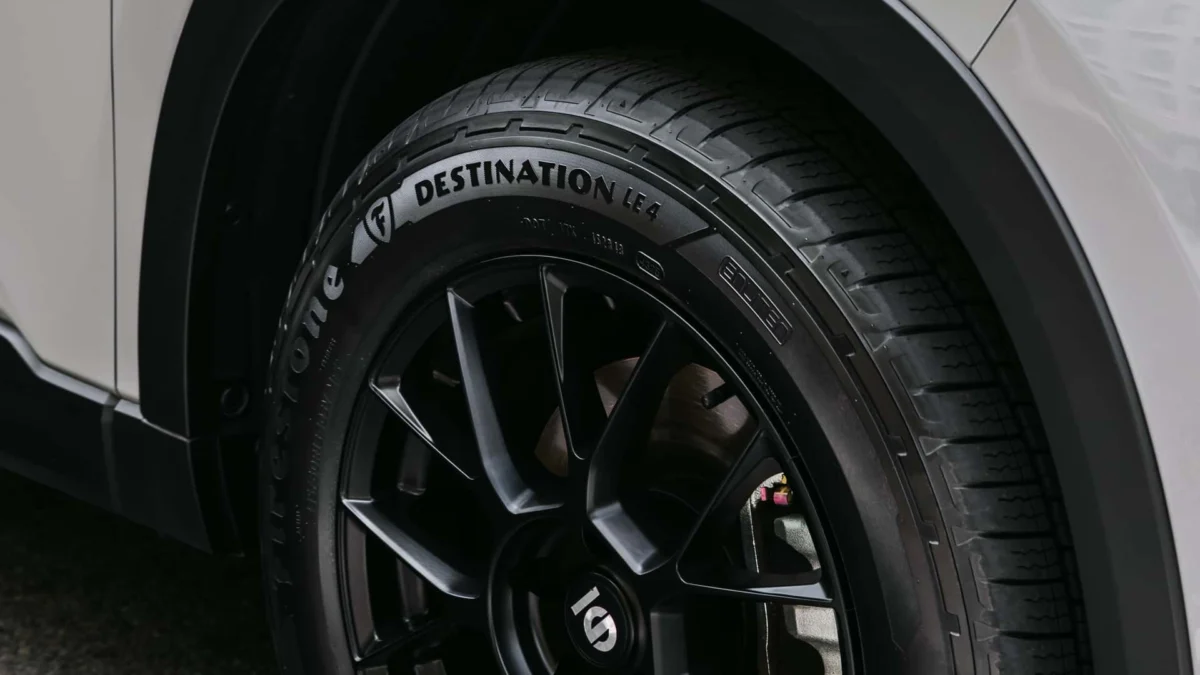
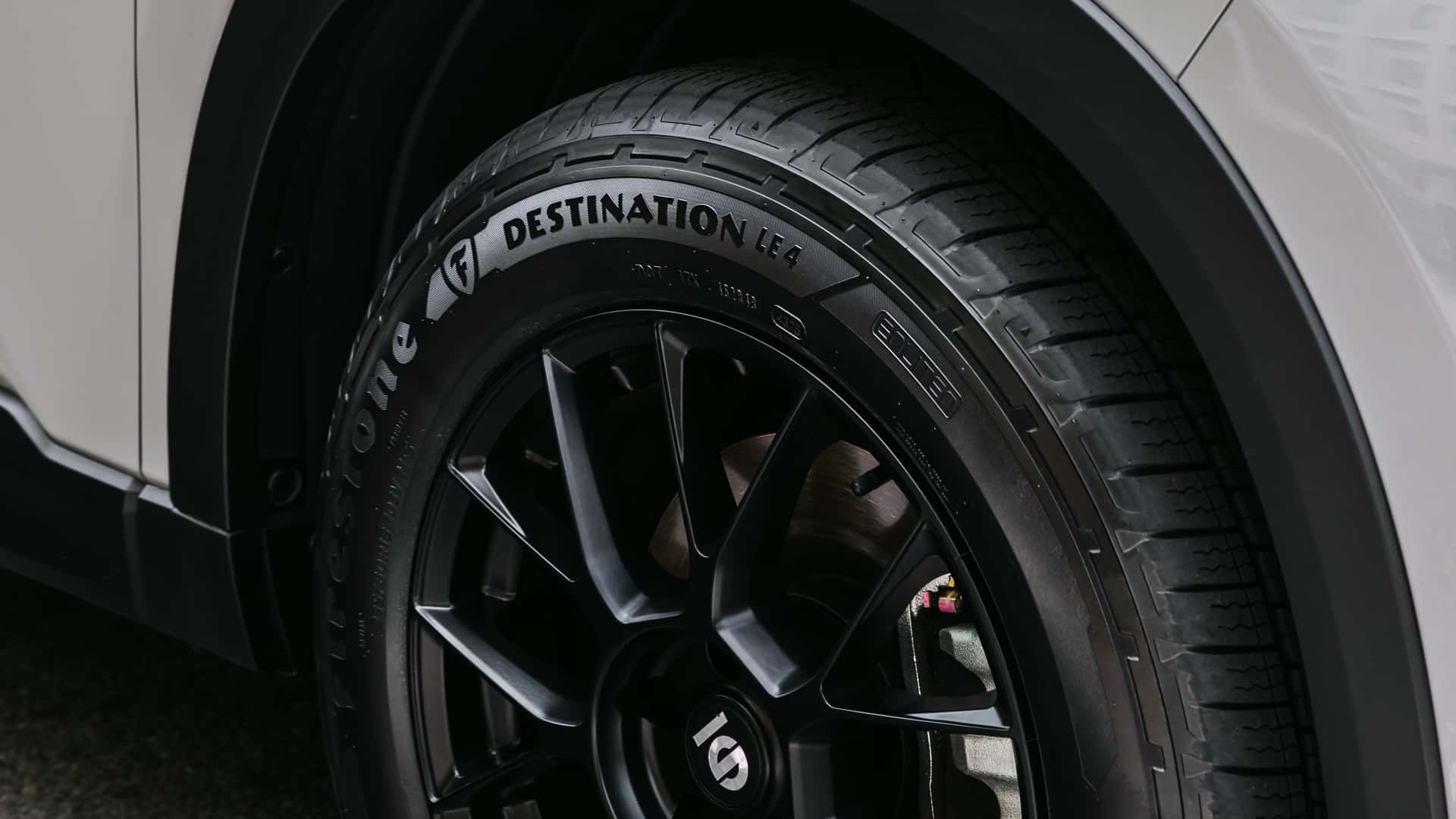
The most visible change lies in the tread pattern. Engineers have optimized the rib widths, allowing for a more even distribution of pressure across the contact patch. This adjustment is critical for extending the tire’s life, a key concern for owners of heavy SUVs and light trucks who often contend with rapid tread wear due to the increased curb weight of their vehicles. Complementing this is a deeper initial tread depth, which ensures that the tire maintains its performance characteristics long after it leaves the showroom floor.
Furthermore, the integration of thinner 3D sipes—the microscopic channels cut into the tread blocks—marks a significant leap in traction technology. These sipes provide additional "biting edges" that allow the rubber to grip the road surface more effectively during rain or light snow, addressing the common criticism that all-season tires often struggle in non-dry conditions.
A Chronological Journey: From LE3 to the Modern Standard
To understand the significance of the LE4, one must look at the trajectory of the Destination series. The Destination LE3 built a reputation as a workhorse, offering a reliable, mid-tier solution for families and commuters. However, as vehicle technology advanced—with SUVs becoming larger, heavier, and more powerful—the need for a tire that could handle increased torque and higher center-of-gravity dynamics became apparent.
Following the market success of the LE3, Firestone initiated a multi-year research and development program. The goal was to maintain the "everyday reliability" of the LE3 while integrating advanced materials science. Throughout the testing cycles, Firestone focused on benchmarking against current market leaders. By identifying the shortcomings of the LE3 in high-load scenarios, the development team transitioned toward the current architecture of the LE4, finalizing the internal high-strength body plies and reinforced steel cords that define the new model’s chassis.
Supporting Data: The Metrics of Superiority
In the high-stakes world of tire manufacturing, numbers serve as the ultimate arbiter of quality. Firestone’s internal testing data provides a compelling case for the LE4, particularly when placed alongside its predecessor and direct competitors.
Longevity Benchmarks
The most notable statistic is the projected tread life. Firestone claims that the Destination LE4 lasts 16 percent longer than the LE3. This is a substantial margin in an industry where incremental gains are the norm. When pitted against industry rivals, the performance gap remains pronounced:
- vs. General Grabber H/T: The LE4 boasts a 9 percent increase in longevity.
- vs. BFGoodrich Advantage Control HT: The LE4 demonstrates a 43 percent increase in expected tread life.
Stopping Power and Safety Metrics
Safety is synonymous with stopping distance, and the LE4 shows meaningful improvements in this arena. The tire recorded a 2.6 percent reduction in dry stopping distance compared to the LE3, translating to approximately 2.0 feet saved during an emergency stop.
When measured against the competition, the results are even more favorable:
- vs. Toyo Open Country H/T II: The LE4 stopped 8.0 feet shorter in both wet and dry conditions.
- vs. BFGoodrich Advantage Control HT: The LE4 proved superior, stopping 2.0 feet shorter on dry pavement and 4.0 feet shorter on wet surfaces.
These metrics underscore a shift in design philosophy: Firestone has prioritized the "safety margin," recognizing that in real-world driving, a few feet can be the difference between a near-miss and a collision.
Official Responses and Engineering Philosophy
Firestone’s approach to the LE4 was rooted in the concept of "ingredient consistency." During the manufacturing process, the company implemented tighter controls over the chemical makeup of the rubber compound. By ensuring that the tread compound remains uniform from the surface down to the base, Firestone has effectively solved the "performance drop-off" that often occurs as a tire wears down.
"Our objective was to design a tire that didn’t just perform well on day one, but continued to perform at a high level throughout its entire lifecycle," a spokesperson noted during the product launch. The decision to use high-strength body plies and advanced steel cords was an intentional move to accommodate the specific weight distribution and suspension geometry of popular vehicles like the Ford F-150 and the Mazda CX-5. By strengthening the "bones" of the tire, Firestone has ensured that the LE4 maintains its shape under cornering loads, preventing uneven wear and improving steering feedback.
Implications: A New Baseline for the Mass Market
The launch of the Destination LE4 is not merely a product refresh; it is a strategic move to capture the massive replacement tire market for North America’s most popular vehicles. With 65 different sizes ranging from 15-inch to 22-inch diameters, the tire is positioned to be a ubiquitous presence on the road.
Impact on Vehicle Owners
For the consumer, the implications are twofold: reduced long-term cost of ownership and enhanced peace of mind. Because the LE4 lasts longer and performs better in inclement weather, owners of versatile vehicles like the Chevrolet Trailblazer or the Nissan Armada can expect a lower "cost-per-mile" ratio. The durability improvements directly translate to fewer trips to the tire shop and a more predictable maintenance schedule.
The Competitive Landscape
The tire industry is currently facing increased pressure from regulatory bodies regarding efficiency and safety standards. With California and other states implementing stricter guidelines for replacement tires, the LE4’s focus on longevity and performance is a timely response. By exceeding the performance of well-entrenched competitors, Firestone is signaling that it intends to remain the primary choice for the mass-market SUV and truck segment.
Conclusion: The Motor1 Perspective
Firestone has taken a successful platform and refined it with surgical precision. The Destination LE4 is an evolution in the truest sense—it addresses the specific pain points of modern SUV owners, namely tread wear and wet-weather safety. While the market is crowded with options, the data presented by Firestone makes a persuasive case for the LE4. As it rolls out across dealerships nationwide, we expect this tire to become a common sight on the vehicles that define the American commute.
For drivers of the Mazda CX-5, Ford F-150, and beyond, the LE4 offers a compelling blend of durability and capability. It is a reminder that in an age of electrified drivetrains and advanced driver-assistance systems, the fundamental technology of the tire remains the most critical component of the driving experience. Firestone has not reinvented the wheel, but with the LE4, they have certainly made it work much harder—and much longer—for the American driver.