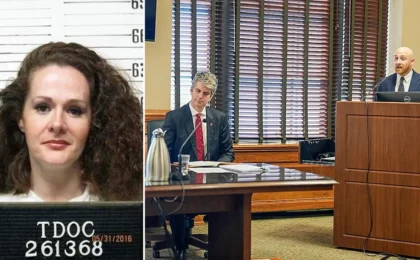
Main Facts: Discharged Back to Death Row After Surviving Execution
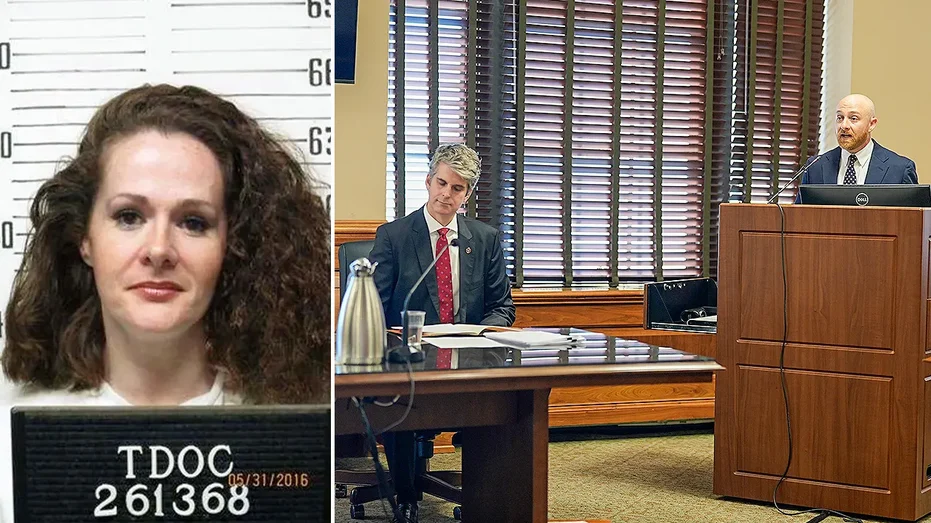
Tennessee death row inmate Christa Gail Pike has been officially discharged from an off-site hospital and returned to state custody following a catastrophic execution attempt that left her severely injured. Pike, 50, survived two full doses of the lethal injection drug pentobarbital during a scheduled execution attempt on September 30, 2026.
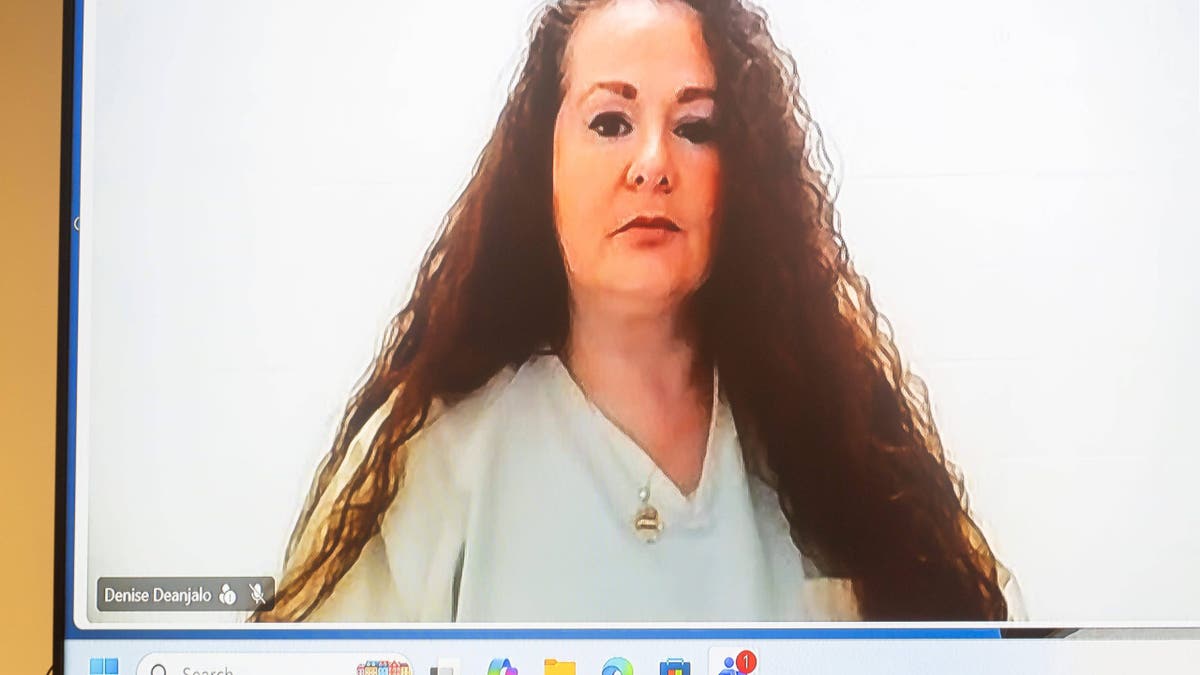
According to a joint statement released by her legal team, Pike was transferred back to the Deborah K. Johnson Rehabilitation Center in Nashville, where she has been incarcerated for more than three decades. While back in state custody, she continues to suffer from acute physical and neurological trauma, including internal injuries, severe loss of arm mobility, memory impairment, a pulmonary blood clot, and pneumonia resulting from the failed procedure.
+-----------------------------------------------------------------------------------+
|                        SUMMARY OF KEY DEVELOPMENTS                                |
+-----------------------------------------------------------------------------------+
| • Inmate:             Christa Gail Pike (Convicted in 1995 Knoxville murder)      |
| • Incident Date:      September 30, 2026 (Botched Lethal Injection)                |
| • Executing Compound: Pentobarbital (Two doses administered without fatal effect) |
| • Current Location:   Deborah K. Johnson Rehabilitation Center, Nashville, TN     |
| • Physical Status:    Discharged from hospital; suffering arm trauma, memory      |
|                       loss, blood clot, and pneumonia                             |
| • Legal Directives:   TN Court orders preservation of all physical/digital evidence|
| • Executive Action:   Gov. Bill Lee halts all state executions through end of 2026  |
+-----------------------------------------------------------------------------------+
Pike’s legal team—comprising Stephen Ferrell and Luke Ihnen of Federal Defender Services of Eastern Tennessee, alongside Randy Spivey and Kelly Gleason of the Tennessee Office of the Post-Conviction Defender—confirmed that while Pike survived, her recovery remains precarious.
The botched procedure at the Riverbend Maximum Security Institution has triggered immediate judicial interventions, an administrative halt to capital punishment in Tennessee, and renewed scrutiny regarding the medical ethics and efficacy of lethal injection protocols nationwide.
Comprehensive Chronology of Events
  1995                1996                SEPT 30, 2026          OCTOBER 2026
   |                   |                       |                      |
   v                   v                       v                      v
Murder of         Convicted &             Botched execution      Pike regains
Colleen Slemmer   sentenced to death      attempt; 2 doses of    consciousness;
in Knoxville, TN  in Knox County          pentobarbital fail;    transferred back
                  Criminal Court          witnesses cleared      to prison facility
The 1995 Crime and Initial Trial
The legal chain of events leading to the September 2026 execution attempt dates back to January 1995. Pike, then 18 years old, was enrolled in the Job Corps program in Knoxville, Tennessee. Along with her then-boyfriend, Tadaryl Shipp, and co-defendant Shadolla Peterson, Pike was arrested for the torture and murder of 19-year-old classmate Colleen Slemmer.
In March 1996, a Knox County jury convicted Pike of first-degree murder and conspiracy to commit murder. She was sentenced to death, becoming the youngest woman on death row in the United States at the time. Co-defendant Tadaryl Shipp, who was 17 at the time of the crime, received a life sentence with the possibility of parole and could be eligible for release in approximately five years.
September 30, 2026: The Execution Attempt at Riverbend
On the evening of September 30, 2026, execution technicians at the Riverbend Maximum Security Institution prepared to carry out Pike’s death warrant using a heavy dose of pentobarbital, a potent barbiturate intended to suppress the central nervous system, induce unconsciousness, and ultimately cause respiratory and cardiac arrest.
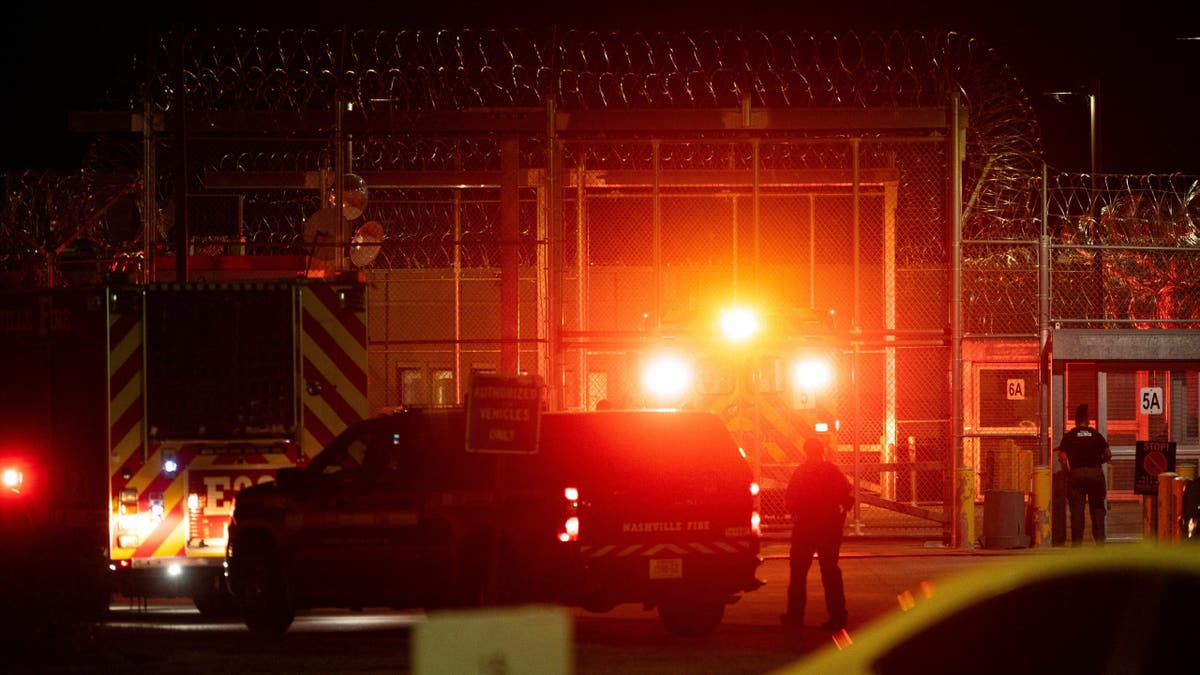
During the execution, prison personnel administered a primary dose of pentobarbital. When the drug failed to yield cardiac arrest within the expected timeframe, a second full dose was introduced into Pike’s IV lines. As complications mounted inside the execution chamber, prison authorities halted the procedure. Witnesses, including journalists and official observers, were escorted out of the viewing room before any official pronouncement of death could be made. Emergency medical vehicles were subsequently dispatched to the facility to stabilize Pike and transport her to an off-site hospital.
Post-Execution Emergency Care and Medical Timeline
Monday Evening (Post-Incident): Following her emergency admission to the hospital, Pike’s medical team observed profound unresponsiveness, leading her defense counsel to initially fear she was clinically brain dead.
Tuesday Morning: Pike unexpectedly regained consciousness. While able to communicate verbally, she exhibited signs of disorientation and cognitive distress.
Mid-October 2026: Defense attorney Stephen Ferrell disclosed during an interview with BBC Radio 4 that Pike had begun taking minimal steps around her medical room but suffered from severe motor impairment in her arms, systemic memory problems, a deep-vein blood clot, and secondary pneumonia induced by respiratory distress during the execution attempt.
Current Status: Pike was officially discharged from the hospital and returned to the Deborah K. Johnson Rehabilitation Center under continuous medical monitoring by prison health staff.
Medical and Forensic Analysis
The failure of a high-dose barbiturate protocol to cause death, coupled with severe secondary trauma, has raised severe technical and medical questions regarding the execution’s execution.
+-----------------------------------------------------------------------------------+
|                   LETHAL INJECTION DRUG PROTOCOL & FAILURES                       |
+-----------------------------------------------------------------------------------+
| Compound:        Pentobarbital (Short-acting Barbiturate)                         |
| Intended Effect: Central nervous system depression -> Respiratory arrest -> Death |
| Manifested Risk: Infiltration, tissue necrosis, hypoxia, systemic organ damage    |
| Complications:   Venous access rupture, severe arm trauma, memory deficits,       |
|                  pulmonary thrombosis, pulmonary infection (pneumonia)          |
+-----------------------------------------------------------------------------------+
Technical Complications of Pentobarbital Administration
Pentobarbital is a short-acting barbiturate widely used in single-drug capital punishment protocols. When administered intravenously in high concentrations, it rapidly crosses the blood-brain barrier, causing fast loss of consciousness, followed by respiratory failure and cardiac arrest.
However, effective delivery depends heavily on peripheral or central venous access. If an IV line becomes tissue-infiltrated (blown line) or if the solution leaks into surrounding tissue rather than entering the bloodstream cleanly, several severe complications occur:
Tissue Necrosis and Extreme Physical Trauma: Concentrated chemical agents injected directly into muscle or subcutaneous tissue cause intense chemical burns, vascular inflammation, and severe localized tissue destruction—explaining the functional damage to Pike’s arms.
Sub-Lethal Systemic Absorption: Slow absorption of the drug into the bloodstream fails to hit the threshold required for cardiac arrest, instead prolonging a state of severe hypoxia (oxygen deprivation), which can cause temporary or permanent neurological damage and cognitive memory gaps.
Pulmonary and Vascular Complications: Depressed respiratory function combined with prolonged immobilization and localized vascular trauma significantly increases the risk of deep vein thrombosis (DVT), blood clots, and aspiration pneumonia.
Expert Insights: Dr. Joel Zivot on Protocol Vulnerabilities
Dr. Joel Zivot, an associate professor of anesthesiology and critical care at Emory University School of Medicine who advised Pike’s defense team, spoke out against the mechanics of state-sanctioned lethal injection on Fox News’ America’s Newsroom with Bill Hemmer.
Dr. Zivot emphasized that non-medical personnel attempting complex vascular access on individuals undergoing extreme emotional stress frequently run into mechanical failure.
"Lethal injection creates an illusion of a clean, medicalized procedure, but in practice, it is often an unmonitored experiment," Dr. Zivot observed. "When an intravenous line is improperly set or managed, the drug does not act rapidly to end life. Instead, it accumulates in peripheral tissues, causing intense physical destruction, severe pain, partial asphyxiation, and profound physiological trauma without causing swift death."
Dr. Zivot noted that surviving two massive doses of a barbiturate indicates a fundamental breakdown in intravenous administration or chemical compounding, leading directly to the severe physical impairments and memory issues Pike now faces.
Official Responses and Legal Mandates
Joint Defense Counsel Statement
Following Pike’s release from the hospital, her legal team released an official update regarding her condition and location:
"Christa Pike was discharged from a local hospital and is now at Deborah K. Johnson Rehabilitation Center where she has been housed for more than 30 years," the statement read. "She is grateful to the first responders and her medical team for their care in these extraordinary circumstances. She is continuing to receive medical care at the prison, and we will continue to track her recovery."
Speaking to BBC Radio 4, defense attorney Stephen Ferrell expanded on her physical limitations:
"What’s been described to me is that physically there’s quite a bit going on, that her arms are very injured and she’s not able to use them very much," Ferrell said. "She is up and walking for the first time today, but just around the room, not very far."
+-----------------------------------------------------------------------------------+
|                          STATE AND JUDICIAL ACTIONS                              |
+-----------------------------------------------------------------------------------+
| Judicial Order:     Tennessee State Court mandates the immediate preservation of   |
|                     all physical, chemical, and digital evidence from the attempt.|
| Executive Mandate:  Gov. Bill Lee orders a complete temporary freeze on all      |
|                     executions in Tennessee through the end of 2026.              |
+-----------------------------------------------------------------------------------+
Evidence Preservation Directives
In response to motions filed by Pike’s defense attorneys, a Tennessee state judge issued a strict order commanding the Tennessee Department of Correction (TDOC) to preserve all physical, medical, and electronic evidence connected to the September 30 event.
This directive encompasses:
Used and unused drug vials, syringes, IV tubing, and delivery apparatuses.
Internal communications, logbooks, and execution chamber video recordings.
Complete toxicological screens, medical records, and physical assessments taken during and after the emergency transport.
Executive Order by Governor Bill Lee
Tennessee Governor Bill Lee announced a complete suspension of all scheduled executions throughout the state for the remainder of 2026. This administrative pause allows state authorities, independent investigators, and legal bodies to evaluate capital punishment protocols, review chemical sourcing, and determine how two doses of lethal drugs failed to operate as intended.
Legal, Constitutional, and Public Policy Implications
The surviving of an execution attempt is an extraordinarily rare legal event in modern U.S. history, raising complex constitutional queries under the Eighth Amendment’s prohibition against cruel and unusual punishment.
+-----------------------------------------------------------------------------------+
|                        KEY LEGAL AND CONSTITUTIONAL ISSUES                        |
+-----------------------------------------------------------------------------------+
| Eighth Amendment:   Does subjecting a prisoner to a second execution attempt      |
|                     after a failed procedure constitute "Cruel and Unusual"?     |
| Substantive Due     Did protocol deviations and physical trauma violate state     |
| Process:            and federal constitutional standards?                         |
| Clemency Petitions: Defense counsel pushing for sentence commutation to life      |
|                     without parole due to physical torture and trauma.            |
+-----------------------------------------------------------------------------------+
Constitutional Challenges Under the Eighth Amendment
Pike’s legal team is expected to mount unprecedented constitutional challenges seeking to permanently bar the State of Tennessee from attempting a second execution.
Cruel and Unusual Punishment: Defense attorneys argue that subjecting an inmate to the psychological agony of death row, followed by severe physical injury and organ damage from a botched procedure, makes any subsequent execution attempt inherently cruel and unusual under the U.S. Constitution.
Historical Precedent (Francis v. Resweber): While the U.S. Supreme Court ruled in 1947 (Louisiana ex rel. Francis v. Resweber) that a second execution attempt after a mechanical failure of the electric chair was constitutional, modern legal scholars argue that contemporary standards of decency and advanced medical understanding regarding botched lethal injections heavily alter this calculus.
Double Jeopardy and Due Process: Legal filings are expected to contest whether state errors during execution administration constitute a substantive violation of an inmate’s constitutional right to due process.
Tennessee’s History with Capital Punishment Protocols
This incident adds to ongoing administrative and judicial scrutinies facing the Tennessee Department of Correction. Tennessee has previously faced execution moratoria due to protocol non-compliance, proper drug testing failures, and staff training deficiencies. The failure of the single-drug pentobarbital method—long considered by many states to be a safer alternative to older three-drug lethal cocktails—suggests structural vulnerabilities that transcend chemical choice alone.
Potential Avenues Forward
Sentence Commutation: Defense counsel, civil rights advocates, and medical experts are preparing formal petitions urging Governor Bill Lee to commute Pike’s death sentence to life imprisonment without the possibility of parole, citing severe physical trauma, nerve damage, and constitutional overreach.
Independent Medical Audits: Outside medical panels will likely be required to evaluate Pike’s long-term organ function, cognitive stability, and permanent motor damage before any state court can legally evaluate her fitness for potential future legal proceedings.
Victim Impact Considerations: The long delays and legal reversals continue to pose emotional distress for the family of victim Colleen Slemmer, who have waited over 30 years for legal finality in a complex capital case.
As Pike remains under care at the Deborah K. Johnson Rehabilitation Center, the legal battle moves from the execution chamber to federal and state courtrooms, where judges will decide whether Tennessee can legally make a second attempt on Christa Pike’s life.