For decades, the field of neurodegenerative research has been haunted by a fundamental question: while we know that toxic protein accumulation is a hallmark of diseases like Alzheimer’s and frontotemporal dementia (FTD), what is the precise biological "executioner" that turns that protein buildup into the catastrophic loss of brain cells?
New research from King’s College London, published in the journal Nature Communications, suggests that the answer may lie in a previously misunderstood process known as karyoptosis. This discovery not only provides a long-sought explanation for the mass extinction of neurons in the aging brain but also illuminates a new, druggable pathway that could fundamentally shift the landscape of dementia treatment.
The Main Facts: Defining the Mechanism of Karyoptosis
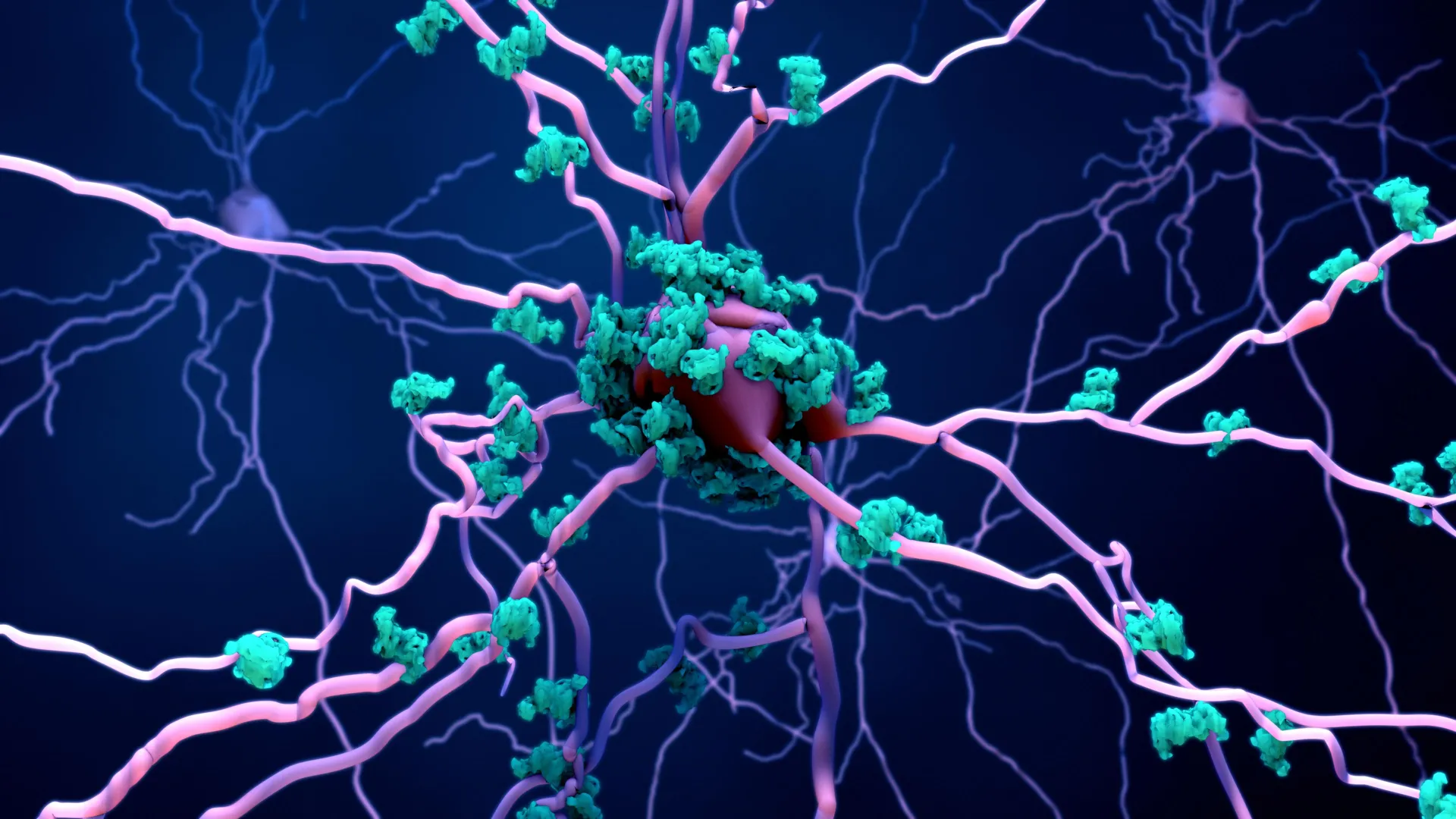
At its core, karyoptosis represents a distinct form of cell death triggered by cellular stress. In the context of neurodegeneration, the process begins when abnormal, toxic proteins begin to aggregate within a neuron—a phenomenon observed in conditions ranging from Amyotrophic Lateral Sclerosis (ALS) to Alzheimer’s and FTD.
Unlike apoptosis, a well-documented form of "programmed" cell death that acts like a controlled demolition of a cell, karyoptosis is more akin to a structural collapse. When toxic proteins reach a critical threshold, they begin to destabilize the nuclear envelope—the protective membrane surrounding the cell’s genetic material. As this boundary fails, the nucleus begins to shrivel and eventually disintegrates. Because the nucleus is the command center of the cell, its destruction renders the neuron incapable of maintaining its vital functions, leading to the cognitive decline and memory loss characteristic of dementia.
A Ten-Year Chronology: From Rare Disease to Global Insight
The journey to this discovery has been a decade-long endeavor led by researchers at King’s College London, supported by the UK Dementia Research Institute and Alzheimer’s Research UK.
The Early Phase (2014–2018)
The initial observation of karyoptosis did not occur in the context of common dementia. Instead, researchers first identified the phenomenon while studying a significantly rarer neurodegenerative condition. At the time, the mechanism appeared to be an outlier, a biological curiosity confined to a niche set of cellular conditions. However, the team remained curious: if this mechanism could kill a cell so efficiently, was it truly limited to such a narrow diagnostic scope?
The Expansion Phase (2019–2022)
As the research progressed, the team began to look for signs of karyoptosis in broader datasets. They refined their computational algorithms, allowing them to scan vast quantities of tissue samples with unprecedented accuracy. By cross-referencing their findings against the known pathology of Alzheimer’s and FTD, the researchers began to see a pattern emerge. The process they once thought was "rare" was appearing with alarming frequency in the brains of patients with the most common forms of dementia.
The Validation Phase (2023–2024)
The culmination of this research involved a comprehensive analysis of 3,000 brain cells taken from 28 individuals who had suffered from either FTD or end-stage Alzheimer’s. By comparing these to healthy control samples, the team provided the definitive evidence needed to link karyoptosis to these widespread diseases. The publication of their findings in Nature Communications serves as the official transition of karyoptosis from a theoretical mechanism to a confirmed target for future medical intervention.
Supporting Data: Quantifying the Destruction
The statistical weight of the new study provides compelling evidence for the prevalence of karyoptosis in the aging brain. By utilizing advanced computational modeling to examine the frontal cortex of the brain, researchers identified a stark contrast between healthy aging and neurodegenerative disease:
- The 35 Percent Threshold: In patients suffering from Alzheimer’s disease, researchers identified clear markers of karyoptosis in 35 percent of the neurons in the frontal cortex.
- The Healthy Baseline: In contrast, healthy older adults showed karyoptosis in only 15 percent of cells, suggesting that while the process may occur naturally as part of aging, it is hyper-activated in the presence of dementia.
- Molecular Switches: The study identified specific kinases—molecular switches that regulate cellular activity—as the orchestrators of this process. Specifically, the interaction between p38 MAP kinase and the protein LaminB1 was identified as the primary trigger for nuclear degradation.
In laboratory settings using rat neurons, researchers were able to "block" these switches. When the interaction between p38 MAP kinase and LaminB1 was inhibited, the cells showed significantly higher resilience to the toxic protein buildup that would otherwise have destroyed them. This proof-of-concept experiment is the cornerstone upon which future pharmaceutical development will be built.
Official Responses: Perspectives from the Scientific Community
The research has been met with significant enthusiasm within the scientific community, as it offers a "road map" for drug developers who have struggled to move beyond simply clearing plaques and tangles.
Dr. Manolis Fanto, Reader in Functional Genomics at the Institute of Psychiatry, Psychology and Neuroscience at King’s College London, emphasized the strategic importance of this discovery:
"By specifically targeting the interaction between p38 MAP kinase and LaminB1, we may slow down the process of cell death. This is about buying time. If we can preserve the integrity of the nucleus, we provide a buffer that allows for more pinpointed therapies to clear the underlying toxic proteins before the cell is lost forever."
Dr. Rebecca Casterton, Senior Researcher at the UK Dementia Research Institute and the lead author of the study, reflected on the broader implications of the work:
"The death and loss of cells in the brain drives many symptoms experienced by people living with dementia. We have started to lay out the road map of how karyoptosis works, and I’m excited to see future breakthroughs this may drive in the research community. It transforms our understanding of how these cells actually ‘give up’ under the stress of disease."
Dr. Sara Rodrigues, Senior Research Manager at Alzheimer’s Research UK, highlighted the urgency of the finding:
"For decades, we’ve known that toxic proteins build up in Alzheimer’s disease and FTD, but exactly how they lead to the loss of brain cells has remained unclear. This is a crucial step toward finding treatments that could stop or slow cell loss. It brings us closer to a cure by widening the window of opportunity for therapeutic intervention."
Implications: A New Era for Dementia Treatment
The identification of karyoptosis shifts the focus of Alzheimer’s and FTD research from symptom management to structural preservation. Current therapies often focus on the "garbage collection" of the brain—attempting to clear the protein plaques that accumulate between cells. While valuable, these therapies often arrive too late, once the underlying cells have already begun to fail.
1. Neuroprotection vs. Protein Clearance
By focusing on the p38 MAP kinase and LaminB1 pathway, researchers are proposing a "neuroprotective" strategy. If a drug can be developed to prevent the nucleus from disintegrating, the neuron may be able to survive even in an environment containing toxic proteins. This could turn a rapidly progressing terminal illness into a manageable condition, potentially stalling the onset of severe dementia by years or even decades.
2. Precision Medicine
The fact that 35 percent of cells were affected by karyoptosis in the study suggests that there is a significant population of "at-risk" neurons that are not yet dead but are on the brink of collapse. Identifying these cells early—perhaps through emerging biomarkers—could allow for the administration of karyoptosis-inhibitors before the damage becomes irreversible.
3. The Road Ahead
The path from laboratory success to human trials is rigorous, but the team at King’s College London is already setting their sights on the next milestone: developing small-molecule inhibitors that can safely cross the blood-brain barrier to target the p38 MAP kinase-LaminB1 interaction in humans.
While a cure remains the ultimate goal, the discovery of karyoptosis provides a tangible, mechanical target. It provides researchers with a specific "off switch" for the process that kills our neurons. For the millions of people worldwide currently living with dementia, and the millions more who will be diagnosed in the coming years, this study offers something that has been in short supply: a clear, scientifically validated path toward hope.
As the research community pivots to explore this new pathway, the focus will remain on translating these findings into the clinic, ensuring that this ten-year journey ultimately leads to the development of therapies that can protect the brain’s most fundamental unit—the neuron—from the inside out.