A deadlocked jury in the federal trial of the man accused of sparking the devastating Palisades Fire has ignited intense concern among legal experts that political ideology, systemic frustration, and social media polarization are increasingly infiltrating the American jury box.
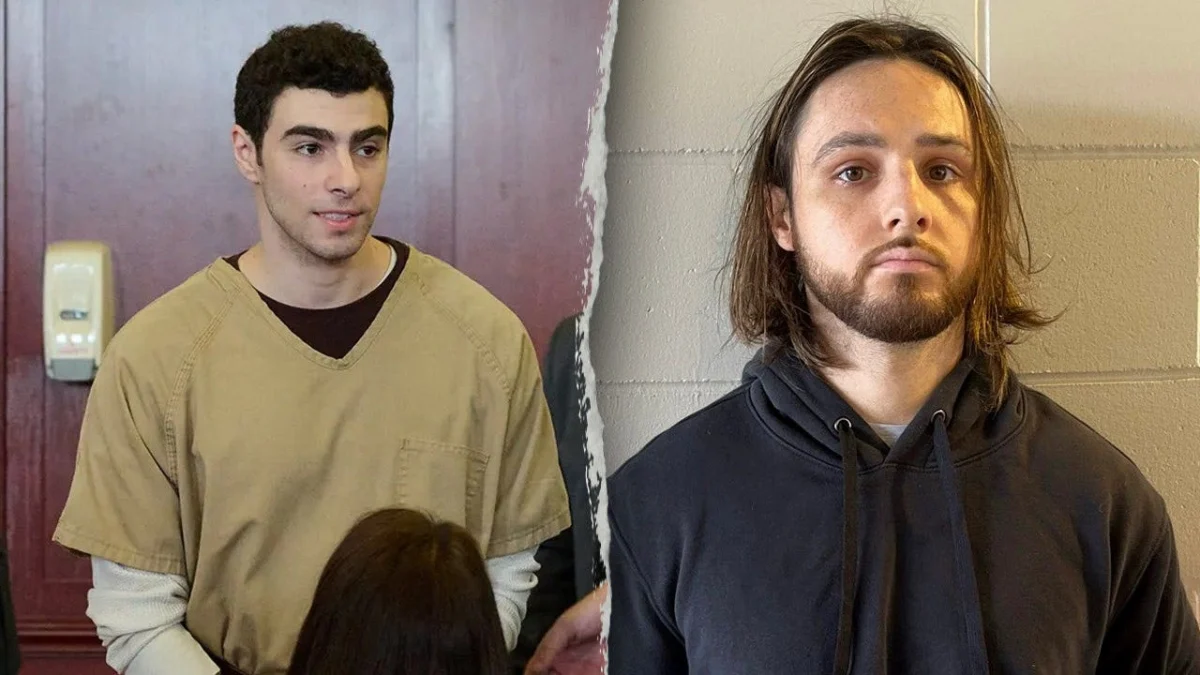
Following a mistrial in California, legal analysts are warning that these courtroom dynamics could profoundly disrupt one of the most anticipated federal prosecutions in recent memory: the upcoming trial of Luigi Mangione, the Ivy League graduate accused of assassinating UnitedHealthcare CEO Brian Thompson.
As prosecutors prepare to retry the alleged California arsonist and simultaneously gear up for Mangione’s high-stakes capital trial, the legal system faces a dual threat: jury nullification—where jurors refuse to convict despite overwhelming evidence because they disagree with the law or the establishment—and the rise of "stealth jurors" who deliberately conceal their biases to influence high-profile verdicts.
Main Facts: Ideological Polarization in the Jury Box
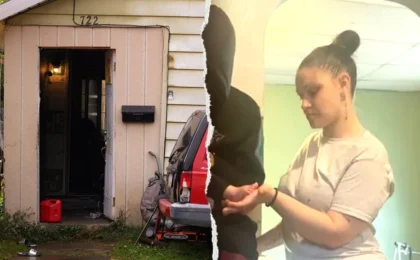
The intersection of public outrage, systemic distrust, and high-profile criminal litigation has reached a critical juncture. The recent trial of Jonathan Rinderknecht, who was accused of deliberately setting the catastrophic Palisades Fire, ended in a stunning deadlock. Despite federal prosecutors presenting their case, a California jury split 10-to-2 in favor of acquittal, forcing a federal judge to declare a mistrial.
The division on the jury did not just reflect doubts about the evidence; according to legal observers and post-trial statements from jurors, it highlighted a profound skepticism toward government authorities and local emergency responses.
This outcome has sounded alarm bells for former federal prosecutors, who warn that the Rinderknecht deadlock is a harbinger of a much larger crisis facing the Department of Justice. Specifically, experts point to the looming trial of Luigi Mangione, who is accused of gunning down UnitedHealthcare CEO Brian Thompson outside a Midtown Manhattan hotel in December 2024.
                                  JURY RISK PROFILE
┌──────────────────────────────────────────────────────────────────────────────────────┐
│  JONATHAN RINDERKNECHT CASE (Palisades Fire)                                         │
│  Primary Risk: State/Government Blame Shift                                          │
│  Jury Split: 10 (Not Guilty) vs. 2 (Guilty)                                          │
│  Underlying Sentiment: Anger over 9-month arrest delay, emergency response failures. │
├──────────────────────────────────────────────────────────────────────────────────────┤
│  LUIGI MANGIONE CASE (CEO Assassination)                                             │
│  Primary Risk: Active Jury Nullification / Anti-Corporate Sentiment                  │
│  Public Sympathy: Estimated 10% to 20% of public believes actions were justified.     │
│  Underlying Sentiment: Systemic rage against the private health insurance industry.  │
└──────────────────────────────────────────────────────────────────────────────────────┘
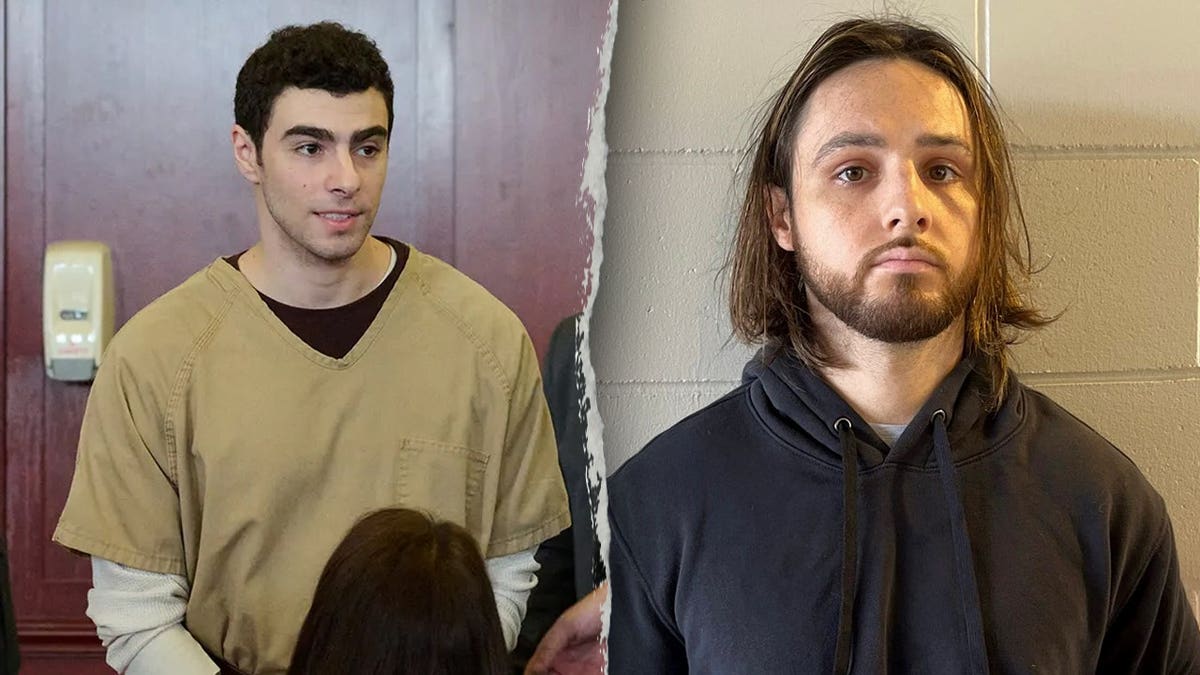
Unlike Rinderknecht, whose support stems from a diffuse anger over government incompetence, Mangione has garnered a highly visible, online and offline following. Accused of executing a corporate executive, Mangione has become a symbol of systemic rage against the American private healthcare system.
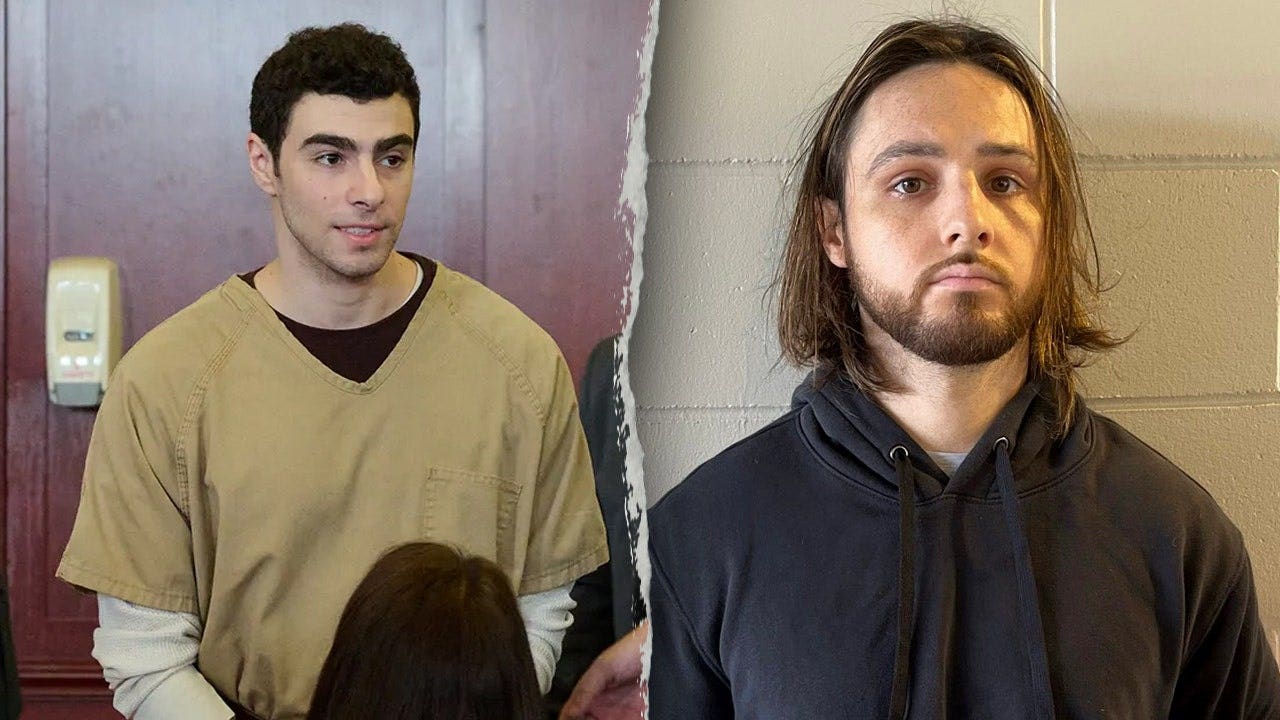
Legal analysts warn that the defense needs to successfully plant only one sympathetic juror out of twelve to secure a hung jury—a statistical probability that plays heavily in the defense’s favor given the widespread public animosity toward health insurance conglomerates.
Chronology of Events: Two High-Profile Cases Collide
To understand how these two seemingly disparate cases have become legally intertwined, it is necessary to examine the parallel timelines of the offenses, the arrests, and their upcoming, concurrent court dates.
The Palisades Fire and the Arrest of Rinderknecht
- January 1, 2025: A massive wildfire, later dubbed the Palisades Fire, sweeps through Pacific Palisades, California. Fueled by high winds, the inferno destroys numerous homes and results in the deaths of 12 people, making it one of the most devastating fires in the region’s history.
- January–October 2025: Angelenos express widespread anger at local officials, including Los Angeles Mayor Karen Bass and the Los Angeles Fire Department (LAFD), accusing them of failing to adequately prepare for high-wind red flag warnings and bungling the initial response.
- October 2025: After a nine-month investigation, federal authorities arrest Jonathan Rinderknecht, charging him with destruction of property by means of fire. Rinderknecht pleads not guilty.
The Assassination of Brian Thompson and the Rise of Mangione
- December 2024: UnitedHealthcare CEO Brian Thompson is shot and killed outside a Manhattan hotel. The gunman flees, sparking a nationwide manhunt.
- December 2024: Luigi Mangione, a smart, Ivy League-educated man from a wealthy family, is arrested and identified as the prime suspect. Inside his belongings, investigators find writings detailing a deep-seated grievance against corporate greed and the American healthcare industry.
- June 17, 2026: Mangione appears at a highly publicized pretrial hearing in Manhattan Criminal Court. Crowds of supporters gather outside the courthouse, signaling his unusual popularity.
The Legal Convergence
- Mid-2026 (Recent Friday): A federal judge declares a mistrial in the Rinderknecht case after the jury deadlocks 10-2 in favor of acquittal. A female juror (Juror Number Four) publicly criticizes the prosecution, stating there was "no proof" and calling a retrial a "waste of our American dollars."
- Mid-October 2026 (Anticipated): The federal government is scheduled to launch its retrial of Rinderknecht. Concurrently, Mangione’s federal trial is expected to get underway in New York, presenting prosecutors on both coasts with unprecedented jury selection challenges.
Supporting Data and Legal Analysis: The Mechanics of Jury Disruption
The phenomenon of a jury refusing to convict despite physical or circumstantial evidence is not new, but the mechanisms driving it have evolved. Former federal prosecutor Neama Rahmani, who has practiced law for 25 years, argues that today’s socio-political climate has made jury selection a minefield.
The Rinderknecht 10-2 Split: Blaming the State
In the Rinderknecht trial, the defense successfully capitalized on the community’s lingering trauma and anger. The nine-month delay between the fire and Rinderknecht’s arrest allowed a narrative to fester: that local officials were looking for a scapegoat to deflect from their own failure to contain the blaze under high-wind conditions.
"This could be a case of jury nullification, or it could be a case where the jurors are blaming other people, or government—folks like Karen Bass, the Los Angeles Fire Department," Rahmani told Fox News Digital. "During that time [before the arrest], many Angelenos who lost their homes, and there are 12 people who died, were pointing the finger at our local officials saying that they were not prepared."
The public statement by Juror Number Four, who declared that the trial was a "waste of our American dollars," reflects a deeper ideological resentment toward federal prosecution spending, rather than a purely objective evaluation of the evidence presented in court.
The Mangione Sympathy Factor: The Math of Nullification
While the Rinderknecht deadlock may have been driven by frustration with municipal preparedness, the Mangione case presents a far more direct, ideologically motivated threat of jury nullification.
                       THE JURY SELECTION CHALLENGE
┌─────────────────────────────────────────────────────────────────────────────┐
│  Total Jurors Needed: 12                                                    │
│  Required for Conviction: 12/12 (Unanimous)                                 │
│  Required for Hung Jury (Defense Win): 1/12 (8.3%)                          │
│                                                                             │
│  Public Support Indicators for Mangione:                                    │
│  [████░░░░░░░░░░░░░░░░] 10% to 20% of the public believes his actions       │
│                        were justified (depending on public polling).        │
└─────────────────────────────────────────────────────────────────────────────┘
Statistically, the defense holds a significant mathematical advantage during jury selection. To secure a conviction, the prosecution must convince all 12 jurors beyond a reasonable doubt. To avoid a conviction, the defense only needs to appeal to one.
"I do think the prosecution should be concerned about jury nullification in the Luigi Mangione case," Rahmani warned. "He’s probably the most popular accused murderer I’ve ever covered in my 25 years of practice. And depending on the surveys that you read, anywhere from 10 to 20% of people believe that he was justified in what he did."
Because 10% to 20% of the general public harbors deep resentment toward the health insurance industry—with some viewing Mangione’s alleged actions as a form of vigilante justice—the statistical probability of at least one sympathetic individual ending up on a 12-person jury panel is exceptionally high.
Furthermore, Mangione’s demographic profile works in his favor. He is highly educated, articulate, comes from an affluent background, and possesses a conventional appeal that departs from typical criminal profiles. The consistent presence of supporters lining up outside his court appearances underscores this unique appeal.
The Stealth Juror Phenomenon
The most insidious threat to prosecutors in both the Rinderknecht and Mangione cases is the "stealth juror." Unlike typical citizens who try to find excuses to avoid jury duty, a stealth juror actively desires to sit on the panel specifically to execute an ideological agenda, such as nullifying a verdict.
                              STEALTH JUROR BEHAVIOR
┌─────────────────────────────────────────────────────────────────────────────┐
│  Standard Juror:                                                            │
│  • Seeks to avoid service.                                                  │
│  • Answers questions transparently to highlight potential conflicts.        │
│                                                                             │
│  Stealth Juror:                                                             │
│  • Actively desires to be selected.                                         │
│  • Conceals personal biases, social media footprints, and political beliefs.│
│  • Goal: Force a hung jury or acquittal to make an ideological statement.   │
└─────────────────────────────────────────────────────────────────────────────┘
"Stealth jurors are a huge problem, and it is not easy to identify people that want to get on the panel," Rahmani explained. "Most people don’t want to serve as jurors. So when a juror actually wants to be on the panel, it’s one of the most difficult jobs of an attorney to try to ferret them out."
In the Mangione case, a stealth juror might harbor intense anger toward health insurance denials but present themselves during voir dire (jury selection) as entirely neutral, only to refuse to convict once deliberations begin, effectively putting the American healthcare industry on trial instead of the defendant.
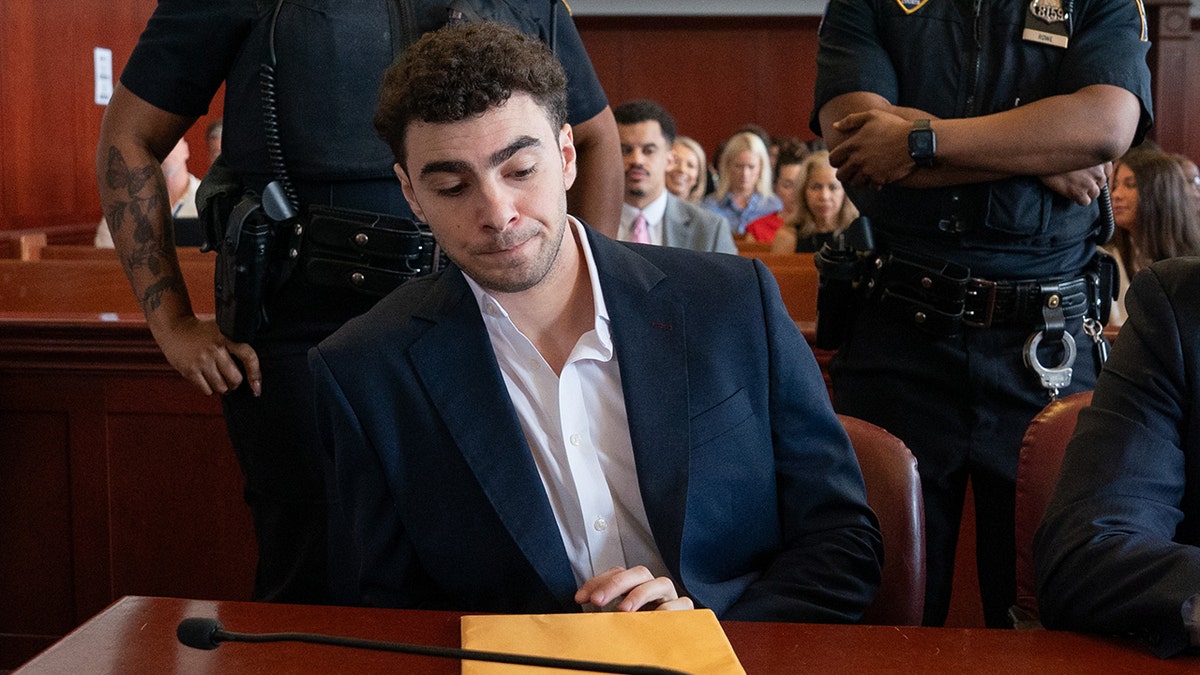
Official Responses and Prosecution Hurdles
The federal government and local district attorneys are facing immense pressure to adapt their courtroom strategies to counter these shifting jury dynamics.
The Department of Justice and the Palisades Fire Retrial
Despite the discouraging 10-2 split in the Rinderknecht trial, the Department of Justice has officially announced its intention to retry him in mid-October 2026. Federal prosecutors maintain that Rinderknecht is directly responsible for the New Year’s Day fire that claimed a dozen lives.
To secure a conviction in the second go-around, prosecutors will have to directly address the elephant in the courtroom: the public’s dissatisfaction with Mayor Karen Bass and the LAFD. The prosecution’s challenge will be to decouple the government’s emergency response failures from the physical act of arson itself, convincing jurors that government incompetence does not absolve an individual of criminal liability.
The Multi-Jurisdictional Prosecution of Luigi Mangione
Mangione is facing a coordinated, double-barreled prosecution from both federal authorities and the Manhattan District Attorney’s Office, led by Alvin Bragg.
                           MANGIONE'S DUAL PROSECUTIONS
┌──────────────────────────────────────────────────────────┬──────────────────┐
│ JURISDICTION                                             │ SEVERITY         │
├──────────────────────────────────────────────────────────┼──────────────────┤
│ Federal Government (DOJ)                                 │ Death Penalty    │
│ State of New York (Manhattan DA Alvin Bragg)             │ Life Sentence    │
└──────────────────────────────────────────────────────────┴──────────────────┘- The Federal Case: Federal prosecutors have officially filed their intent to seek the death penalty against Mangione. A federal judge recently rejected a push by Mangione’s defense team to delay the trial, keeping it on track to potentially begin around the same time as Rinderknecht’s retrial in October 2026.
- The State Case: Concurrently, Manhattan District Attorney Alvin Bragg is pursuing state murder charges. Bragg’s office has faced criticism from some legal experts for an aggressive timeline that has set up a jurisdictional showdown with the federal Department of Justice.
Both prosecution teams must execute an incredibly rigorous jury selection process. To combat stealth jurors, legal teams are expected to employ specialized jury consultants to scour prospective jurors’ public social media accounts, forum posts, and political donations to detect hidden biases that standard courtroom questioning might fail to uncover.
Systemic Implications: The Future of Trial by Jury in a Polarized America
The difficulties observed in the Rinderknecht and Mangione cases point to a broader, systemic transformation of the American legal landscape. The traditional assumption that a jury will act as a neutral, fact-finding body is increasingly being challenged by deep societal division and modern media consumption.
The Social Media Echo Chamber
In previous eras, high-profile criminal cases were largely local stories, constrained by geographical boundaries and traditional media cycles. Today, the rise of true-crime subcultures on social media platforms like TikTok, X (formerly Twitter), and Reddit has nationalized local trials.
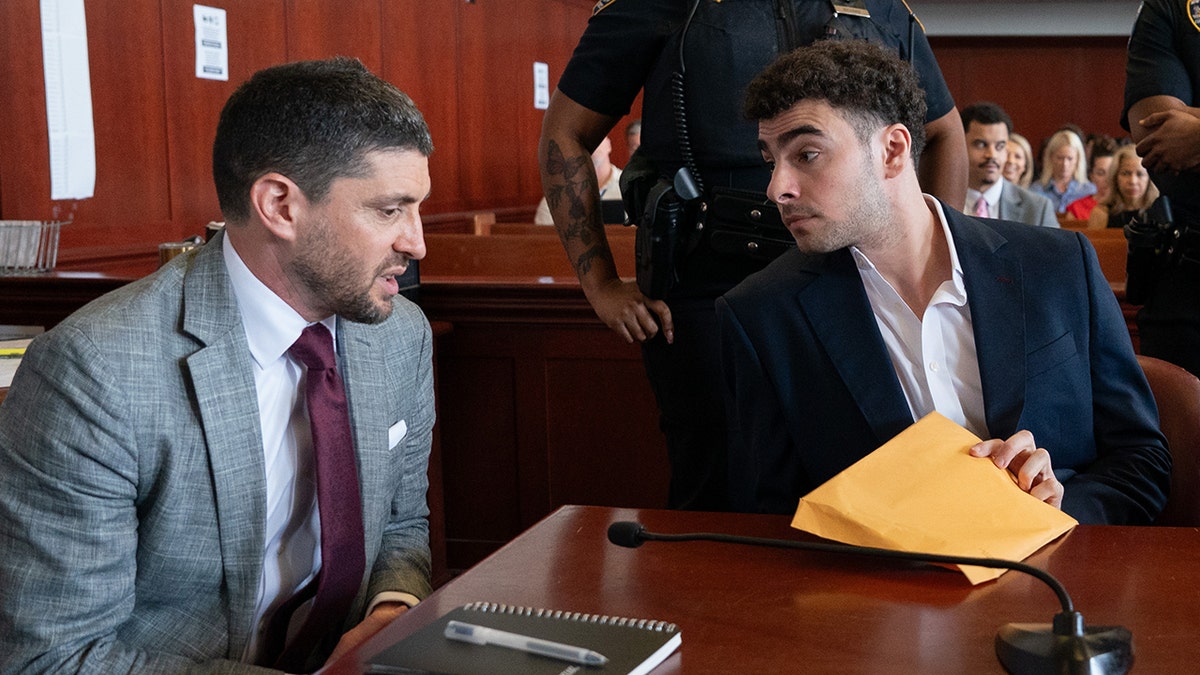
"I do believe jury nullification is more of an issue now than in the past for two reasons," Rahmani observed. "The country is more polarized, and with social media, you have everyone following these trials in a way that you didn’t have before when there was local media coverage only. Now people all over the country are following every single case, especially these high-profile true-crime cases."
When millions of internet users analyze, meme, and debate a case in real time, prospective jurors enter the courthouse already exposed to highly persuasive, emotionally charged narratives. In the case of Luigi Mangione, online spaces have frequently framed his case not as a criminal trial, but as a symbolic referendum on the corporate exploitation of sick Americans.
The Erosion of the Rule of Law
When juries prioritize ideological statements over the objective evaluation of evidence, the foundational premise of the American justice system—that laws are applied equally and predictably—begins to erode. If a defendant’s wealth, physical appearance, or the unpopularity of their victim can influence the outcome of a trial, the legal system risks transforming from a forum of objective justice into a theater of public sentiment.
As October 2026 approaches, the legal community will be watching Manhattan and California closely. The outcomes of the Rinderknecht retrial and the Mangione prosecution will serve as a crucial test of whether the federal government can still successfully prosecute high-profile, emotionally charged cases in an era defined by systemic distrust and digital polarization.