Main Facts
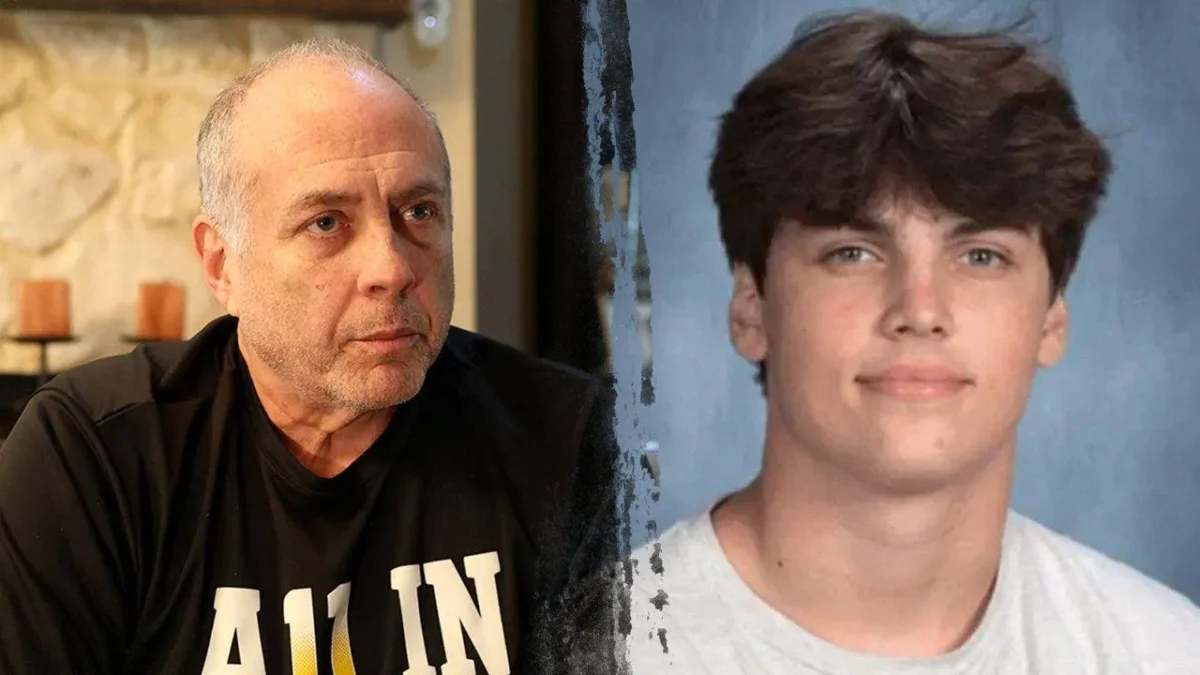
A federal grand jury in the Eastern District of Texas has indicted a Missouri woman for allegedly transmitting death threats across state lines to the family of Austin Metcalf, a 17-year-old high school student who was fatally stabbed in 2025. The threats were reportedly sent in the immediate aftermath of the June 2026 conviction of Karmelo Anthony, the teenager found guilty of Metcalf’s murder.
Sharifa Nicole Henderson, 34, of Kansas City, Missouri, was arrested by federal agents on September 11, 2026, following the return of a three-count indictment on September 9, 2026. Henderson faces federal charges of interstate threatening communications under Title 18, United States Code, Section 875(c). Each count carries a maximum penalty of five years in federal prison, meaning Henderson could face up to 15 years of incarceration if convicted on all charges.
The federal prosecution highlights a growing and disturbing trend of online vigilantism, harassment, and retaliatory threats targeted at the families of victims in high-profile, racially polarized criminal trials. According to Jeff Metcalf, the victim’s father, the family has been subjected to a barrage of hostility, receiving more than 100 threats since the conclusion of the murder trial. The case against Anthony, which concluded with a 35-year prison sentence, drew national media attention and sparked intense public friction outside the Collin County Courthouse in McKinney, Texas.
Chronology of Events
The legal and personal tragedies underpinning this federal case span more than a year, beginning with a fatal confrontation at a high school sporting event and culminating in a cross-state federal criminal investigation.
April 2, 2025: The Fatal Stabbing
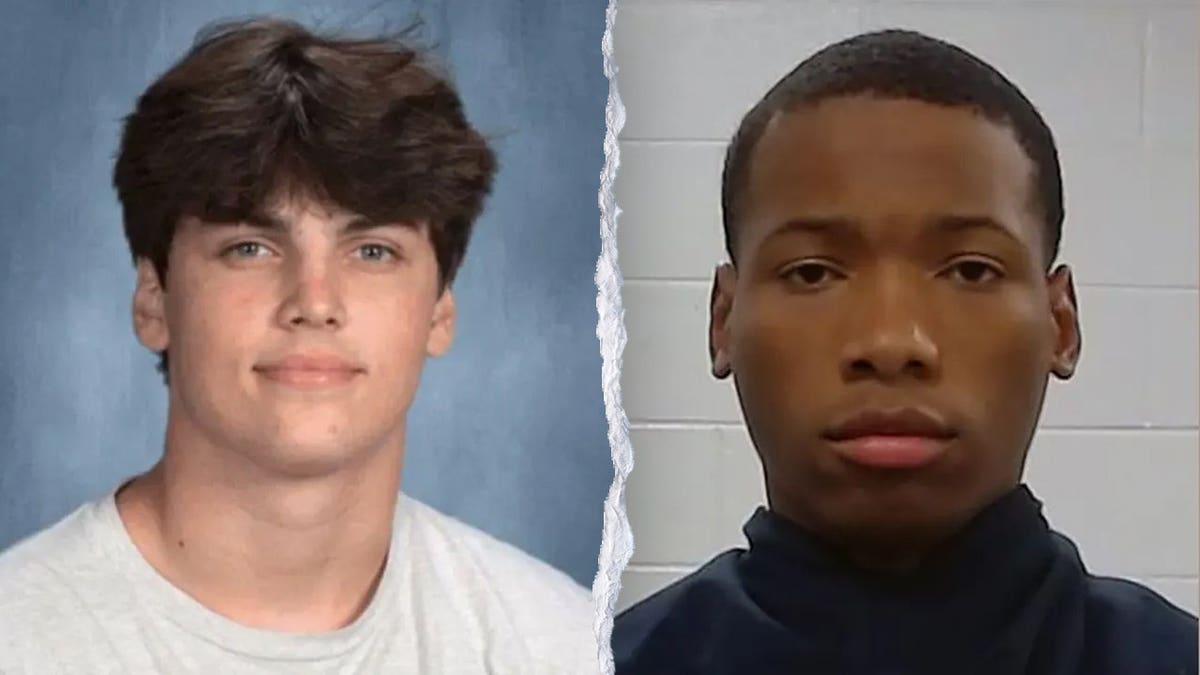
The conflict began at Kuykendall Stadium in Frisco, Texas, during a regional high school track and field meet. Austin Metcalf, a junior and student-athlete at Memorial High School, was participating in the event. Karmelo Anthony, then a 17-year-old student-athlete from rival Centennial High School, walked over to the Memorial High School team’s designated tent and sat down underneath it.
According to investigative reports, Metcalf approached Anthony and asked him to leave the team’s private area. Prosecutors later demonstrated that Anthony provoked a physical confrontation in response to the request. The encounter quickly escalated, ending when Anthony stabbed Metcalf once in the chest.
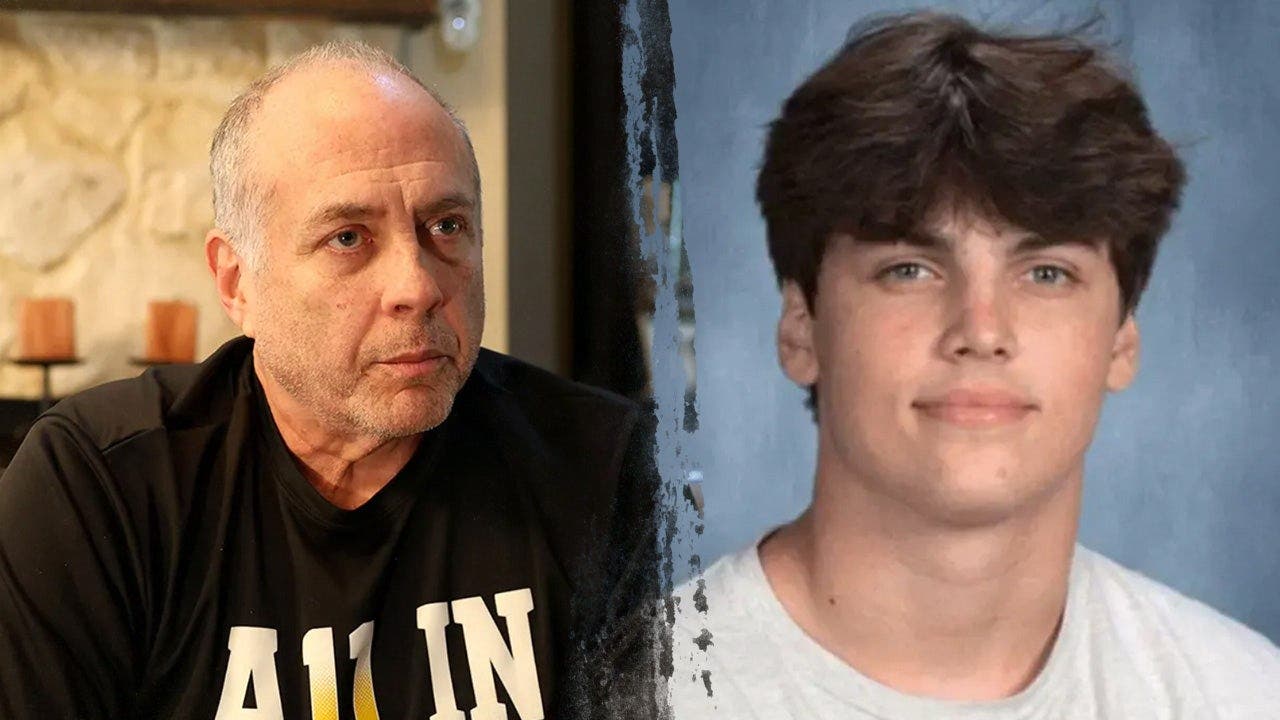
Surveillance footage captured Anthony fleeing the tent immediately after the assault. Following his arrest by local police, Anthony reportedly made spontaneous, self-incriminating statements to the arresting officers, stating, "I’m not alleged, I did it." Investigators later confirmed that Metcalf and Anthony did not know each other prior to the encounter.
June 2026: The Trial and Verdict
The murder trial of Karmelo Anthony, who was 19 by the time the case went to court, began in Collin County, Texas. Over the course of the trial, public interest intensified, and the proceedings became heavily racialized. Activists and supporters of Anthony protested the trial’s jury selection, pointing to a lack of Black jurors, and actively lobbied for his acquittal. Conversely, supporters of the Metcalf family gathered outside the courthouse to demand justice for the slain teenager.
On June 9, 2026, the jury returned a guilty verdict, convicting Anthony of murder. The court subsequently sentenced him to 35 years in the Texas Department of Criminal Justice.
June 10–11, 2026: Retaliatory Threats Sent
Immediately following the reading of the verdict, the Metcalf family became the target of severe online harassment.
- June 10, 2026 (First Incident): Prosecutors allege that Sharifa Nicole Henderson sent a direct message via Facebook Messenger to a member of the Metcalf family. The message explicitly threatened to kill the recipient and place them in a body bag, concluding with the statement: "now this is a threat take me to court [expletive]."
- June 10, 2026 (Second Incident): Later that same day, Henderson allegedly placed a telephone call to the Collin County government offices, which had handled the prosecution of Anthony. During the call, she reportedly stated that she would "demolish" the Metcalf family and "strangle" one of its members.
- June 11, 2026 (Third Incident): The following day, Henderson allegedly sent another message via Facebook Messenger to a Metcalf family member, writing: "Don’t worry I’ll kill you next. I will hunt you forever until I kill you…I will be there. You will always have to look over your [expletive] shoulder."
September 2026: Federal Indictment and Arrest
Following an investigation into the origin of the digital and telephonic communications, a federal grand jury in the Eastern District of Texas returned an indictment against Henderson on September 9, 2026. Two days later, on September 11, federal authorities located and arrested Henderson in her hometown of Kansas City, Missouri.
Supporting Data and Legal Framework
The prosecution of Henderson under federal law rather than state law is a strategic decision dictated by the interstate nature of modern communications.
The Legal Mechanics of 18 U.S.C. § 875(c)
To secure a conviction under the federal interstate threats statute, the government must prove beyond a reasonable doubt that:
- The defendant transmitted a communication in interstate or foreign commerce;
- The communication contained a true threat to injure the person of another; and
- The defendant transmitted the communication with the intent to threaten, or with knowledge that the communication would be viewed as a threat.
Because Henderson was physically located in Missouri when she sent messages via Facebook (whose servers facilitate interstate data transfer) and placed a telephone call to a government office in Texas, her actions crossed state lines, triggering federal jurisdiction.
| Defendant | Age | Residence | Charges | Maximum Potential Penalty |
|---|---|---|---|---|
| Sharifa Nicole Henderson | 34 | Kansas City, MO | 3 counts of Interstate Threatening Communications (18 U.S.C. § 875(c)) | Up to 15 years in federal prison (5 years per count) and associated fines |
Context of Public Backlash
The threats directed at the Metcalf family occurred within a broader ecosystem of public outrage and digital harassment. In the wake of the verdict, several high-profile supporters of Karmelo Anthony faced severe professional and social consequences for their public remarks. One prominent supporter was reportedly terminated from their employment after posting controversial statements regarding the jury’s decision.
Jeff Metcalf has publicly stated that the family has had to endure a continuous stream of hostile communications. The family has received more than 100 threats via various digital channels, necessitating ongoing security concerns and coordination with law enforcement.
Official Responses
The indictment of Henderson has elicited strong reactions from the victim’s family and has underscored the challenges faced by local and federal law enforcement agencies in managing the fallout of high-profile trials.
The Metcalf Family
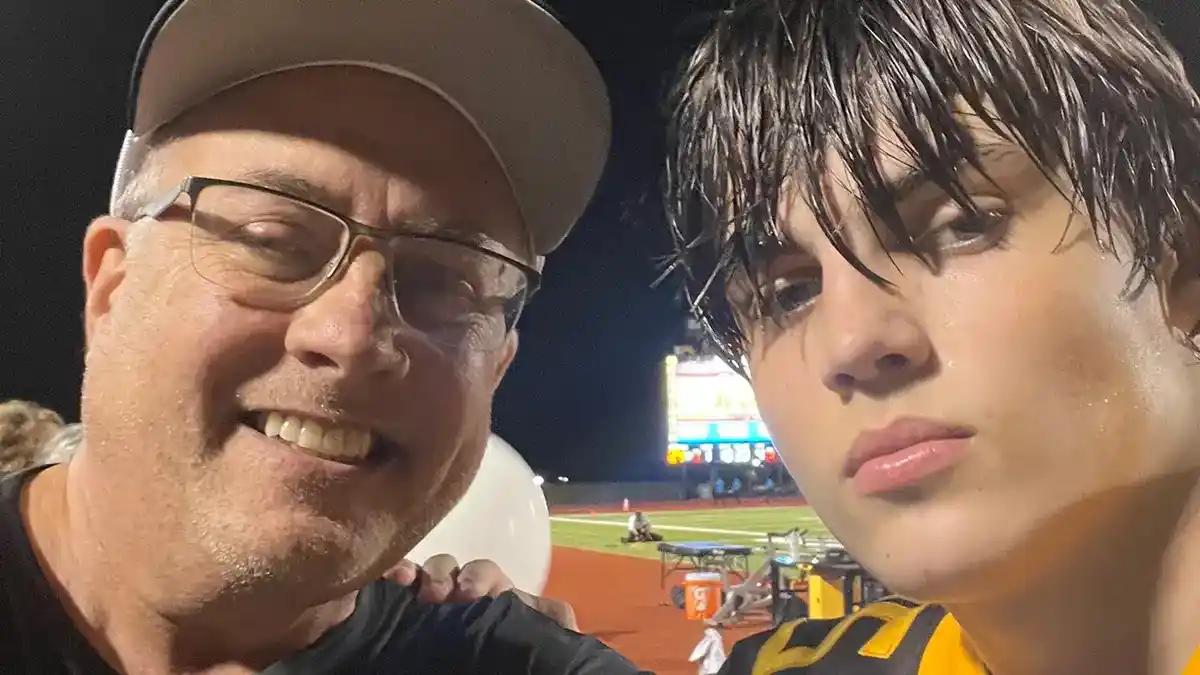
Jeff Metcalf has been highly vocal about the secondary victimization his family has experienced through digital harassment and media exploitation. Speaking to FOX 4 Dallas-Fort Worth, Metcalf expressed relief that federal authorities intervened to address the threats, but expressed exhaustion over the unrelenting hostility his family has faced since his son’s murder.
Metcalf has also criticized media commentators and online personalities, accusing them of exploiting his son’s tragic death for financial gain and digital engagement. "They are trying to monetize my son’s death for clicks," Metcalf stated, pointing to the sensationalized coverage that has fueled public anger and prompted individuals like Henderson to take retaliatory actions.
Law Enforcement and Prosecution
While the U.S. Attorney’s Office for the Eastern District of Texas has declined to comment on the specifics of the ongoing litigation, the indictment itself signals a zero-tolerance policy toward the intimidation of crime victims and their families. Federal prosecutors have increasingly utilized interstate threat statutes to police digital spaces where high-profile court cases spark targeted harassment campaigns.
Implications
The federal case against Sharifa Nicole Henderson carries significant implications for the intersection of criminal justice, social media, and public safety.
Protection of Victims’ Families
This case underscores the vulnerability of victims’ families in the digital age. Traditionally, court cases concluded with a verdict, allowing families a degree of closure. However, the viral nature of modern court proceedings means that families of victims are increasingly subjected to public scrutiny, doxxing, and direct threats long after the courtroom proceedings end. The federal government’s decision to prosecute Henderson sends a clear deterrent message to online actors who believe distance and digital anonymity protect them from legal consequences.
The Intersection of Race, Social Media, and Justice
The murder of Austin Metcalf and the subsequent trial of Karmelo Anthony became a flashpoint for broader societal debates surrounding racial equity in the judicial system. When trials become culturally and politically polarized, social media platforms often act as accelerants, amplifying anger and misinformation. The threats sent by Henderson represent the extreme end of this polarization, where digital advocacy degrades into criminal harassment.
Next Steps in the Legal Process
As Henderson’s case moves through the federal court system in Texas, the state-level legal battle surrounding Karmelo Anthony continues. Although a Texas state judge recently denied Anthony’s motion for a new trial, his defense team is actively preparing another round of appeals. For the Metcalf family, the dual burden of navigating ongoing appeals and managing personal safety in the face of persistent threats remains an ongoing reality.