At 53 years old, I have spent a lifetime practicing the art of the "responsible" purchase. I have navigated the economy of compromises, always opting for the vehicle that made sense on paper—the reliable sedan, the sensible compact SUV, the budget-friendly used model. I have lived by the philosophy that a car is merely a tool for transit, a depreciating asset that shouldn’t be allowed to siphon off too much of one’s hard-earned capital.
But for the first time in my life, I decided to do something different. I decided to buy a car not because it was the smartest financial move, nor because it was the most practical choice for a middle-aged man, but because it brought me genuine, unadulterated joy. This is the story of how a volatile used-car market and a moment of clarity led me to finally stop settling and start living.
The "Maxi Cooper" Regret
In July 2020, at the height of the global pandemic, I found myself in the market for a new vehicle. My 2004 Mini Cooper—a car I truly adored—was finally showing its age. I set out to find a replacement, but in a moment of uncharacteristic hesitation, I allowed myself to be talked into a 2019 Mini Countryman SE All4. I paid $35,990 for it.
I immediately began calling it my "Maxi Cooper." While the vehicle was objectively a high-quality machine, it was a fundamental mismatch for my personality. I am a small-car guy at heart; I prefer the intimacy, the agility, and the direct feedback of a compact vehicle. The Countryman, by contrast, was a compact SUV—a segment of the market I have never felt comfortable in. For 26 months, I drove that car, tolerating its presence in my driveway while constantly feeling that I had betrayed my own preferences for the sake of "utility."
A Market Anomaly: The Financial Catalyst
The turning point came quite unexpectedly. Last month, I brought the Countryman into the dealership for a routine oil change. To my surprise, the service manager approached me with a buy-back offer.
The automotive market in the United States has been in a state of unprecedented flux for the past two years. Driven by supply chain disruptions, a critical shortage of semiconductor chips, and rampant inflation, the value of used vehicles has skyrocketed. According to data from the U.S. Federal Reserve, prices on used vehicles have surged by 55% since July 2020, while new vehicle prices have risen by roughly 18%.
When the dealer offered me $33,000 for a car I had purchased two years prior, the implications hit me instantly. I reached out to a trusted contact—a veteran of the automotive sales industry—to verify if I was hallucinating. His assessment was blunt: "It’s not just a good deal; it’s a miracle. It’s as if you leased that car for $115 per month. You should take the offer. Now."
The Search for the "Perfect" Drive
With the decision made to sell the Countryman, I found myself in an unfamiliar position: I had no backup plan. I began to research, but this time, I set a strict internal mandate: no more compromises. Every car I had owned previously had been a sacrifice of either aesthetics, driving dynamics, or personal preference. I wanted to find the machine that was engineered for my specific sensibilities.
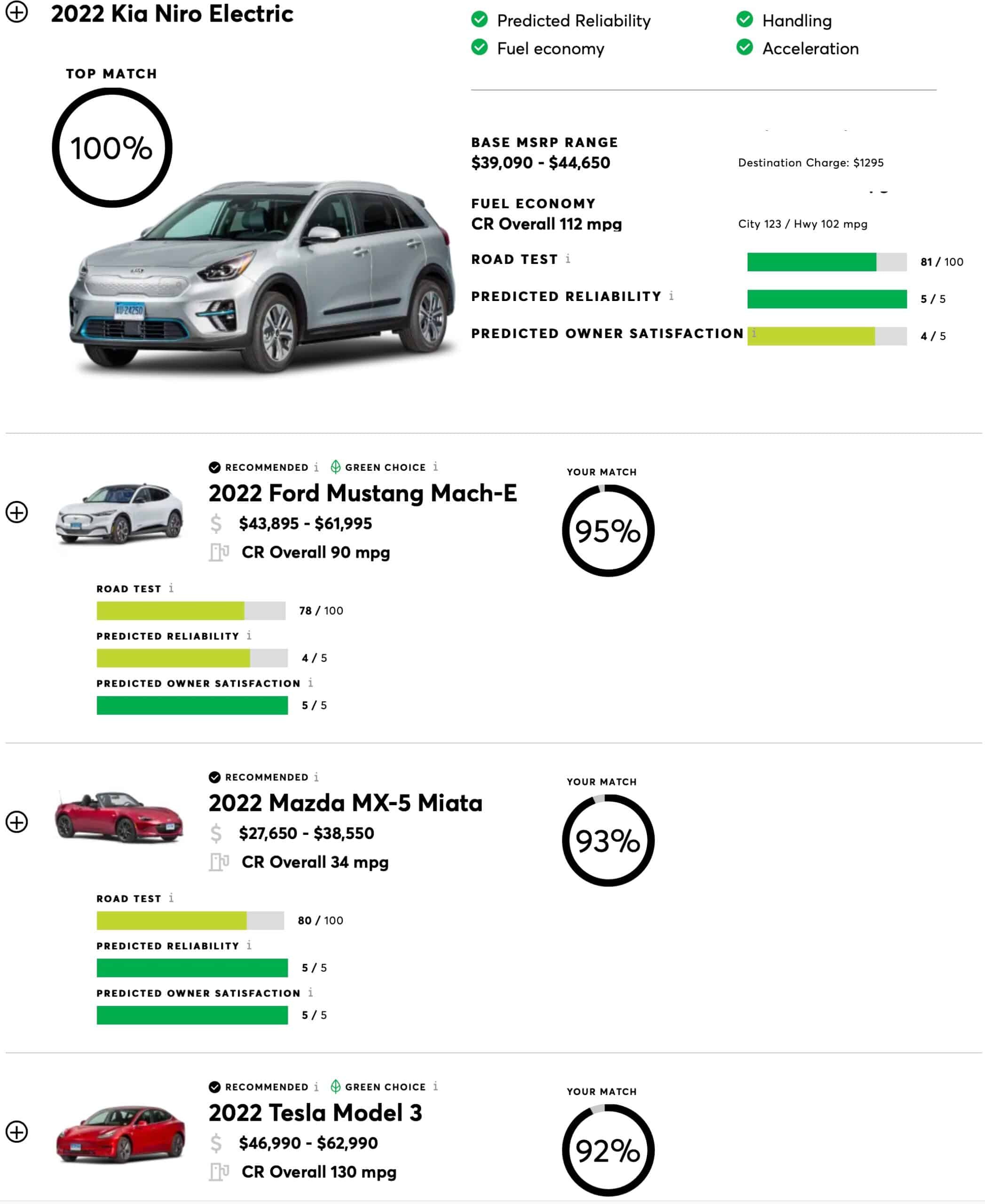
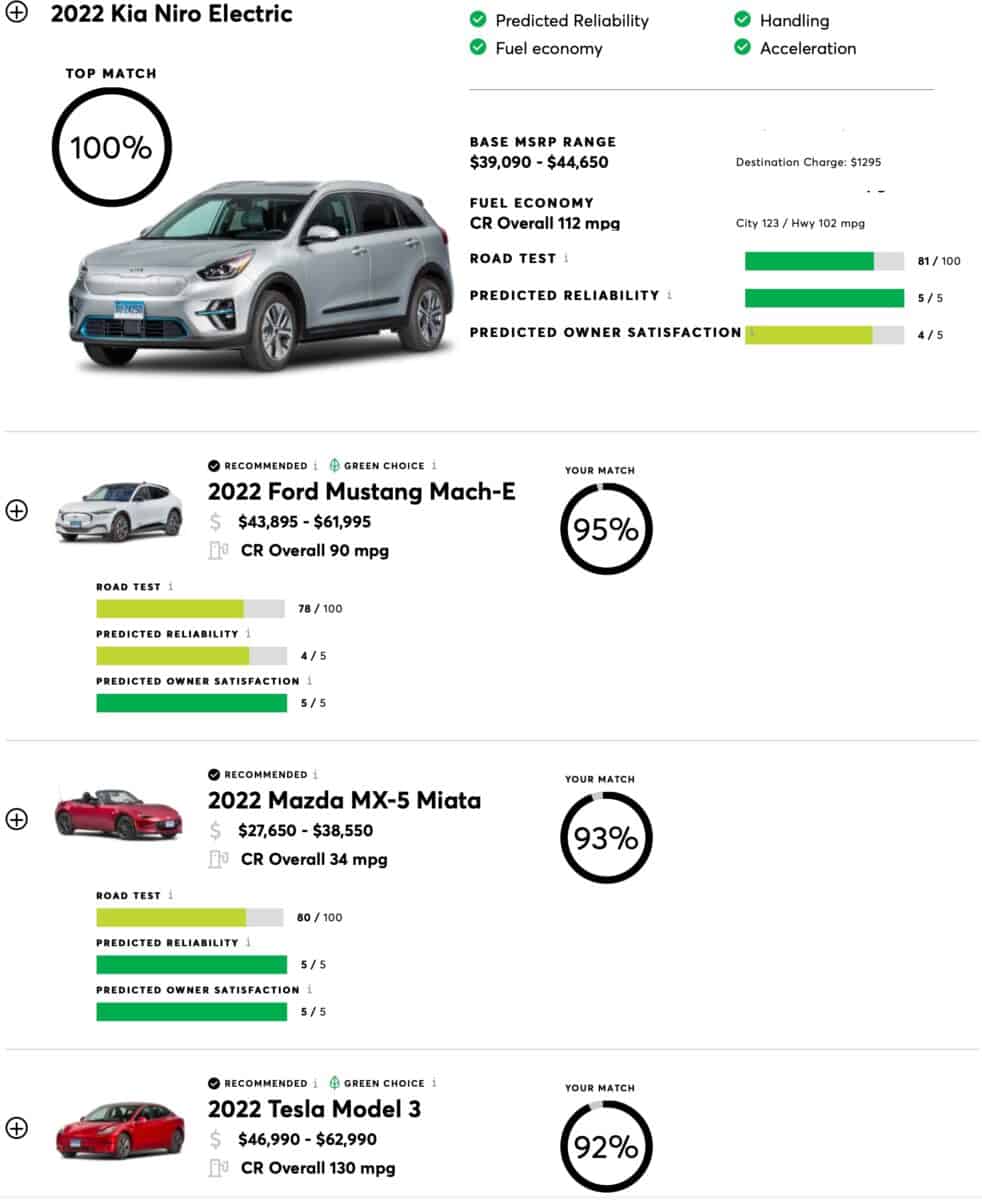
I turned to the Consumer Reports car finder tool, a resource that helped narrow my preferences. My criteria were specific: agility, manual transmission, and high driver satisfaction. While the algorithm suggested the Kia Niro Electric, the Ford Mustang Mach-E, the Tesla Model 3, and the Hyundai Ioniq 5, I quickly whittled the list down. The electric SUVs were dismissed because, like my Countryman, they were simply not the "small car" experience I craved. The Tesla was ruled out due to concerns regarding long-term reliability and price.
That left one clear winner: the Mazda MX-5 Miata.
The Case for the Impractical
The Miata is, by any traditional definition, an impractical vehicle. It seats two, has minimal cargo space, and offers a cabin that can be quite noisy at highway speeds. However, these "downsides" were exactly what I was looking for. It is a car that demands your attention; it is a machine that prioritizes the experience of driving over the logistics of hauling groceries or passengers.
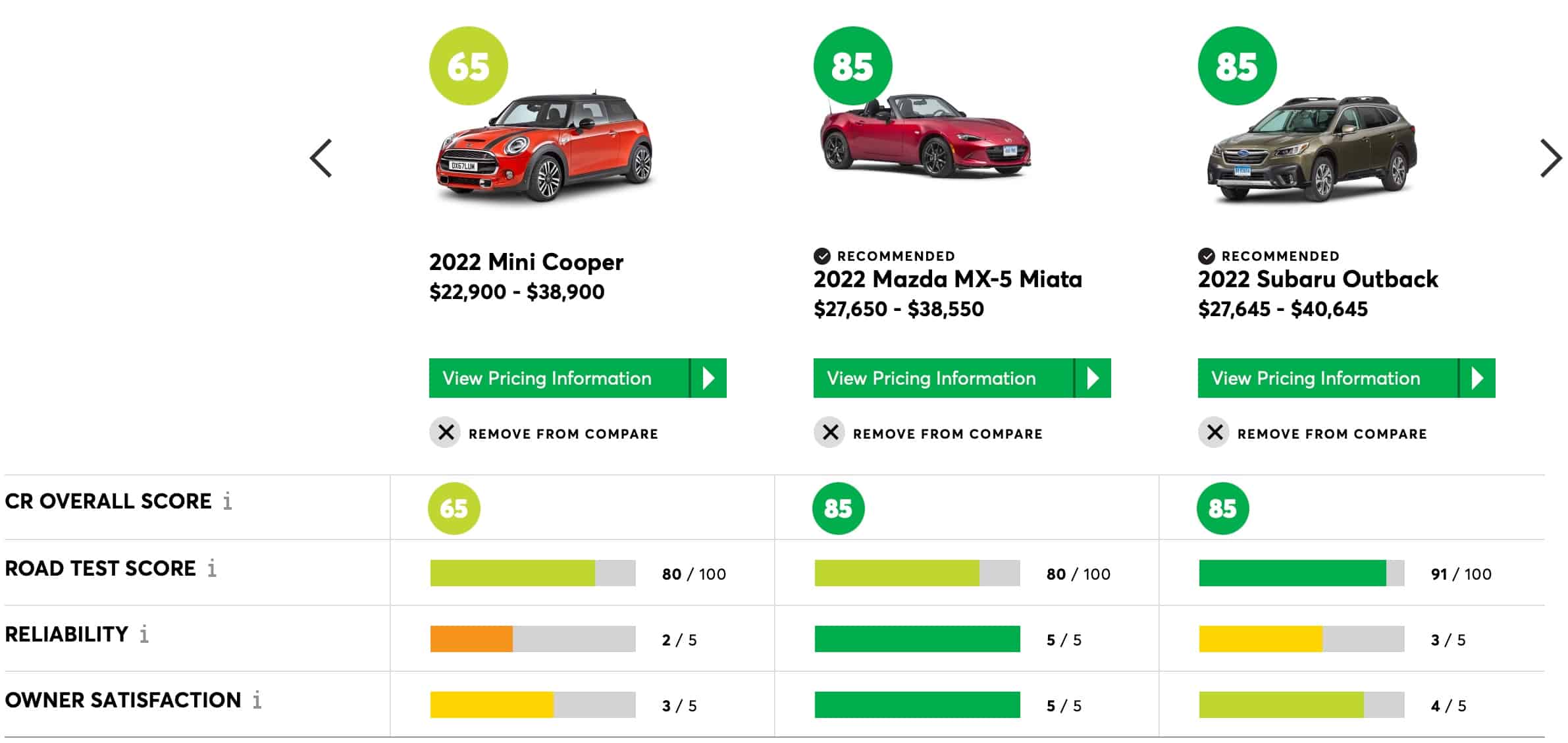
Professional reviews, including those from Consumer Reports, consistently highlighted the "magic" of the Miata. It remains one of the last bastions of the analog driving experience, a car that feels like an extension of the driver’s own body. YouTube reviewers echoed the same sentiment: "It will bring joy to your heart every time you drive it." For a man who had spent years prioritizing the "smart" choice, the idea of buying a car for pure, visceral joy was intoxicating.
The Dealership Encounter
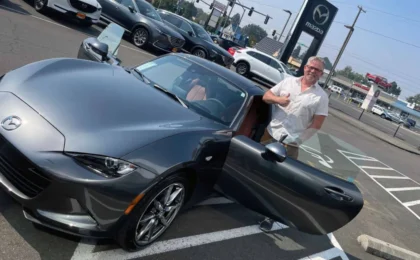
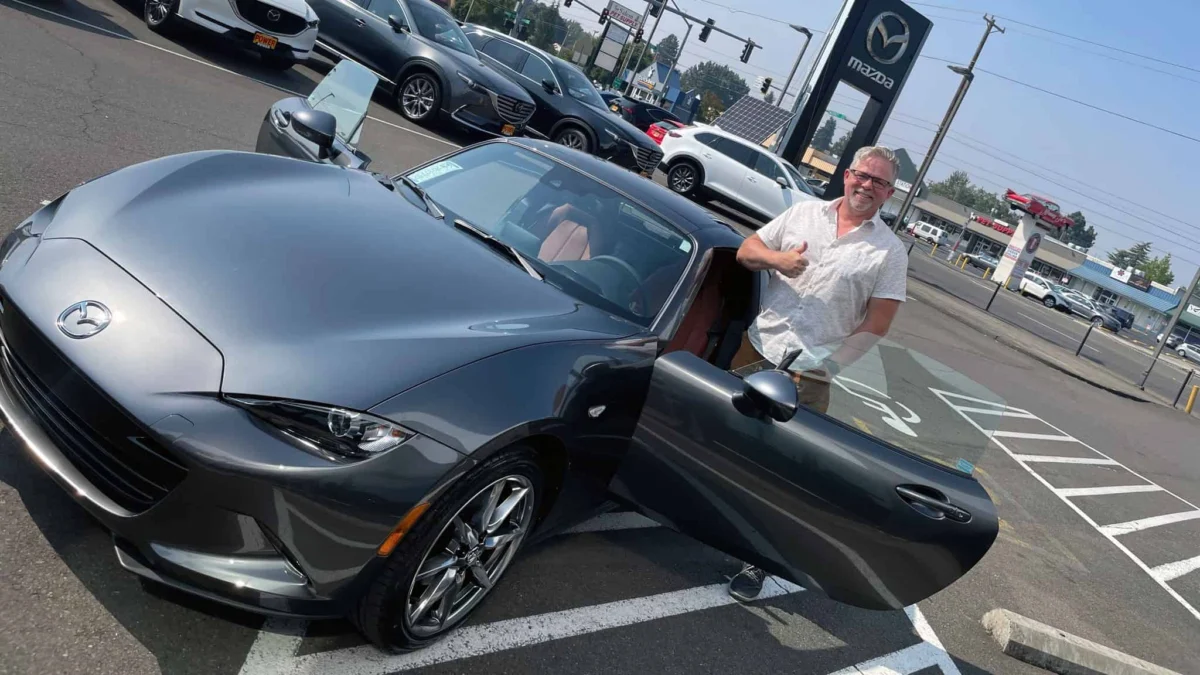
On a Thursday in August, I headed to a Mazda dealership in Salem, Oregon. I arrived with a clear goal: I would buy the Miata if they could match the $33,000 buy-back offer for my Countryman.
The negotiation was a masterclass in transparency. I presented the offer from the Mini dealer. The salesman, initially skeptical, took the documentation to his manager. Within ten minutes, they returned with a counter-offer that matched my terms. However, the dealership did not have the exact configuration I wanted on the lot. I wanted a gray hardtop with a manual transmission.
When the salesman attempted to pivot to the "four-square" sales tactic to get me to buy a car in stock that day, I held my ground. "I am not going home with a car today," I told him. "You don’t have the car I want." We shook hands on a tentative deal, agreeing that I would wait for the specific model to arrive in transit. It was a refreshing departure from the usual high-pressure environment of car sales.
Financial Implications and Emotional Growth
As I waited for the delivery, I wrestled with the psychological weight of the price tag. The total came to $39,245, including a dealer markup—a sum that felt enormous to someone raised in a household where money was tight and "nice things" were viewed as frivolous.
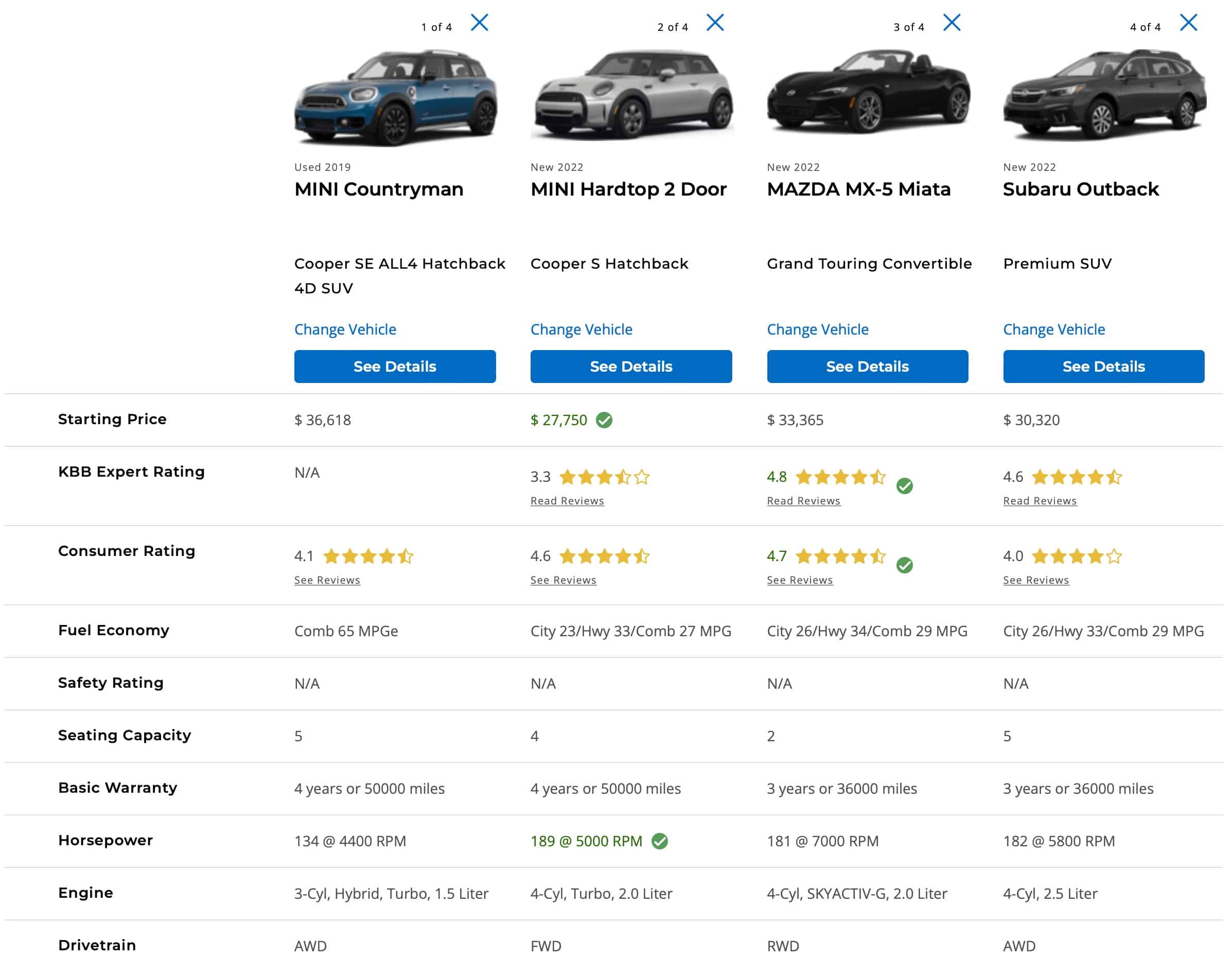
To reconcile this, I used a simple mental exercise: Would I rather have the 2019 Mini Countryman plus $7,000, or a brand-new 2022 Mazda Miata? Viewed through that lens, the decision was not just rational—it was an investment in my own happiness. I sought validation from friends and my partner, all of whom encouraged me to move forward.
When the car finally arrived, it had only five miles on the odometer—the lowest number the dealership’s finance manager had ever seen. The drive home was a revelation. Taking the winding, riverside roads back to Corvallis with the top down, the sun on my face, and the wind in my hair, I realized that I had finally broken the cycle of guilt.
Conclusion: Investing in a Rich Life
The Miata is more than just a vehicle; it is a declaration of intent. It is an acknowledgment that while financial prudence is essential, money is ultimately a tool designed to facilitate a "rich life."
Growing up in poverty left a lingering sense of guilt whenever I purchased something purely for enjoyment. But as I sat in the cockpit of that new Miata, I felt no such weight. I was not just buying a car; I was buying a piece of my own identity that I had neglected for too long. By choosing the car I loved, I wasn’t being reckless—I was finally allowing myself the freedom to enjoy the fruits of my labor. In a world that often demands we be practical at every turn, choosing the joy of the drive was the most sensible decision I have ever made.