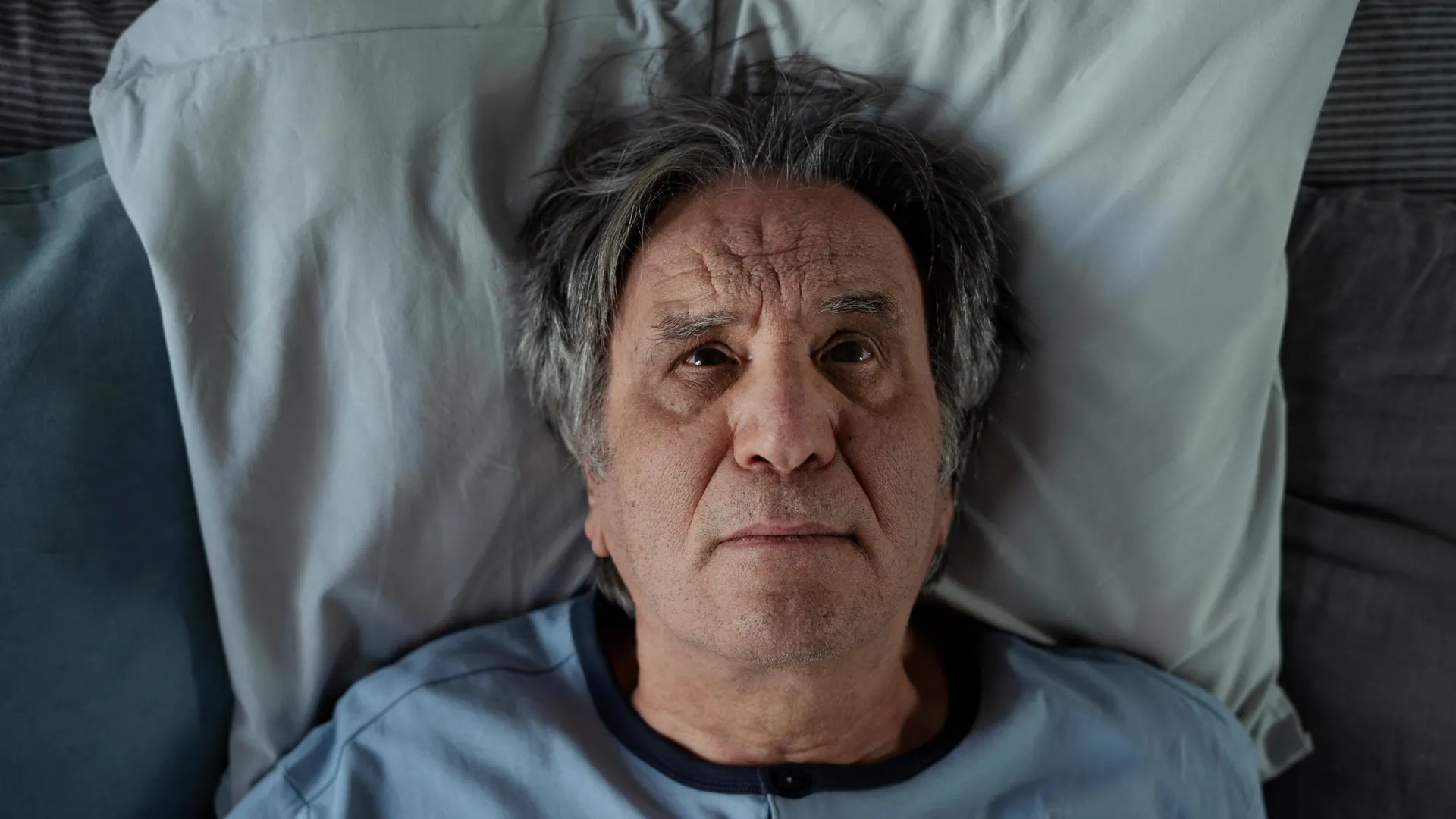
For decades, the medical community has recognized that sleep is not merely a period of inactivity, but a complex, essential process required for the restoration of the brain and body. However, a groundbreaking new study published in the journal Nature has elevated our understanding of this process from a general health recommendation to a precise biological metric.
Led by Junhao Wen, an assistant professor of radiology at Columbia University Vagelos College of Physicians and Surgeons, the research suggests that sleep duration acts as a powerful lever for biological aging. By utilizing advanced machine learning to analyze the aging patterns of individual organs, the study reveals that both sleep deprivation and oversleeping are linked to a systemic acceleration of aging across the brain, heart, lungs, and immune system, effectively acting as a bellwether for future disease risk.
The Core Findings: A U-Shaped Relationship
The study’s most striking conclusion is the identification of a “sleep sweet spot.” Data drawn from approximately half a million participants in the UK Biobank revealed a distinct U-shaped pattern in biological aging. Individuals who reported sleeping between 6.4 and 7.8 hours per night exhibited the slowest rates of biological aging.
Conversely, those who consistently slept fewer than 6 hours or more than 8 hours displayed markers of significantly accelerated biological age. This pattern was not limited to a single organ; rather, it was observed across a comprehensive network of 17 organ systems. The findings suggest that sleep is a fundamental pillar of the “brain-body network,” maintaining the metabolic and immunological stability required to keep biological clocks in sync.
Evolution of Aging Clocks: Moving Beyond Chronology
To understand how sleep influences the body, the research team relied on “aging clocks”—sophisticated computational tools that predict biological age based on molecular and physiological data. While traditional aging clocks often provide a singular, holistic measure of a person’s age, Wen and his colleagues pivoted toward a more granular approach.
The Shift to Organ-Specific Clocks
The development of organ-specific clocks represents a significant technological leap. By integrating data from structural medical imaging, protein levels, and metabolic markers found in blood tests, researchers can now estimate the health of specific organs independently.
“In the liver, for example, we have an aging clock built with protein data, an aging clock of metabolic data, and an aging clock of imaging data,” Wen explains. “This allows us to see whether sleep is distinctively associated with aging clocks derived from multiple omics and molecular layers.” This methodological precision allows scientists to move beyond "average" aging and pinpoint exactly where the body is under stress, providing a roadmap for more personalized, preventative healthcare.
Chronology: From Personal Concern to Global Analysis
The genesis of this study was rooted as much in personal curiosity as in academic rigor. Dr. Wen, who describes himself as a light sleeper, began to question the long-term physiological toll of his own fragmented rest.
- Phase 1: Data Aggregation. The team leveraged the UK Biobank, a massive repository of biological and lifestyle information, to create a dataset of roughly 500,000 individuals.
- Phase 2: Machine Learning Application. Using AI, the researchers identified biological signatures associated with aging in diverse systems.
- Phase 3: Comparative Analysis. The team mapped reported sleep durations against 23 distinct aging clocks.
- Phase 4: Synthesis. Researchers analyzed the correlation between sleep patterns and the incidence of chronic diseases, ultimately developing the "U-shaped" curve model.
Supporting Data: Sleep and the Disease Spectrum
The study’s implications extend far beyond abstract aging markers. The research establishes a clear statistical bridge between abnormal sleep duration and the onset of debilitating chronic conditions.
The Cognitive and Mental Health Link
Short sleep duration (fewer than 6 hours) showed a high correlation with mental health struggles, specifically depressive episodes and anxiety disorders. This supports existing literature that identifies sleep as a critical regulator of emotional stability and cognitive health.
Cardiovascular and Metabolic Consequences
The data revealed that insufficient sleep is significantly associated with a cluster of metabolic and cardiovascular risks, including:
- Obesity and Type 2 Diabetes: Disruptions in metabolic regulation.
- Hypertension: Increased strain on the vascular system.
- Ischemic Heart Disease and Arrhythmias: Direct markers of cardiovascular decay.
Respiratory and Digestive Health
Interestingly, both short and long sleep patterns were linked to pulmonary issues, such as chronic obstructive pulmonary disease (COPD) and asthma. Furthermore, researchers identified an association with gastrointestinal distress, including gastritis and gastroesophageal reflux disease (GERD). These findings underscore that sleep is a "deeply embedded" part of human physiology; when the sleep cycle is disturbed, the ripple effects are felt throughout the entire body.
Official Perspectives: The Brain-Body Connection
Dr. Junhao Wen emphasizes that the study does not definitively state that sleep duration causes aging in a linear, causative fashion. Instead, the results suggest that sleep duration is a crucial diagnostic indicator—a "canary in the coal mine" for underlying systemic health.
“Previous studies have found that sleep is largely linked to aging and the pathological burden of the brain,” says Wen. “Our study goes further and shows that too little and too much sleep are associated with faster aging in nearly every organ, supporting the idea that sleep is important in maintaining organ health within a coordinated brain-body network.”
The study also challenges the notion that all sleep issues should be treated with a one-size-fits-all approach. By utilizing "mediation analysis," the team found that the biological pathways leading to late-life depression differ depending on whether the patient is a short sleeper or a long sleeper. For short sleepers, the connection to depression appears more direct, while for long sleepers, the connection is mediated through aging pathways in the brain and adipose tissue.
Implications for Future Therapeutics
The findings published in Nature carry profound implications for the future of medicine, particularly in the fields of preventative health and geriatric care.
Personalized Medicine
If physicians can use organ-specific aging clocks to monitor patients, they may be able to intervene long before clinical symptoms of disease manifest. If a patient’s "heart clock" is accelerating, and that patient is also a short sleeper, clinicians may prioritize sleep hygiene as a primary intervention alongside traditional cardiology treatments.
Rethinking Sleep Management
The discovery that long sleep (over 8 hours) is also linked to accelerated aging is a critical takeaway for public health. While society frequently focuses on the dangers of sleep deprivation, the risks associated with excessive sleep—often overlooked—are equally significant. This suggests that "sleep quality" and "optimal duration" are more important than simply "getting more sleep."
Future Research Directions
The team plans to continue refining these aging clocks to further differentiate between the biological pathways of short and long sleepers. The goal is to move toward clinical therapeutics that are tailored to the specific biological signature of an individual’s sleep-related aging.
As Dr. Wen notes, “Everyone is excited by these aging clocks and their ability to predict disease and mortality risk. But to me, the more exciting question is, can we link aging clocks to a lifestyle factor that can be modified in time to slow aging?”
By identifying sleep as a modifiable factor, the medical community may soon have the tools to help patients "reset" their internal clocks, potentially slowing the aging process and extending the period of healthy, disease-free life. The study serves as a poignant reminder: the hours we spend with our eyes closed are perhaps the most vital hours of our lives.