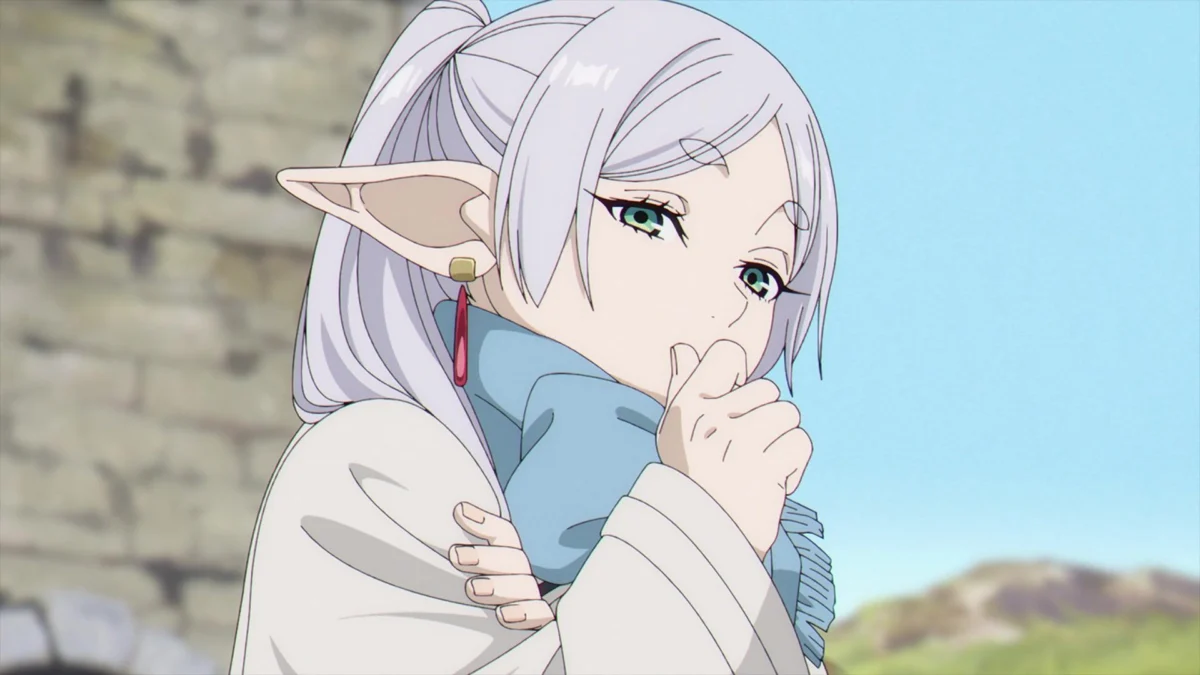
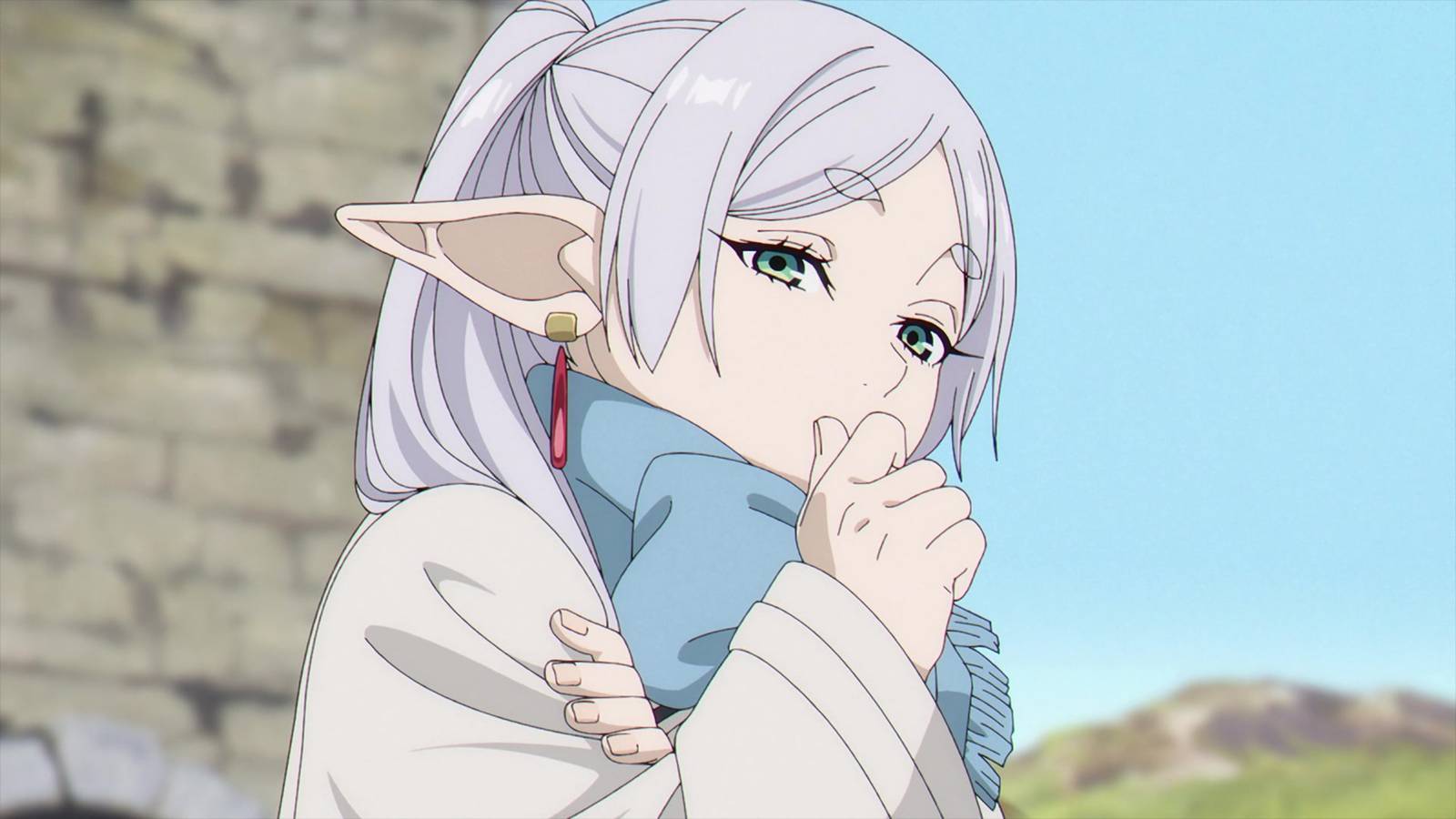
Frieren: Beyond Journey’s End has redefined the fantasy genre, shifting the focus from the climactic battle to the quiet, lingering aftermath. As Madhouse’s masterful adaptation of Kanehito Yamada’s manga prepares for its highly anticipated third season, fans find themselves searching for series that capture that same distinct, melancholic, and deeply meditative spirit.
The Essence of the "Frieren" Experience
Frieren is, by all accounts, a singular achievement in modern animation. While it wears the skin of a traditional shonen fantasy, it systematically subverts the genre’s tropes. Instead of prioritizing constant escalation, it explores the ephemeral nature of time, the profound weight of connection, and the necessity of savoring the journey. It is a story about the intersection of immortality and humanity, where the most significant moments are often those defined by silence, nostalgia, and the slow passage of seasons.
While titles like Delicious in Dungeon and The Apothecary Diaries offer their own brand of "cozy" storytelling, the search for a true Frieren successor requires looking for shows that lean into the existential weight of travel, the beauty of the mundane, and the complexities of long-lived protagonists.
A Chronology of Discovery: The Itinerary of the Soul
To understand why these 11 series are recommended, one must look at the "travelogue" format. Much like Frieren’s pilgrimage to Aureole, these stories utilize the journey as a catalyst for internal growth.
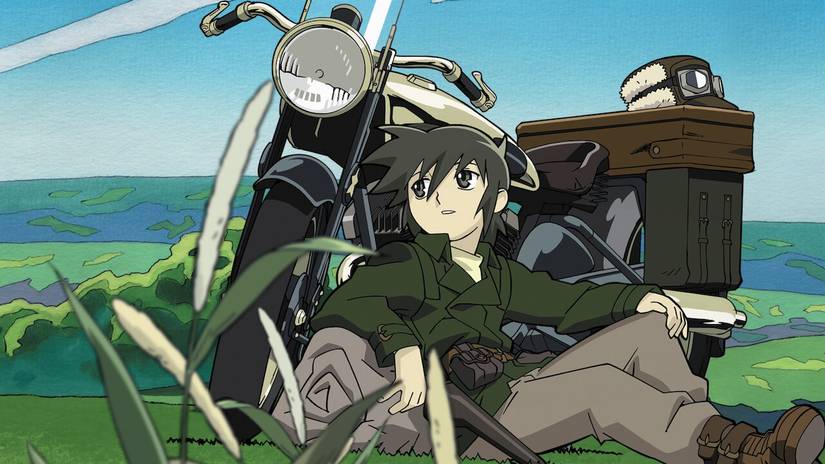
1. Kino’s Journey (Kino no Tabi)
Kino’s Journey is the spiritual precursor to the wandering fantasy. Following a stoic protagonist and her sentient motorcycle, Hermes, the series explores different lands with distinct customs. The strict "three-day rule"—a self-imposed limitation to ensure the traveler never gets too comfortable—mirrors Frieren’s own detachment. It is a philosophical examination of the human condition, stripped of grand narratives and focused on the ethics of the individual.
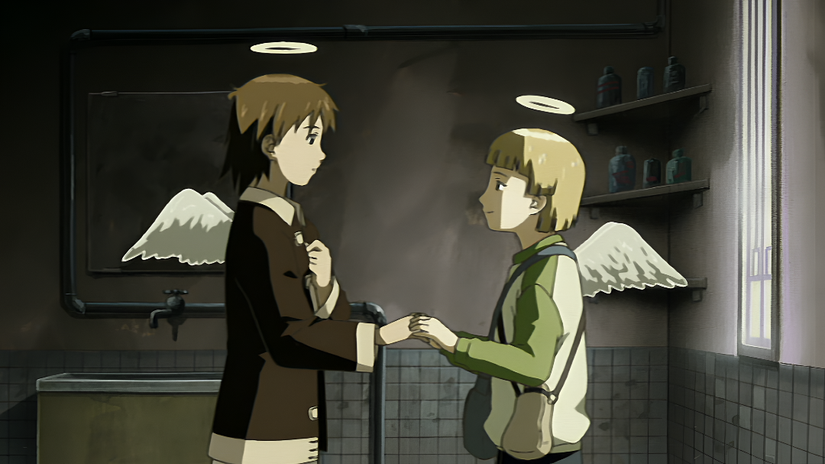
2. Haibane Renmei (Charcoal Feather Federation)
Yoshitoshi Abe’s masterpiece remains a gold standard for "low-stakes" existentialism. When Rakka hatches from a cocoon into a walled city, the story becomes a slow-burn meditation on memory, guilt, and acceptance. Its melancholic atmosphere is a perfect companion piece to Frieren’s more somber episodes, focusing on the beauty of a life lived within boundaries.
3. Natsume’s Book of Friends (Natsume Yuujinchou)
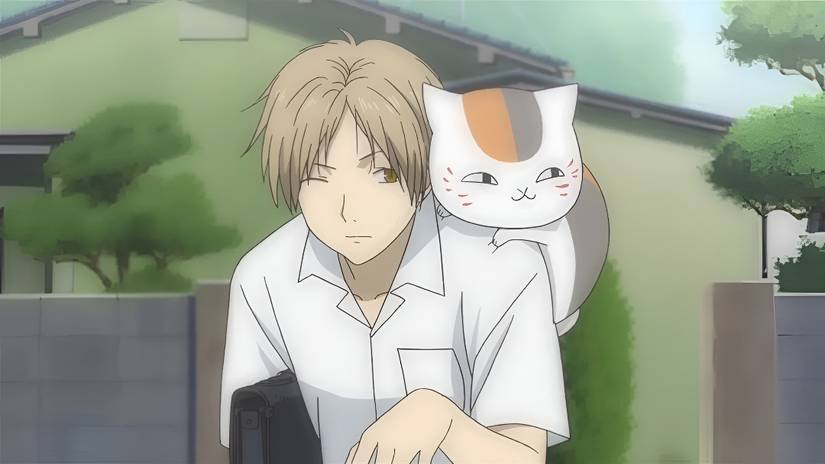
While Frieren deals with long-lived elves, Natsume deals with the short-lived nature of humans from the perspective of a boy who can see spirits. The series is a masterpiece of episodic storytelling. Natsume’s desire to return names to yokai is a parallel to Frieren’s desire to understand the people she once overlooked. It is a gentle, heartbreaking, and ultimately healing look at connection.
4. To Your Eternity (Fumetsu no Anata e)
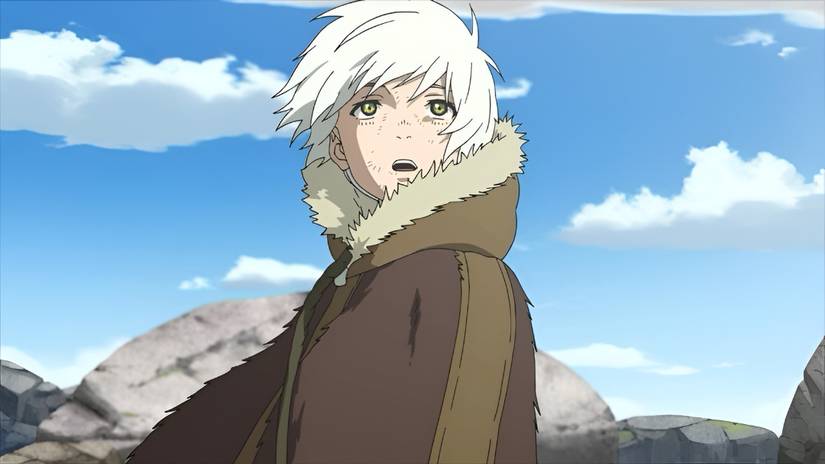
If Frieren is about the warmth of memories, To Your Eternity is about the cold reality of loss. Created by Yoshitoki Ōima, the story follows Fushi, an immortal being who learns what it means to be human through the lives of those he meets. The comparison here is visceral: both protagonists struggle to reconcile their immortality with the fleeting lives of their mortal companions.
5. The Faraway Paladin (Saihate no Paladin)
In a world of high-octane action, The Faraway Paladin stands out for its earnestness. Raised by three undead guardians in the "City of the Dead," Will’s upbringing is as unconventional as Frieren’s. The show prioritizes the lessons passed down from the previous generation, highlighting how the dead shape the living—a core theme that resonates deeply with Frieren’s central narrative.
Supporting Data: Why "Atmospheric" Anime Succeeds
The surge in popularity of these "slow-burn" series is not accidental. Data from streaming platforms indicates a shift in viewer preference toward "iyashikei" (healing) or "atmospherically rich" narratives. This trend suggests that audiences are experiencing "genre fatigue" regarding high-stakes, battle-focused series.
- Pacing as a Narrative Tool: Unlike shows that rely on cliffhangers, the Frieren model uses pacing to force the audience to sit with the characters’ emotions.
- The Power of Setting: In series like Mushi-shi or Girls’ Last Tour, the environment is a character. The world-building is revealed through exploration rather than exposition, mirroring the way Frieren observes the changing landscape of the continent.
Official Responses and Industry Impact
Industry analysts note that Frieren has provided a "roadmap for adaptation." Animation studios, observing the critical and commercial success of Madhouse’s work, are increasingly looking to properties that emphasize character-driven scripts over pure spectacle.
"The success of Frieren has proven that an audience will wait for a slow payoff if the emotional investment is high enough," says animation critic Hiroshi Tanaka. "Studios are now investing more in background art and sound design, knowing that these elements are what truly sustain a series’ longevity."

Implications: The Future of Fantasy
The "Frieren effect" implies that the fantasy genre is maturing. No longer content with just magic systems and power levels, the audience is demanding a deeper engagement with the "aftermath" of adventure.
6. Mushi-shi
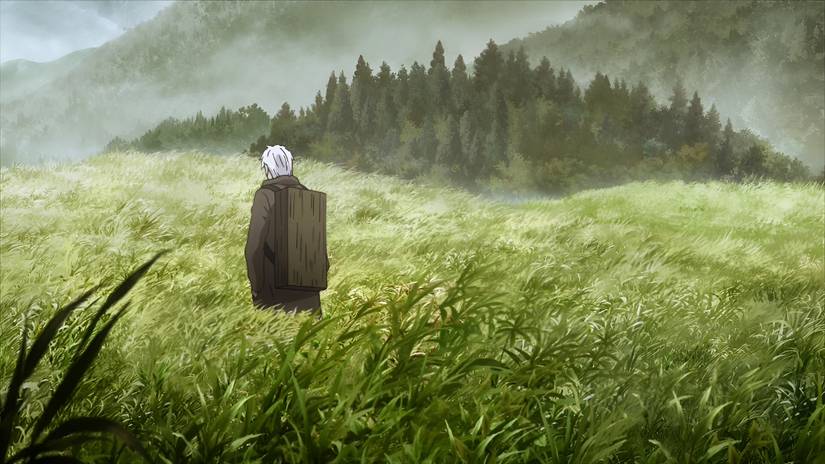
Mushi-shi is perhaps the most structurally similar to Frieren. Ginko’s role as a Mushi-master, a mediator between humans and primordial life, is essentially the profession of an adventurer who prioritizes harmony over conquest. It is a must-watch for those who appreciate the quiet, observational nature of Frieren’s travels.
7. Girls’ Last Tour (Shoujo Shuumatsu Ryokou)
While post-apocalyptic, the series is fundamentally a story about friendship in the face of inevitable entropy. Chito and Yuuri’s trek across a desolate world mirrors the long, lonely roads Frieren travels. It is an essential study in finding joy in the present when the future is uncertain.
8. Witch Hat Atelier
Coco’s journey is one of education and wonder. By emphasizing the process of magic—the meticulous drawing of patterns—the series honors the "labor of love" that Frieren herself embodies. It is a beautiful exploration of how knowledge and care can change the world.
9. Violet Evergarden
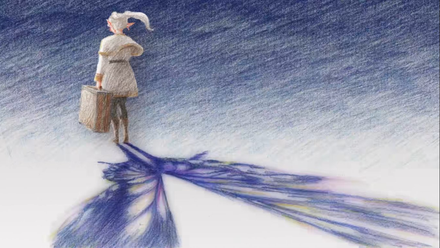
While the setting is steampunk-inspired rather than high fantasy, the character arc of Violet is a perfect echo of Frieren’s. Both are "weapons" who must learn to understand the nuances of human emotion. The series is widely considered one of the most visually stunning works in anime, providing the same "prestige" feel that Frieren carries.
10. Wandering Witch: The Journey of Elaina
Elaina serves as a more whimsical, yet equally poignant, version of the wandering mage. Her journey is defined by her role as an observer. Like Frieren, she visits places and people, leaves an impact, and moves on, accepting that she is but a temporary fixture in the lives of those she encounters.

11. Kino’s Journey (2003 Version)
Revisiting the original 2003 adaptation of Kino’s Journey is highly recommended. It possesses a raw, indie-film aesthetic that captures the loneliness of the road in a way few modern series can. It is the perfect closing chapter to a marathon of series that focus on the quiet, often painful beauty of existing in a vast, changing world.
Final Thoughts
As we await the third season of Frieren: Beyond Journey’s End, these 11 series offer more than just a distraction. They provide a deeper look at the themes that have made Frieren a cultural phenomenon. Whether it is the philosophical detachment of Kino, the tender grief of To Your Eternity, or the quiet wisdom of Mushi-shi, these stories remind us that the most epic journeys aren’t measured in miles or monsters defeated, but in the small, quiet shifts within the heart.
In a world of artificial shortcuts and instant gratification, the endurance of these stories is a testament to the fact that viewers are still hungry for narratives that take their time, breathe, and ultimately, find beauty in the passing of time.