An officer-involved shooting involving Immigration and Customs Enforcement (ICE) in Austin, Texas, has ignited a wave of local protests, sharp political condemnation, and renewed national scrutiny over federal immigration enforcement tactics. The incident, which occurred on a Sunday afternoon, left a Venezuelan national hospitalized and has severely strained relations between Austin’s municipal leadership and federal law enforcement agencies.
1. Main Facts of the Incident
On Sunday, an operational enforcement action by federal Immigration and Customs Enforcement (ICE) agents in Austin, Texas, culminated in an agent discharging their firearm, striking a suspect. Department of Homeland Security (DHS) sources subsequently confirmed that the individual shot is an undocumented immigrant from Venezuela who was subject to a final order of removal—a legal status indicating that all administrative avenues for remaining in the United States had been exhausted.
The shooting took place following what local authorities described as a brief foot pursuit. The suspect sustained a single gunshot wound to the torso. Following the incident, he was transported to a local trauma center, where he remains in serious but stable condition.
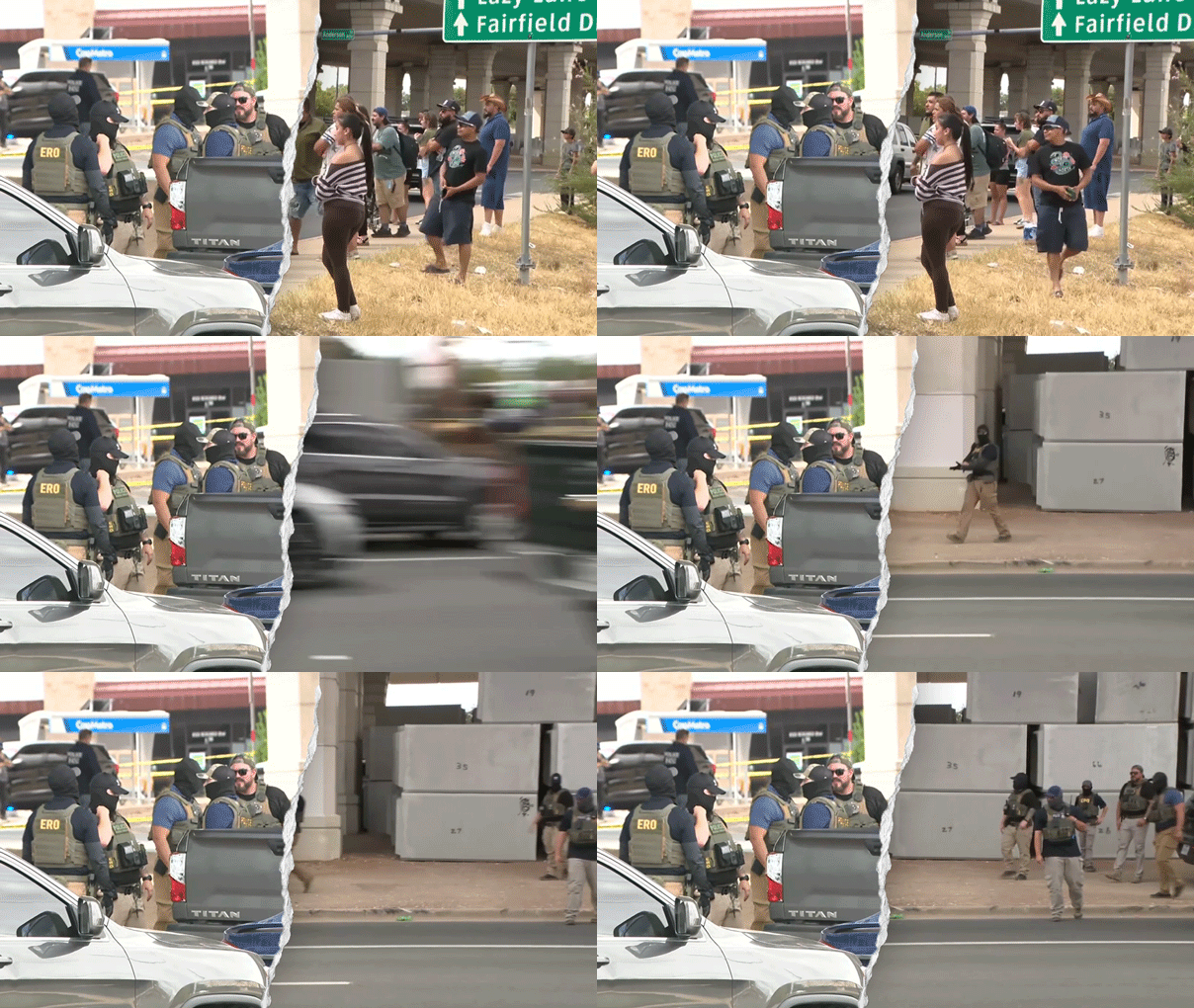
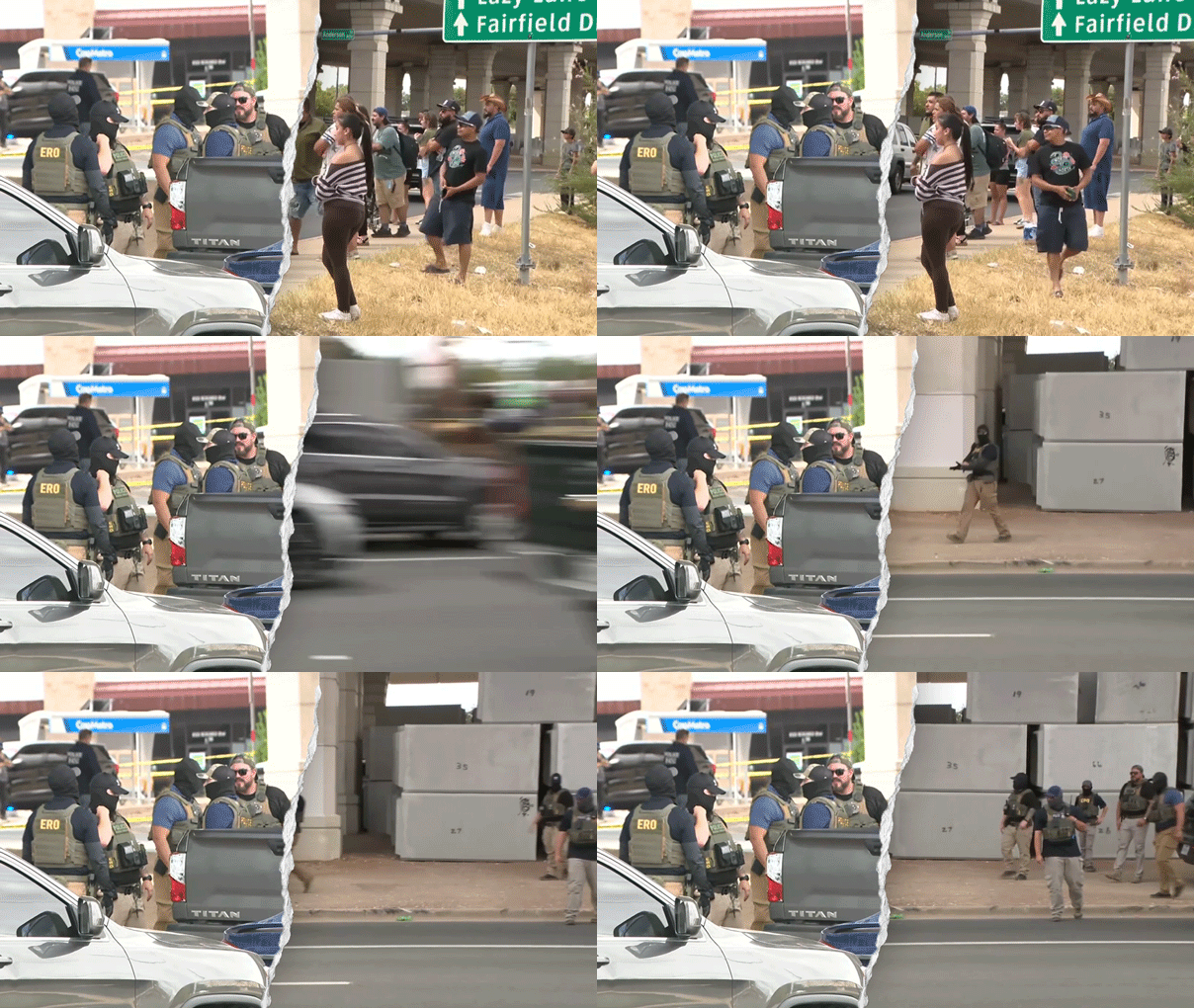
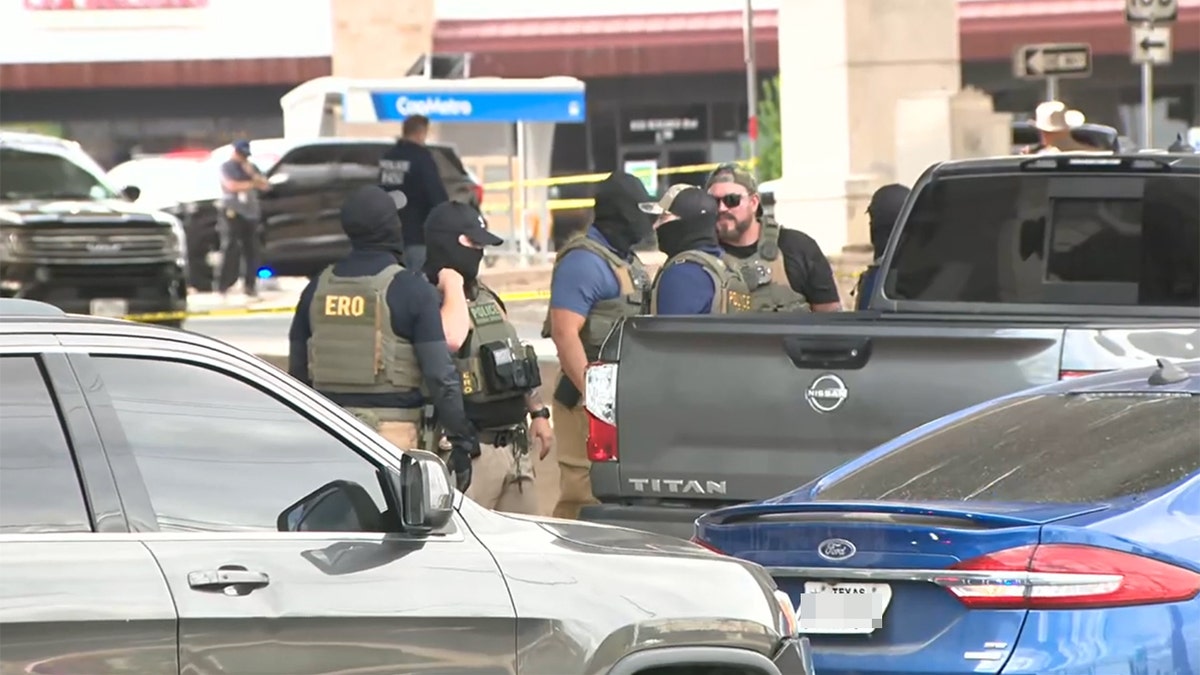
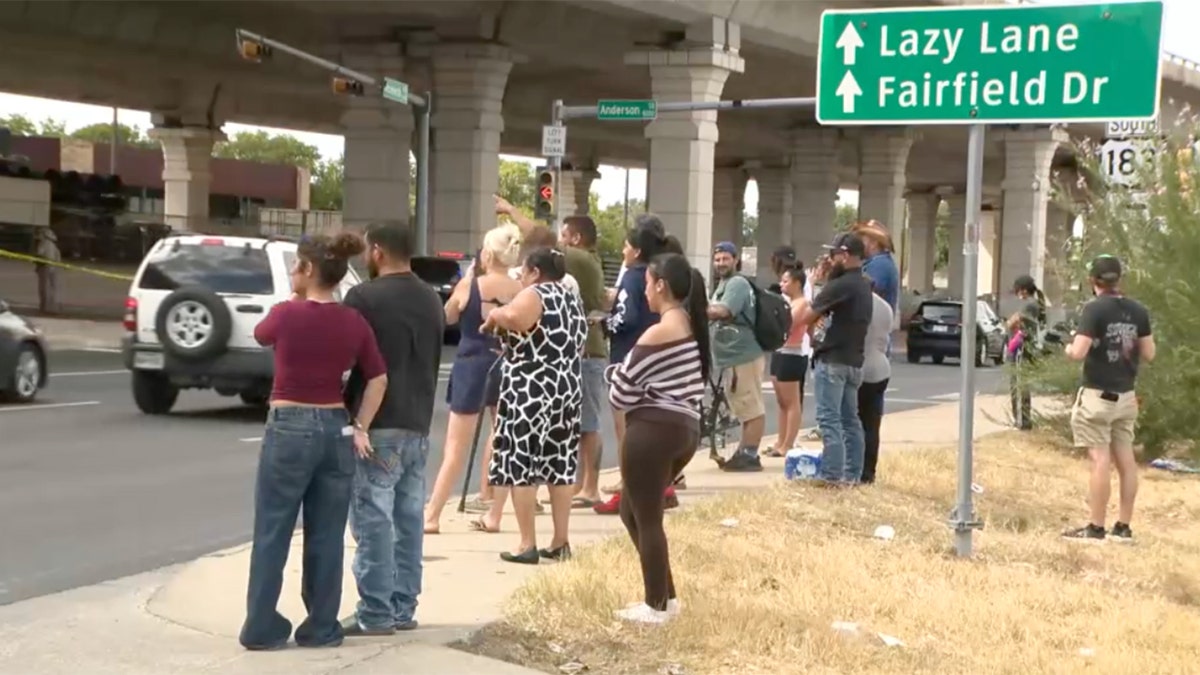
The immediate aftermath of the shooting saw a rapid mobilization of local residents and activist groups. A large, angry crowd gathered near the cordoned-off scene, protesting the federal action. Eyewitness video and social media broadcasts captured demonstrators carrying flags, recording the scene on mobile devices, shouting obscenities at law enforcement officials, and clashing with local authorities who were dispatched to secure the perimeter and manage traffic.
To maintain order and ensure an objective review of the discharge of force, the Austin Police Department (APD) announced that while its officers were not involved in the shooting itself, APD’s Special Investigations Unit would collaborate with the Texas Rangers to conduct a comprehensive investigation into the circumstances surrounding the encounter.
2. Chronology of the Incident and Aftermath
The events of Sunday unfolded rapidly, transitioning from a routine federal enforcement operation to a highly publicized local crisis within a matter of hours.
The Sunday Timeline
- Midday (Pre-Incident): ICE agents attempted to contact and detain the Venezuelan national in a residential or commercial area of Austin, acting on the federal warrant associated with his final order of removal.
- 12:50 p.m. – 12:55 p.m.: A brief foot pursuit ensued between the suspect and federal agents. During this pursuit, an ICE officer discharged their weapon, striking the suspect once in the torso.
- 12:56 p.m.: The Austin-Travis County Emergency Medical Services (ATCEMS) received a dispatch call reporting a shooting at the scene.
- 1:01 p.m.: First responders from ATCEMS arrived at the location, executing emergency medical protocols within five minutes of the initial call.
- 1:10 p.m.: Emergency medical personnel successfully stabilized the patient for transport and removed him from the scene. He was delivered to a regional trauma center within nine minutes of EMS arrival.
- Sunday Afternoon: As news of the shooting spread across social media platforms such as TikTok and X (formerly Twitter), a crowd of demonstrators arrived at the scene. Protesters confronted local police officers who were managing traffic and securing the area.
- Sunday, Late Afternoon: Austin Mayor Kirk Watson, Austin Police Chief Lisa Davis, and ATCEMS Chief Robert Luckritz convened an emergency press conference to address the public, quell rumors, and provide preliminary facts regarding the shooting and the subsequent municipal response.
3. Supporting Data and Contextual Background
The shooting in Austin does not exist in a vacuum; rather, it occurs against a backdrop of heightened political polarization regarding border security, interior enforcement, and the legal protocols governing federal immigration operations.
Understanding "Final Orders of Removal"
Under U.S. immigration law, a "final order of removal" is issued by an immigration judge after an undocumented individual has gone through the removal proceedings and either exhausted all appeals or waived their right to appeal. At this stage, the individual has no remaining legal status to stay in the United States, and ICE Enforcement and Removal Operations (ERO) is legally mandated to execute the deportation. According to DHS data, hundreds of thousands of individuals reside in the United States with final orders of removal, though the agency prioritizes those with criminal histories or those deemed threats to public safety.
Comparative Context: Recent ICE-Involved Shootings and Clashes
The friction observed in Austin reflects a broader, nationwide pattern of escalating confrontations between federal immigration officers, local communities, and municipal governments.
+------------------+-----------------------+---------------------------------------------------------+
| Location         | Date                  | Incident Details                                        |
+------------------+-----------------------+---------------------------------------------------------+
| Austin, TX       | Current Incident      | Venezuelan national shot in torso during foot pursuit.   |
+------------------+-----------------------+---------------------------------------------------------+
| Houston, TX      | Recent                | Fatal shooting by ICE; agents lacked body-worn cameras. |
+------------------+-----------------------+---------------------------------------------------------+
| Newark, NJ       | May                   | Protesters clashed with state police outside detention. |
+------------------+-----------------------+---------------------------------------------------------+
| Minneapolis, MN  | January (Early)       | Renee Good fatally shot after allegedly ramming agents. |
+------------------+-----------------------+---------------------------------------------------------+
| Minneapolis, MN  | January (Late)        | Alex Pretti fatally shot while filming federal officers.|
+------------------+-----------------------+---------------------------------------------------------+- The Houston Controversy: Prior to the Austin incident, federal operations in Houston drew sharp criticism when ICE agents fatally shot a suspect. Subsequent investigations revealed that the agents involved were not wearing body-worn cameras, sparking a major debate over transparency and the implementation of DHS camera mandates.
- Delaney Hall Clashes (Newark, NJ): In May, intense clashes erupted outside the Delaney Hall immigration detention center in Newark, New Jersey. Activists protesting federal detention policies defied state police orders to disperse, leading to physical confrontations and arrests. Newark Mayor Ras Baraka publicly criticized the aggressive tactics used by state troopers, illustrating the frequent disconnect between local leaders and state/federal law enforcement priorities.
- The Minnesota Fatalities: In January, Minneapolis became a flashpoint for anti-ICE sentiment following two separate fatal shootings. In early January, Renee Good was shot and killed by an ICE agent after authorities alleged she attempted to run over federal officers with her vehicle. On January 24, Alex Pretti was fatally shot by agents under highly disputed circumstances while recording federal officers during an active operation. These incidents galvanized local activist networks and intensified demands for federal oversight.
4. Official Responses and Political Fallout
The political reaction to the Austin shooting was swift, exposing deep divisions between local progressive leaders and federal enforcement entities.
Municipal Leadership Expresses Outrage
During the Sunday afternoon press conference, Austin Mayor Kirk Watson did not hide his displeasure regarding the federal operation. Watson expressed that he was "very angry" and "extremely unhappy" about the shooting. He accused ICE of operating in a manner that fosters "fear and chaos" within the local community.
Watson also raised systemic concerns regarding accountability, questioning the propriety of federal agencies conducting internal reviews of critical incidents without robust local oversight. However, the Mayor also urged the public to exercise caution and avoid drawing hasty conclusions based on unverified videos circulating on social media.
Austin Police Chief Lisa Davis sought to reassure residents that the Austin Police Department was entirely separate from the tactical operation that led to the shooting. Davis emphasized that APD’s role was strictly supportive, limited to managing traffic and securing the physical area around the crime scene.
"The city of Austin deserves answers," Chief Davis stated. "We’re going to get all those questions answered, and we’ll be as transparent as we can be." She confirmed that APD’s Special Investigations Unit, in tandem with the Texas Rangers—an elite division of the Texas Department of Public Safety—would lead the independent investigation into the discharge of the firearm.
Congressional Condemnation
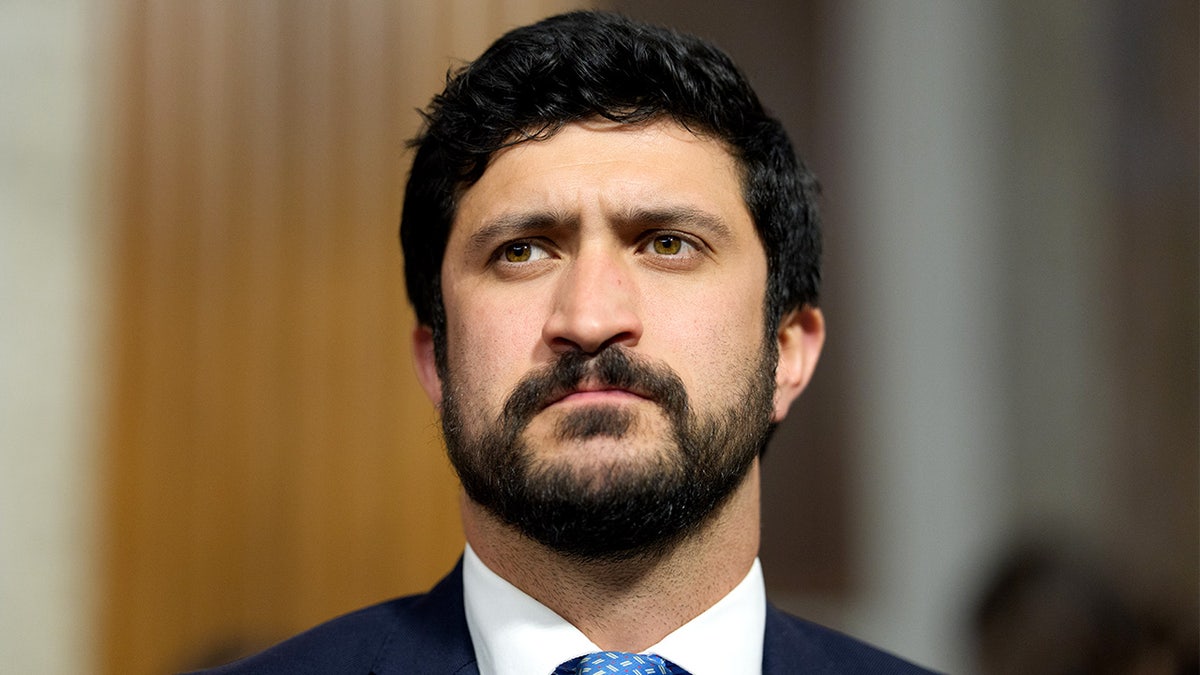
United States Representative Greg Casar (D-Texas), whose congressional district includes portions of Austin, launched a blistering critique of DHS and ICE on public forums and during the joint press conference. Writing on X, Casar asserted:
"ICE has shot a person in Austin this morning. We demand a full, independent investigation and the immediate release of any body-camera footage. Over and over, ICE has shot people and then lied about what happened. We will demand truth, transparency and accountability."
Casar characterized the shooting as part of a "disturbing pattern" of behavior by immigration authorities, referencing past controversial detentions and operations. "They’ve arrested five-year-olds… and now someone has been shot," Casar remarked. "This has got to stop." He went so far as to characterize the Department of Homeland Security as one of the "greatest threats to our safety" in the wake of the incident.
5. Implications for Federal Immigration Enforcement and Local Governance
The shooting in Austin highlights several critical challenges facing modern law enforcement, immigration policy, and federal-local relations in the United States.
The Jurisdictional Friction
The incident underscores the ongoing friction between "sanctuary" or highly progressive municipal governments and federal immigration authorities. Cities like Austin often implement policies designed to limit local police cooperation with ICE to foster trust between immigrant communities and local law enforcement. When federal agencies conduct unilateral, high-stakes operations within these city limits, local officials often feel bypassed, arguing that such actions disrupt community policing efforts and create widespread panic among immigrant populations.
The Body-Worn Camera Mandate Debate
A central issue in the political fallout is the demand for body-camera footage. While many municipal police departments, including APD, have universal body-camera mandates, federal agencies have historically been slower to adopt and release such footage. Although DHS has initiated policies to equip agents with body-worn cameras, inconsistencies in implementation—as highlighted by the Houston shooting—continue to fuel skepticism. The lack of immediate, publicly available footage often exacerbates public distrust and allows competing narratives to dominate social media.
Public Safety vs. Federal Mandates
From a federal enforcement perspective, agencies like ICE are tasked with executing court-ordered removals to maintain the integrity of the nation’s immigration system. Proponents of federal enforcement argue that agents frequently face dangerous, unpredictable situations when attempting to apprehend individuals who are actively evading deportation. They contend that restricting federal authority or subjecting federal agents to local municipal vetoes would severely compromise national security and the rule of law.
As the joint investigation by the APD Special Investigations Unit and the Texas Rangers proceeds, the findings will likely influence the ongoing debate over federal law enforcement accountability, the safety of immigration officers on the ground, and the civil rights of the communities in which they operate.