
Main Facts: The Juror’s Defense and the Allegations of Bias
In the wake of a highly publicized mistrial in the triple-murder case of Lindsay Clancy, a prominent juror has publicly defended the panel’s deliberations against growing allegations of systemic bias. Paula Devlin, a 65-year-old resident of Whitman, Massachusetts, has stepped forward to address critics who claim the jury approached the emotionally charged trial with a pre-existing ideological agenda.
Speaking in an exclusive interview, Devlin asserted that her post-trial commentary was not indicative of partiality, but rather a reflection of the profound systemic failures exposed during the courtroom proceedings.
"We didn’t know what was going on outside of that room, but we knew that we had a chance to get a conversation started that could change something, that could maybe stop this from ever happening again," Devlin said. "I think that’s one of the reasons why we feel—or I feel—so strongly about this is that I hope that no other woman or husband has to go through this."
The controversy arose after Devlin made similar remarks over a weekend, leading some legal observers and members of the public to suggest that the jury was less focused on the strict application of criminal law and more interested in using the trial as a platform for advocacy. Devlin has firmly pushed back against these claims, arguing that the jury’s inability to reach a unanimous verdict was rooted in substantive evidentiary gaps in the prosecution’s case rather than personal sympathy.
According to Devlin, the defense of postpartum illness is not a matter of gender bias, but an undeniable medical reality. "We looked at the evidence, and the evidence had holes in the prosecution’s case," she explained. "In the biggest piece of the whole case, the whole thing was based on mental health. How can you have bias if only women can go through postpartum depression? Only women can go through postpartum psychosis. Only women can deliver a baby. That’s not biased. That’s just a fact."
Chronology of the Case: From Tragedy to Trial
To fully comprehend the gravity of the jury’s deadlock and the subsequent public debate, it is necessary to examine the timeline of events that began in late 2022 and culminated in the tense courtroom battles of 2026.
[Late 2022 - Jan 2023] ──> [January 24, 2023] ───────> [Feb 2023 - Early 2026] ──> [Feb - Sept 2026]
Lindsay Clancy seeks      Tragedy in Duxbury;        Medical evaluations;          Trial, deadlock,
psychiatric help for      strangulations and         arraignment, and intense      and subsequent
severe mental decline.    suicide attempt.           legal preparations.           mistrial declared.
The Descent and the Search for Help (Late 2022 – January 2023)
Lindsay Clancy, a 36-year-old labor and delivery nurse at Massachusetts General Hospital, was a well-respected professional and a devoted mother of three. Following the birth of her youngest child, Callan, Clancy began experiencing severe anxiety, depression, and intrusive thoughts.
In the months leading up to January 2023, she repeatedly sought medical intervention. She consulted with numerous psychiatrists, was prescribed a rotating cocktail of psychiatric medications, and even admitted herself to a psychiatric facility in a desperate bid to stabilize her deteriorating mental state. Despite these efforts, family members and defense attorneys note that her condition continued to spiral.

The Tragedy in Duxbury (January 24, 2023)
On the evening of January 24, 2023, Patrick Clancy, Lindsay’s husband, left their suburban home in Duxbury, Massachusetts, to pick up takeout food and a prescription medication from a local pharmacy—an errand that took approximately 55 minutes.
During this brief window of time, Lindsay Clancy used exercise resistance bands to strangle her three children: Cora, 5; Dawson, 3; and Callan, 8 months.
Immediately following the acts, she slashed her own wrists and neck before jumping from a second-story window of the family home. Patrick returned to find his wife severely injured in the backyard and his three children unresponsive in the basement. Cora and Dawson were pronounced dead that evening; infant Callan survived on life support for several days before succumbing to his injuries. Lindsay survived the fall but suffered a severed spinal cord, leaving her permanently paralyzed from the waist down.
Legal Proceedings and Arraignment (February 2023 – February 2026)
Following her recovery in the hospital, Clancy was charged with three counts of first-degree murder, strangulation, and assault and battery. She pleaded not guilty, with her defense team immediately signaling an insanity defense based on severe postpartum psychosis.
Over the next three years, Clancy underwent extensive physical rehabilitation and psychiatric evaluations. Legal battles ensued over medical records, the admissibility of her statements, and the specific psychiatric diagnoses presented by expert witnesses.
The Trial and Deliberations (February 2026 – September 2026)
In February 2026, the trial officially commenced in Plymouth Superior Court. Over several weeks, jurors were presented with starkly contrasting narratives of the tragedy.
The prosecution painted a picture of a calculated, deliberate act of murder, pointing to her use of Apple Maps to calculate her husband’s travel time as evidence of premeditation. The defense argued that she was in the grip of a profound psychotic break, compelled by auditory hallucinations and severe delusions.
After days of intense deliberations, the jury announced they were hopelessly deadlocked, prompting the judge to declare a mistrial.

Supporting Data and Medical Context
The trial of Lindsay Clancy brought the rare and poorly understood medical condition of postpartum psychosis (PPP) into the national spotlight. Legal experts and medical professionals alike have scrutinized the evidence presented during the trial, emphasizing the statistical and clinical realities of maternal mental illness.
Postpartum Depression vs. Postpartum Psychosis
While postpartum depression (PPD) affects approximately 10% to 15% of new mothers, postpartum psychosis is a far more severe and dangerous psychiatric emergency, occurring in only 1 to 2 out of every 1,000 deliveries.
| Feature | Postpartum Depression (PPD) | Postpartum Psychosis (PPP) |
|---|---|---|
| Prevalence | 10% – 15% of births | 0.1% – 0.2% of births |
| Onset | Gradually within the first year | Sudden, typically within 2–4 weeks postpartum |
| Key Symptoms | Persistent sadness, fatigue, severe anxiety, guilt | Delusions, hallucinations, mania, severe confusion, paranoia |
| Risk Factors | History of depression, lack of social support, stress | History of bipolar disorder, previous psychotic episodes |
| Infanticide Risk | Extremely low | Significant (approximately 4% – 5% risk) |
Clinical data demonstrates that PPP is characterized by a rapid onset of hallucinations, delusions, and extreme cognitive disorganization. Individuals suffering from PPP often experience command hallucinations—voices telling them to harm themselves or their children—frequently accompanied by the delusion that they are saving their children from a worse fate.
The "Good Character" Conundrum in Prosecution
One of the most striking aspects of the trial, according to Devlin, was the prosecution’s inability to produce any witnesses who could testify to any prior abusive behavior or negative character traits on the part of Lindsay Clancy.
"Nobody could find one bad thing to say about this person, and I would bet my house that those prosecutors looked everywhere to find somebody to be derogatory and say derogatory things about Lindsay," Devlin noted. "And nobody could."
In criminal trials where the defendant claims insanity, establishing a history of premeditated malice or baseline hostility is crucial for the prosecution. The lack of any derogatory testimony from colleagues, friends, or family members created what several jurors viewed as an insurmountable "hole" in the state’s narrative of a cold-blooded killer.
Official Responses and Legal Perspectives
The declaration of a mistrial and the subsequent public statements by jurors have drawn mixed reactions from the legal community, advocacy groups, and those directly touched by the tragedy.
The Prosecution’s Position
The Plymouth County District Attorney’s office has maintained that accountability is paramount, regardless of the mental health challenges a defendant may face. Throughout the trial, prosecutors argued that Clancy’s actions were planned and executed with clear cognitive awareness. They emphasized:

- The deliberate timing of the errand.
- The physical effort required to strangle three children sequentially with resistance bands.
- The initial concealment of her plans from her husband.
In response to the mistrial, prosecutors expressed disappointment but indicated their intention to seek a retrial, asserting that the lives of the three young victims demand a definitive legal resolution.
The Defense’s Response
Defense attorney Kevin Reddington has continually argued that prosecuting a woman who was actively psychotic at the time of the offense is a miscarriage of justice. The defense team emphasized that Clancy was "overmedicated" with a succession of powerful psychotropic drugs, which they argue exacerbated her underlying psychosis rather than treating it.
Responding to Devlin’s recent comments, the defense noted that the jury’s deadlock reflects a growing societal and legal recognition that postpartum psychosis is a devastating medical condition that deprives an individual of criminal responsibility.
Patrick Clancy’s Stance
Perhaps the most poignant response throughout the ordeal has come from Patrick Clancy, the children’s father. Shortly after the tragedy in 2023, Patrick released a public statement expressing forgiveness for his wife, stating that she was not the woman who committed those acts, but rather a loving mother who had been overcome by a horrific illness.
Following the mistrial in 2026, Patrick spoke out regarding the prospect of another trial, expressing a desire for peace and healing while acknowledging the immense pain of reliving the tragedy through public court proceedings.
Implications: The Psychological Toll and Societal Impact
The unresolved status of the Lindsay Clancy case carries deep implications for the American legal system, the medical community, and the jurors tasked with deciding such harrowing cases.
The Burden on Jurors
Devlin’s public reflections highlight the severe emotional and psychological toll experienced by jurors in high-profile trials involving violence against children.
"Those three little faces and just wondering if we missed something, if we didn’t ask the right questions of each other, if we could have done better—it’s hard not to feel like we failed," Devlin admitted. "I mean everybody says we didn’t fail, but it’s hard to not feel that when you’re given a task and you don’t accomplish it."
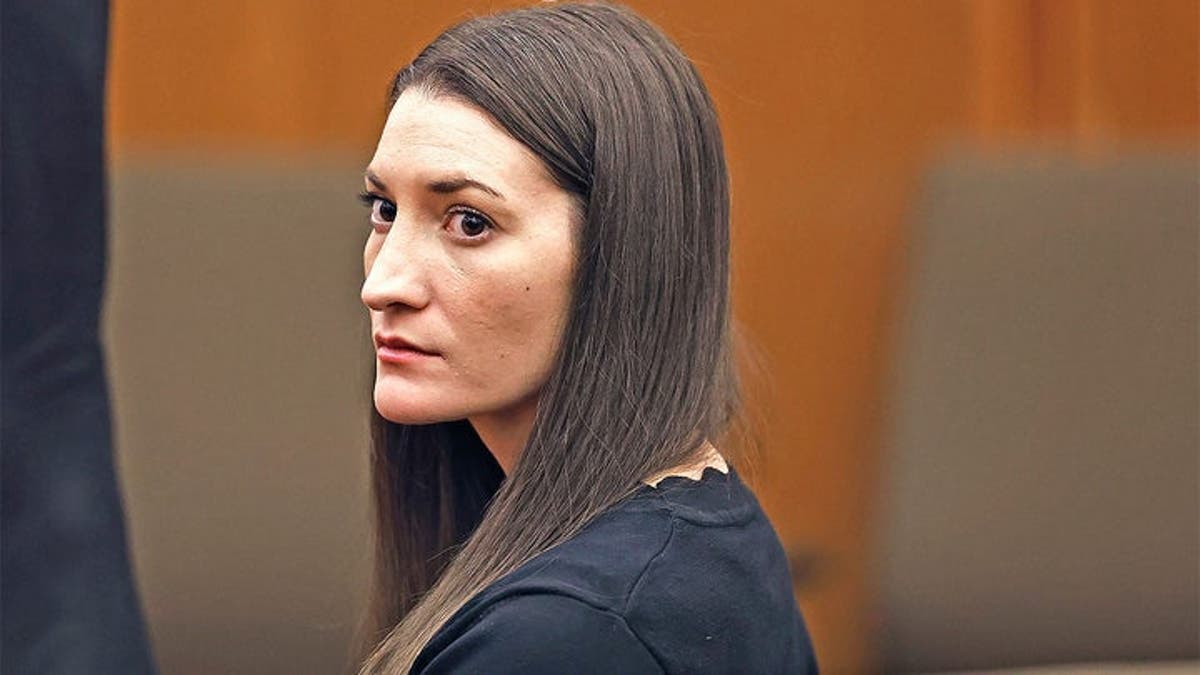
Psychological studies on jury duty suggest that exposure to graphic evidence, combined with the pressure of reaching a unanimous decision in a deadlocked room, can lead to symptoms akin to secondary traumatic stress. For Devlin and her fellow jurors, the faces of Cora, Dawson, and Callan remain an enduring presence, illustrating the silent burden carried by ordinary citizens thrust into the heart of tragedy.
Legal and Medical Reform
The Clancy trial has catalyzed a broader national conversation regarding how the criminal justice system handles maternal mental health crises. Legal scholars argue that existing insanity defense standards—which often require a defendant to prove they did not know right from wrong at the exact moment of the crime—are poorly equipped to handle the nuanced, fluctuating nature of postpartum psychosis.
Advocates are using this case to lobby for several key changes:
- Postpartum Psychosis Legal Standards: The introduction of specific legal frameworks that allow for diminished capacity or "guilty but mentally ill" verdicts tailored to postpartum conditions.
- Maternal Mental Health Screening: Mandated, comprehensive psychiatric screenings for postpartum mothers during pediatric and obstetric follow-ups.
- Crisis Intervention Upgrades: Enhanced training for healthcare providers to recognize the subtle warning signs of emerging psychosis, ensuring that mothers showing signs of severe distress are hospitalized rather than sent home with fluctuating pharmaceutical prescriptions.
Ultimately, while the legal future of Lindsay Clancy remains uncertain, the dialogue sparked by jurors like Paula Devlin ensures that the tragedy will continue to influence how society balances the demands of criminal justice with the realities of severe maternal illness.