When outsiders think of Boston’s culinary identity, their minds often drift toward the maritime bounty of fresh lobster, the saccharine decadence of the Boston Cream Pie, or the ubiquitous, caffeine-fueled cultural phenomenon of Dunkin’. Yet, tucked away along the salt-sprayed coastline of the North Shore, there exists a culinary secret that has defined the region’s blue-collar soul for over seven decades: the "North Shore 3-Way."
While it may lack the national name recognition of a Philadelphia Cheesesteak or a Chicago Italian Beef, the 3-Way is a point of fierce local pride. It is a sandwich governed by strict, almost liturgical rules regarding the ratio of meat to bread and the precise trifecta of toppings that give it its name. To understand the 3-Way is to understand the North Shore itself—unpretentious, deeply rooted in tradition, and unapologetically savory.
The Anatomy of a Regional Icon: Main Facts
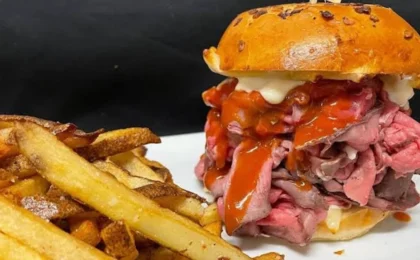
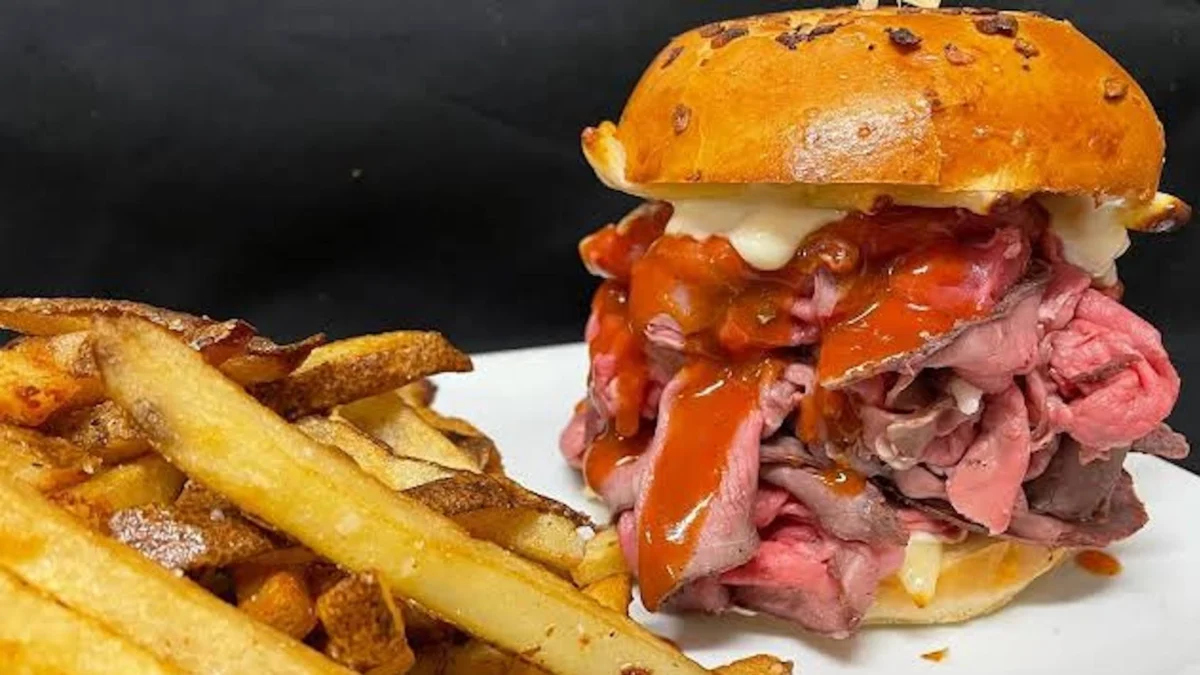
At its core, the North Shore 3-Way is a masterclass in the balance of textures and flavors. It begins with thinly shaved, rare roast beef—typically sourced from the top or bottom round—that is cooked to a tender, blushing pink. This beef is piled high onto a soft, plush onion roll, which is toasted just enough to provide a structural foundation without sacrificing its pillowy interior.
The "3-Way" designation refers to the mandatory trio of toppings that define the sandwich:
- Mayonnaise: Preferably "Extra Heavy" (with Cain’s being the gold standard among local aficionados).
- White American Cheese: A processed, mild, and creamy element that provides a salty, melt-in-your-mouth finish.
- James River BBQ Sauce: The outlier that confuses outsiders. This is not the smoky, vinegar-heavy sauce found in the Carolinas or the Kansas City style. James River is distinctively sweet, tangy, and thick, acting as the bridge that binds the savory beef and the creamy cheese into a cohesive, singular bite.
The ritual is as important as the ingredients. The beef must be served warm, the bun must be slightly charred, and there is an unspoken cultural mandate against heavy modification. To order a 3-Way is to accept the formula; to ask for lettuce, tomato, or onions is to signal one’s status as a tourist.
A Chronology of the Beef: From Revere Beach to Regional Legend
The genesis of the 3-Way is a story etched into the coastal history of Massachusetts. The year was 1951, and the setting was Revere Beach, the site of the nation’s first public beach and a bustling hub of summer entertainment.
The Kelly’s Origin Story
Legend dictates that the 3-Way was born at the original Kelly’s Roast Beef on Revere Beach. As the story goes, a local wedding reception had been unexpectedly canceled, leaving the establishment with an insurmountable surplus of premium roast beef. Facing the prospect of waste, the staff began shaving the meat and serving it in generous portions on buns. It was an instant, improvised hit.
The Evolution of the "3-Way"
While Kelly’s provided the foundation of the roast-beef-centric shop model, the sandwich as we know it today was refined in the subsequent decades. The critical inclusion of the James River BBQ sauce is often attributed to Bill and Bob’s in Salem, a historic spot that helped standardize the "North Shore" style. Throughout the 1960s and 70s, the demand for these shops exploded. As factory work and maritime industries thrived in the towns surrounding Boston, these "beef shops" became the unofficial lunchrooms for the working class.
Supporting Data: The "B2B" Ratio and Scale
In the subculture of the North Shore, the "B2B" (Beef-to-Bun) ratio is the primary metric by which a sandwich shop is judged. A "Junior" sandwich is considered a snack, a "Regular" is the standard lunch portion, and a "Super Beef" is the heavy-duty option, often featuring a mountain of meat that tests the tensile strength of the onion roll.
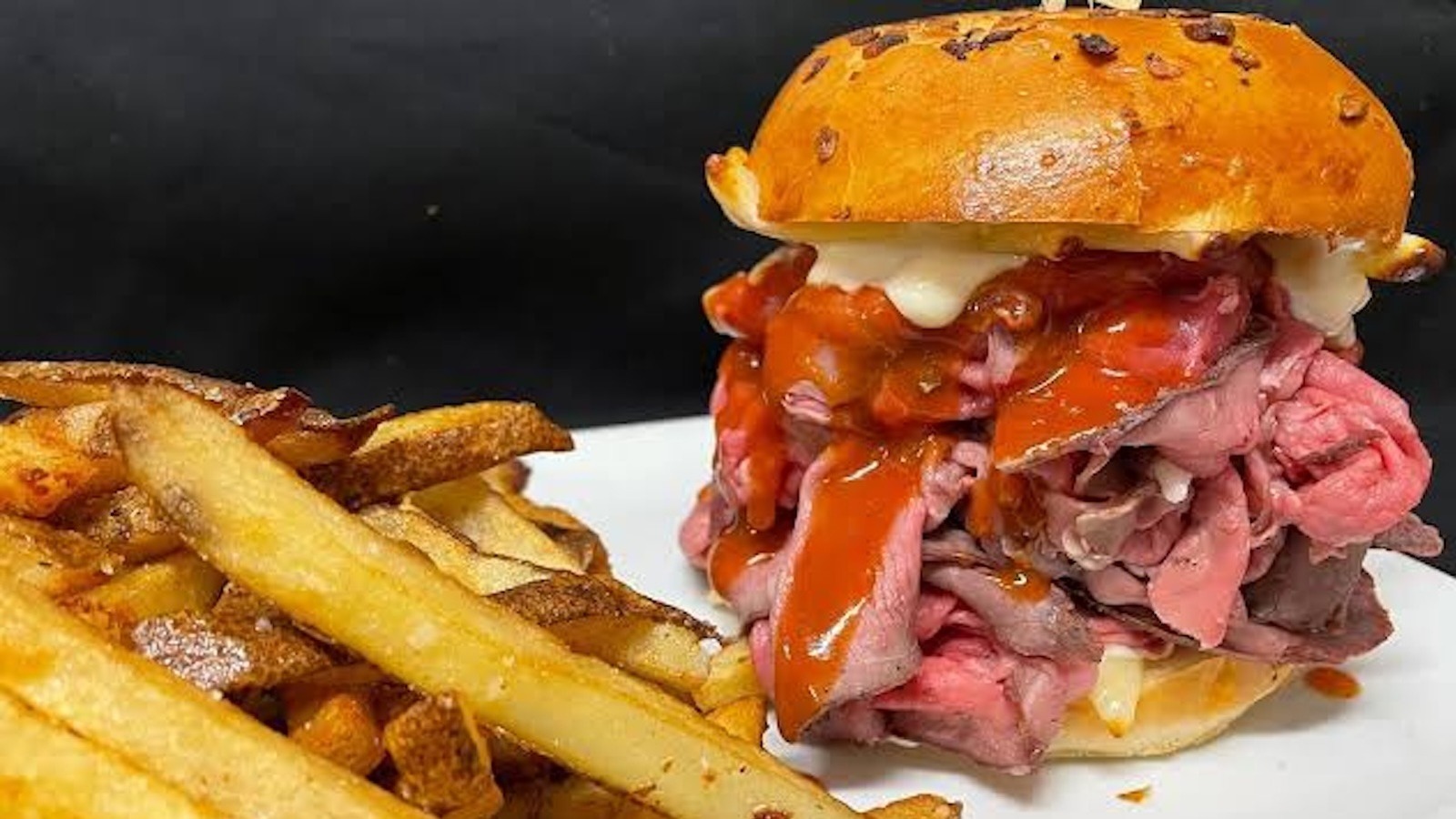
The obsession with quality control is palpable. In many of these shops, the beef is sliced to order on heavy-duty industrial slicers, resulting in the "shaved" texture that allows the BBQ sauce to cling to every crevice of the meat. This isn’t deli-style roast beef; it is a specialized preparation designed specifically for the heat and pressure of the grill.
The Cultural Landscape: Where to Find the Best
While Kelly’s Roast Beef has expanded into a nine-location chain—even crossing state lines into New Hampshire—the true heart of the 3-Way experience remains at the smaller, independent shops. These venues are rarely found in the tourist-heavy districts of downtown Boston; rather, they are hidden in plain sight throughout towns like:
- Danvers: Home to the Modern Butcher, which offers a elevated, artisanal take on the concept, often limited to Saturdays.
- Peabody: Londi’s, a quintessential neighborhood shop that honors the traditional preparation.
- Beverly: Nick’s, a local institution where the staff has been serving the same formula for generations.
- Ipswich: Zeno’s, which maintains the rugged, blue-collar atmosphere that the 3-Way was built to serve.
These shops are not merely restaurants; they are social hubs. In the North Shore, the decision to grab a "Super Beef 3-Way" is often a deliberate, celebratory act—a reward after a hard week of labor or a nostalgic visit home.
Official Responses and Culinary Significance
Culinary historians often point to the North Shore 3-Way as an example of "accidental gastronomy." Unlike the high-concept dishes of modern fine dining, the 3-Way was birthed from necessity and refined by communal consensus.
There have been periodic attempts by food critics from outside the region to "reimagine" the sandwich—substituting artisan brioche, swapping American cheese for aged provolone, or using house-made smoky BBQ sauces. Without fail, these attempts are met with skepticism by the local population. The beauty of the 3-Way, experts argue, lies in its refusal to be "gourmet." It is a sandwich of the people, meant to be eaten with two hands, likely while sitting in a parked car or standing at a formica counter.
The Implications: Why the 3-Way Persists
Why has the 3-Way remained so resilient in an era of globalized food trends? The answer lies in the concept of "culinary geography." The North Shore 3-Way is an anchor for the region’s identity. It represents a time when local supply chains and regional brands like James River and Cain’s defined the local palate.
Furthermore, the 3-Way serves as a gatekeeper of sorts. Knowing how to order one—and understanding why you wouldn’t dream of adding lettuce—is a badge of membership in the community. As Boston continues to gentrify and its culinary landscape shifts toward international fusion and fine dining, the roast beef shops stand as defiant, grease-stained monuments to the city’s past.
As long as the North Shore remains a distinct pocket of Massachusetts, the 3-Way will thrive. It is not just a sandwich; it is a legacy of the mid-century, a testament to the power of the onion roll, and the only way to properly enjoy roast beef in the Commonwealth. Whether you are a lifelong resident or a curious visitor, a trip to the North Shore is incomplete without finding a booth, ordering a Super Beef, and experiencing the "3-Way" the way it was intended: unapologetically, decadently, and exclusively on the North Shore.