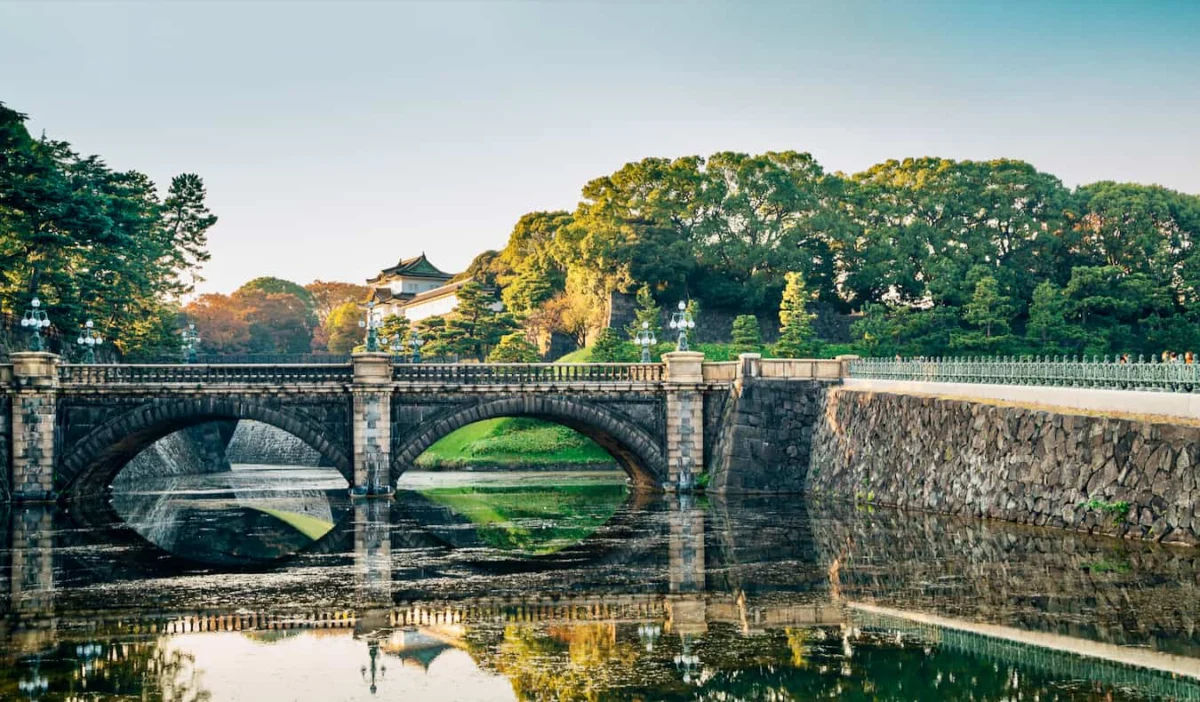
Tokyo is a city of infinite layers. To the casual observer, it is a dizzying kaleidoscope of neon signage, high-speed transit, and towering skyscrapers. However, for the seasoned traveler, Tokyo is a labyrinth of profound depth. You could visit a dozen times—as I have over the last decade—and still stumble upon hidden shrines tucked between glass monoliths, silent gardens that defy the city’s roar, and subcultures that operate in the quiet corners of late-night izakaya bars.
The secret to peeling back these layers isn’t found in a standard guidebook or a cookie-cutter bus tour. It is found in the people who call this metropolis home. Over the years, I have discovered that the most authentic way to engage with Tokyo’s complex fabric is through local-led initiatives, specifically Airbnb Experiences. These curated encounters provide a "front-row seat" to the city’s culinary heritage, historical narratives, and artisanal crafts, offering a level of intimacy that independent wandering simply cannot match.
The Shift in Travel: Why "Local-Led" is the New Standard
For decades, the travel industry relied on massive tour operators who standardized the visitor experience. While companies like Get Your Guide offer broad convenience, there is a burgeoning demand for hyper-localized, personal engagement. This shift is not just about convenience; it is about cultural literacy.
The Rise of the "Micro-Experience"
Recent data suggests that modern travelers—particularly those in the millennial and Gen Z demographics—are prioritizing "transformative travel." They are less interested in checking off monuments and more interested in skill acquisition, such as mastering the art of sushi-making or understanding the subtle regional nuances of Japanese sake.
In Tokyo, this has given rise to a robust ecosystem of hosts. Unlike traditional tour guides who recite scripts, these hosts are often long-term residents, historians, or culinary professionals who view their tours as an extension of their personal passion. This, coupled with the rising prestige of boutique tour companies like Arigato Travel, indicates that the future of tourism in Japan is moving toward smaller, more deliberate footprints.
Curated Immersion: My Top Picks for Tokyo Experiences
To navigate the thousands of options on the market, I have vetted several experiences that excel in cultural immersion, hands-on learning, and, perhaps most importantly, genuine hospitality.
1. The Art of the Omakase: Sushi Mastery
Sushi is the quintessential Japanese culinary export, yet it is often misunderstood. This experience moves beyond the tourist-trap sushi conveyor belts. Hosted by a trained sushi master, this morning session takes place in an authentic omakase restaurant. Participants aren’t just taught to roll rice; they are schooled in the philosophy of the cut, the chemistry of vinegar-seasoned rice, and the delicate art of ingredient pairing. It is a masterclass in texture and flavor that turns a simple breakfast into an educational cornerstone of your trip.
2. Shibuya’s Hidden Nightlife
For many, Shibuya is synonymous with the scramble crossing. However, a deeper, more nocturnal Shibuya exists in the narrow, smoke-filled alleys where locals retreat after work. This nightlife tour—led by local experts like Suemi and her team—transcends the typical "pub crawl." You are taken to 3–4 non-touristy izakaya (Japanese pubs) to learn the etiquette of ordering and the social hierarchy of these establishments. It turns an intimidating, language-barrier-prone environment into a welcoming social hub.
3. The Sake Sommelier’s Shinjuku
Shinjuku is a sensory overload, but beneath the noise lies a sophisticated network of sake bars. Guided by a certified sake sommelier, this experience focuses on the technical side of Japan’s national spirit. You learn the difference between junmai and ginjo, how to decode complex menus, and the history behind the brewing process. It is a relaxed, social, and deeply educational dive into the cultural backbone of Japanese drinking habits.
4. A Walk Through Time: The Historic Tokyo Tour
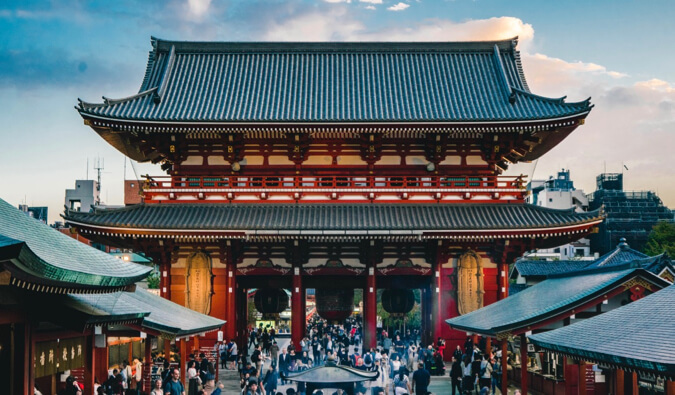
Tokyo is often unfairly branded as a city that "destroyed its past" to build the future. This walking tour dispels that myth. Led by a lecturer specializing in Japanese history, the route avoids the neon centers in favor of neighborhoods like Yanaka and the grounds of the Nezu Shrine. You will walk the tunnel of red torii gates while discussing the transition from the Edo period to the Meiji Restoration, providing essential context to the city’s modern architecture and social structure.
5. The Third-Wave Coffee Movement
Many are surprised to learn that Tokyo hosts one of the world’s most sophisticated coffee cultures. This tour explores the districts of Jimbocho and Kanda, contrasting the old-school kissaten (traditional tea/coffee houses) with the city’s thriving third-wave specialty cafes. It is a thoughtful look at how Japan adopts foreign trends and refines them into a meticulous, ritualized craft.
6. The Matcha Ritual
Tea is not just a drink in Japan; it is a philosophy. This one-hour ceremony offers a respite from the city’s frenetic energy. By learning the precise, meditative steps of preparing organic matcha, you gain an appreciation for the "less is more" aesthetic that defines much of Japanese art and design.
7. The Ramen Chronicles
Ramen is a religion in Japan. This tour takes participants to multiple shops, each specializing in a different regional broth—from rich tonkotsu to delicate shoyu. The goal is to demystify the menu, allowing travelers to understand the origins of the ingredients and the regional variations that define the Japanese palate.
8. Shibuya and Harajuku: The Underground Art Scene
Street art in Japan is subtle and often suppressed. This tour highlights the hidden murals and installations that thrive in the alleyways of Shibuya and Harajuku. It offers a rare look at how creative expression survives in a highly regulated, aesthetic-conscious society.
Logistical Implications: Planning Your Tokyo Journey
While the experiences above provide the "what" and the "how," successful travel in Tokyo requires a firm grip on the "when" and "where."
The Infrastructure of Savings
- Flights: Utilize platforms like Skyscanner to monitor price fluctuations. Because Tokyo is served by two major international airports (Narita and Haneda), being flexible with your arrival point can save hundreds of dollars.
- Accommodation: Tokyo’s hospitality sector is vast. For budget-conscious travelers, sites like Hostelworld remain the gold standard for social, high-quality hostels. For those seeking privacy, Booking.com offers unparalleled access to local guesthouses. I strongly recommend analyzing the city by neighborhood—staying in Shinjuku provides convenience, while staying in areas like Yanaka provides a quieter, more traditional experience.
- Transit: The Japan Rail Pass remains a vital tool for those planning to travel beyond the city limits. Even with recent price adjustments, the efficiency and cost-effectiveness of the rail network remain the envy of the world.
The Essential Safeguard
Travel insurance is not a luxury; it is a necessity. Navigating a foreign medical system, dealing with flight cancellations, or managing lost luggage can be financially and emotionally draining. I never embark on a trip without comprehensive coverage that accounts for the specific nuances of Japanese healthcare.
Conclusion: The Value of the "Non-Cookie-Cutter" Trip
The conventional organized tour—the one where you follow a flag in a crowd of fifty people—is fading into obsolescence. The modern traveler understands that value is not found in the number of landmarks checked off a list, but in the quality of the interaction.
By choosing these intimate, host-led experiences, you are doing more than just visiting Tokyo. You are participating in its ongoing narrative. You are learning to drink sake like a local, navigate the ramen shops like a resident, and walk the streets with the eyes of a historian.
Tokyo is a city that rewards curiosity. Whether you are whisking matcha in a silent room or navigating the neon chaos of a Shibuya back-alley bar, the depth of the experience depends entirely on the willingness to dive in. My advice? Book one of these experiences for your first day. It will change the way you see the entire city for the rest of your trip.