At 53, the internal dialogue regarding personal finance often centers on preservation: saving for retirement, minimizing overhead, and avoiding the "depreciating asset" trap. For years, this was the mantra of one enthusiast who had spent a lifetime treating car ownership as a series of calculated compromises. However, a surprising convergence of pandemic-era market insanity and a rare moment of personal clarity led to an unexpected outcome: the purchase of a vehicle bought not for utility, but for the pure, unadulterated joy of driving.
The "Maxi Cooper" Dilemma
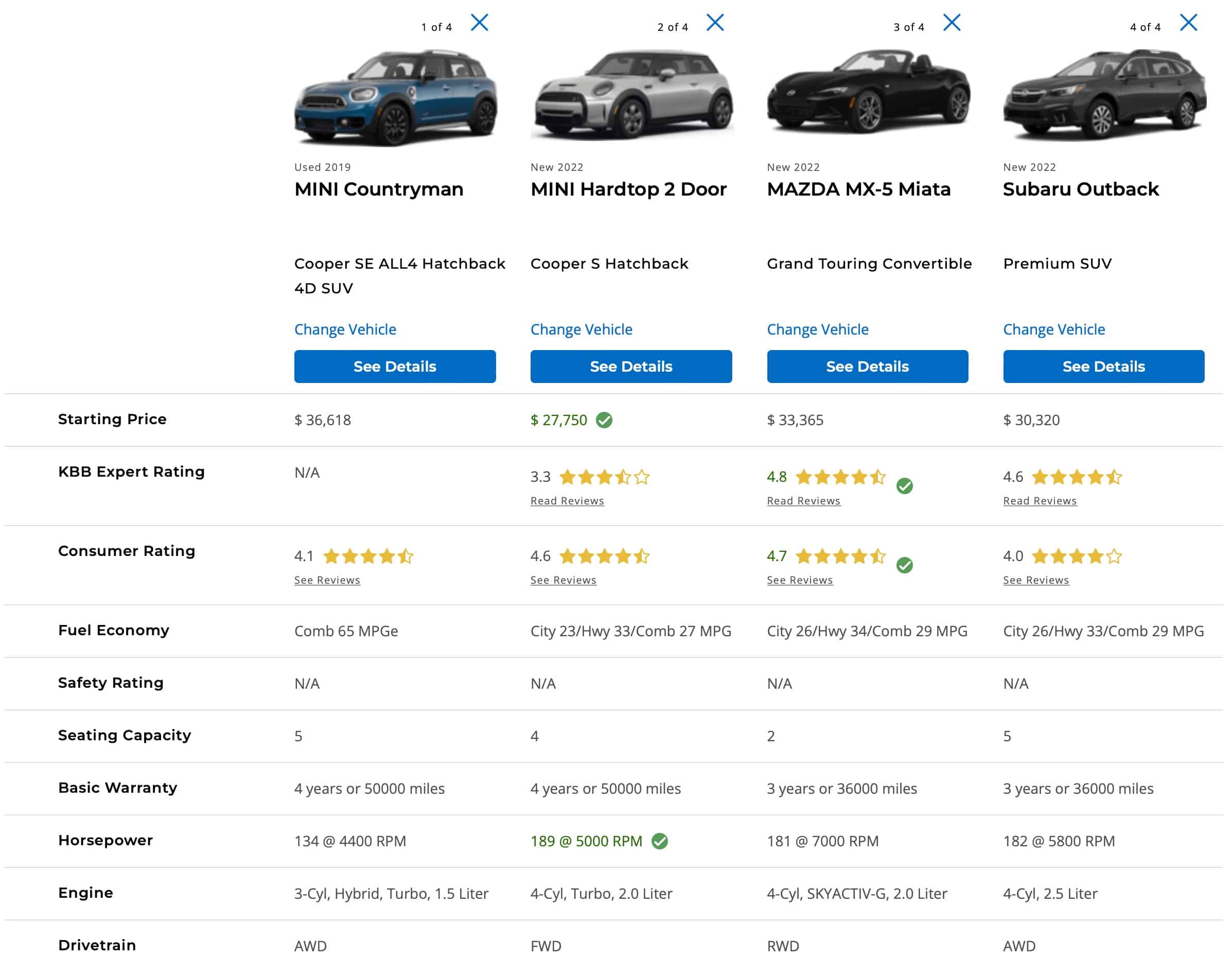
In July 2020, during the height of the global pandemic, the author purchased a used 2019 Mini Countryman SE All4 for $35,990. While a capable vehicle, it quickly earned the nickname "Maxi Cooper"—a tongue-in-cheek reference to its bloated dimensions compared to the classic Mini silhouette.
The purchase was a mistake of intent. The author had originally set out to replace a beloved 2004 Mini Cooper, a car that defined his preference for nimble, small-chassis driving. Instead, he allowed himself to be swayed by the allure of a compact SUV. For two years, he endured the vehicle. It was, by all accounts, a fine machine, but it was not the right machine. It was a mismatch of personality and engineering—a "small-car guy" trapped in the driver’s seat of a crossover.
A Market Anomaly: The $33,000 Miracle
The trajectory of the author’s ownership changed during a routine oil change last month. When the dealership offered to buy back the two-year-old vehicle for $33,000, the author was stunned.
To understand the magnitude of this offer, one must look at the broader U.S. automotive market. According to data from the U.S. Federal Reserve, used vehicle prices have surged by a staggering 55% since July 2020. In contrast, new vehicle prices have risen by roughly 18%. This inversion of traditional depreciation curves created a "miracle" scenario.
Seeking validation, the author consulted a veteran car salesman, Jeremy, who provided a blunt assessment: "It’s not just a good deal; it’s a miracle. It’s as if you leased that car for $115 per month." With the realization that he could essentially exit his ownership of the "Maxi Cooper" with negligible financial loss, the search for a successor began.
Breaking the Cycle of Sacrifice
The author’s history with automobiles is a chronicle of compromises. In his youth, the constraint was financial; he simply couldn’t afford the cars he admired. In later years, the compromises became strategic—buying used to save money, choosing "practical" SUVs over "impractical" sports cars, and prioritizing logic over passion.
This time, however, the author made a vow: no more compromises. He set out to apply a "self-centered shopping" strategy, prioritizing his own desires over the expectations of what a 53-year-old "should" drive.
The potential for going car-free was considered. With a 1993 Toyota pickup still in the driveway and the excellent pedestrian infrastructure of Corvallis, Oregon, at his disposal, the author didn’t need a new car. But he decided that if he were to own one, it would be a vehicle that aligned perfectly with his identity.
The Search: Filtering for Joy
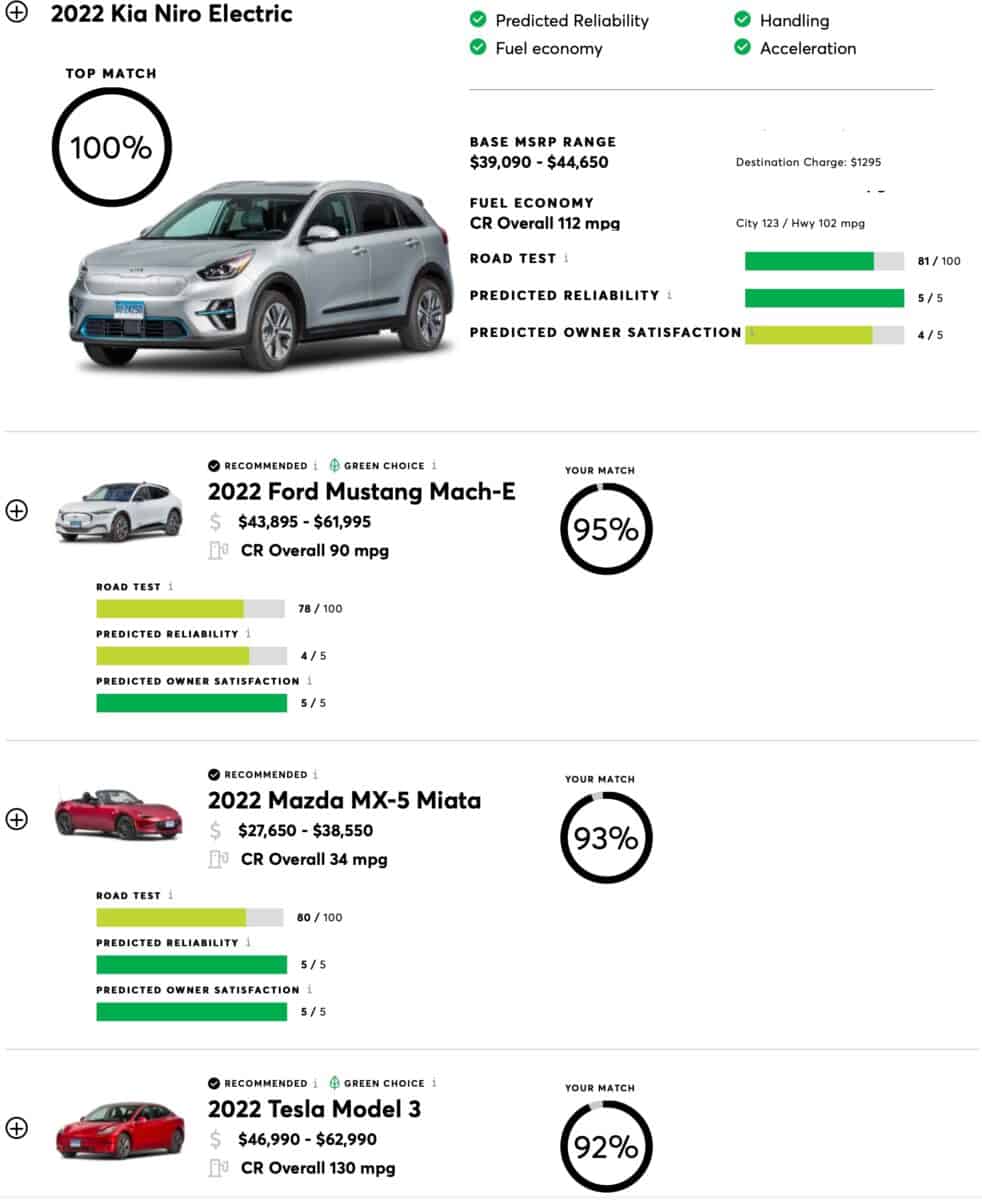
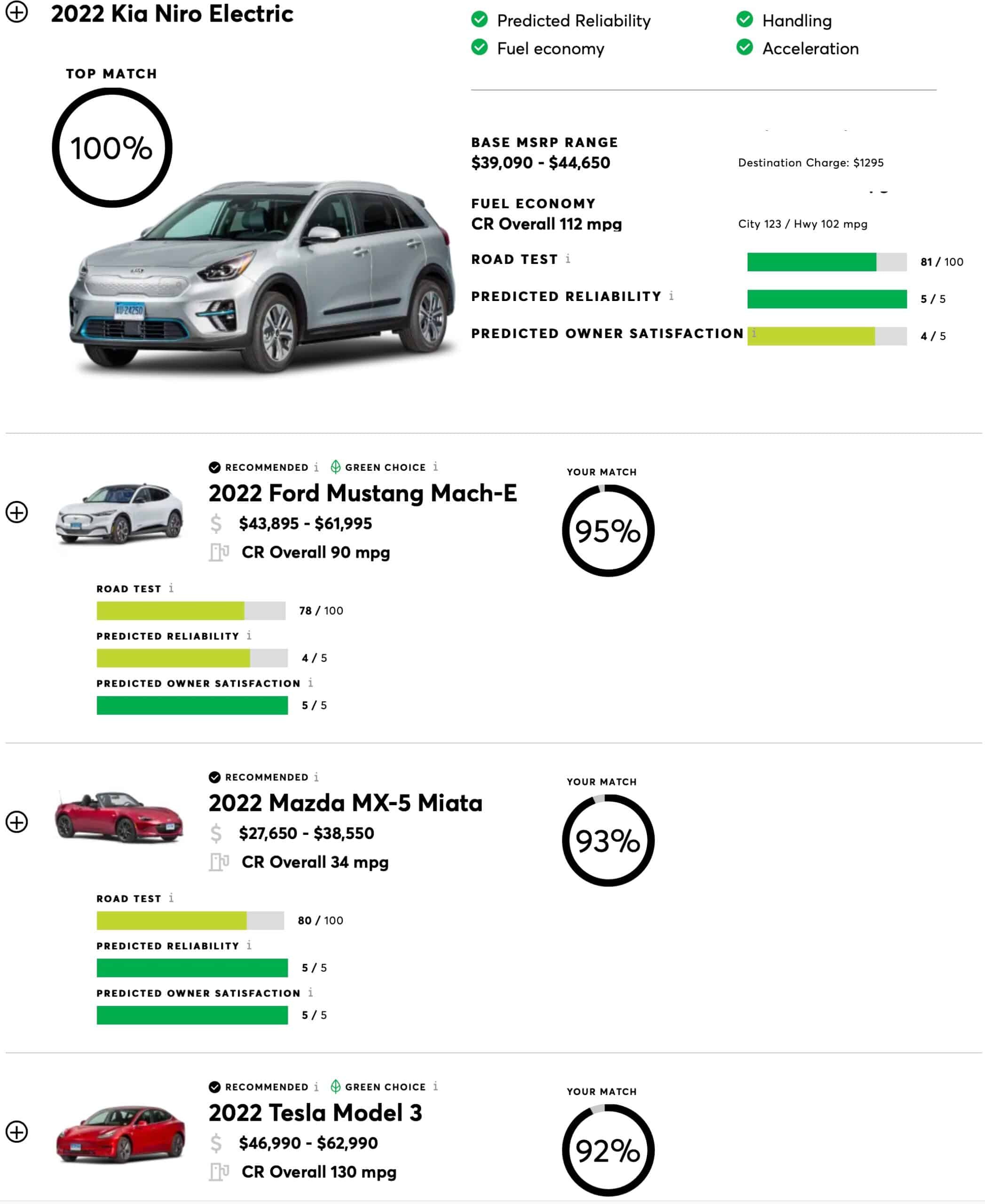
With a clear set of criteria—compact, high driver satisfaction, manual transmission, and aesthetic appeal—the author turned to Consumer Reports to filter the market. His initial list included the Kia Niro Electric, the Ford Mustang Mach-E, the Mazda Miata, the Tesla Model 3, and the Hyundai Ioniq 5.
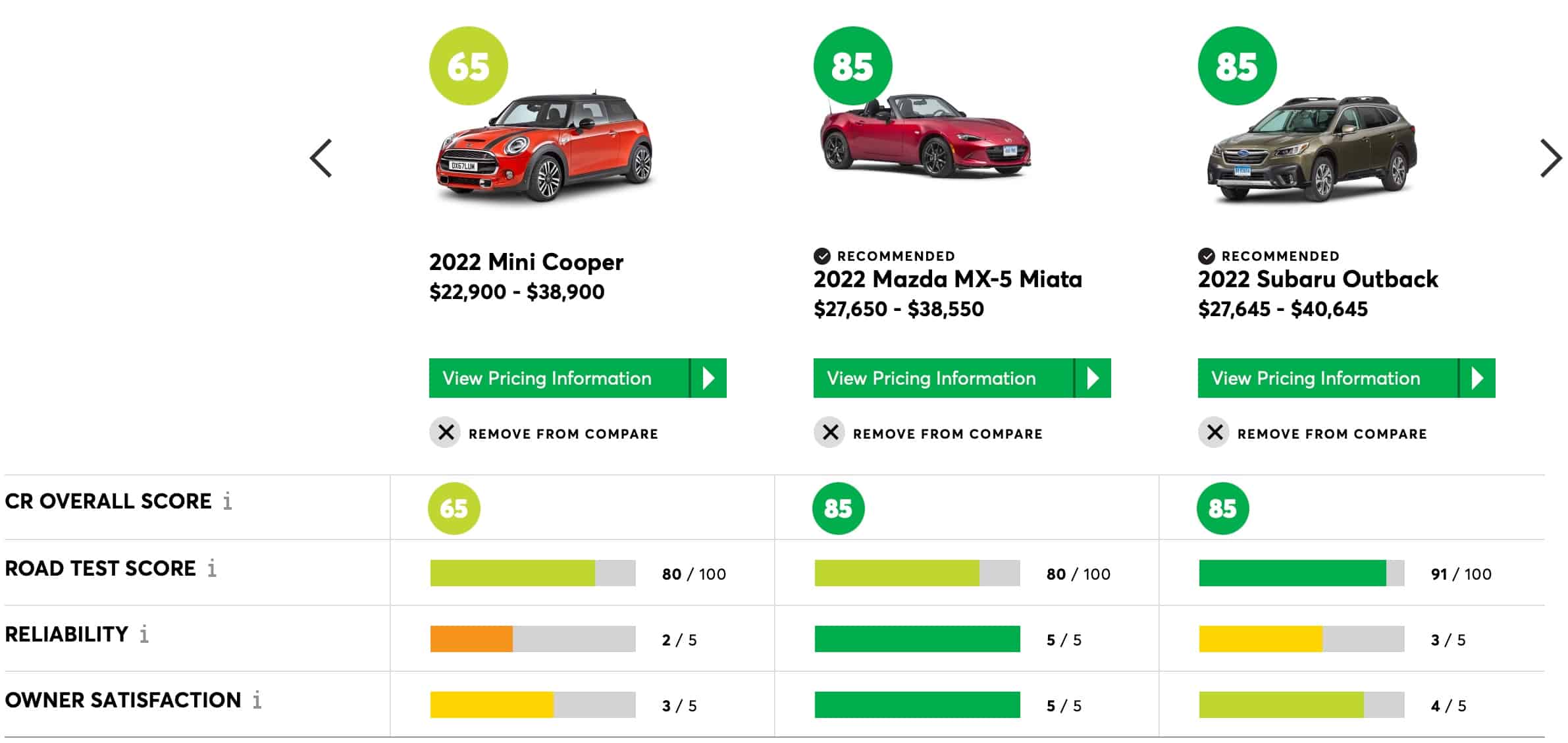
Through a process of elimination based on reliability ratings, price, and the desire to avoid SUVs, the field narrowed rapidly. The Mazda MX-5 Miata emerged as the clear frontrunner. Despite critiques regarding road noise and limited cargo space, these "flaws" were exactly what the author wanted. The Miata represents one of the last bastions of "intimate driving"—a car that rewards the driver with tactile feedback and immediate response.
The Transaction: A Lesson in Negotiation
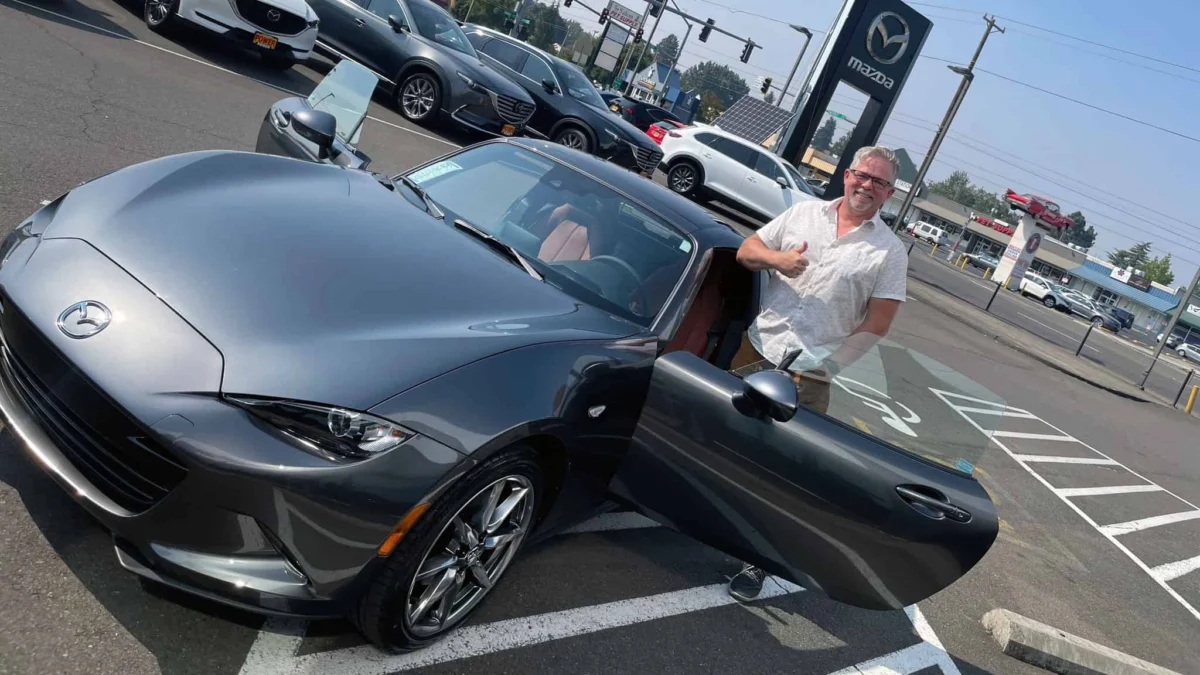
On a late August Thursday, the author visited a Mazda dealership in Salem, Oregon. The test drive confirmed his suspicions: the Miata was the vehicle he had been searching for.
When it came time to negotiate, the dealership initially attempted the "four-square" sales tactic, attempting to push a vehicle currently on the lot. The author remained steadfast. He had a specific configuration in mind—a gray hardtop with a manual transmission—and he was willing to wait for it. By providing the dealership with the written buy-back offer from the Mini dealer, he successfully secured a trade-in value of $33,000 for his Countryman.
The final price of $39,245 (which included a $1,995 market adjustment) was agreed upon without hesitation. The author had reached a point of financial stability where the "logical" choice was no longer the only choice.
Financial Implications and Emotional Returns
Is $40,000 a lot for a car? By any objective metric, yes. But the author’s perspective shifted when he posed a simple question: "Would I rather have the 2019 Maxi Cooper and $7,000, or a brand-new 2022 Mazda Miata?" The answer was immediate.
This decision touches on the philosophy of "The Rich Life," a concept championed by personal finance expert Ramit Sethi. The philosophy posits that money is a tool to be used to build a life that reflects one’s values and brings genuine fulfillment. For the author, who grew up in poverty, spending money on "nice things" historically triggered feelings of guilt. Buying the Miata was an act of overcoming that scarcity mindset.
Official Reception and Final Thoughts
When the call came that the Miata had arrived, the author finalized the deal. With only five miles on the odometer, he drove the vehicle home through the winding, scenic routes of Oregon. The experience—top down, sunlight on his skin, and music playing—was a validation of his decision.
This story is not a blueprint for reckless spending, but rather a case study in intentional consumption. By selling a vehicle that didn’t fit his life and replacing it with one that brings him genuine joy, the author managed to balance a major purchase with his long-term financial goals.
The implications are clear: when we stop buying cars to fulfill a social role or to appease an abstract sense of "utility," we open the door to a more rewarding relationship with our belongings. The Miata is more than just transportation; it is a tangible reminder that at 53, the author has finally earned the right to prioritize his own happiness.
As he noted, the Miata is a "Nice Thing," and for the first time in his life, he has no desire to apologize for it. He has built a piece of his "rich life," and he is enjoying every mile of the journey.