As the automotive landscape undergoes its most significant shift in a century, BMW is recalibrating its iconic 3 Series nomenclature to bridge the gap between traditional driving dynamics and the burgeoning era of electrification. While the industry remains fixated on the debut of the internal-combustion M350 xDrive, BMW has quietly pulled back the curtain on a model that represents the future of its performance division: the first-ever i3 M60. This "ultra-potent" electric sedan, set to arrive in 2027, marks a pivotal moment for the Bavarian manufacturer, signaling that the "M" badge will be just as integral to the electric future as it was to the gasoline-powered past.
Main Facts: Meet the i3 M60
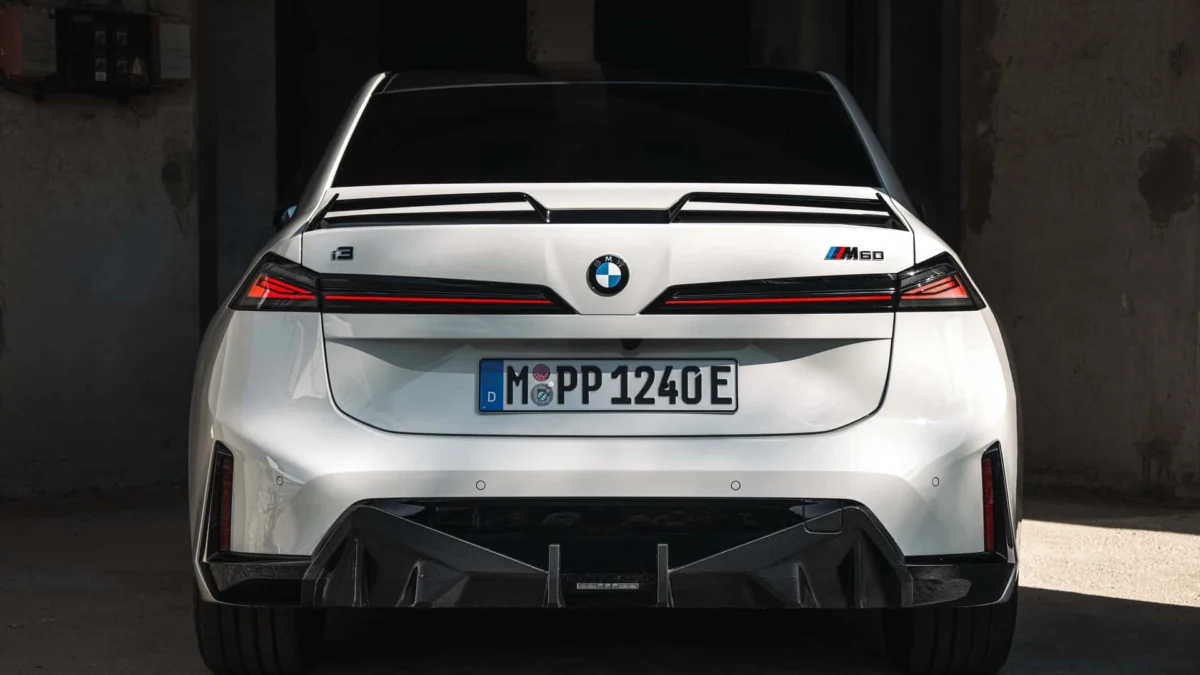
The BMW i3 M60 is not merely an electric commuter; it is designed to be the high-performance spearhead of the 3 Series electric range. While official performance specifications remain under wraps, visual evidence from the recently released press materials confirms that the vehicle is ready for the showroom floor. The model features a aggressive, aerodynamic silhouette enhanced by a suite of optional M Performance Parts.
These enhancements include extensive use of exposed carbon-fiber components, sharper front splitters, and aggressive rear diffusers—elements clearly inspired by the upcoming full-electric M3. While BMW has been tight-lipped regarding the exact output of the dual-motor, all-wheel-drive configuration, it is widely expected to significantly outperform the standard i3 50 xDrive. For context, the 50 xDrive currently generates 463 horsepower and 475 pound-feet of torque. The M60 variant will likely push these figures into the realm of true sports sedans, solidifying its status as a direct competitor to the high-end electric offerings currently dominating the EV market.
Chronology of the Rollout
The road to the 2027 launch is carefully mapped out by BMW’s product planners. The launch sequence is designed to maintain a steady stream of interest across both traditional and electrified platforms:
- Q1 2027: The primary offensive begins. The market will see the simultaneous rollout of the i3 50 xDrive and the combustion-powered M350 xDrive. These will be accompanied by the arrival of the four-cylinder 330 and 330 xDrive models, catering to the core of the 3 Series demographic.
- Mid-2027: Following the initial launch, the M Performance-branded i3 M60 will hit the streets, positioning itself as the halo model for the electric sedan range.
- Late 2027: The industry expects the "full-fat" electric M3, a four-motor beast rumored to feature simulated gear changes to replicate the tactile engagement of a traditional transmission.
- 2028: The next-generation gasoline-powered M3 is slated to debut. While details are speculative, current intelligence suggests an xDrive-only configuration with a refined automatic transmission, maintaining the brand’s reputation for all-weather performance.
Supporting Data and Performance Metrics
The performance delta between the base models and the M60 variant is where the most significant intrigue lies. The standard electric 3 Series sedan is currently capable of hitting 62 mph (100 km/h) in 4.7 seconds, with an electronically limited top speed of 124 mph (200 km/h). The i3 M60, however, is being engineered to shatter these benchmarks. With a more aggressive power delivery map and a potential increase in motor output, we can expect a 0-62 mph time that pushes into the low-three-second range, likely accompanied by a higher top-speed ceiling.
Efficiency remains a critical factor for the electric transition. Under the EPA testing cycle, the standard i3 50 xDrive boasts a range between 446 and 468 miles (718 to 753 kilometers). While the M60 is expected to sacrifice some of this range in favor of performance—thanks to wider tires, more aggressive aerodynamics, and a higher power draw—BMW’s commitment to battery density suggests it will remain a class leader in long-distance usability. In the European WLTP cycle, the base i3 is already reaching an impressive 567 miles (912 kilometers), suggesting that even a "de-tuned" performance variant will likely retain a very practical daily range.
Official Positioning and Market Strategy
BMW’s pricing strategy reflects the premium nature of the M badge. The 2027 i3 50 xDrive begins at $62,850, inclusive of destination fees. Industry analysts anticipate the i3 M60 will command a significant premium over the M350 xDrive ($67,250), pushing it into the $75,000 to $85,000 bracket before customers begin selecting from the extensive catalog of carbon-fiber accessories.
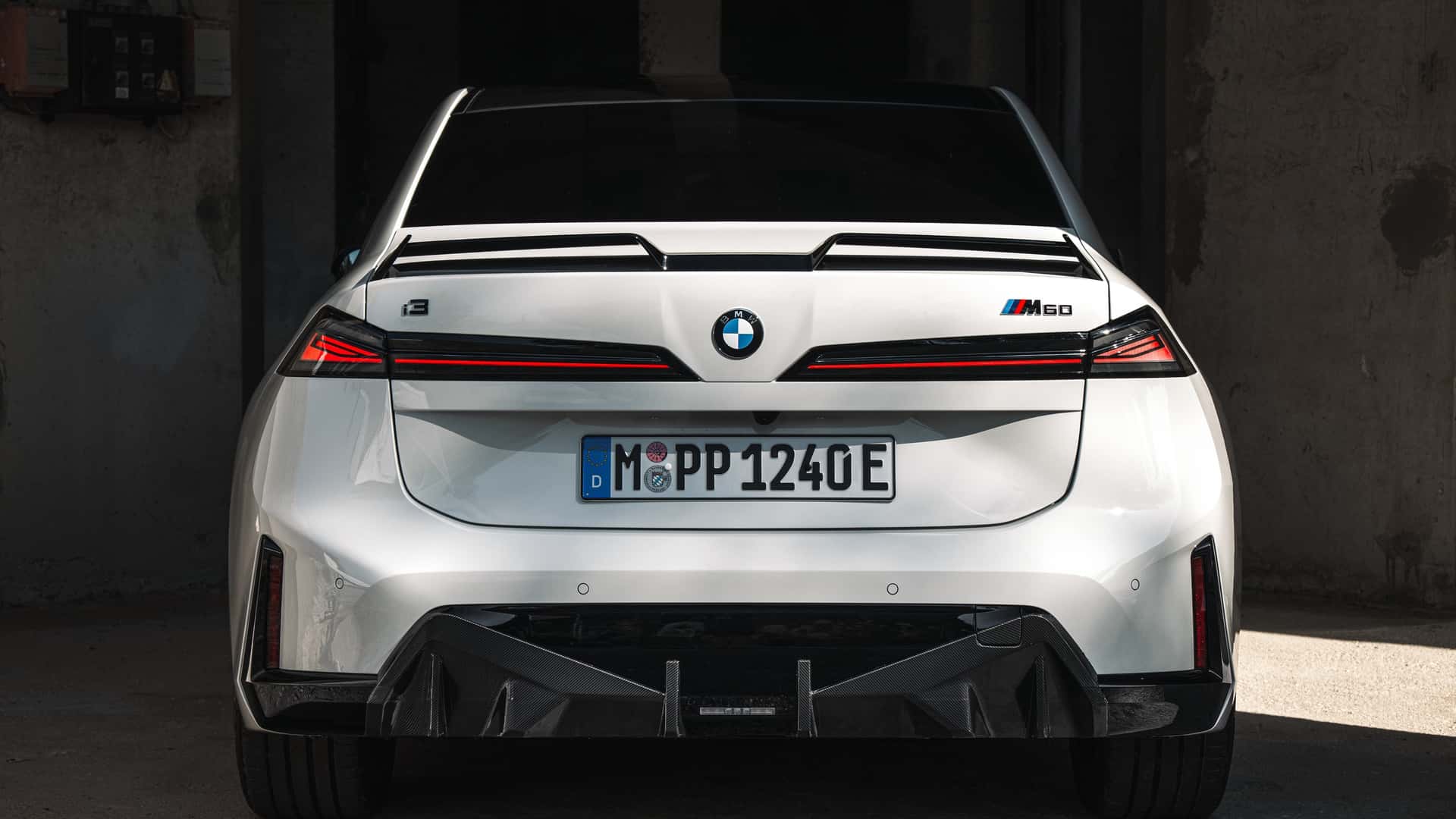
BMW has been deliberate in its messaging, emphasizing that the i3 M60 is not just a "sporty" trim but a performance-oriented machine that justifies its price tag through improved hardware, suspension tuning, and exclusive styling. By offering these M Performance parts on both the electric and combustion models, BMW is standardizing its aggressive design language, ensuring that whether a buyer chooses gas or electric, they are buying into the "M" ethos.
Implications for the Future of the M Brand
The implications of the i3 M60 extend far beyond a single model. It represents the "normalization" of the M Performance brand within the electric ecosystem. For years, enthusiasts worried that the transition to EVs would strip BMW of its soul. However, the development of the upcoming four-motor electric M3—which will reportedly feature artificial shift points to engage the driver—proves that BMW is willing to invest in software and engineering to preserve the "Ultimate Driving Machine" feeling.
Furthermore, the potential for "Touring" (wagon) models remains a hot topic. While the North American market historically shied away from wagons, the success of the M5 Touring has provided a compelling business case to bring more long-roof variants to the U.S. If the 3 Series lineup proves successful in 2027, there is a distinct possibility that the M division may finally offer a wider range of practical, high-performance wagons to the American public.
The Diesel Dilemma and Regional Variations
As the global market segments, BMW is forced to adopt region-specific strategies. In Europe, the internal combustion engine—particularly diesel—is being phased out rapidly, leading to a focus on plug-in hybrids and pure electrics. Conversely, in the United States, the 3 Series will focus on high-output gas engines like the M350 and the electric i3 variants.
The absence of the 318 and 320 models from the U.S. market underscores BMW’s desire to position the 3 Series as a premium, high-performance executive sedan in North America, leaving the entry-level segment to other brands or smaller crossovers. This consolidation of the lineup ensures that every BMW 3 Series on American roads in 2027 will carry a sense of occasion, whether it is powered by a high-revving inline-six or a silent, dual-motor electric drivetrain.
Conclusion: A Balanced Approach
The 2027 BMW i3 M60 serves as a bridge, a testament to the brand’s ability to evolve without abandoning its heritage. By blending the high-torque, instant-response nature of electric motors with the aesthetic and handling prowess of the M division, BMW is effectively silencing critics who claimed that EVs couldn’t be "fun."
As we approach the Q1 2027 launch, the industry will be watching closely to see if this dual-path strategy—simultaneously pushing the limits of combustion technology and electric performance—will maintain BMW’s market dominance. For the consumer, the choice is no longer about "gas versus electric" as much as it is about what kind of performance experience one desires. With the i3 M60, BMW is betting that the answer is: "The best one available."