For decades, the standard retail experience has been defined by a passive, reactive model. A consumer realizes they need an item, visits a storefront or a digital marketplace, and selects the "least-worst" or "best-available" option from a curated inventory. This process, often driven by convenience and proximity, has long been the bedrock of modern commerce. However, a growing movement of mindful consumers is abandoning this "store-centered" approach in favor of a more deliberate, rigorous methodology: "self-centered shopping."
This shift—where the consumer defines their exact requirements before ever initiating a search—is not merely a stylistic preference. It is a fundamental realignment of the relationship between buyer and marketplace, one that prioritizes individual utility, long-term satisfaction, and, counterintuitively, a drastic reduction in impulse spending.
The Evolution of the Consumer Mindset
The traditional shopping model is fundamentally restrictive. It allows retailers to define the "universe of options" available to the buyer. Whether navigating the aisles of a rural general store or scrolling through a massive e-commerce portal, the consumer is effectively an audience member, restricted to the stage set by the merchant.
In the past, these constraints were often necessary. Geographic isolation, limited access to information, and economic scarcity dictated that one chose from what was locally available. Today, however, the digital age has effectively demolished these barriers. We now have access to a global inventory of goods. Despite this newfound freedom, many consumers remain tethered to the old, passive habits of the past.
"Self-centered shopping" flips this dynamic. Instead of asking, "What does this store have that I can use?" the practitioner asks, "What do I need, and how can I find the object that perfectly satisfies that need?" By articulating specific parameters—material, size, utility, and aesthetic—the consumer transforms from a passive chooser into an active architect of their own lifestyle.
A Chronology of Change: The Wallet Case Study
To understand the efficacy of this transition, one need only look at the lifecycle of a common personal accessory: the wallet. For over thirty years, the author followed a predictable, five-year cycle: wait for the current wallet to fail, visit a local department store, browse a narrow selection of mediocre options, and settle for the best of the bunch.
By 2019, the fatigue associated with this cycle reached a tipping point. The "selection of sameness" offered by retailers no longer aligned with the user’s actual needs. The average wallet on the market was bulky, leather-heavy, and designed for a volume of cards and cash that the modern, minimalist user simply did not carry.
The Search Parameters
The transition to self-centered shopping began with a formal audit of needs:
- Capacity: Must accommodate a small, specific number of cards.
- Profile: Must be slim enough for pocket comfort.
- Material: Preference for synthetic or technical materials over traditional leather.
- Accessibility: Must allow for rapid, intuitive access to contents.
The subsequent search was not a casual browse, but a targeted investigation. After rejecting the mainstream options and the overly-restrictive "minimalist" card-holders, the search led to Tom Bihn, a company renowned for travel-focused engineering. By identifying a product that matched these specific criteria—the Tom Bihn minimalist wallet—the consumer achieved a level of satisfaction that no department store visit could have provided. This was not a compromise; it was a match.
Supporting Data and Psychological Implications
The shift toward self-centered shopping offers several psychological and economic benefits, most notably in mitigating the "Paradox of Choice." Popularized by psychologist Barry Schwartz, the paradox suggests that an overabundance of options leads to decision paralysis and post-purchase regret.
In a retail environment, the shopper is confronted with dozens of near-identical wallets, leading to anxiety about whether they made the "right" choice. In self-centered shopping, the search process is inverted. The consumer spends time before the purchase defining their needs, which narrows the field significantly. Often, only one or two products meet the criteria. This eliminates the "what if" anxiety, as the decision is backed by a logical framework rather than an emotional reaction to a display case.
Economic Impact: Reducing Impulse Spending
Data suggests that the majority of impulse spending occurs when consumers enter a marketplace without a concrete agenda. When the goal is "I need a wallet" rather than "I need a specific tool with these three features," the consumer is vulnerable to marketing, aesthetics, and sales tactics. Self-centered shopping acts as a firewall against impulse buys. By the time a self-centered shopper arrives at a point of purchase, they have already performed the "due diligence" that prevents the regret associated with impulsive, poorly researched acquisitions.
Industry Perspectives: The Rise of Product Loyalty
While retailers traditionally rely on high turnover and "newness" to drive sales, the self-centered shopper creates a different kind of value: intense product loyalty.
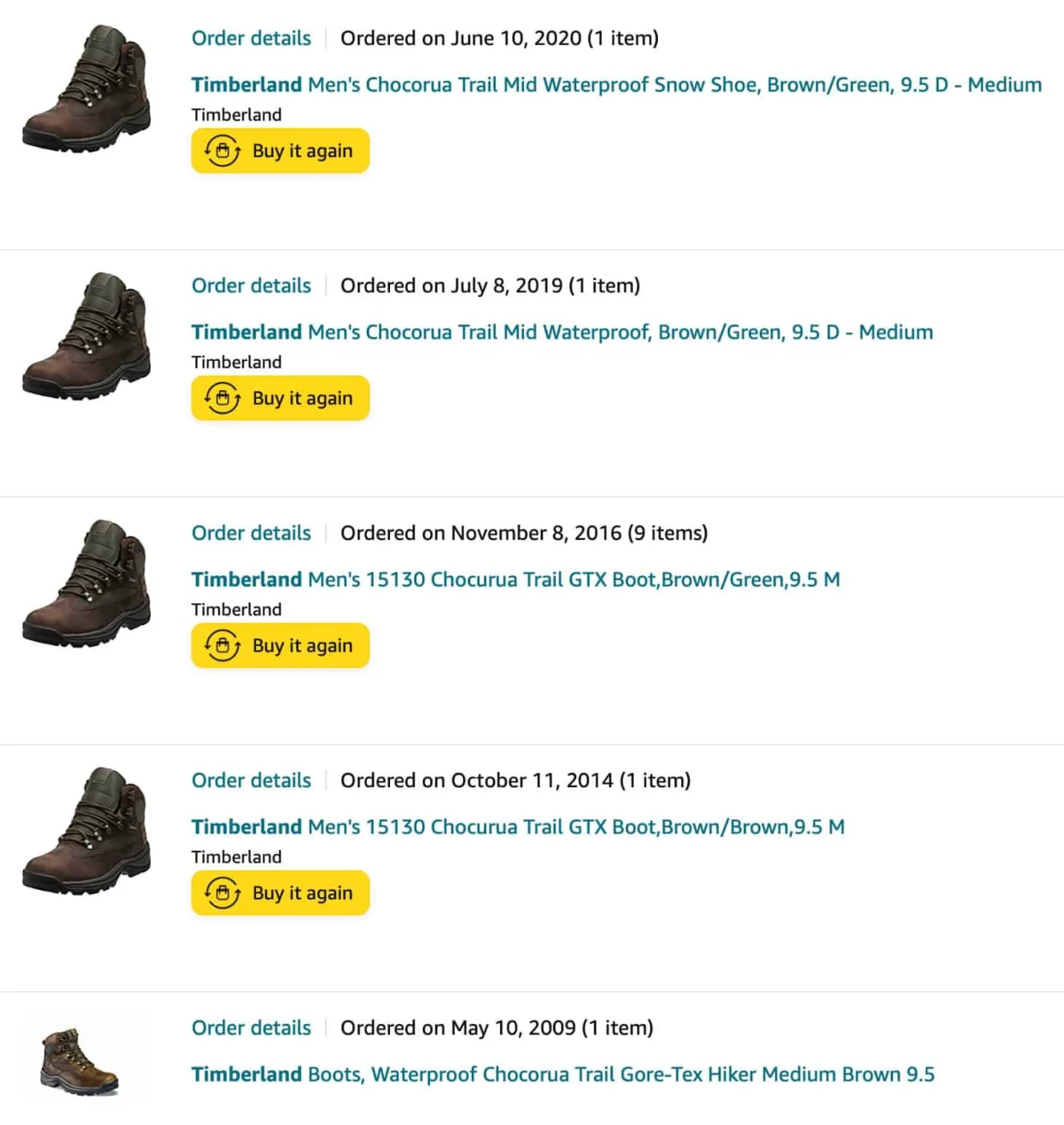
When a consumer successfully finds an item that perfectly meets their needs, the incentive to switch brands diminishes. This is observed in the author’s recurring reliance on specific, high-performance gear, such as the Timberland Chocorua hiking boots. By standardizing on a product that works, the consumer avoids the "re-search" phase for future replacements, effectively saving time and guaranteeing satisfaction.
From an industry standpoint, this represents a move toward "lifetime value" customers. Companies like Tom Bihn, Secrid, or Timberland, which focus on specialized, high-utility design, benefit from a customer base that views their products not as disposable commodities, but as essential tools.
Implications for Future Consumption
The transition to self-centered shopping is a long-term investment in quality-of-life. It requires three things that many modern consumers are currently lacking: time, patience, and self-awareness.
- Time: The consumer must be willing to research, compare, and wait for the right item.
- Patience: One cannot always find the "perfect" item on a single afternoon of browsing.
- Self-Awareness: The consumer must be willing to identify what they truly need, rather than what they are told they should want by advertising.
The "Spark Joy" Factor
As noted by proponents of minimalist living like Marie Kondo, the ultimate goal of this shift is to cultivate an environment where every object serves a purpose or provides genuine satisfaction. Whether it is a desk, a piece of luggage, or a simple wallet, the items we own have a psychological weight. By intentionally choosing the tools we use daily, we remove the friction of inefficiency and replace it with the satisfaction of a "perfect fit."
Conclusion: A New Standard
The era of "store-centered" shopping is rapidly waning as consumers realize that the internet has provided them with the power to be more than just recipients of retail inventory. Self-centered shopping is not merely a method for buying; it is a philosophy of ownership.
By defining our needs before we shop, we take control of our environment and our resources. We stop buying "thneeds" that clutter our lives and start investing in tools that enhance our daily experience. While it may require more effort upfront, the dividends—in the form of increased utility, reduced waste, and profound personal satisfaction—are well worth the investment. The next time you find yourself standing in a store or scrolling through a website, ask yourself: "Am I choosing this because it is the best for me, or because it is simply the best of what is currently on display?" The answer to that question marks the difference between a consumer and a conscious curator.