The animation landscape is shifting, and Portland-based powerhouse Laika is once again steering the ship into the darker, more atmospheric waters of fantasy. With the release of the latest trailer for Wildwood, the studio—best known for its tactile, meticulous approach to stop-motion—is signaling a return to the eerie, high-stakes storytelling that put them on the map with 2009’s Coraline.
As fans eagerly await the October 23, 2026, release, the buzz surrounding the film suggests a cinematic experience that bridges the gap between the unsettling domestic horror of Neil Gaiman’s worlds and the sprawling, mythic quests of 1980s classics like Labyrinth.
Main Facts: The Narrative Hook
Wildwood is not merely another entry in the stop-motion canon; it is a sprawling epic that feels both intimate and impossibly large. Based on the novel by Colin Meloy (frontman of The Decemberists), the film follows Prue McKeel (voiced by Peyton Elizabeth Lee), a teenager whose life is upended when her infant brother, Mac, is snatched by a murder of crows and carried off into the "Impasse"—an enchanted, forbidden forest located just beyond the borders of Portland.
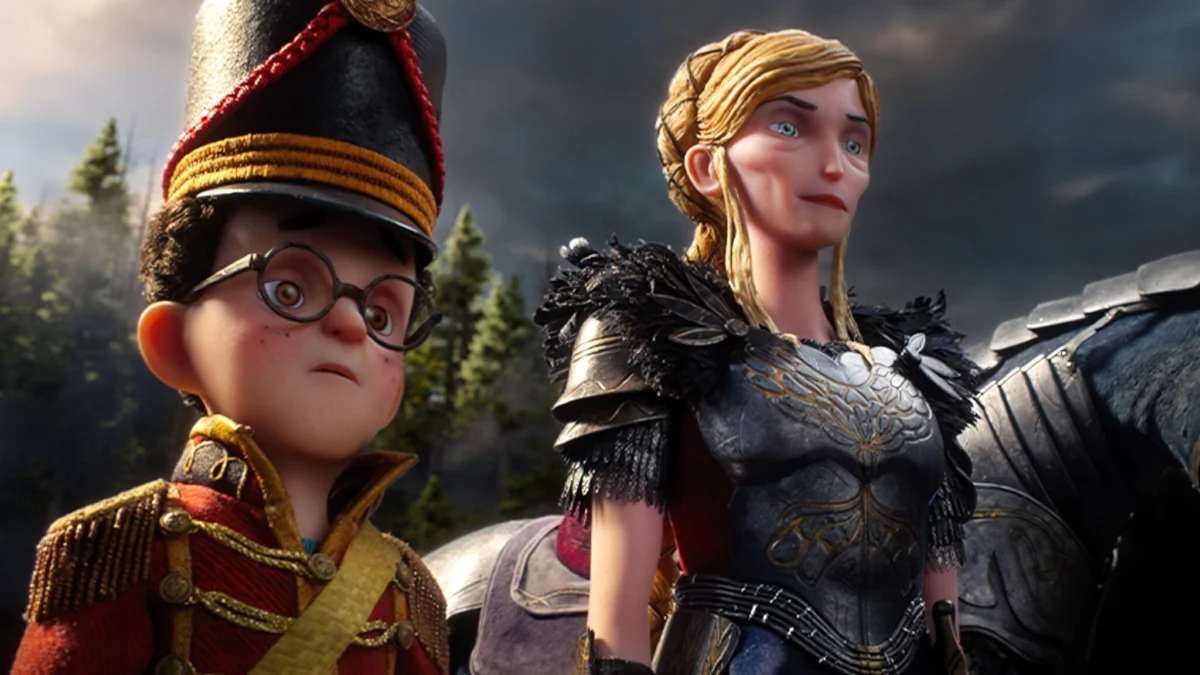
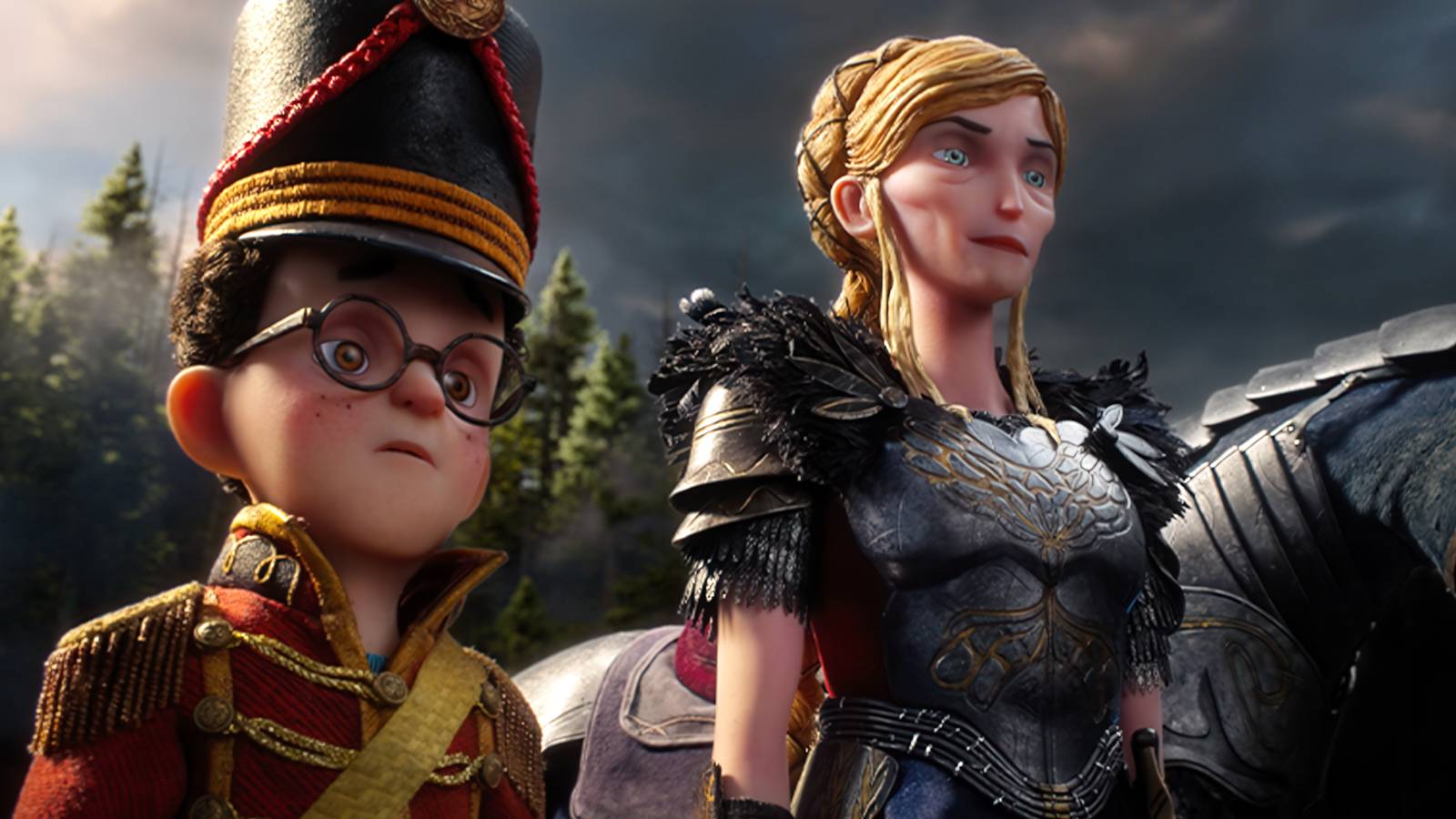
The trailer, underscored by a haunting, ethereal arrangement of Avicii’s "Wake Me Up," introduces us to the antagonist, Alexandra (Carey Mulligan). Alexandra is the mysterious, grieving ruler of the forest who has lost her own son and is driven to desperate, villainous lengths to fill that void. To save her brother, Prue must enlist the help of her classmate, Curtis Mehlberg (Jacob Tremblay), who quickly finds himself in over his head. While Prue begins to navigate the political and magical intricacies of the Impasse—at one point seen riding a giant eagle—Curtis is captured, forced into the uniform of Alexandra’s wolf army, and held in a cage, highlighting the high stakes of their journey.
A Chronological Perspective: From ‘Coraline’ to the Impasse
To understand the weight of Wildwood, one must look at the trajectory of Laika Studios.
- 2009: Laika establishes its identity with Coraline. Directed by Henry Selick, the film set the gold standard for stop-motion, proving that animation could be genuinely frightening, deeply emotional, and visually groundbreaking.
- 2012–2016: The studio continued to innovate with ParaNorman, The Boxtrolls, and Kubo and the Two Strings. Each film expanded the technical capabilities of the studio, moving from puppets that could blink to massive, complex set pieces.
- 2023–2025: The studio spent years in development for Wildwood. Unlike their previous works, which often dealt with smaller, localized threats, Wildwood represents a scale of world-building that the studio has been quietly refining for over a decade.
- August 19, 2026: The official trailer drops, confirming the film’s October 23, 2026, premiere. The promotional material clarifies that the studio is leaning back into the "dark fairy tale" aesthetic that made Coraline a cultural touchstone.
Supporting Data: The Craft Behind the Chaos
Stop-motion is famously one of the most labor-intensive mediums in cinema, and Laika remains the industry’s primary standard-bearer for the craft. Wildwood utilizes the latest in 3D printing and rapid prototyping to bring its characters to life.
The voice cast alone is a testament to the project’s prestige, featuring an ensemble that balances established legends with rising talent:
- Carey Mulligan as the tragic, villainous Alexandra.
- Peyton Elizabeth Lee as the determined protagonist, Prue.
- Jacob Tremblay as the reluctant sidekick, Curtis.
- Mahershala Ali, Awkwafina, Angela Bassett, and Charlie Day fill out the supporting roles, providing the voice-acting depth necessary to ground the film’s fantastical elements in genuine human emotion.
The production design team has reportedly spent years crafting the Impasse, creating a forest that feels both organic and dangerously artificial. This aligns with the studio’s signature style—a blend of physical, hand-sculpted sets and cutting-edge digital enhancements that allow for fluid, cinematic camera movements rarely seen in traditional stop-motion.
Official Perspectives and Creative Vision
Director Travis Knight, who previously directed the visually stunning Kubo and the Two Strings, is the driving force behind Wildwood. Working alongside screenwriter Chris Butler, Knight is aiming to synthesize the "lost child" trope with the complexities of modern fantasy.
In recent press statements, the creative team has emphasized that Wildwood is a story about the intersection of the mundane and the magical. "We wanted to explore what happens when the ordinary, bureaucratic world of a city like Portland brushes up against a realm governed by ancient, brutal, and beautiful laws," the studio noted in a recent production update.
The comparison to Jim Henson’s Labyrinth is not accidental. Much like Sarah in the 1986 classic, Prue must navigate a realm that is essentially a puzzle designed to test her moral fiber. The inclusion of the "wolf army" and the focus on a "tyrannical mother figure" echoes the themes of Pan’s Labyrinth, where the line between a child’s imagination and a terrifying reality is perpetually blurred.
Implications: The Future of Laika and Stop-Motion
The release of Wildwood serves as a litmus test for the viability of high-budget, auteur-driven animation in a market increasingly dominated by AI-generated content and streamlined CGI. By sticking to the physical, tactile nature of stop-motion, Laika is making a statement about the value of human labor and artisanal skill.
1. The Revival of "Dark Fantasy"
For a generation that grew up on Coraline, Wildwood acts as a spiritual successor. If successful, it could signal a resurgence in demand for "elevated" animation—films that do not talk down to their audience and are not afraid to incorporate elements of grief, loss, and genuine danger.
2. The Technological Edge
Laika’s commitment to combining physical sets with digital integration creates a "look" that is difficult to replicate. By continuing to iterate on their internal technologies—such as their proprietary facial expression systems—they are keeping stop-motion competitive with the biggest blockbusters in Hollywood.
3. A Shift in Audience Expectations
The success of Wildwood will likely influence how studios approach "family" films. There is a clear hunger for stories that offer more than simple moral lessons. Audiences are showing a growing appreciation for the "uncanny"—that specific feeling of unease that comes from watching inanimate objects move as if they have souls.
Conclusion: Entering the Woods
As we approach October 23, 2026, the anticipation for Wildwood continues to climb. It is a film that promises to be as haunting as it is beautiful, a culmination of everything Laika has learned since its inception. Whether or not it manages to capture the same lightning-in-a-bottle magic as Coraline remains to be seen, but one thing is certain: the journey into the Impasse is one that will be etched into the memory of audiences for years to come.
In a world of rapidly evolving, ephemeral digital content, Laika’s Wildwood stands as a monument to the endurance of the physical craft. It reminds us that sometimes, to find the truth, one must be willing to step off the beaten path and into the dark, tangled heart of the woods.