The landscape of Indian independent cinema is set for a seismic shift this September as Last Man in Tower, a highly anticipated adaptation of Aravind Adiga’s acclaimed novel, prepares to make its theatrical debut. Directed by Ben Rekhi and produced under the banner of Rana Daggubati’s Spirit Media, the film promises to be a searing examination of morality, urban greed, and the fraying social fabric of contemporary India. Featuring an ensemble cast led by the formidable Manoj Bajpayee, Boman Irani, and Divya Dutta, the film has officially unveiled its first teaser, igniting excitement among cinephiles and literary enthusiasts alike.
The Narrative Core: A Study in Quiet Resistance
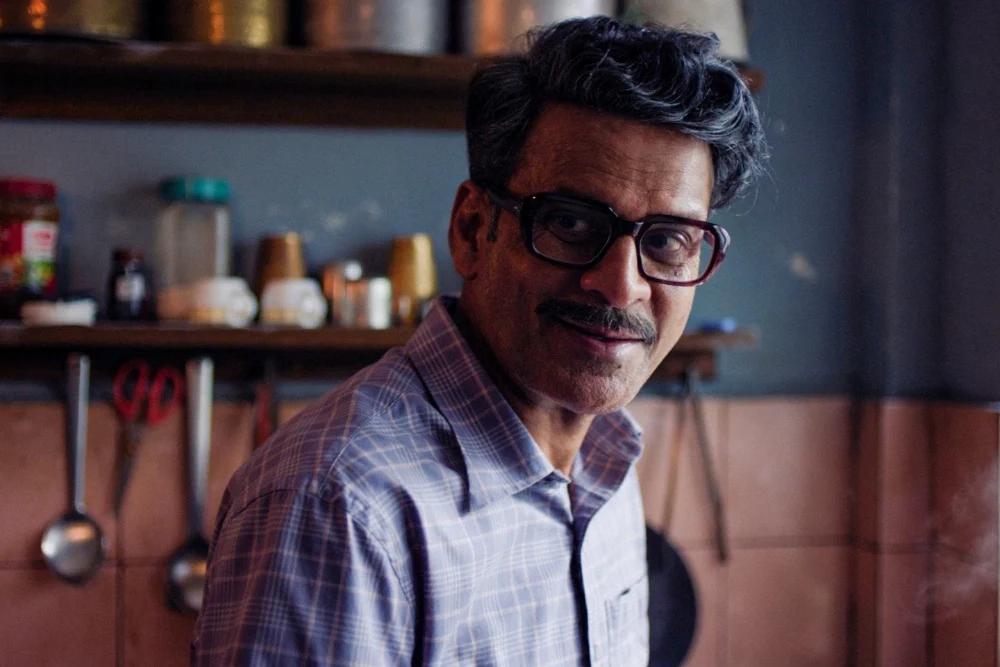
At the heart of the story is "Masterji," a retired schoolteacher living a modest, predictable existence in a crumbling Mumbai apartment complex. When a lucrative redevelopment offer arrives, the residents of the tower find themselves seduced by the promise of sudden wealth. However, Masterji’s steadfast refusal to vacate his home—not out of stubbornness, but out of a deep-seated attachment to his history and community—transforms him into an obstacle for those around him.
The narrative explores the "ripple effect" of his resistance. As the community’s collective greed clashes with one man’s integrity, the film forces the audience to confront uncomfortable questions: What are we willing to sacrifice for progress? At what point does community spirit give way to individual survival? Through the lens of characters like the pivotal Mrs. Puri, the film captures the tension of a society in flux, balancing the desperate need for modernization against the erosion of human connection.
A Legacy of Excellence: From Page to Screen
Aravind Adiga, best known for his Booker Prize-winning debut The White Tiger, has long been regarded as one of India’s most perceptive social critics. His novels often dissect the chasm between India’s booming economy and its marginalized populace. Last Man in Tower is arguably his most claustrophobic and intense work, confined to the microcosm of a single residential building, yet expanding to reflect the vast, often brutal, contradictions of urban life.
Translating this intricate prose into a screenplay was the task of Sooni Taraporevala, the veteran writer celebrated for her work on Salaam Bombay! and The Namesake. Her adaptation is further bolstered by the Hindi-language dialogues penned by the acclaimed Juhi Chaturvedi, known for her sharp, evocative writing in films like Piku and October. This combination of high-caliber literary source material and seasoned screenwriting pedigree sets a high bar for the film’s narrative authenticity.
The Titan Collision: Bajpayee and Irani Unite
Perhaps the most significant draw for the film is the unprecedented on-screen collaboration between Manoj Bajpayee and Boman Irani. Bajpayee, a stalwart of Indian cinema recognized for his unparalleled range and intensity, is expected to bring a raw, vulnerable gravitas to the role of Masterji. Boman Irani, equally renowned for his ability to embody complex, multifaceted characters, provides a sophisticated counterpoint to Bajpayee’s performance.
Director Ben Rekhi expressed his profound satisfaction with this casting, noting that witnessing these two "giants of cinema" working together was the highlight of the production. "The combination of these three actors—Manoj, Boman, and the incredible Divya Dutta—makes the world of the film particularly special," Rekhi stated. "It’s an urgent story about holding onto community and family through turbulent times, and it has only become more relevant with time."
A Milestone for Spirit Media
The release of Last Man in Tower carries significant weight for Spirit Media. Founded in 2005 by the Baahubali superstar Rana Daggubati, the Hyderabad-based production house has built a reputation for fostering high-concept storytelling. This film marks the company’s first-ever Hindi-language feature production, signaling a strategic expansion for the studio.
For Daggubati, this project is a natural progression of his vision. "What drew us to it was how naturally it finds something universal in the lives of a very specific group of people," Daggubati explained. "There is something very compelling about the way it explores the choices we make and the things we hold on to. This project is a crucial milestone for Spirit Media, reflecting our continued effort toward creating space for fresh, bold, and resonant stories for the big-screen audience."
The Visionary Behind the Lens: Ben Rekhi
The project is helmed by Ben Rekhi, a Los Angeles-based director whose international sensibilities are expected to bring a unique perspective to the quintessentially Indian setting. Rekhi’s track record is marked by both critical success and social relevance. His film Waterborne won the SXSW Audience Award, while Watch List garnered 11 nominations at the Filipino Oscars, winning two. Furthermore, his documentary short, The Breakthrough Group, received qualification for the 2026 Academy Awards, confirming his status as a director of international standing. Last Man in Tower serves as his sixth feature film, and many critics anticipate it will be his most widely discussed work to date.
Technical Craft and Production Value
Behind the scenes, the production has been curated with meticulous attention to detail. The film’s soundscape, crucial for building the atmosphere of a dense, buzzing Mumbai apartment complex, is composed by Govind Vasantha, whose work is known for its emotional depth and rhythmic complexity. The cinematography is handled by Rangarajan Ramabadran, whose visual style is expected to emphasize both the physical confinement of the tower and the expansive psychological landscape of the characters.
The film is further supported by a robust production team, including Guneet Dogra and Pratiksha Rao, who have worked to ensure that the adaptation remains faithful to Adiga’s vision while functioning as a high-stakes, cinematic thriller.
Implications for the Indian Film Industry
The arrival of Last Man in Tower in theaters on September 11, 2025, arrives at a critical juncture for Indian cinema. Following the post-pandemic shift toward streaming platforms, mid-budget, character-driven dramas have struggled to find a foothold in the theatrical space, often sidelined by massive, high-octane blockbusters.
By betting on a story that relies on performance, writing, and social commentary, Spirit Media is making a calculated move to prove that domestic audiences remain hungry for "prestige cinema." If the film succeeds, it could set a precedent for more literary adaptations and serious, grounded dramas to receive theatrical distribution, rather than being relegated to OTT platforms.
Looking Ahead: The Cultural Relevance of the Story
In an era of rapid gentrification, where the skylines of major Indian cities are dominated by glass-and-steel skyscrapers replacing the older, community-centric buildings of the past, Last Man in Tower feels less like a period piece and more like a mirror held up to the present. The tension between the desire for upward mobility and the preservation of personal integrity is a universal theme, but it is particularly poignant in the context of the Indian urban experience.
As the film prepares to hit screens, the industry will be watching closely. Not only for the performances of Bajpayee and Irani—which are almost certain to be masterclasses in acting—but also for how well the film manages to balance the quiet, intimate tragedy of Masterji with the wider, louder pressures of a changing nation.
With the release of the teaser, the buzz is already building. The film serves as a reminder that even in a world obsessed with growth and transformation, there is an enduring, vital power in the "last man" who chooses to stand his ground. As September approaches, audiences are invited to witness this collision of values, a cinematic event that promises to be as challenging as it is profoundly human.