By Sam Hill
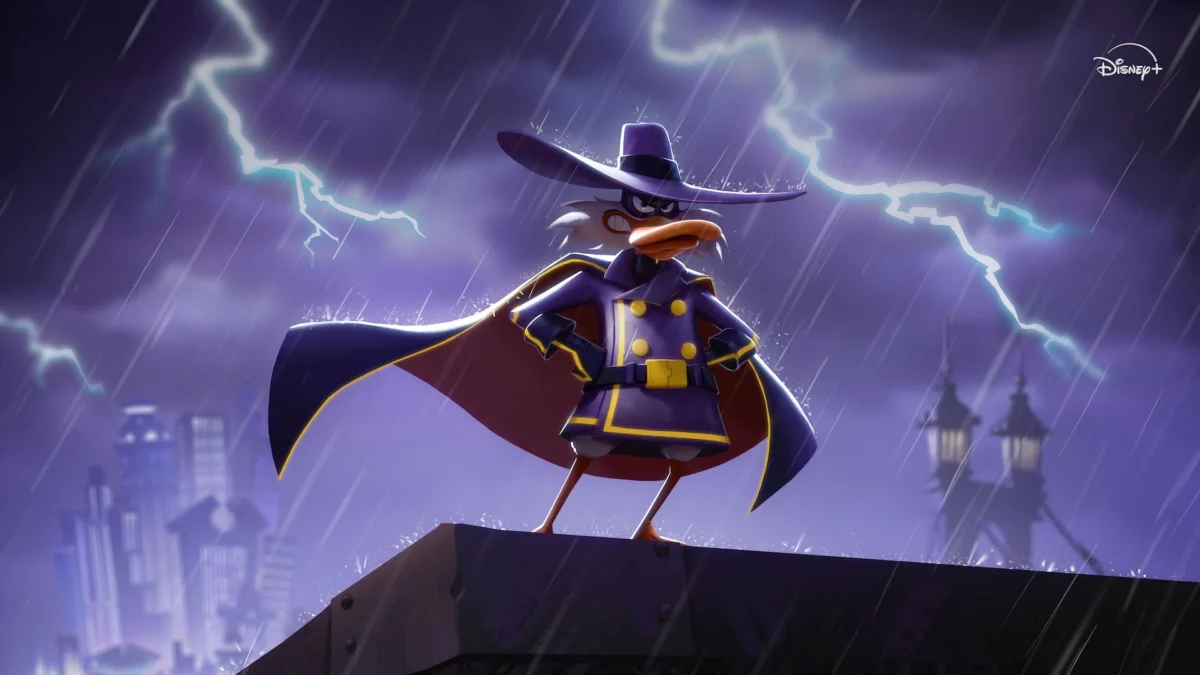
For over three decades, the caped crusader of St. Canard has remained a cult icon, a staple of the "Disney Afternoon" era that defined animation for a generation of viewers. On Tuesday, Disney officially confirmed what fans have whispered about for years: Darkwing Duck is returning to the screen in a brand-new, standalone series for Disney Plus.
The announcement, which promises a bold, meta-fictional reimagining of the character, marks a significant milestone for Disney’s strategy of leveraging its deep animation archives to reach both nostalgic Gen-X/Millennial parents and a new demographic of young streamers. With an A-list voice cast and a narrative hook that leans into the absurd, the "terror that flaps in the night" is poised for a high-profile comeback.
The Premise: A Hero Out of Time
The narrative framework of this revival is as unconventional as the character himself. According to official synopses provided by Disney, the show picks up with a premise that mirrors the real-world passage of time: Drake Mallard, known to the world as Darkwing Duck, has been trapped in an alternate dimension for 35 years—a world where his heroic exploits are entirely unknown.
The conflict begins when a rebellious teenager named Duckie discovers the truth of Mallard’s past. Duckie becomes the catalyst for the vigilante’s return, pulling the ego-driven, somewhat rusty hero back into a battle for the fate of the universe. The series promises to balance the character’s classic slapstick superhero tropes with a more modern, serialized approach to storytelling, bringing back iconic adversaries like the sadistic Negaduck and the electrifying Megavolt.
A Chronology of a Cult Classic
To understand the significance of this revival, one must look at the character’s unique history within the Disney ecosystem.
- 1991–1992: The original Darkwing Duck series premieres as part of the legendary "Disney Afternoon" programming block. Spanning 91 episodes, the show blends noir-inspired mystery, superhero tropes, and rapid-fire comedy.
- 1993: The series concludes its original run, but the character finds a second life in licensed media, including a highly regarded NES and Game Boy video game, as well as a series of comic books published by Disney and later Boom! Studios.
- 2017: Darkwing Duck makes a triumphant, albeit guest-heavy, return in the rebooted DuckTales series. Voiced by Chris Diamantopoulos, this iteration served as a "proof of concept" for Disney, testing whether modern audiences were ready to embrace the duck who gets dangerous.
- 2026: Disney officially announces the new standalone series, featuring a completely new voice cast and a narrative that serves as a direct follow-up to the 1990s legacy.
An Ensemble Cast of Heavy Hitters
Perhaps the most surprising element of the announcement is the caliber of talent attached to the project. Disney has eschewed traditional animation voice-acting norms in favor of a marquee-level cast.
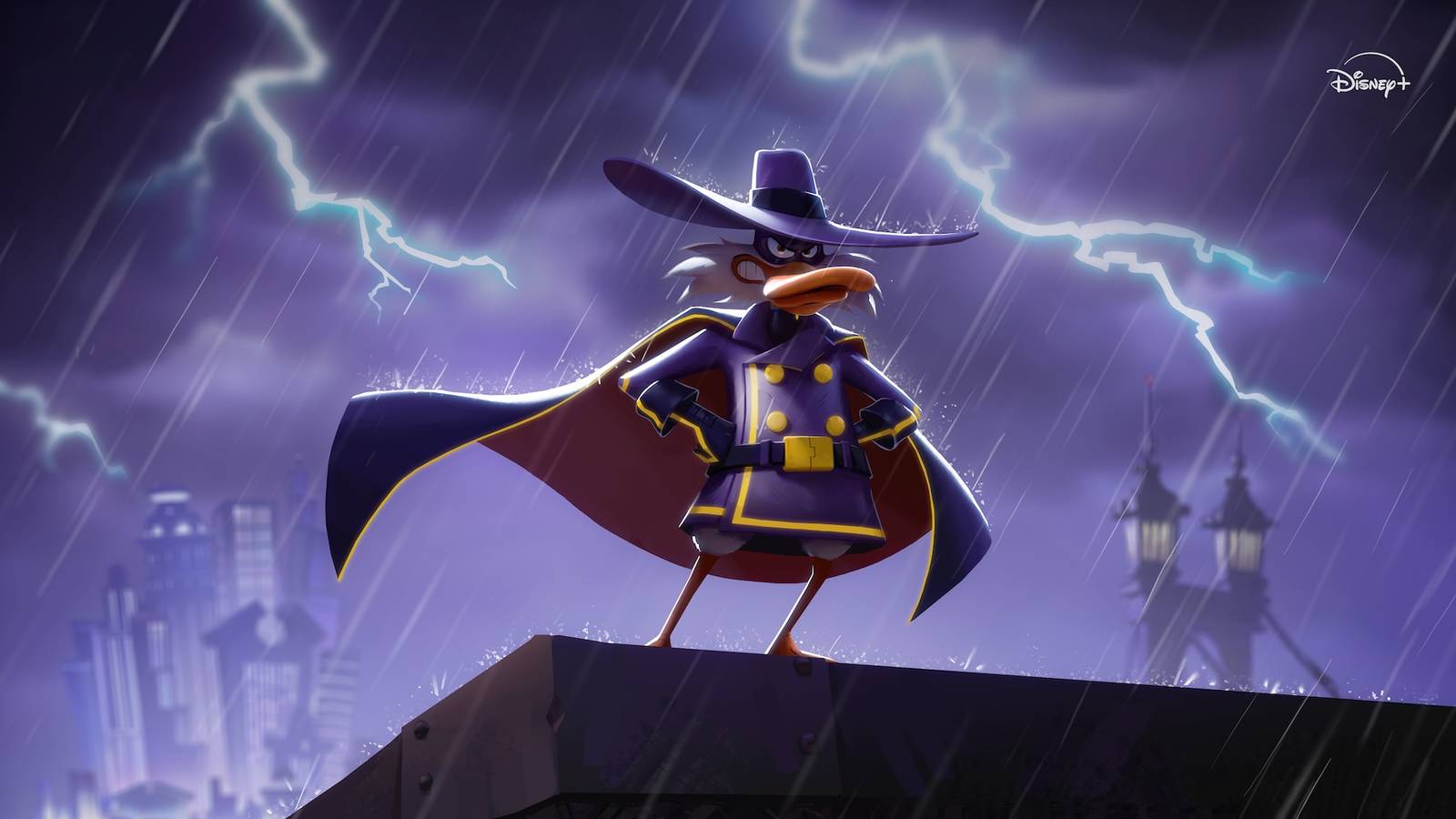
Mark Hamill, a legend in the voice-acting world and a pop-culture icon, will step into the cape and cowl as Drake Mallard/Darkwing Duck. Hamill’s ability to balance gravitas with theatrical villainy suggests a version of Darkwing that may be more nuanced than the original.
Joining him is Seth Rogen, who takes on the role of the lovable, crash-prone sidekick Launchpad McQuack. The inclusion of Rogen—known for his distinct comedic timing—suggests the show will lean heavily into the humor that defined the original series. Lizzy Caplan joins the cast as Gosalyn Mallard, while Lilimar will portray the newcomer, Duckie. The supporting ensemble is equally robust, featuring Dan Stevens, Tiffany Shepis, Kathryn Newton, Teo Briones, Tyler Dean Flores, Katie Rich, and Nat Faxon.
The Influence of the Creator
Tad Stones, the visionary creator behind the original 1991 series, has been tapped to consult on the project. His involvement is a calculated move by Disney to ensure that the "soul" of the character—the mix of pulp-fiction homage and character-driven comedy—remains intact.
"Like every other fan of the original show, I’m excited to see Darkwing getting dangerous again in a whole new series," Stones said in a press statement. By keeping the architect of the franchise involved, Disney hopes to avoid the pitfalls of modern reboots that alienate the core fanbase.
Implications for the Streaming Landscape
The Darkwing Duck revival is more than just a nostalgic play; it is a vital part of Disney’s broader strategy for Disney Plus. In a crowded streaming market, "IP-mining"—the process of identifying dormant properties with high brand equity—has become a standard business practice.
Leveraging Brand Equity
Disney has a massive library of 90s animation. By reviving Darkwing Duck, they are targeting the "nostalgia dollar." Adults who grew up watching the Disney Afternoon are now parents who are likely to subscribe to the platform to share those memories with their children.
Expanding the Duck-Verse
The success of the 2017 DuckTales proved that the "Duck-verse" (which includes DuckTales, Darkwing Duck, and TailSpin) still holds massive appeal. By creating a standalone show, Disney is testing the waters for a potential "shared universe" of animation that could eventually rival their live-action superhero output.

The Shift in Tone
Industry analysts suggest that the "meta" nature of this new series—where the hero has to prove his worth in a world that has forgotten him—reflects a trend in contemporary media. Shows like She-Hulk or The Boys have proven that audiences enjoy deconstructionist takes on the superhero genre. If Darkwing Duck can balance the "Saturday Morning" feel with a more sophisticated, self-aware narrative, it could become a flagship title for Disney’s animation division.
Challenges and Expectations
Despite the excitement, the production faces significant challenges. The original voice of Darkwing Duck, Jim Cummings, is synonymous with the character for many fans. Transitioning to a new lead voice actor is always a gamble. Furthermore, the show must walk a tightrope between catering to legacy fans who want a faithful continuation and attracting younger viewers who have no frame of reference for the original 1991 run.
Furthermore, the animation industry is currently undergoing a massive shift, with studios balancing traditional 2D aesthetics with modern CGI workflows. Fans are already speculating on whether the new show will retain the hand-drawn look of the original or adopt a slicker, more modern visual style.
What Lies Ahead?
As of late 2026, Disney has not provided a specific release date. The announcement has effectively turned the spotlight back on the masked mallard, and the internet is already rife with speculation regarding the tone, the potential for other Disney Afternoon cameos (will we see Gizmoduck or Quackerjack?), and the exact nature of the "alternate world" plot device.
For now, the project remains in active development. Whether the show successfully captures the lightning-in-a-bottle magic of the original or charts an entirely new path, one thing is certain: the appetite for high-quality, character-driven animation remains as high as ever.
Disney has promised that when the time is right, Darkwing will emerge from the shadows. Until then, fans are left to wait, watch the original episodes currently streaming on Disney Plus, and prepare for the return of a hero who—no matter how many years pass—never loses his flair for the dramatic. As the iconic theme song once promised, he is the terror that flaps in the night, the fingernail that scrapes the blackboard of your soul. And soon, he will be back to make sure the villains of St. Canard think twice before causing trouble.