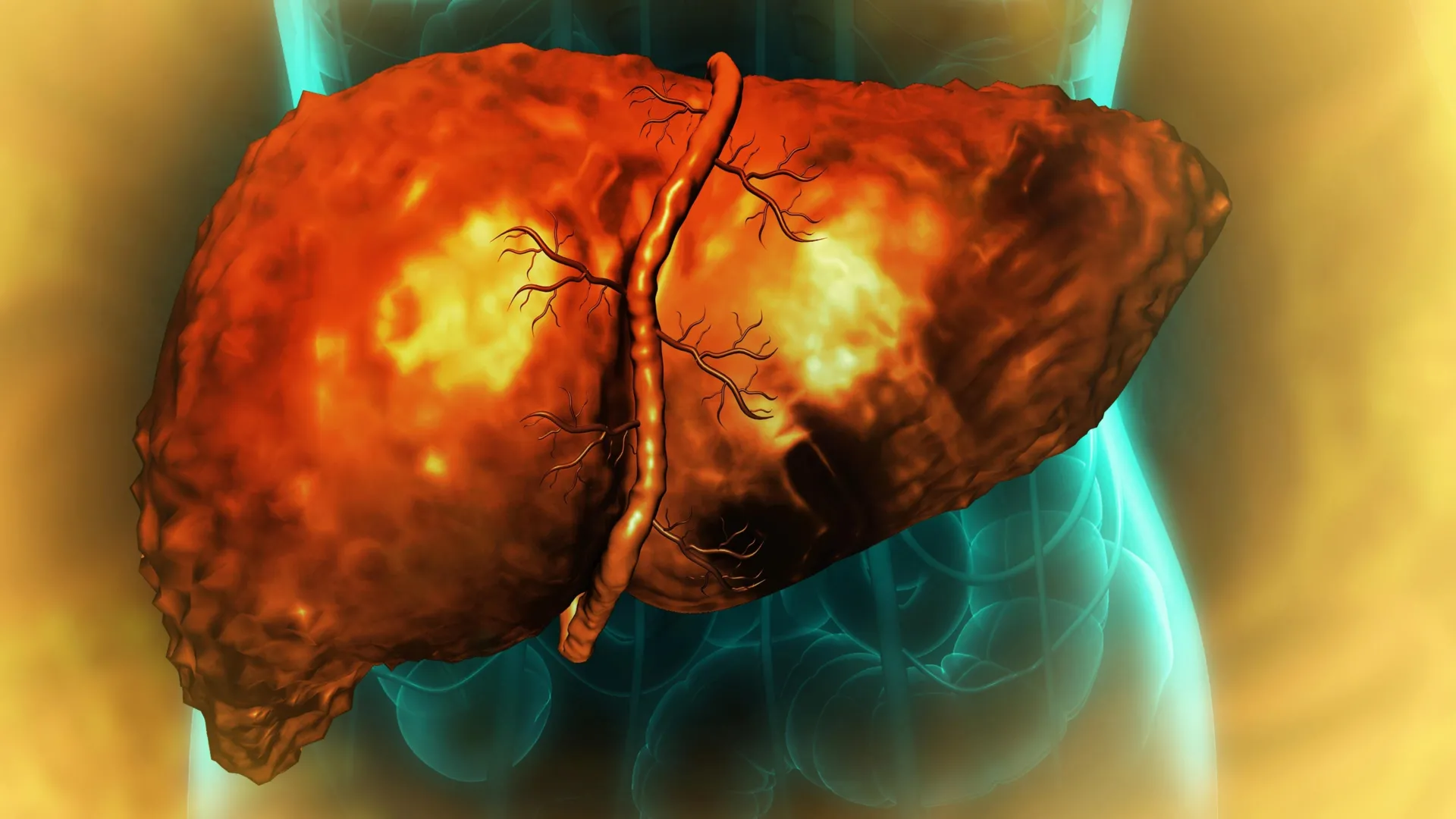
The human liver is a biological marvel, unique among our major organs for its near-mythical capacity to regenerate. Even after sustaining significant injury or the surgical removal of large portions of its mass, a healthy liver can typically orchestrate a complex cellular dance to restore itself to full function. However, for the millions of individuals suffering from alcohol-associated liver disease (ALD)—the leading cause of liver-related mortality worldwide—this innate repair mechanism hits a catastrophic wall.
New research, published in the journal Nature Communications, has finally unmasked the molecular culprit behind this failure. A collaborative team from the University of Illinois Urbana-Champaign, Duke University, and the Chan Zuckerberg Biohub Chicago has discovered that chronic alcohol use traps liver cells in a "cellular limbo." In this abnormal middle state, cells are stripped of their ability to either function as mature, healthy tissue or to complete the regenerative process. This discovery provides a vital roadmap for potential future therapies that could one day render the need for liver transplantation obsolete.
The Anatomy of a Failed Repair
To understand the significance of this discovery, one must first understand the liver’s standard operating procedure. Under normal conditions, when the liver suffers damage, its mature, specialized cells—hepatocytes—temporarily undergo a process of dedifferentiation. They revert to a "progenitor" state, essentially shedding their specialized identity to become more flexible, stem-like cells. Once they have multiplied sufficiently to replace the lost or damaged tissue, they mature back into fully functioning hepatocytes.
In patients with alcohol-associated hepatitis and cirrhosis, this cycle is broken. The researchers found that while the cells attempt to initiate the regeneration process, they become "stuck" mid-transition.
"They are neither functional adult cells nor proliferative progenitor cells," explained Ullas Chembazhi and Sushant Bangru, graduate students at the University of Illinois and co-first authors of the study. "Since they are not functioning, more pressure builds on the remaining cells. So they try to regenerate, and they’re all ending up in this unproductive quasi-progenitor state, and that’s what is causing liver failure."
This creates a self-perpetuating cycle of destruction: as more cells enter this unproductive limbo, the burden on the remaining healthy cells increases. These healthy cells then attempt to compensate by dividing, only to risk becoming trapped themselves, eventually leading to the organ-wide collapse characteristic of end-stage liver disease.
The Molecular Mechanism: RNA Splicing Gone Wrong
The investigation into why this cycle halts required a deep dive into the cell’s internal machinery. The research team focused on RNA splicing—a fundamental biological process that acts as a quality-control checkpoint between DNA and the production of functional proteins.
DNA contains the "blueprints" for cellular life, but those blueprints are often fragmented. Before these genetic instructions can be turned into proteins, the RNA must be "spliced"—cut and reassembled in specific ways. This process is crucial because different combinations of RNA segments can dictate where a protein goes within a cell and what function it performs.
Using sophisticated deep RNA sequencing and computational analysis, the researchers compared healthy liver tissue with diseased samples obtained from Johns Hopkins University Hospital. They discovered that in alcohol-damaged livers, the splicing process was failing on a massive scale across thousands of genes.
The primary driver of this failure is a protein called ESRP2. Under healthy conditions, ESRP2 binds to RNA to ensure it is spliced correctly. In diseased livers, however, ESRP2 levels are dangerously depleted. The consequences of this depletion are twofold: not only are proteins improperly formed, but their "shipping labels"—the molecular instructions that tell the protein where to go within the cell—are also corrupted.
"We found that, in many cases, the sequence that dictates where the protein localizes within a cell was misspliced," noted biochemistry professor Auinash Kalsotra, who co-led the study. "There was the same amount of RNA and protein, but the protein was not at the right place to function. Due to missplicing, key proteins that are required for productive liver regeneration were getting stuck in the cytoplasm, when they needed to be in the nucleus."
Because these proteins are trapped in the cytoplasm, they remain physically separated from the DNA they are meant to regulate, rendering them effectively useless despite their presence in the cell.
The Role of Inflammation: A Chronological View
The researchers traced the origin of this molecular collapse back to systemic inflammation caused by chronic alcohol consumption. The process follows a distinct pathological timeline:
- Initial Injury: Chronic alcohol intake triggers significant tissue damage, prompting the liver to activate its innate regenerative response.
- Inflammatory Surge: As the liver attempts to heal, it attracts immune cells and support cells to the site of injury. These cells release a flood of inflammatory and growth factors.
- Suppression of ESRP2: These inflammatory signals act as a molecular "brake," suppressing the production and activity of ESRP2.
- Splicing Breakdown: Without sufficient ESRP2, the RNA splicing machinery malfunctions.
- Cellular Limbo: Cells attempting to regenerate fail to complete the transition, becoming stuck in an unproductive state.
- Organ Failure: The accumulation of these non-functional cells overwhelms the liver, leading to the clinical symptoms of alcohol-associated hepatitis and, eventually, cirrhosis.
The team confirmed this link by studying mice lacking the gene responsible for producing ESRP2. These mice exhibited the same patterns of failed regeneration and liver injury seen in human patients with advanced alcohol-associated disease, confirming that ESRP2 depletion is a direct cause—rather than a side effect—of the disease.
Implications for Future Treatment
For decades, the standard of care for patients reaching the liver failure stage of ALD has been clinical management followed by the possibility of a liver transplant. Transplantation, however, is a resource-intensive, high-risk, and limited option that is unavailable to many patients.
The identification of this inflammatory pathway offers a new, potentially non-surgical avenue for intervention. In laboratory cultures of liver cells, the researchers successfully blocked the inflammatory receptor that suppresses ESRP2. Following this treatment, ESRP2 levels were restored, and RNA splicing returned to normal.
"If we could correct the splicing defects, then maybe we can improve recovery and restore damaged livers," Professor Kalsotra stated. While the research is currently in the laboratory phase, the implications for clinical medicine are profound.
Potential Diagnostic and Therapeutic Applications:
- Biomarkers for Early Detection: The misspliced RNA molecules identified in the study could serve as biological markers (biomarkers), allowing doctors to detect early signs of liver distress long before clinical symptoms like jaundice or fluid retention appear.
- Targeted Anti-Inflammatory Therapy: Future drugs could be developed to specifically block the inflammatory signals that deplete ESRP2, effectively "unlocking" the liver’s ability to heal itself.
- Personalized Monitoring: By monitoring the splicing health of a patient’s liver cells, clinicians might be able to better gauge the success of alcohol cessation programs and the likelihood of successful tissue regeneration.
Conclusion: A New Horizon for Hepatology
This research represents a significant shift in our understanding of alcohol-associated liver disease. By moving beyond the simple observation that the liver stops healing and identifying the specific molecular "glitch" responsible, the team has provided a tangible target for medical innovation.
The study, supported by a coalition of institutions including the National Institutes of Health, the Chan-Zuckerberg Biohub Chicago, the Duke Endowment, and the Muscular Dystrophy Association, underscores the power of interdisciplinary science. As the researchers move toward future clinical studies, the goal is clear: to transition from treating the end-stage consequences of liver failure to curing the underlying molecular blockages that prevent the body’s most resilient organ from performing its most vital task.
For the three million people who lose their lives to alcohol-related liver complications annually, this discovery offers more than just academic insight—it offers a potential lifeline. By learning how to clear the "limbo" in which these cells reside, modern medicine may soon be able to harness the liver’s natural brilliance to repair the very damage that was once thought permanent.