When Avatar: Seven Havens debuts on Paramount+ this October 9, audiences will not be returning to the familiar, steam-powered optimism of Republic City or the tranquil, air-temple vistas of the past. Instead, creators Michael Dante DiMartino and Bryan Konietzko are taking the Avatar franchise into uncharted, darker, and more mysterious territory. Set over two centuries after the conclusion of The Legend of Korra, this new series represents the most significant tonal and structural shift in the history of the franchise.
In a world ravaged by a mysterious, epoch-defining cataclysm, the very concept of the Avatar has shifted from a source of hope to a symbol of fear. For the first time, the series will lean heavily into mystery and survival horror, trading the grand geopolitical conflicts of the past for a claustrophobic, high-stakes exploration of a world struggling to persist.
The New Frontier: A World Reimagined
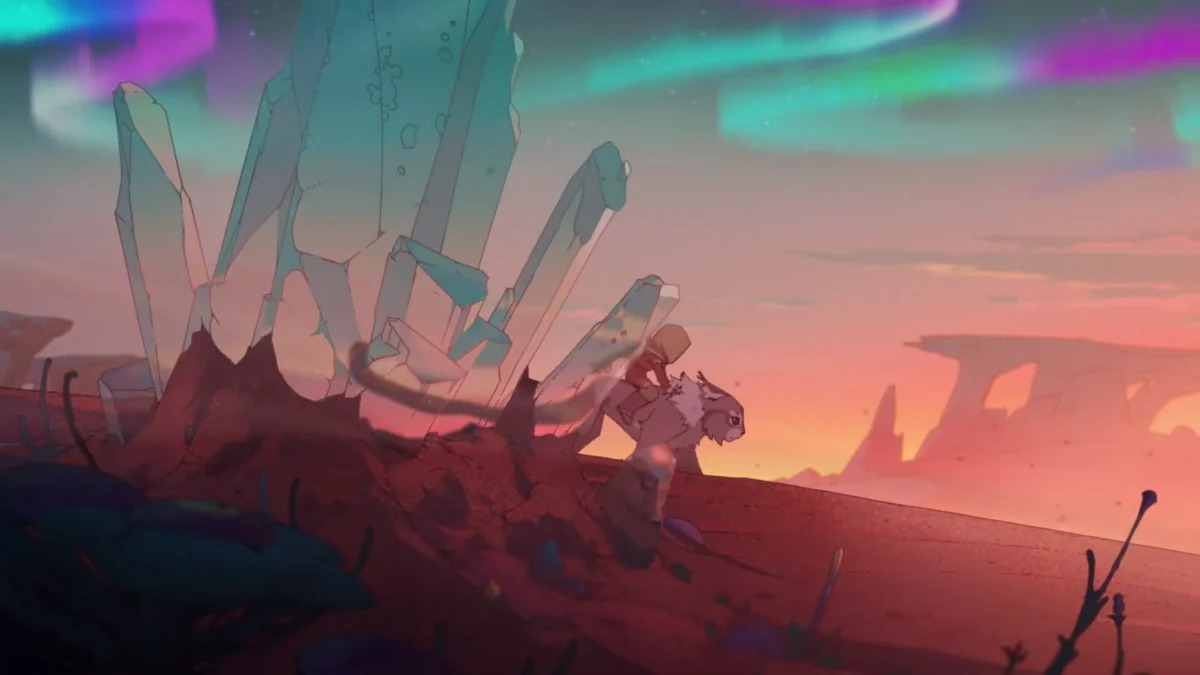
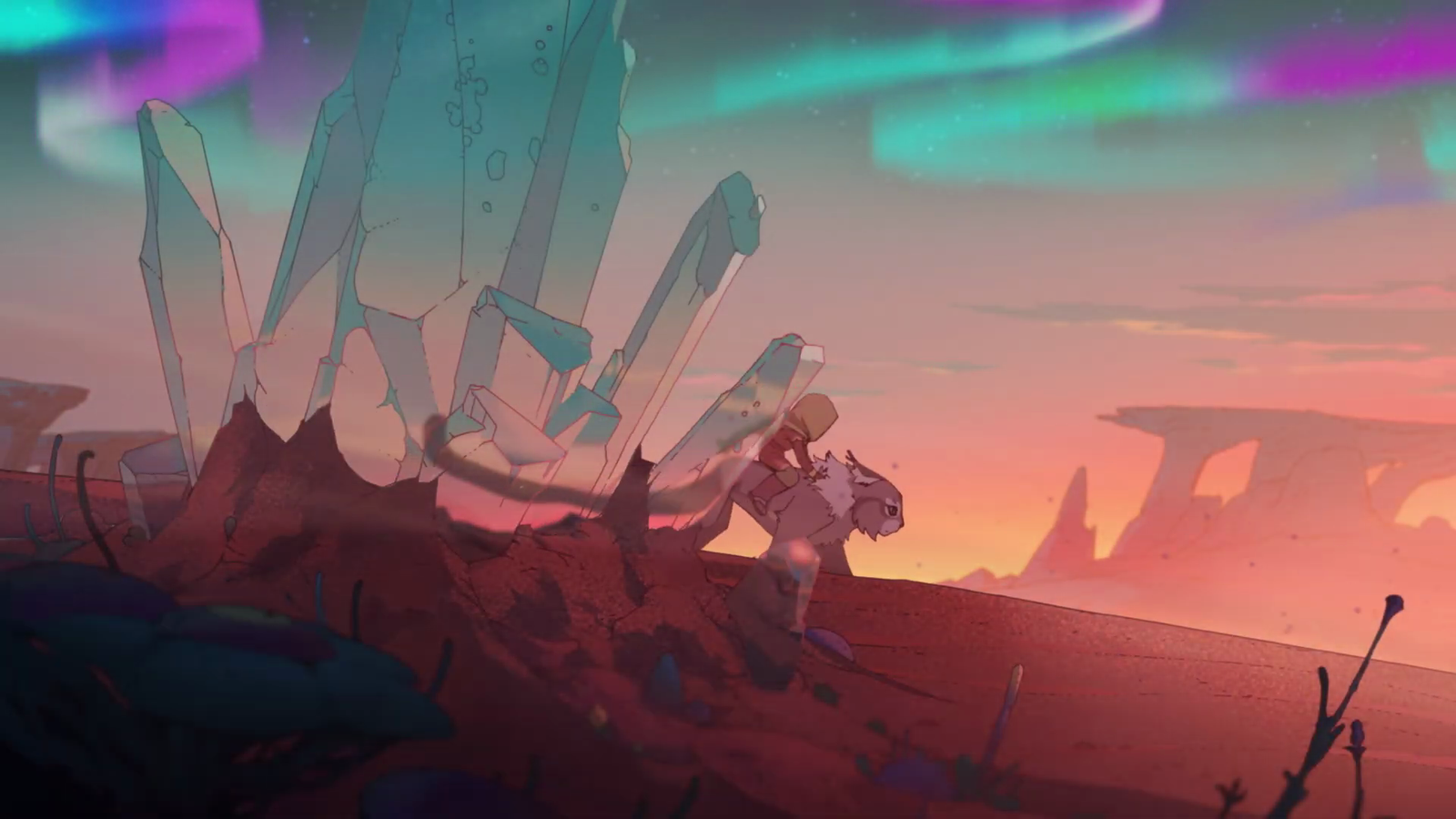
Avatar: Seven Havens introduces viewers to Pavi, a young earthbender who discovers she is the latest incarnation of the Avatar during a time of extreme societal fragility. The world she inhabits is a far cry from the interconnected nations of Aang or Korra’s time. Following a global cataclysm that shattered the barrier between the physical and spirit realms, humanity has retreated into fortified, isolated settlements known as "Havens."
The series’ visual language is undergoing a radical transformation, thanks to the collaborative efforts of Paris-based Chouette Studios. The aesthetic moves away from the traditional Eastern-inspired architecture of the previous shows, embracing a "Moebius-inspired" surrealism that mirrors the chaotic, altered state of the planet. These Havens—specifically the sprawling, canyon-nested metropolis of Ellora—serve as the heart of the series.
Chronology: The 225-Year Gap
One of the most burning questions surrounding the series was the exact placement of the timeline. Executive producer Sehaj Sethi confirmed that Seven Havens takes place approximately 225 years after the finale of The Legend of Korra.
This massive time jump serves a distinct narrative purpose. By placing the story so far into the future, the creators have been able to bypass the "clean-up" of Korra’s era and instead present a world that has already lived through the consequences of that transition. The cultures, bending philosophies, and even the way individuals view the elements have become blurred. In the Havens, survival is the only governing ideology, and the distinct national identities of the Fire Nation, Earth Kingdom, and Water Tribes have synthesized into a new, blended global culture.
The Evolution of the Havens
The world-building in Seven Havens is fundamentally built on the concept of endurance. Unlike the expansive maps of the original series, the world is now defined by its defensive geography.
Ellora, the primary setting, is a testament to this shift. Nestled within deep slot canyons to protect its million-plus residents from the relentless, planet-wide storms that followed the cataclysm, the city is a masterpiece of survivalist engineering.
Key Characteristics of the New World:
- Defensive Geography: Structures are designed to withstand constant environmental threats, with the city center being the only exposed portion of the urban sprawl.
- The "Destroyer" Myth: Because the Avatar is historically linked to the world’s most cataclysmic changes, the public now regards the entity with profound distrust. Pavi’s discovery of her own status is not a moment of destiny, but a death sentence should she be discovered.
- Cultural Synthesis: The bending arts are no longer tied to specific ethnic origins. Instead, they are practiced as a survival tool within a melting-pot society. The terminology and philosophy behind the elements have evolved to reflect a world that no longer remembers the specific histories of Aang or Korra.
Official Insights: The Creative Vision
In an exclusive discussion with Polygon, Michael Dante DiMartino and the production team provided context on how this project materialized. The genesis of Seven Havens dates back to early 2021, shortly after the formation of Avatar Studios.
"We wanted to drop the viewer into a world that had experienced a cataclysmic event," DiMartino explained. "We settled on Pavi, a girl who lives in hiding and who is younger than both Aang and Korra. We thought it would be interesting to place this kind-hearted character into a world that was not only on the brink of collapse, but whose citizens reviled the Avatar."

The transition to a mystery-first narrative structure is a deliberate departure from the previous installments. DiMartino noted that the team wanted the audience to engage with the world’s history as a puzzle. Questions like "How did the world get so bad?" and "How did Pavi lose her leg?" serve as the narrative anchors that drive the plot forward.
Executive producer Ethan Spaulding emphasized the visual evolution, noting that the clothing and design philosophies reflect a "blending of cultures" that has occurred over the last two centuries. "The real-world elements are still there," Spaulding noted, "in a less obvious way."
Implications for the Franchise
The implications of Avatar: Seven Havens are profound. By introducing an Avatar who is essentially an underdog operating in a hostile society, the creators are effectively deconstructing the "chosen one" trope that defined the first two series.
Furthermore, the integration of AAPI and Indigenous influences remains a core tenet of the franchise, even in this futuristic setting. Sehaj Sethi highlighted that the city of Ellora draws inspiration from the Ellora Caves in India, emphasizing that while the world is fantastical and futuristic, its roots remain firmly planted in real-world cultural heritage.
The shift to a "mystery" genre suggests that the showrunners are interested in a more mature, contemplative pace. In the original Avatar, the goal was usually clear: defeat the Fire Lord or restore balance to the city. In Seven Havens, the goal is simply to survive long enough to understand why the world broke in the first place.

The Burden of the Avatar
Perhaps the most intriguing aspect of the upcoming series is the psychological toll on Pavi. Unlike Aang, who was thrust into a war, or Korra, who had to reconcile her identity with the expectations of the world, Pavi is forced to hide the very thing that makes her who she is.
The "Seven Havens" themselves are not just locations; they represent the fragmented remnants of human civilization. The motto, "For the survival of Ellora," creates a narrative friction where the Avatar’s instinct to help others could inadvertently trigger the collapse of the very shelter that keeps her people alive.
As fans prepare for the October 9 premiere on Paramount+, the consensus among those who have seen the early teasers is clear: this is not a nostalgia trip. It is a bold, risky, and highly anticipated evolution of a franchise that has proven, time and again, that it is not afraid to change the shape of the world.
Whether Pavi will be able to restore the reputation of the Avatar—or if she will be forced to redefine the role entirely in a world that no longer wants one—remains the central mystery of what promises to be the most consequential chapter in the Avatar saga to date.