In the sprawling tactical landscape of Fire Emblem: Fortune’s Weave, players are often struck by a familiar, nagging impulse: the need to recruit every single soul available. For many, this instinct is a byproduct of modern RPG design—a legacy of Suikoden’s 108 Stars of Destiny or the rigorous social-link management found in the Persona series. However, as many players are discovering, Fortune’s Weave is a different beast entirely. It is a game that actively discourages the "catch-them-all" mentality, favoring quality of experience over the sheer quantity of roster members.
The Myth of the Universal Roster
For the uninitiated, Fire Emblem: Fortune’s Weave offers a level of recruitment flexibility that is unprecedented in the long-running franchise. With four distinct protagonists—Leda, Cai, Deitrich, and Theodora—and a world map that functions as a bustling hub of potential allies, the game presents a seductive invitation to build an army of massive proportions.
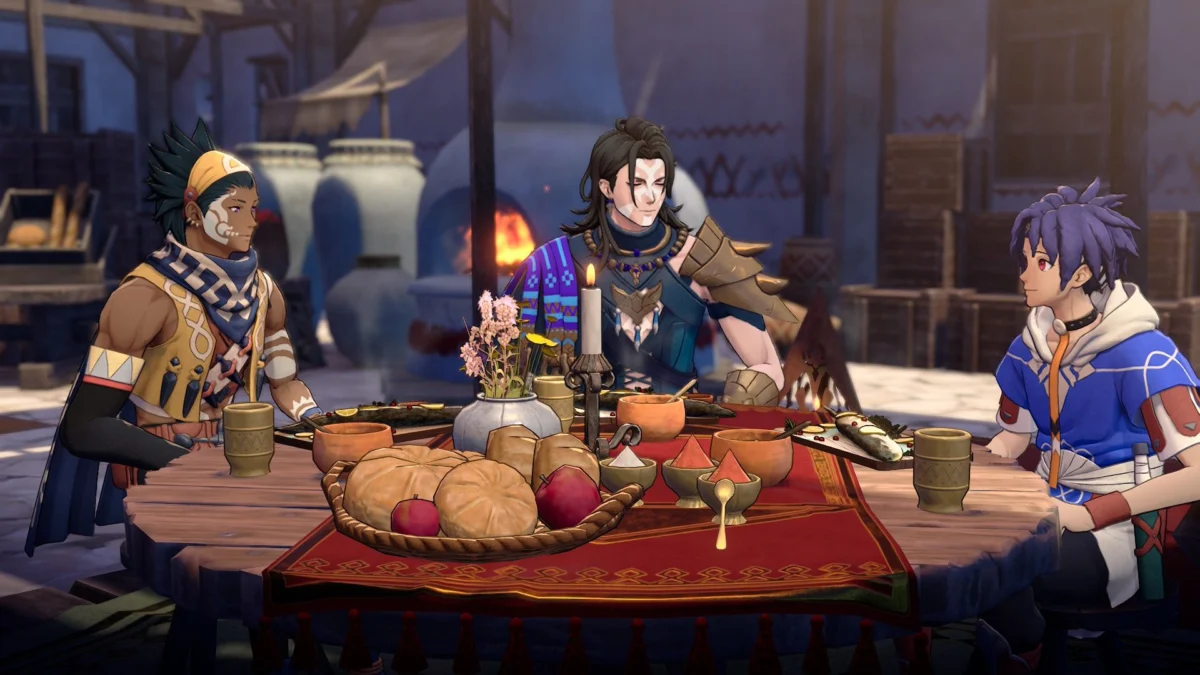
In the early hours, the game’s economy and social systems seem designed to facilitate this. Players are given access to gifts, side quests, and rapport-building mechanics that allow them to "woo" potential recruits. However, this is where the "Completionist Trap" springs. Players, myself included, often find themselves spending hours scouring vendor inventories, hoarding fish sauce and pastries, and backtracking across the map to appease every recruitable NPC. It is a frantic, "Black Friday" style approach to gameplay that ultimately hollows out the core tactical experience.
Chronology of a Recruitment Spree
The descent into this cycle usually follows a predictable pattern for the average player:

- The Early Game (Chapters 1-3): The player is introduced to the core party. At this stage, resources are scarce, and the focus is on survival. The temptation to recruit is low because the player is preoccupied with basic combat mechanics.
- The Mid-Game Expansion (Chapters 4-8): Renown ranks begin to climb. The player discovers that they can influence potential allies through gifts. This is the "Point of No Return," where the player realizes they have the power to curate their roster.
- The "Burnout" Phase (Chapters 9-12): The player realizes that while they have spent hours gifting and grinding for affection, they are critically underleveled. The realization sets in: they have been playing a dating simulator while the battlefield demands a hardened mercenary company.
- The Acceptance: By the final acts of the first protagonist’s route, the player discovers that the game was never intended to be conquered with a single, massive roster. They begin to focus on a core, high-performing team.
Supporting Data: Why Small Teams Prevail
The tactical reality of Fortune’s Weave is one of limitation. Most main story battles during the "Heroic Games" segment of the campaign cap party size at five to seven units. When you factor in the mandatory inclusion of the protagonist and a few essential story-linked characters, you are left with only two or three slots for "flex" recruits.
If a player has spent twenty hours recruiting fifteen different side characters, they are left with a fundamental problem: ten of those characters will likely never see combat. The game’s experience point (EXP) distribution is stingy, meaning that if you rotate your bench too frequently, you end up with a team of "jacks-of-all-trades" who are masters of none.
Statistical analysis of player activity suggests that the most successful runs—those that result in higher difficulty completion—are characterized by "core-heavy" strategies. By focusing on four to five high-utility units, players can maximize synergy, optimize gear distribution, and ensure that their combat output remains competitive with the game’s scaling difficulty.
The Design Philosophy: Official Perspectives
While Nintendo and Intelligent Systems have remained tight-lipped regarding the specific intent behind the game’s "limited recruitment" structure, the game design speaks volumes. By allowing players to revisit chapters on different routes, the developers have effectively decoupled the "recruitment goal" from the "playthrough goal."

In previous iterations of the series, missing a character often meant a permanent loss. In Fortune’s Weave, the design team has embraced a more fluid approach. If a character is missed on Leda’s route, they remain available on the routes of Cai or Theodora. This design choice serves as a narrative safety net, meant to alleviate the anxiety of choice. However, it also highlights that the developers intended for players to view the game not as a single 100-hour slog to perfection, but as a series of distinct, varied experiences.
The Implications: Why We Should Stop Trying
The most significant implication of this design is the shift in how we define "success" in a Fire Emblem game. For years, the community has equated completion with excellence. Fortune’s Weave challenges this. It forces the player to reconcile with the fact that you cannot, and should not, try to win the approval of everyone.
1. Narrative Impact
By choosing to ignore certain characters, the player’s experience becomes unique. Your specific army composition defines your story. If you decide not to recruit the local merchant or the wandering swordsman, you aren’t "failing" the game; you are simply defining the boundaries of your own legend.
2. Tactical Efficiency
Focusing on a smaller group allows for deeper investment. The support conversations, the stat-capping, and the equipment specialization—all these systems become meaningful only when applied to a select few. When you spread your resources thin, the game becomes a management chore rather than a tactical challenge.
3. The Psychological Reward
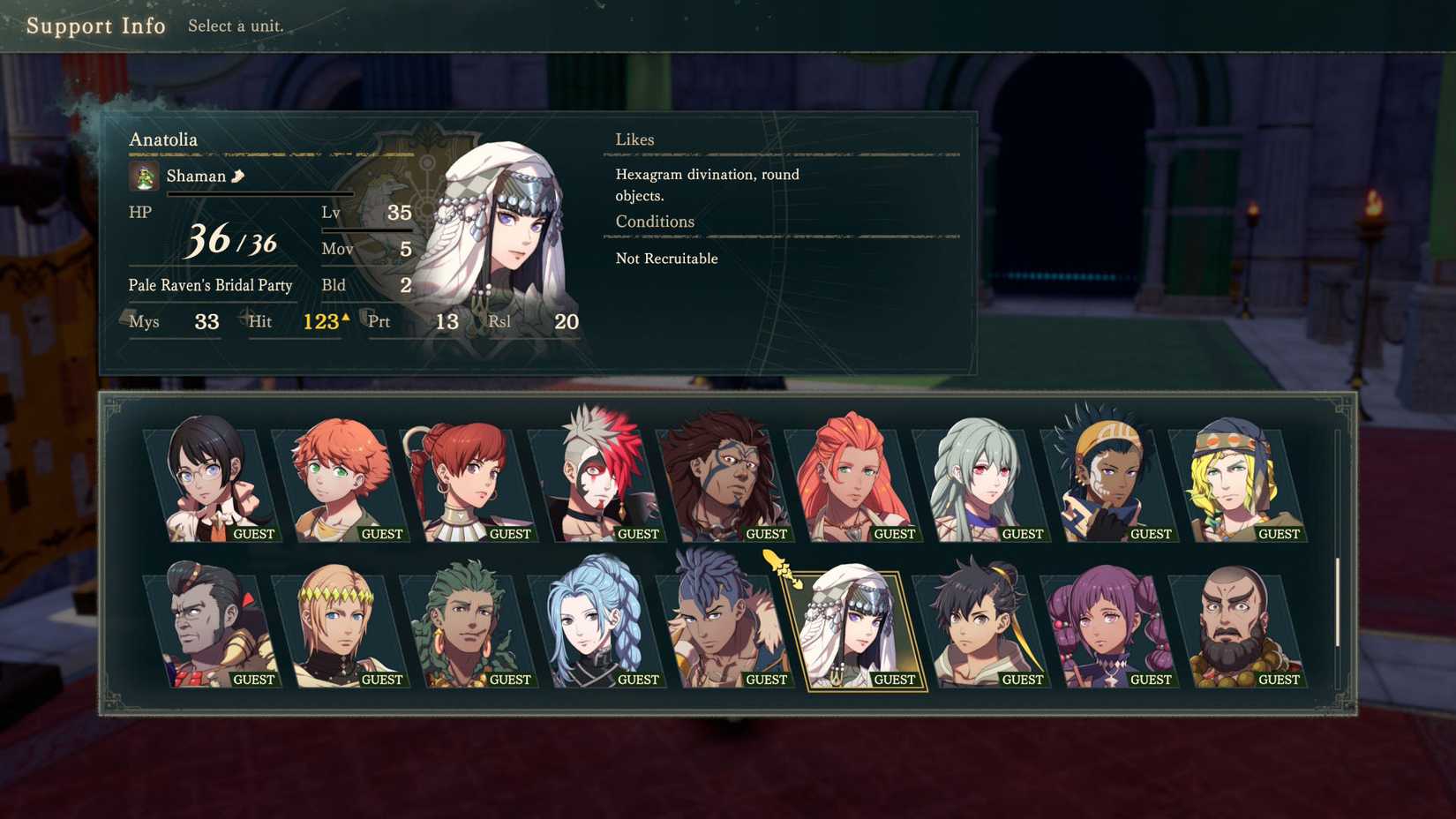
There is a unique satisfaction in "letting go." The moment you stop worrying about whether the sad goth girl with the cool hat has been gifted her favorite item, you can actually enjoy the tactical nuances of the next mission. You move from being a collector of digital dolls to being a commander of a cohesive unit.
Conclusion: A New Way to Play
Fire Emblem: Fortune’s Weave is a lesson in letting go. It serves as a sharp critique of the "completionist" mindset that has permeated modern gaming. By offering us the tools to recruit everyone, the developers have highlighted the absurdity of wanting to.
For those currently stuck in the loop of buying every fish sauce and pastry in the kingdom, take a step back. Look at your roster. Identify the characters you actually enjoy using—the ones who provide the most utility in the heat of battle or the most compelling dialogue in the mess hall. Invest in them. Let the others stay on the sidelines.
You don’t need to be everything to everyone, and neither does your army. Success in Fortune’s Weave isn’t measured by how many people are on your roster screen, but by the strength of the bonds you chose to nurture. It is time to stop playing as a diplomat and start playing as a tactician. After all, it’s never too late to pursue that one character you actually care about—the rest are just background noise.