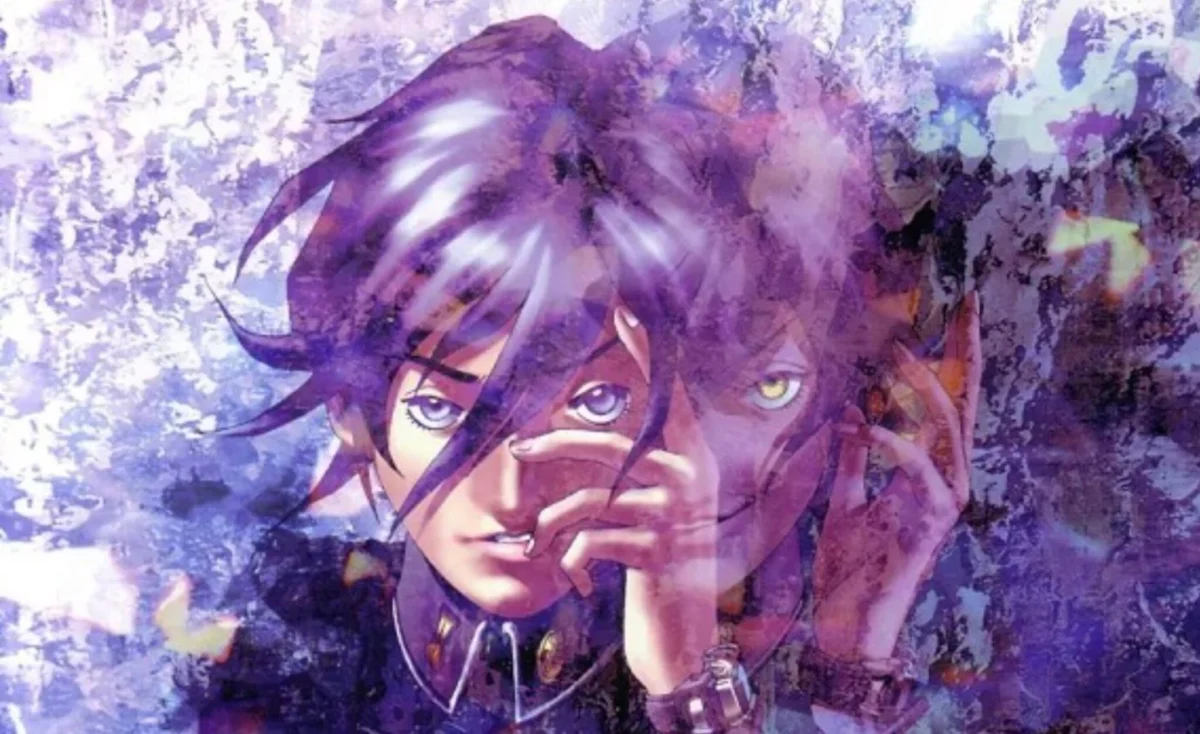
As the gaming industry looks toward the highly anticipated release of Persona 6—a title that arrives two decades after the series’ breakout hit, Persona 3—it is easy to forget that the phenomenon once began as a niche experiment. While Persona is now a household name in the RPG genre, its origins are rooted in a humble 1996 PlayStation title, Megami Ibunroku Persona (released in North America as Revelations: Persona). To understand the juggernaut the franchise has become, one must trace its lineage back to the halls of a fictional Japanese high school and a pivotal shift in the Megami Tensei design philosophy.
The Foundations: From Megami Tensei to the High School Halls
The Persona series did not emerge in a vacuum. By the mid-1990s, developer Atlus was already a seasoned veteran of the RPG space, having built the long-running Megami Tensei series. These early titles were notorious for their uncompromising difficulty, grim aesthetic, and post-apocalyptic settings. However, the creative team at Atlus began to seek a more grounded, intimate narrative framework.
This desire for evolution culminated in the 1994 Super Famicom title Shin Megami Tensei If…. Set within the walls of Karukozaka High School, which had been physically displaced into a demon-infested dimension, the game introduced the concept of students forming alliances to survive supernatural threats. The antagonist, Ideo Hazama, was a brilliant but bullied student whose descent into vengeance-fueled madness provided the emotional stakes that the broader, world-ending conflicts of the main Megami Tensei series sometimes lacked.

While Shin Megami Tensei If… never received an official Western release—largely due to the stringent localization and censorship policies enforced by Nintendo of America at the time—it was a resounding success in Japan. This success provided the proof-of-concept Atlus needed: players were hungry for stories that combined the tactical depth of demon-summoning with the relatable, personal anxieties of youth.
Chronology: The Birth of a Legend
The trajectory of the franchise can be segmented into several distinct eras of growth and refinement:
- 1994: The release of Shin Megami Tensei If… on the Super Famicom, establishing the "school setting" trope for the future franchise.
- September 20, 1996: The Japanese debut of Megami Ibunroku Persona on the PlayStation.
- 1996-1997: The initial, somewhat compromised, North American localization efforts which attempted to adapt the game for a Western audience raised on Final Fantasy and Dragon Warrior.
- July 13, 2006: The release of Persona 3 in Japan, which transformed the series into a mainstream powerhouse by introducing the Social Link system and a modern, stylized aesthetic.
- September 22, 2009: The release of the PSP port of the original Persona in North America, which restored cut content and refined the gameplay, finally offering Western players a version closer to the developer’s original vision.
- 2026: The present day, as fans look toward the horizon for Persona 6 and rumors of potential modern remakes of earlier entries.
The "Persona" Difference: Emotional Stakes and Tactical Depth
What set the original Persona apart from its peers in 1996 was its focus on the "inner self." The premise—high school students gaining the ability to manifest their psyche as supernatural entities—allowed for a narrative that was simultaneously an action-adventure and a coming-of-age drama.

Unlike the sprawling, epic fantasy narratives of the era, Persona was centered on a single town, Mikage-cho. The combat system, while retaining the complex elemental interplay and demon negotiation of the Megami Tensei games, was designed to be more approachable. This accessibility, combined with a cast of characters defined by their personal insecurities rather than just their combat prowess, created a blueprint for the "Social Link" system that would later define the series in the mid-2000s.
The game also offered two distinct narrative "routes," a decision that emphasized the importance of player agency. While the original North American localization struggled to convey the full depth of the game—partly due to the rapid development cycle and the cultural disconnect between Japanese and Western RPG audiences of the 90s—the core identity remained intact.
Localization Challenges and the "Snow Queen" Omission
A critical part of the franchise’s history is the struggle of its early localization. Atlus USA, at the time, was tasked with taking a deeply Japanese product and making it palatable for a Western market. This often meant stripping away cultural nuances that risked confusing players who were unaccustomed to the Megami Tensei universe.
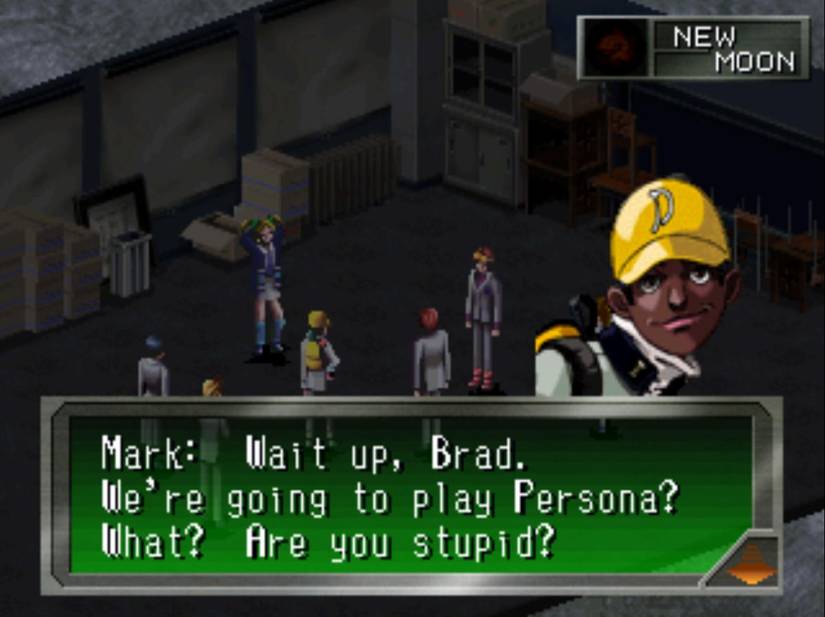
One of the most notable casualties of this process was the "Snow Queen" route. Due to the high-pressure release schedule and the need to tailor the game for a Western audience, this major narrative path was removed from the initial North American release. It was a move that, in retrospect, limited the scope of the original experience. It wasn’t until the 2009 PlayStation Portable (PSP) release that fans in the West were finally able to experience the full, restored narrative of the original game, including the previously cut content and updated UI that brought it closer to the modern standard set by Persona 3.
Implications for the Modern Era
The legacy of the original Persona is not found in its 1996 graphics or its occasionally clunky menu navigation—which, by 2026 standards, certainly shows its age. Rather, its legacy is found in the DNA of the modern titles that define the genre.
The success of Persona 3 served as a turning point, providing Atlus with the confidence to look back at its roots. Today, as the studio manages a portfolio that includes the upcoming Persona 6 and the buzz surrounding the Persona 4 Revival, the industry recognizes that the original game was the necessary "faltering step" that allowed the series to find its footing.

Industry analysts often point to Persona as a masterclass in brand evolution. By keeping the core pillars—demon negotiation, elemental combat, and the exploration of the human psyche—the franchise has remained relevant across three decades. There is a recurring sentiment among the community that as the series grows more cinematic and expansive, a modern, high-fidelity remake of the original Persona could serve as the ultimate bridge between the past and the future.
Conclusion: The Unending Journey
As we stand in late 2026, the Persona franchise remains a titan of the RPG landscape. It has evolved from a niche spin-off of a brutal, difficult series into a global cultural phenomenon. The "intimacy for the devils"—the idea that the greatest battles are not against gods, but against one’s own internal demons—remains the beating heart of every game in the franchise.
While the original title may feel rough to the uninitiated, it serves as a foundational text for anyone interested in the history of the genre. It reminds us that even the most massive, polished, and successful franchises have humble origins, and that the risk of creating something "different" is often what leads to the most enduring legacies in gaming. As fans wait for what comes next, the original Persona stands as a testament to the fact that when you care for the people behind the monsters, the audience will follow.