On the outskirts of Portland, Oregon, hidden within a cluster of unassuming, industrial-style buildings, a quiet revolution is occurring. It is a revolution not of pixels and algorithms, but of wire, silicone, rapid prototyping, and an almost pathological commitment to the tactile. This is the home of Laika Studios, the stop-motion powerhouse that redefined the boundaries of animation with Coraline, Kubo and the Two Strings, and Missing Link.
As of September 2026, the studio is preparing for the October 23 release of its latest and most gargantuan effort: Wildwood. Directed by Laika CEO Travis Knight, the film is an adaptation of the beloved fantasy novel by Colin Meloy. It is a high-stakes, magical odyssey that follows a young girl named Prue—portrayed by Peyton Elizabeth Lee—as she ventures into an enchanted, perilous forest to rescue her kidnapped infant brother. While the premise echoes classic high-fantasy tropes, the execution is, by all industry accounts, an engineering marvel that pushes the limits of what physical animation can achieve.
The Genesis of the Wildwood World: A Chronology of Craft
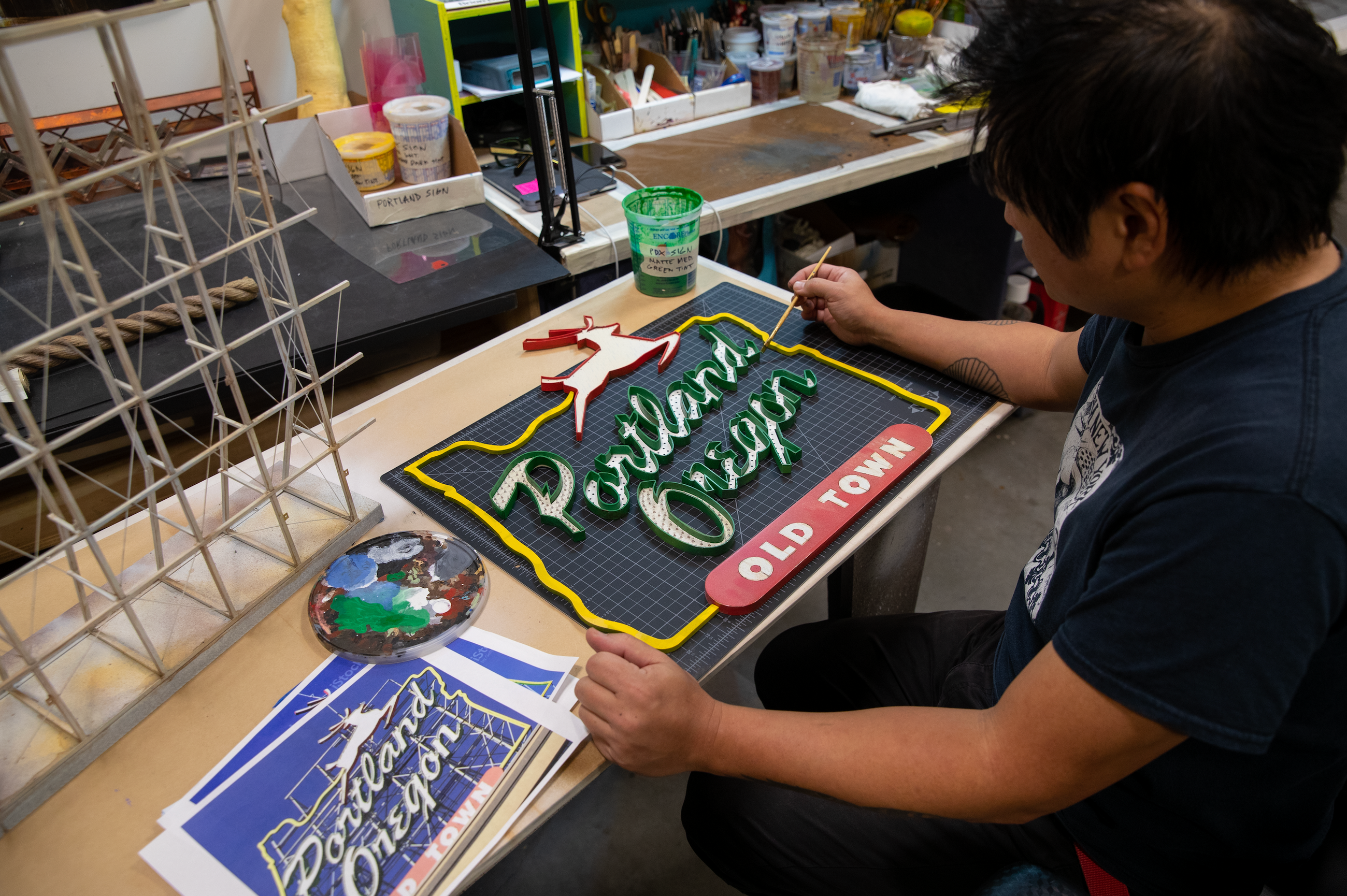
The road to Wildwood was not merely a journey of narrative adaptation; it was a logistical marathon that began years ago. The development phase required a unique approach to world-building, specifically because the film is set in a fictionalized version of Portland itself.
The project’s inception began with a deep, exhaustive scouting of the real-world Forest Park. Unlike previous Laika films, which relied on entirely invented landscapes, Wildwood demanded a grounded, geographic authenticity. Designers, led by production designer Nelson Lowry, spent months scanning, photographing, and documenting the topography of the eight-mile-long green oasis.
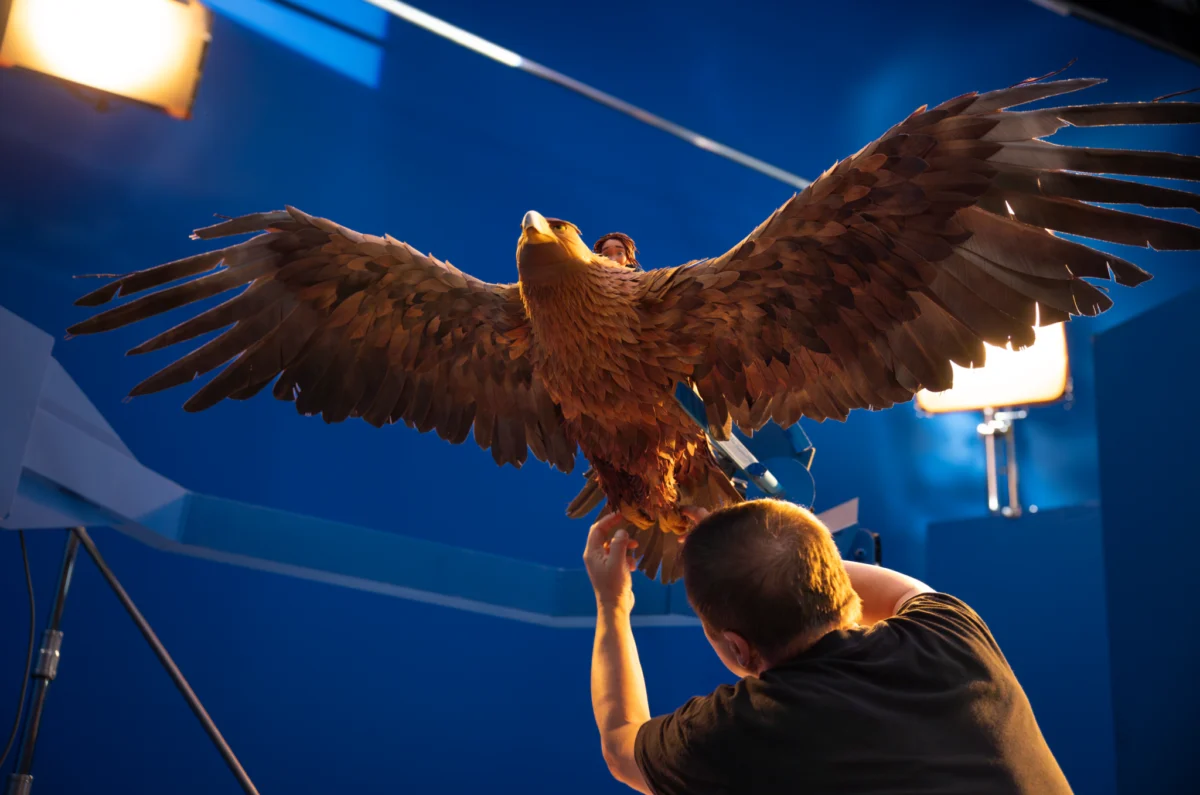
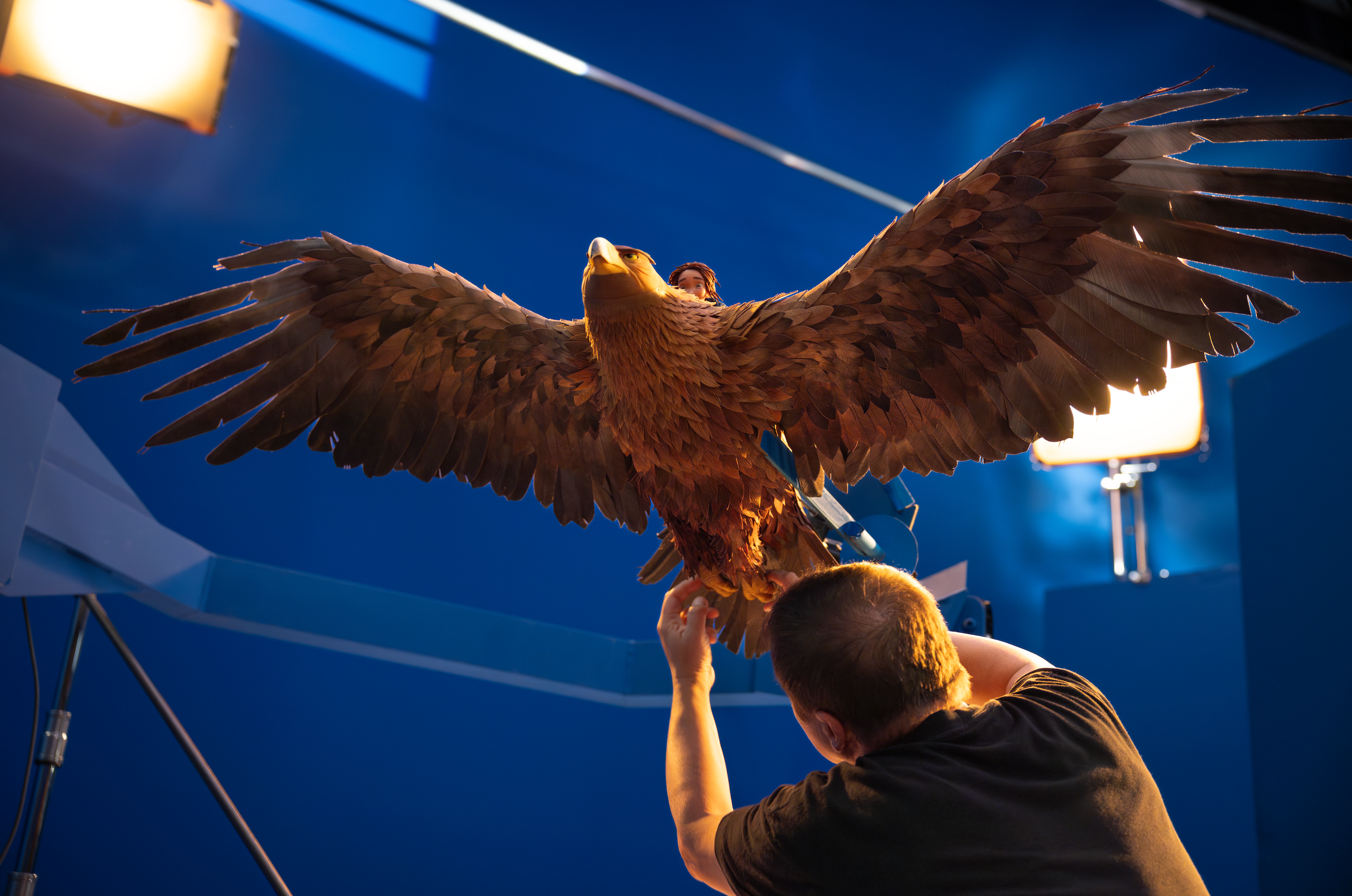
Following this data collection, the production phase transitioned into the studio’s massive fabrication bays. The team spent the next several years building out the “Wildwood” universe on raised platforms, a Herculean task of miniature architecture. By late 2025, the focus shifted to the assembly of the "General"—a massive, centerpiece eagle character voiced by Angela Bassett—and the casting of over 3,000 coyote soldiers. The final months of 2026 have been dedicated to the "holy grail" of production: the seamless integration of these physical assets with high-end VFX, ensuring that the transition between the tangible puppets and the digital enhancements is imperceptible to the audience.
Supporting Data: The Scale of Obsession
To understand the sheer magnitude of Wildwood, one must look at the raw statistics of the production. Laika’s process is defined by an uncompromising pursuit of scale and nuance, resulting in numbers that border on the surreal.

- 140,000 Faces: This is the headline figure. Laika has shattered its own record for 3D-printed facial expressions. For context, Missing Link utilized 106,000 faces. Each face plate is a marvel of engineering, equipped with internal magnets that allow for precise, expressive emotional performance.
- 3,000 Coyotes: The film’s climactic battle scene involves an army of bipedal coyotes. Achieving this scale required a hybrid approach, mixing practical puppets with digital doubles to emulate the density and chaotic energy of a full-scale war.
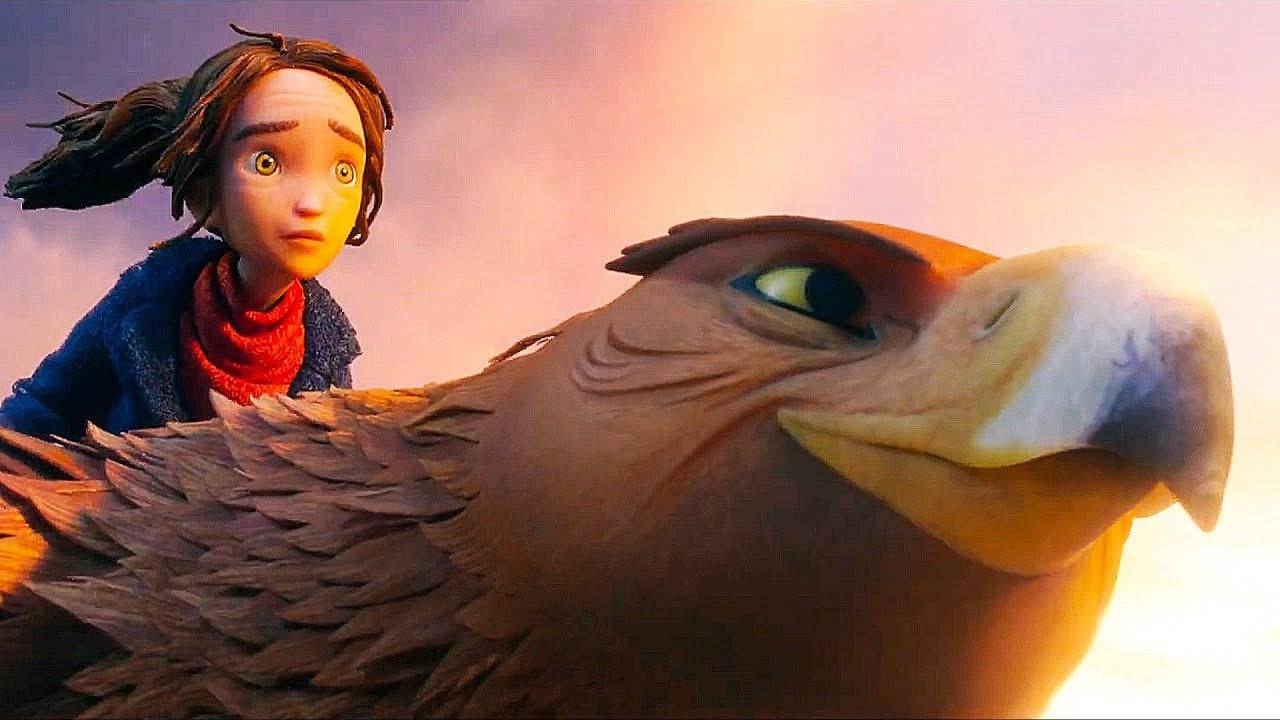
- 1 Giant Eagle (The General): This character alone required three distinct models—one for grounded performance, two for flight—featuring 3,000 laser-etched silk feathers, each individually wire-articulated.
- 136 Physical Locations: The sheer number of sets built for the film dwarfs any previous production in the studio’s history.
These figures are not merely for show; they represent a philosophy of "no compromises." As Brian McLean, Laika’s director of rapid prototyping, noted during a recent press preview, the studio has "not taken its foot off the gas" since the release of Coraline. They are not interested in scaling back; they are interested in expanding the vocabulary of the medium.
Official Perspectives: The Philosophy of "Real" Magic
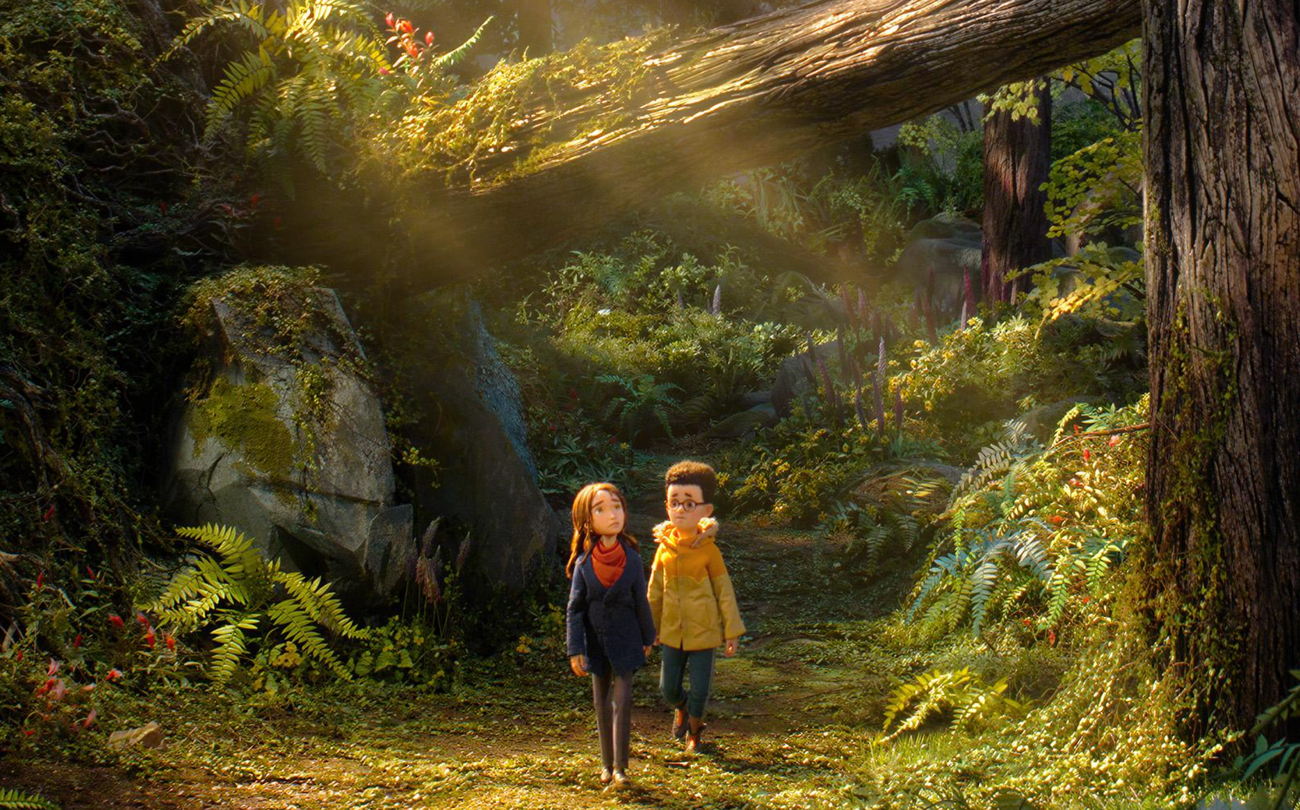
The core tension in Wildwood—and indeed, in all of Laika’s work—is the debate over where the physical ends and the digital begins. For Nelson Lowry, the goal was never to create a sterile, computer-generated fantasy land.
"I didn’t want to have floating mountains with waterfalls," Lowry explained. "The act of just walking through the woods is pretty magical… I’m so glad we did that. It keeps it on Earth in some way without being too much fantasy."
This sentiment is echoed by the animation team, who often engage in tasks that seem more akin to surgery than filmmaking. Animation supervisor Brad Schiff described the intense, almost visceral process of animating character eyes: "They are taking an extremely sharp X-ACTO blade and stabbing the eye and moving around the eyeball and the eyelid. They’re doing this to get eye lines. They’re doing this to get blinks. They’re doing this to get squints."
The decision to move away from reusing 3D-printed faces—a practice once used to streamline costs—is perhaps the most significant creative mandate issued by Travis Knight. Knight insisted that because every character undergoes a unique emotional journey, every facial expression must be bespoke. There are no "stock smiles" in the world of Wildwood. Every tear, smirk, and grimace is a singular event, printed, polished, and painted for that specific frame of the narrative.
Implications for the Future of Animation
The release of Wildwood signals a critical juncture for the animation industry. In an era increasingly dominated by AI-generated imagery and fully digital pipelines, Laika is making a high-stakes bet that audiences still crave the "soul" of the handmade.
The implications of this film are twofold:
- The Hybrid Standard: Wildwood sets a new benchmark for "seamless" integration. By using digital doubles and VFX to enhance, rather than replace, physical sets, Laika is demonstrating that the future of animation may lie in a hybrid model where the computer serves the puppet, not the other way around.
- The Sustainability of Craft: The sheer volume of 140,000 faces and 3,000 individual characters poses a question regarding the sustainability of this level of detail. Can this model be replicated? For Laika, the answer seems to be that they aren’t looking to replicate it—they are looking to evolve it. By pushing these boundaries, they are essentially creating a research-and-development lab that happens to produce blockbuster films.
Furthermore, the battle scenes—reminiscent of the epic scale seen in Peter Jackson’s Lord of the Rings—prove that stop-motion can handle high-fantasy spectacle just as capably as live-action, provided a studio has the resources and the patience to build the infrastructure required.
Conclusion: The Persistence of the Human Touch
As the October 23 release date approaches, the buzz surrounding Wildwood is less about the story—though the adaptation of Meloy’s work is highly anticipated—and more about the sheer feat of human persistence.
In a world that moves faster every day, Laika is deliberately slowing down. They are spending months dialing in the curvature of a plastic eyelid; they are hand-crafting thousands of coyote soldiers; they are mapping the trails of Forest Park to ensure the trees feel "real."
Whether the film achieves the financial success its massive budget requires remains to be seen. However, the cultural impact is already solidified. Wildwood stands as a testament to the idea that art is not just about the final image on the screen, but about the thousands of hours, the hundreds of thousands of faces, and the singular, obsessive vision required to bring a magical forest to life. Laika has invited us to take a walk through the woods, and based on the early previews, it is a journey that will leave the audience breathless, wondering how, in an age of automation, something so humanly intricate was ever possible at all.