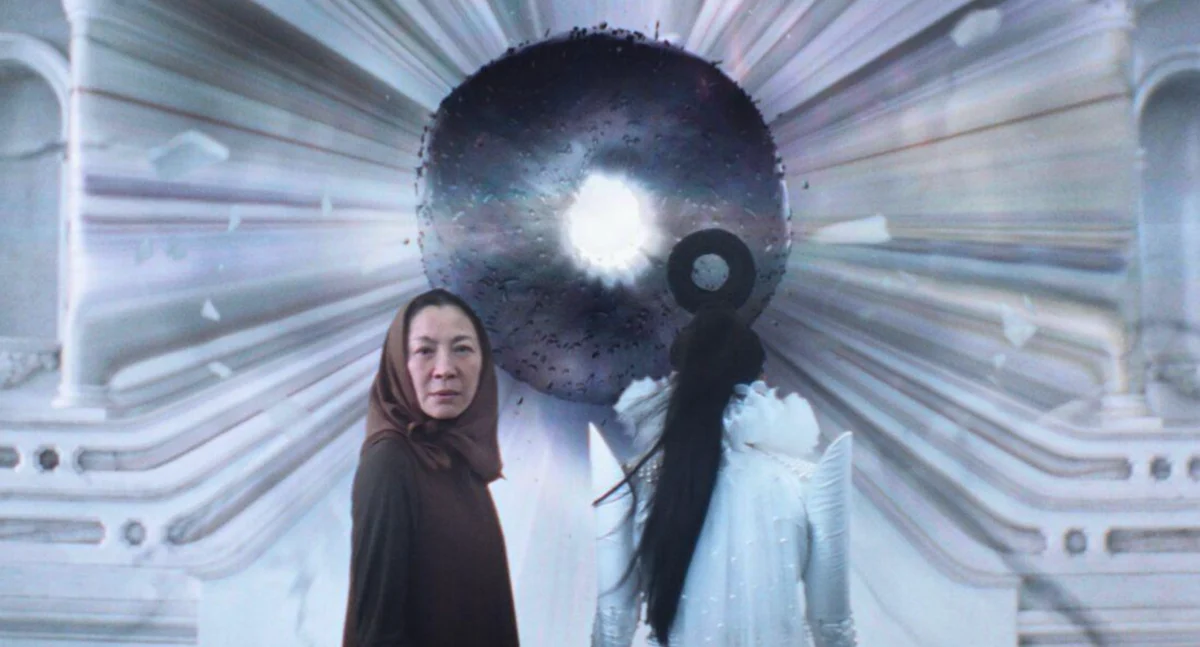
The concept of the multiverse—a narrative playground of infinite branching realities—was once the exclusive domain of comic book nerds and theoretical physicists. In recent years, however, it has been aggressively commodified by major studios, most notably Marvel, as a tool for franchise expansion. Yet, as audiences grow weary of CGI-heavy, cameo-laden spectacles, one film stands as a defiant monument to what the genre can achieve when it prioritizes human heart over intellectual property.
As Everything Everywhere All at Once prepares to transition from HBO Max to Tubi at the end of June 2026, it serves as a timely reminder of a cinematic truth: a $25 million indie project, driven by vision and sincerity, can eclipse a $200 million blockbuster that treats the multiverse as nothing more than a marketing gimmick.
The Evolution of the Multiverse: From Boundless Potential to Predictable Trope
For years, the multiverse was a storytelling frontier. It allowed writers to revisit beloved narratives, grant closure to legacy characters, and push the boundaries of visual language. It was meant to be the ultimate sandbox. However, as Hollywood began to rely on the concept to fix narrative inconsistencies and justify endless reboots, the "infinite possibilities" began to feel suffocatingly narrow.
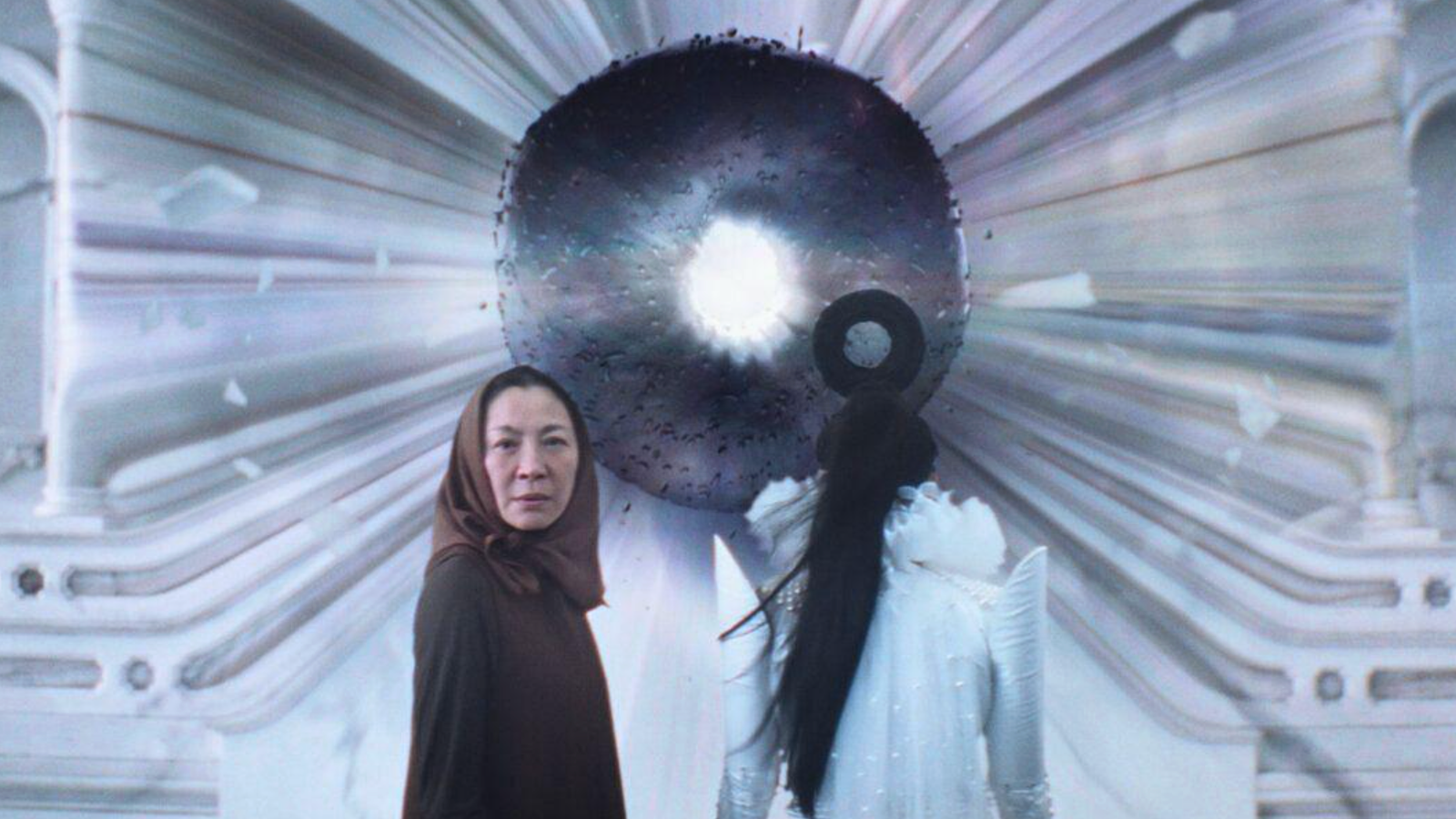
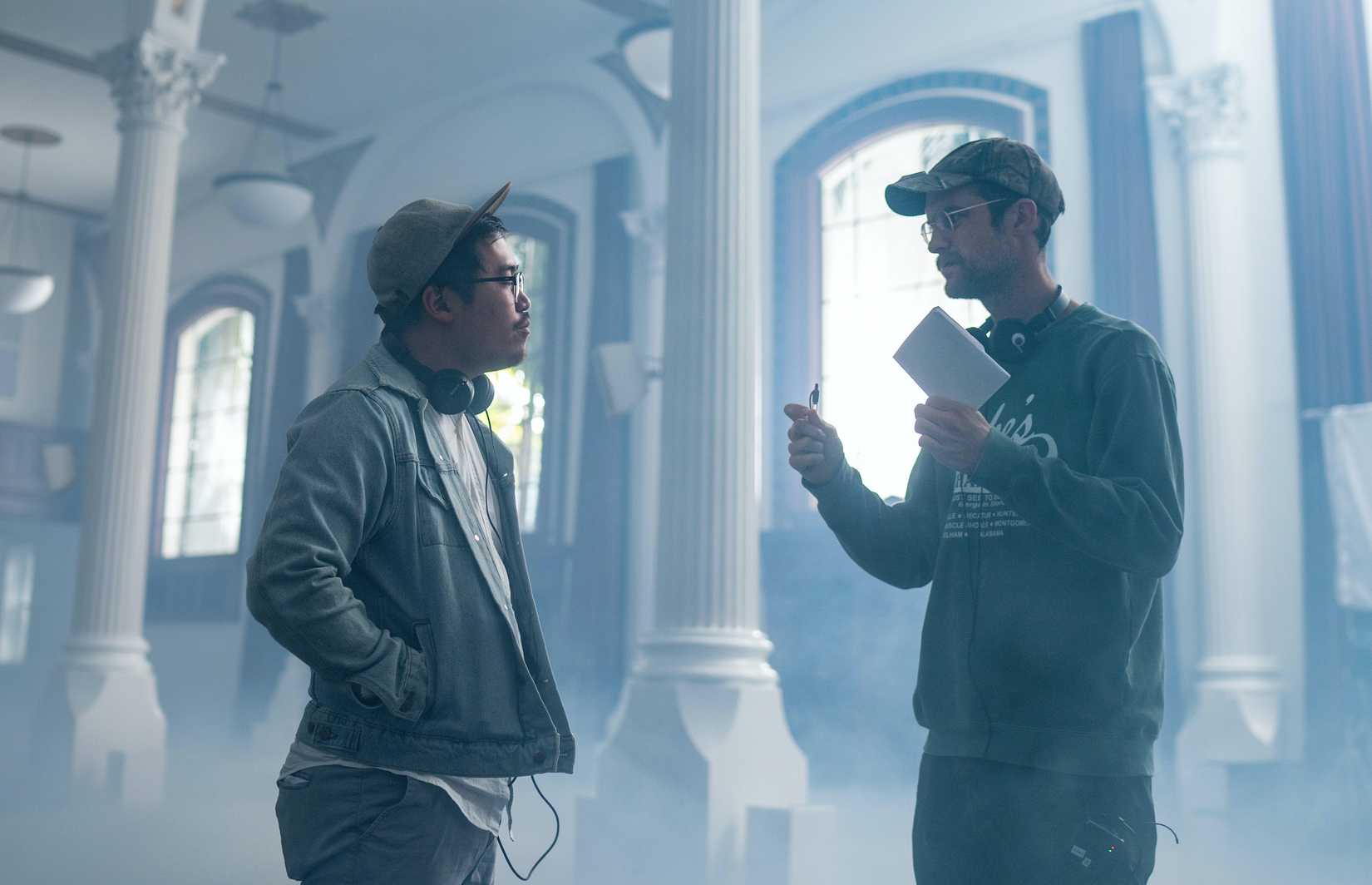
Marvel’s current strategy, currently building toward the massive, high-stakes collision of Avengers: Doomsday and Avengers: Secret Wars, is predicated on the idea that bigger is better. By contrast, Everything Everywhere All at Once, directed by Daniel Kwan and Daniel Scheinert—collectively known as "The Daniels"—proves that when the multiverse is the focus, the story inevitably collapses under its own weight.
Chronology of a Cult Phenomenon
The journey of Everything Everywhere All at Once is a testament to the power of grassroots momentum and critical acclaim.
- 2010–2020: The Daniels, friends since their time at Emerson College, spent a decade cutting their teeth on music videos and low-budget experimental projects. This period was essential for honing the "DIY" ethos that would eventually define their magnum opus.
- March 2022: The film premieres at SXSW, receiving immediate critical acclaim for its chaotic energy and emotional depth.
- April 2022: A wide theatrical release sees the film become an unexpected box-office powerhouse for A24, grossing over $140 million globally on a production budget of approximately $25 million.
- March 2023: The film dominates the 95th Academy Awards, winning seven Oscars, including Best Picture, Best Director, and Best Actress for Michelle Yeoh.
- June 2026: As the film moves to new streaming platforms, its legacy as the definitive multiverse movie remains unassailable, standing in stark contrast to the shifting landscape of superhero cinema.
Supporting Data: The Budget vs. Impact Disparity
To understand why Everything Everywhere All at Once succeeds where blockbusters fail, one must look at the economics of its production. Industry standards for "multiverse" epics often hover in the $200 million range, a budget necessitated by massive, reliance-heavy CGI workflows and star-studded cast salaries.

The Daniels’ film, however, was produced for under $25 million. This was not a result of a lack of ambition, but a result of creative necessity. Rather than generating digital voids, the production team, led by production designer Jason Kisvarday, leaned into the tactile. They converted a disused office building into a "Swiss Army knife" set. The laundromat—the emotional anchor of the film—was a real-world location in Los Angeles that the crew meticulously "scuzzed up" to create a sense of lived-in history.
As cinematographer Larkin Seiple noted in interviews, the goal was never to build a perfect world, but to build a "messy but fun" one. This contrast is the crucial differentiator: where Marvel’s universes are designed to look like polished, sterile arenas meant to host future crossover advertisements, the Daniels’ multiverse feels like it has a pulse.
Official Perspectives: The Philosophy of "The Daniels"
The success of the film is rooted in the directors’ fundamental distaste for the multiverse as a narrative crutch. Daniel Kwan famously stated, "I don’t care about multiverse movies. Once the multiverse is introduced, nothing matters—there is no choice, and a character is nothing without his choices."
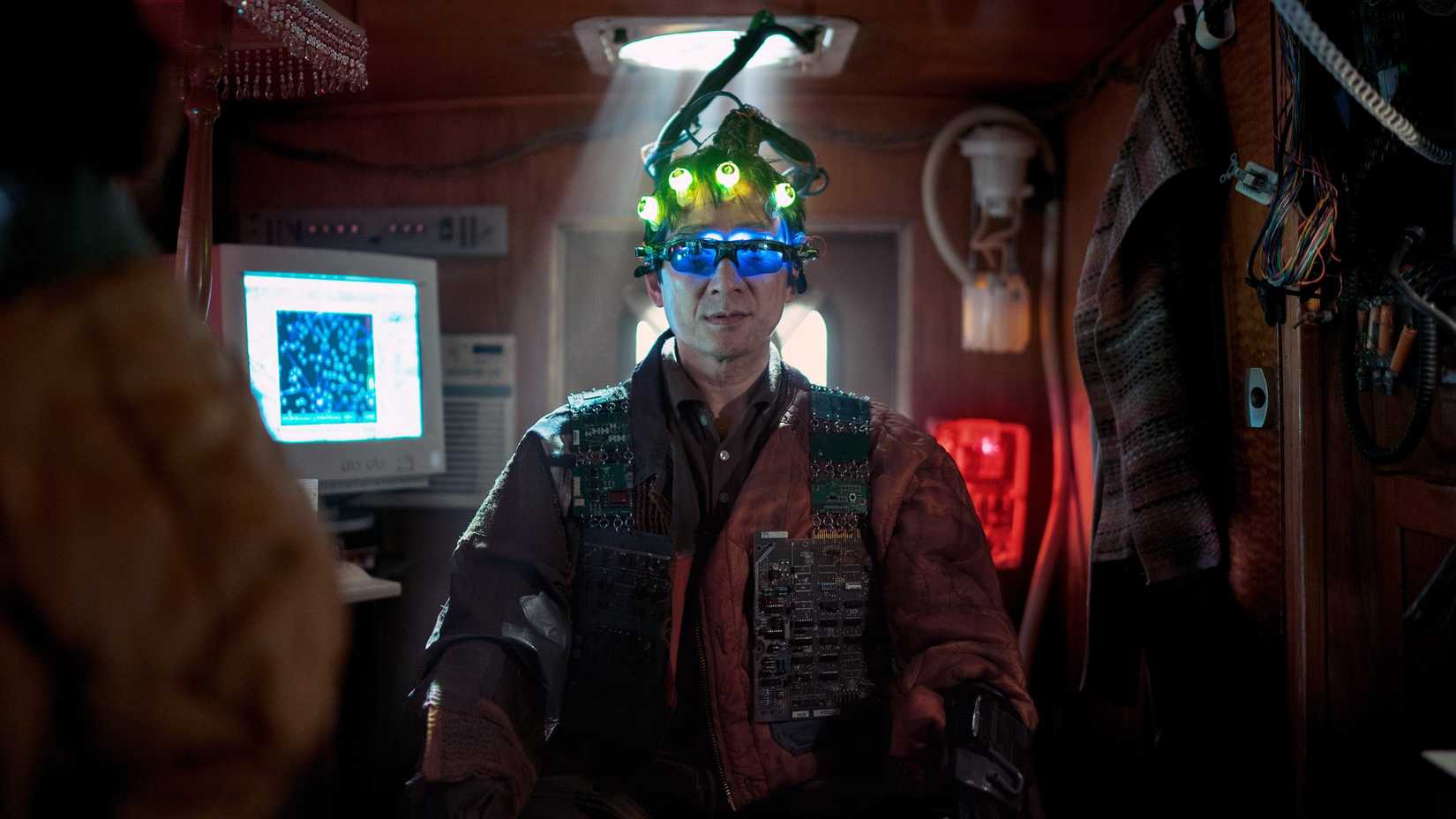
This philosophy is baked into the DNA of the movie. Evelyn Wang (Michelle Yeoh) is not a superhero traversing dimensions to save the galaxy; she is a struggling immigrant business owner trying to fix her family. The multiverse is merely a metaphor for her regret, her nihilism, and her eventual realization that empathy is the only anchor in a chaotic existence.
Every bizarre element—from hot dog fingers to sentient rocks—serves a specific emotional purpose. The absurdity is not a distraction from the story; it is the language of the story. In contrast, Marvel’s approach often treats the multiverse as an "IP sandbox," where characters exist to facilitate cameos or tease the next decade of content. When the focus shifts to brand synergy, the emotional stakes for the individual character are almost always sacrificed.
Implications for the Future of Sci-Fi
The implications of this contrast are significant for the film industry. We are currently witnessing a period of "superhero fatigue" where the audience is increasingly capable of distinguishing between high-stakes emotional storytelling and high-budget noise.
- The Return to Tactility: Future sci-fi projects may look to the success of the Daniels’ practical effects and location-based shooting as a way to reduce budgets while increasing audience immersion.
- Character-Driven Stakes: The "Everything Bagel"—the film’s nihilistic black hole—succeeds because it represents a personal failure rather than a cosmic threat. Studios may need to pivot away from "save the world" plots toward "save the soul" plots to maintain audience engagement.
- The "Multiverse" Burnout: As the Marvel Cinematic Universe approaches its "Secret Wars" climax, the industry will have to grapple with the fact that audiences have seen every variation of the multiverse. The only way forward is to ensure that these worlds are not just infinite, but meaningful.
Conclusion: Why It Still Matters
Everything Everywhere All at Once remains a masterclass because it understands that infinite possibilities do not make our lives meaningless—they make our specific choices more profound. While Marvel continues to scale the multiverse outward, trying to encompass as many franchises as possible, the Daniels scaled it inward.
Years after its release, the film remains more relevant than ever. It stands as a beacon for filmmakers who want to use the high-concept tools of science fiction to tell intimate, messy, human stories. As audiences continue to debate the future of the blockbuster, they need only look back at this $25 million miracle to see that, even in a world of infinite realities, the most important story is the one happening right in front of us.