The landscape of modern genre fiction is undergoing a seismic shift, driven by a phenomenon that blends the visceral satisfaction of digital gaming with the narrative depth of traditional literature. Known as LitRPG—short for "Literary Role-Playing Game"—this burgeoning genre has evolved from a niche corner of the internet into a literary powerhouse, with bestsellers, major television adaptations, and a rapidly expanding global fanbase.
The Evolution of a Digital-Native Genre
The term "LitRPG" first coalesced in 2013, coined by a Russian publishing house to categorize a wave of fiction inspired by Massively Multiplayer Online Role-Playing Games (MMORPGs). At its core, the genre is defined by the integration of game mechanics—experience points, character classes, leveling systems, and quest logs—into the narrative framework. While early iterations were primarily confined to self-published platforms, the genre has recently hit the mainstream.
Success stories like Sword Art Online and Solo Leveling laid the groundwork for this transition, demonstrating how the "gamification" of storytelling could captivate audiences globally. However, it is the English-language success of Matt Dinniman’s Dungeon Crawler Carl that has truly solidified the genre’s status as a legitimate crossover hit. With eight books currently published by Ace Books and two more in active development, the series, which follows a Coast Guard veteran and his sentient cat navigating an alien-run dungeon, is now being adapted into a television series by Seth MacFarlane for Peacock, alongside an upcoming tabletop role-playing game.
A Chronology of the LitRPG Boom
The trajectory of LitRPG is one of rapid, community-driven expansion:
- 2013: The term "LitRPG" is formally coined in Russia, providing a name for a burgeoning subculture of web-novel authors.
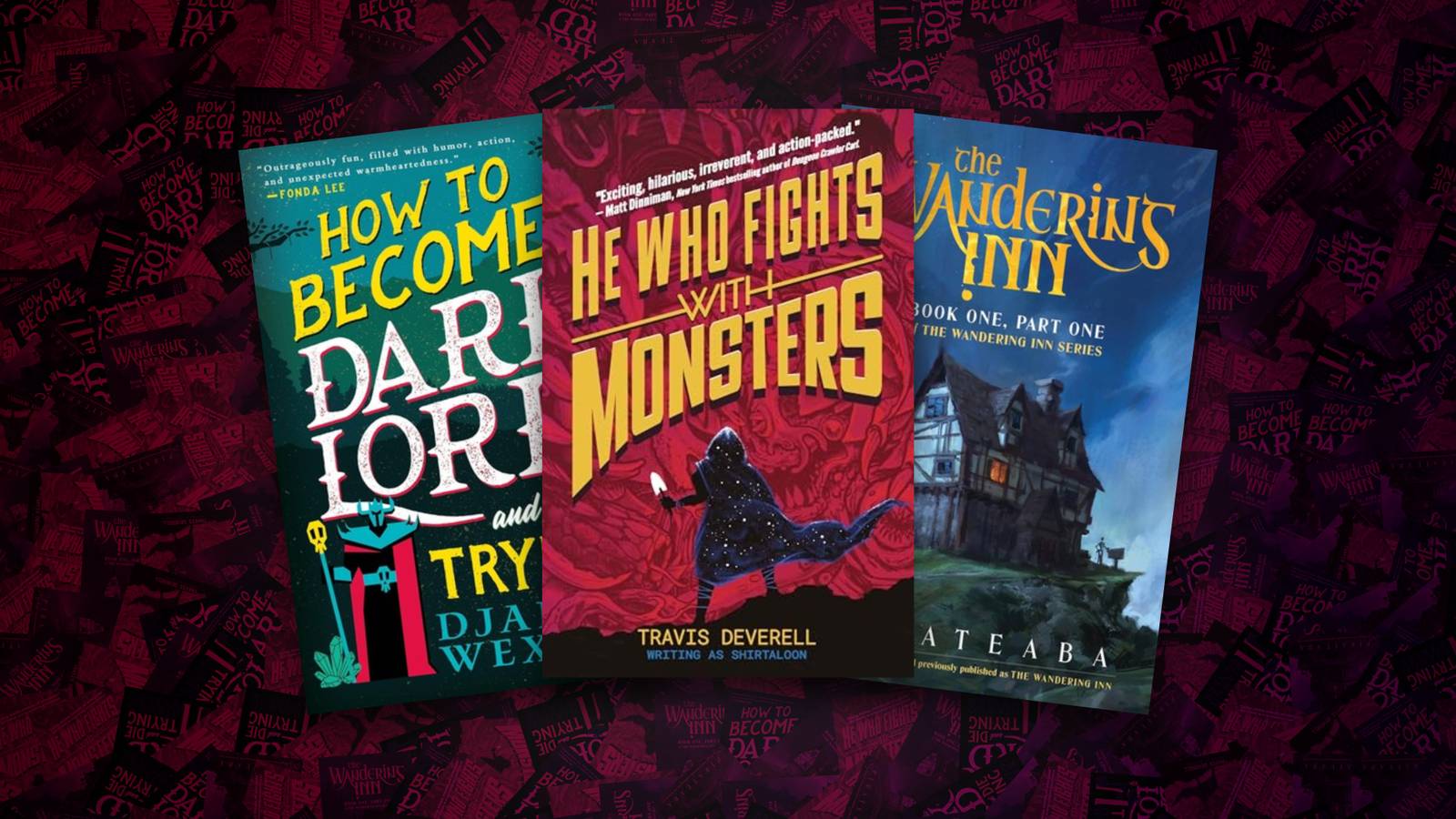
- 2016: Pirateaba begins the serialization of The Wandering Inn, which would eventually grow into an epic spanning over 15 million words.
- 2020–2022: Self-publishing platforms like Royal Road and Kindle Unlimited see an explosion in LitRPG content, with authors like J.F. Brink (Defiance of the Fall) and Tao Wong (The System Apocalypse) building massive, dedicated followings.
- 2025–2026: The "Big Five" and major imprints begin formalizing their relationship with the genre. He Who Fights with Monsters achieves New York Times bestseller status, and major streaming services like Peacock greenlight adaptations, signaling the genre’s arrival in the mainstream entertainment industry.
Supporting Data: Why LitRPG Resonates
The appeal of LitRPG lies in the psychological satisfaction of "progression fantasy." Unlike traditional hero’s journeys where growth is often abstract or internal, LitRPG offers tangible markers of improvement.
Industry analysis suggests that the genre thrives on "high-engagement" readers. According to data from independent publishing trackers, LitRPG series often maintain significantly higher reader retention rates than standard fantasy novels. This is largely attributed to the "loop" of the genre: the protagonist faces a threat, identifies a weakness, gains a level or skill, and overcomes the threat. This cycle mirrors the feedback loops found in the video games that serve as the genre’s inspiration, providing a dopamine-heavy reading experience that encourages marathon reading sessions.

Official Perspectives and Industry Implications
Publishers are currently pivoting to capture this audience. The formal acquisition of series like The Wandering Inn by Harper Voyager suggests that traditional houses no longer view LitRPG as a "fad," but as a sustainable market segment.
Critics, however, have noted that the genre faces unique challenges. The rapid-fire publishing pace required to keep fans engaged often puts extreme pressure on authors. Furthermore, there is an ongoing debate regarding the "gamification" of the writing—some purists argue that constant stat-blocks and system notifications interrupt the prose, while enthusiasts argue that these elements are the defining joy of the medium.
Essential Reading for the Modern Adventurer
For those who have finished Dungeon Crawler Carl or are curious to explore the genre’s breadth, the following five series represent the pinnacle of current LitRPG storytelling:
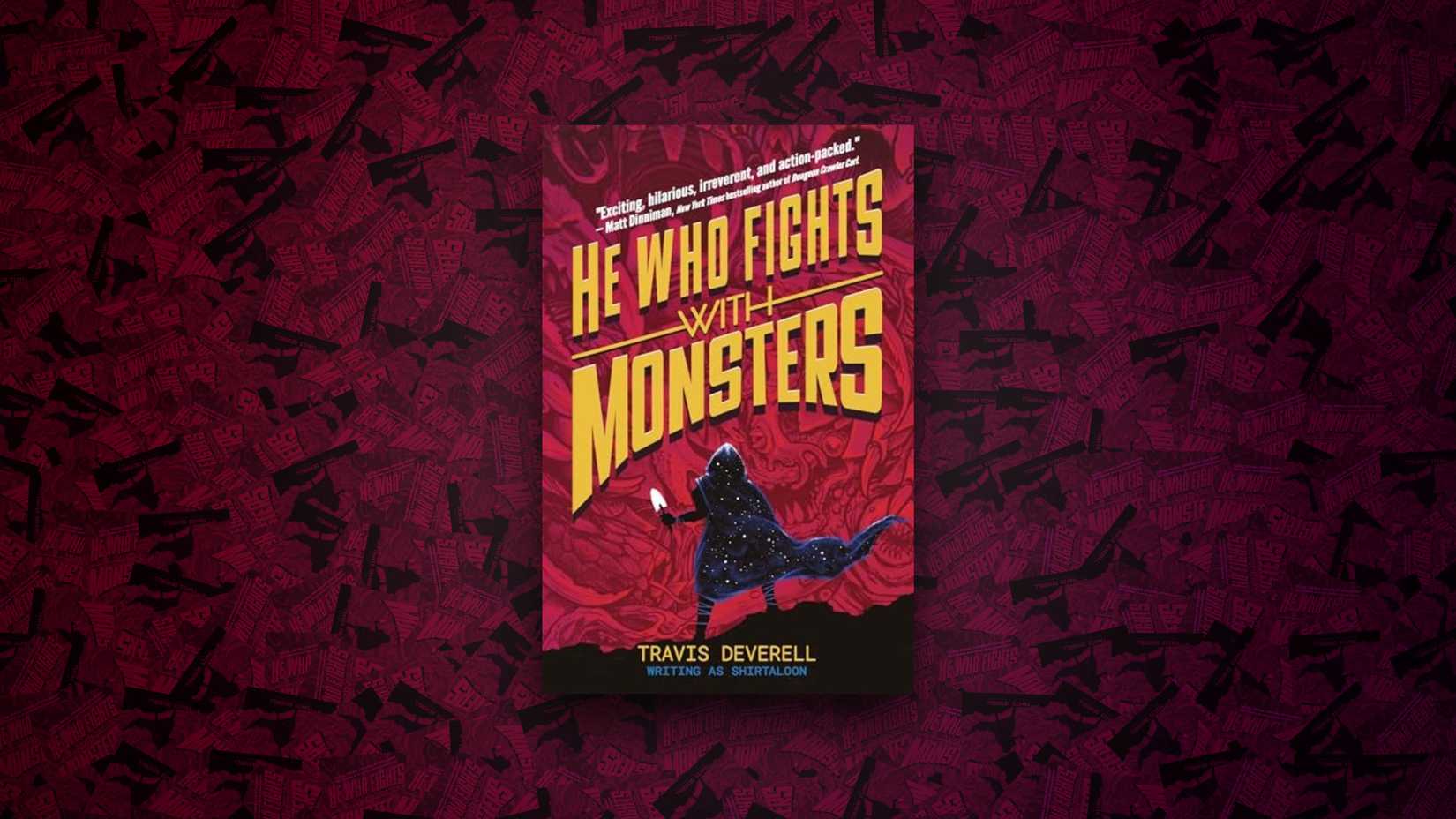
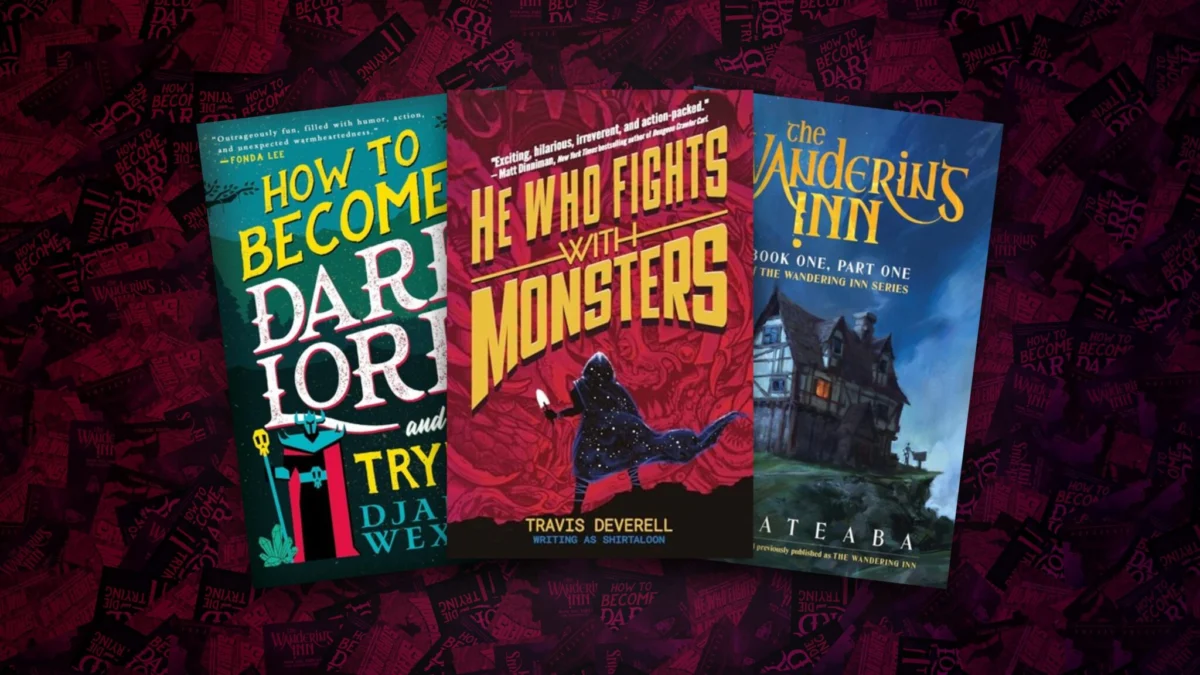
1. He Who Fights with Monsters by Travis Deverell
Initially self-published under the pseudonym "Shirtaloon," this series has become the gold standard for character-driven LitRPG. The story centers on Jason, a sarcastic, slightly cynical office manager who is transported to a world where his newly acquired magical abilities are viewed as fundamentally "evil." Watching Jason navigate a world of monsters and cultists while struggling to retain his moral compass provides a masterclass in fantasy character development. With 13 books currently available, the series is moving at a breakneck pace, with Hero (Book 3 of the new cycle) arriving this October.
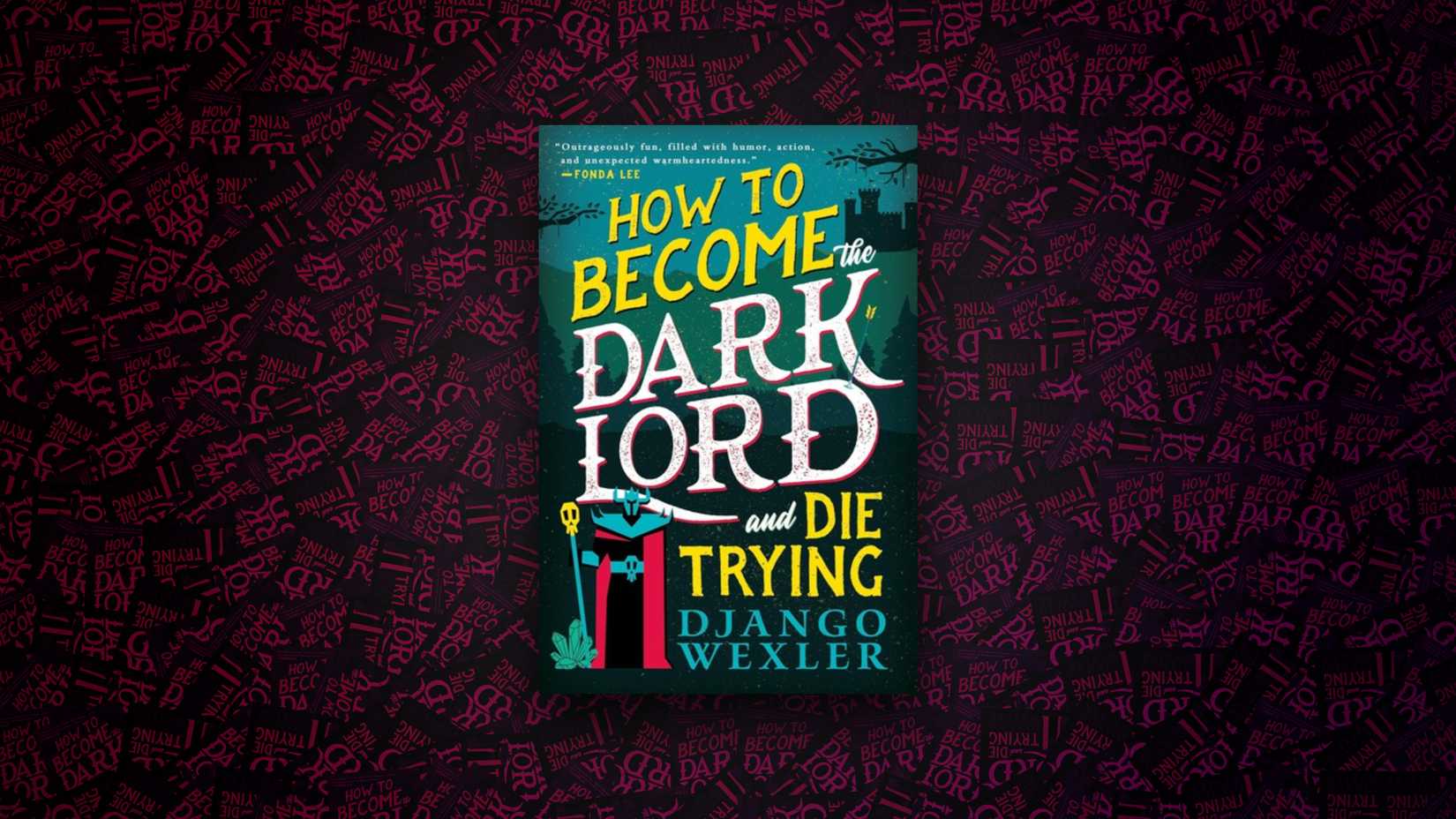
2. How to Become the Dark Lord and Die Trying by Django Wexler
Wexler offers a refreshing subversion of the "Chosen One" trope. The protagonist, Davi, is tired of failing to save the world, so she decides to pivot—she will become the villain instead. This series is notable for its humor and its lighter approach to the "crunchy" math of LitRPG. It is an ideal entry point for readers who find complex leveling systems intimidating but enjoy the meta-commentary and high stakes of the genre.
3. The Wandering Inn by Pirateaba
For those who prefer a "slice-of-life" approach, The Wandering Inn is essential. While it features a leveling system, it is far more interested in the economy of a fantasy world and the challenges of running a tavern in a hostile land. It has been described as the "cozy fantasy" version of LitRPG, focusing on community, diplomacy, and the simple act of providing a safe space in a dangerous world.
4. Defiance of the Fall by J.F. Brink
This series blends the Western LitRPG structure with the Eastern "xianxia" tradition. It follows Zac, a survivor of a planetary integration event, as he fights to protect his home from a hostile multiverse. The series is celebrated for its intense action and its deep, philosophical approach to power acquisition. It is a darker, more epic-scale series that appeals to readers looking for high-octane combat.
5. Life in the North by Tao Wong
If the prospect of an ongoing series is daunting, The System Apocalypse is the perfect solution. It is a complete 12-book series that chronicles the transformation of Earth after an alien system forces humanity to adapt to new rules. It is a grounded, survival-focused tale that explores how society might actually crumble—and reform—when traditional technology is replaced by magic and levels.
The Future of the Genre
As LitRPG continues to bleed into the mainstream, we can expect to see more "hybrid" works—stories that retain the structure of a game but elevate the prose to compete with literary fiction. The transition of these stories from internet forums to high-budget television sets suggests that the next generation of fantasy fans may view "levels" and "classes" as standard literary devices, just as common as dragons or magic swords were to previous generations. Whether you are a hardcore gamer or simply a lover of escapist fiction, the world of LitRPG is one that rewards the curious and the persistent. Choose your class, check your inventory, and prepare for the next chapter.