By Editorial Staff
Issued: August 16, 2026
The week ending August 16, 2026, has been one of stark contrasts, oscillating between the awe-inspiring majesty of the cosmos and the harrowing realities of geopolitical instability and natural disaster. As the world turned its gaze upward to witness a total solar eclipse, search-and-rescue teams on the ground in Colombia battled the clock to save lives following a catastrophic earthquake. Meanwhile, the occupied West Bank faced a surge in violence, and the international community struggled to reconcile regional conflicts with the pressing need for humanitarian intervention.

This report provides a comprehensive overview of the week’s most striking images and events, analyzing the socio-political implications of these occurrences on the global stage.
1. Main Facts: A World in Flux
The events of this week have underscored the fragility of human infrastructure and the persistent nature of geopolitical strife.

- The Colombian Earthquake: A massive seismic event struck the region of Cali, Colombia, on August 10. The human toll has been devastating, with confirmed casualties exceeding 300 and hundreds still listed as missing.
- The West Bank Crisis: Violence in the occupied West Bank has reached a fever pitch. Escalating attacks by Israeli settlers against Palestinian communities have drawn sharp rebukes from international diplomats, including the US ambassador to Israel, who characterized the acts as “terrorism.”
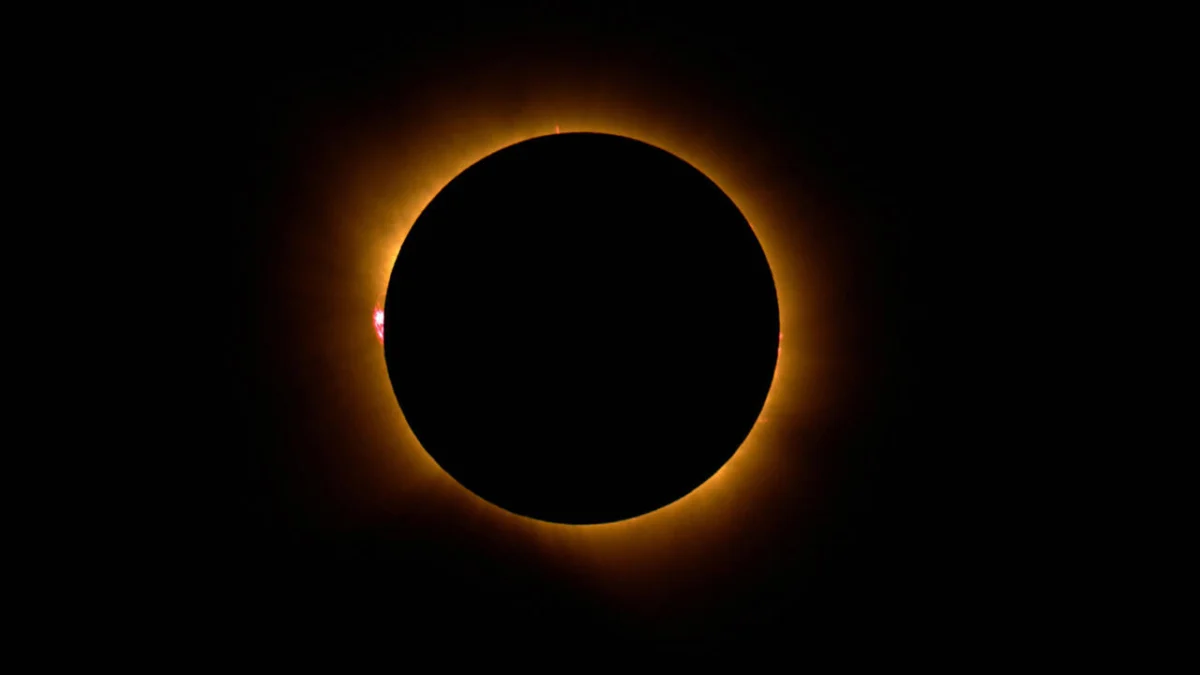
- The Celestial Spectacle: On August 12, a total solar eclipse traversed parts of Europe. Millions witnessed the moon obscure the sun, providing a rare moment of collective wonder amidst a week otherwise defined by struggle.
- Environmental and Political Context: From the "Bug Fire" in California to monsoon-related destruction in the Philippines, environmental challenges remain a constant, while unconventional political theater—such as the appearance of "Count Binface" at the Clacton by-election—offered a brief respite from the gravity of global headlines.
2. Chronology of Events
August 8–10: The Calm Before the Storm
The week began with images of natural beauty and human resilience. In Estonia, nature photography captured the delicate balance of an ecosystem in bloom, while in France, swimmer Leon Marchand showcased athletic excellence at the European Aquatics Championships in Saint-Denis. However, the atmosphere shifted abruptly on August 10 as the earth shook in Colombia, triggering an immediate humanitarian crisis. Simultaneously, the low water levels of the Rhine in Germany exposed the toll of climate-driven drought, leaving the historic Zollburg Pfalzgrafenstein castle isolated in a receding riverbed.
August 11–13: The Peak of Crisis and Awe
August 11 saw the Philippines reeling from intense monsoon rains, with workers attempting to clear massive debris channels. By August 12, the world’s attention was divided between the horrific aftermath of the Colombian quake and the rare total solar eclipse in Spain. The same day, tensions in the West Bank escalated further as Israeli bulldozers demolished shops in Jenin, fueling a cycle of displacement and anger. On August 13, the "Bug Fire" in Lassen County, California, illuminated the night sky, highlighting the ongoing threat of wildfires in the American West.

August 14–16: Reflection and Aftermath
The conclusion of the week was marked by political curiosity in England, where the Clacton by-election count provided a backdrop for the eccentric "Count Binface," and ongoing wildlife conservation efforts in Kenya, where veterinary teams fought to save a distressed elephant. These events served as a reminder that even in a week of tragedy, life—and the political and biological processes that govern it—continues unabated.
3. Supporting Data and Humanitarian Impact
The data emerging from the disaster zones is sobering. In Colombia, the earthquake’s epicenter in a densely populated region has complicated logistics for rescue teams. With 300 confirmed deaths, the figure is expected to rise as search efforts shift from rescue to recovery.

In the Philippines, the monsoon season has been particularly brutal this year. The images of workers in Metro Manila using improvised rafts to clear garbage highlight the intersection of urban mismanagement and climate change. The sheer volume of waste brought by the rains illustrates the struggle of developing nations to maintain infrastructure against increasingly frequent extreme weather events.
Regarding the West Bank, the demolition of nearly two dozen shops in Jenin is not merely an isolated incident of property damage; it is a systematic erosion of the local economy. The economic displacement of these business owners is a catalyst for the social unrest that has plagued the region throughout the week.

4. Official Responses and Diplomatic Friction
The violence in the West Bank has prompted an uncharacteristically sharp response from the international community. The US Ambassador’s condemnation of settler violence as "acts of terror" represents a significant shift in diplomatic rhetoric. Traditionally, such strong language from Washington toward Israeli internal policy is rare. This statement signals that the Biden administration, and its international partners, are reaching a limit regarding the lack of oversight on settler activities in the occupied territories.
Conversely, the global response to the Colombian earthquake has been one of rapid solidarity. Aid organizations and neighboring South American nations have mobilized to provide medical supplies, heavy machinery for rubble removal, and specialized rescue personnel. The contrast between the rapid humanitarian mobilization in Colombia and the gridlocked political discourse surrounding the Middle East highlights the divide between "natural" disaster response and the complexities of "man-made" political crises.

5. Implications: What Does This Mean for the Future?
The Climate-Geopolitical Nexus
The events of the past week demonstrate that climate change is no longer a "future" threat—it is an immediate driver of instability. Whether it is the drought-stricken Rhine in Germany, the wildfires in California, or the monsoon-choked channels in the Philippines, the environment is forcing populations to adapt at a pace that exceeds their economic and political capacity.
The Erosion of Stability
The situation in the West Bank poses a severe risk to regional stability. If the "acts of terror" identified by the US continue without legal recourse or restraint, the potential for a larger, more volatile conflict increases exponentially. The international community is currently walking a tightrope, attempting to support security interests while simultaneously calling for an end to actions that undermine the rule of law.

The Power of the Shared Experience
Finally, the solar eclipse served as a necessary reminder of the global scale of human existence. While wars and earthquakes divide us, events like the eclipse provide a shared point of reference. However, as the world moves into the latter half of August, the challenge will be to translate the global empathy felt for victims of disasters into a sustained commitment to resolving the systemic political issues that continue to plague the most vulnerable regions of our planet.
Conclusion
The week of August 16, 2026, will be remembered as a time of profound transition. The images of a darkened sun in Europe, a dust-filled sky in California, and the rubble-strewn streets of Colombia and Jenin form a mosaic of a world under pressure. As we move forward, the imperative remains clear: to bolster international humanitarian cooperation in the face of natural disasters while demanding greater accountability in the face of human-made conflict.

The juxtaposition of a celestial event—governed by the immutable laws of physics—against the chaotic, often irrational nature of human conflict, provides a stark perspective. We are a species capable of predicting the movement of planets to the second, yet we remain deeply fractured in our ability to manage the peace and security of our own civilization.