Main Facts of the Dispute
A deep ideological rift over the governance, curriculum, and safety of Texas public schools has widened following the release of a highly critical report by a prominent conservative think tank. The Texas Public Policy Foundation (TPPF) has formally warned state leaders and the public against the activities of Community Voices for Public Education (CVPE), a Houston-based education advocacy group. TPPF accuses the organization of using socialist-aligned tactics to undermine recent academic reforms and push a radical agenda within the Houston Independent School District (HISD), the largest school district in Texas.
In its report, TPPF researchers argue that while CVPE presents itself as a grassroots, non-partisan coalition of local parents, teachers, and community members, it functions as a front for teachers’ unions and far-left organizations. According to the think tank, CVPE’s primary objective is to preserve an educational status quo that has historically failed students, particularly those from low-income and minority backgrounds.
"There are several policies that they’re advocating for which are questionable at best, but very harmful," said Kate Bierly, campaign director for TPPF’s Next Generation Texas Campaign, in an interview detailing the report’s findings.
The controversy centers on CVPE’s outspoken opposition to the state-mandated takeover of HISD, its active campaign urging parents to boycott the State of Texas Assessments of Academic Readiness (STAAR) exams, and its calls to drastically limit the role of law enforcement on school campuses.
Conversely, CVPE defends its platform as a necessary, compassionate, and community-driven response to what it characterizes as an undemocratic state takeover. The group argues that high-stakes standardized testing damages educational quality and that resources should be redirected from campus policing toward restorative justice and mental health services.
Chronology of the HISD Crisis and Takeover
To understand the current friction between TPPF and CVPE, it is necessary to examine the multi-year timeline of academic, legal, and administrative battles that led to the state intervention in Houston’s public education system.
+-----------------------------------------------------------------------------+
|                                  TIMELINE                                   |
+-----------------------------------------------------------------------------+
|                                                                             |
|  2019-2022: Chronic Underperformance & Legal Battles                        |
|  Select HISD campuses, notably Wheatley High School, receive multiple       |
|  consecutive failing grades. The Texas Education Agency (TEA) attempts to   |
|  intervene, but is delayed by a series of lawsuits filed by the school      |
|  board.                                                                     |
|                                                                             |
|  March 2023: State Takeover Announced                                       |
|  Following a Texas Supreme Court ruling clearing the way for intervention,  |
|  TEA Commissioner Mike Morath officially announces the state takeover of    |
|  HISD.                                                                      |
|                                                                             |
|  June 2023: Appointment of Mike Miles & Reforms Begin                       |
|  The state replaces the elected school board with an appointed Board of     |
|  Managers and installs Mike Miles, former Dallas ISD superintendent, as     |
|  the new superintendent. Miles initiates the "New Education System" (NES).  |
|                                                                             |
|  Late 2023 - Mid 2024: Rise of Grassroots Resistance                        |
|  CVPE and allied groups mobilize parents and teachers to protest NES        |
|  reforms, citing concerns over rigid curricula, librarian layoffs, and      |
|  increased classroom surveillance.                                          |
|                                                                             |
|  Late 2024: Academic Gains Reported & TPPF Escalation                       |
|  State metrics reveal significant academic improvements across HISD.        |
|  In response to continued protests despite these gains, TPPF releases its   |
|  report accusing CVPE of using "socialist-aligned" tactics to derail        |
|  progress.                                                                  |
|                                                                             |
+-----------------------------------------------------------------------------+
Supporting Data and Academic Performance Metrics
The debate over the success of the HISD takeover is heavily contested through conflicting interpretations of academic data and administrative metrics. Proponents of the state intervention point to rapid, quantifiable improvements in school ratings and standardized test scores as evidence that the reforms are working.
According to data compiled by the Texas Education Agency and highlighted by TPPF:
- Campus Rating Improvements: The number of A- and B-rated campuses within HISD surged from 93 to 197 over a two-year period following the state takeover.
- Reduction in Failing Schools: Campuses receiving an "F" rating plummeted from 56 to just 5.
- District-Wide Grade: The overall academic rating for the Houston Independent School District rose from a "C" to a "B."
- Standardized Assessment Scores: Reading and math scores on the STAAR exam for grades 3 through 8 demonstrated steady, upward trajectories over the past three school years.
HISD Campus Ratings: Pre-Takeover vs. Post-Takeover
===================================================

A- and B-Rated Campuses:
   Pre-Takeover:  [█████████░░░░░░░░░░░░░░] 93
   Post-Takeover: [████████████████████░░░] 197

F-Rated Campuses:
   Pre-Takeover:  [██████░░░░░░░░░░░░░░░░░] 56
   Post-Takeover: [█░░░░░░░░░░░░░░░░░░░░░░] 5
"The results were amazing," Bierly remarked, defending the state’s intervention metrics. "But from this, several critics emerged… suggesting destructive replacement policies. One of the main groups behind these proposals is CVPE."
CVPE and other critics of the administration, however, argue that these numbers are misleading. They contend that the academic gains are the result of data manipulation and a high-stress "teaching-to-the-test" environment. Specifically, CVPE co-founder Ruth Kravetz has alleged that the district artificially inflated passing rates by restricting access to advanced coursework.
According to Kravetz, the district did not allow certain qualified middle school students to enroll in Algebra I, thereby keeping students who might have struggled off the testing rosters and skewing the overall STAAR results. "This skewed the STAAR results and played a shell game with scores," Kravetz asserted. "Most importantly, they denied opportunities to countless kids just to make the numbers look better."
Official Responses and Perspectives
The Texas Public Policy Foundation (TPPF) Position
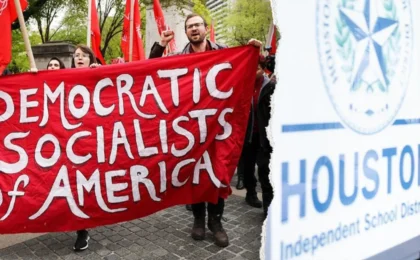
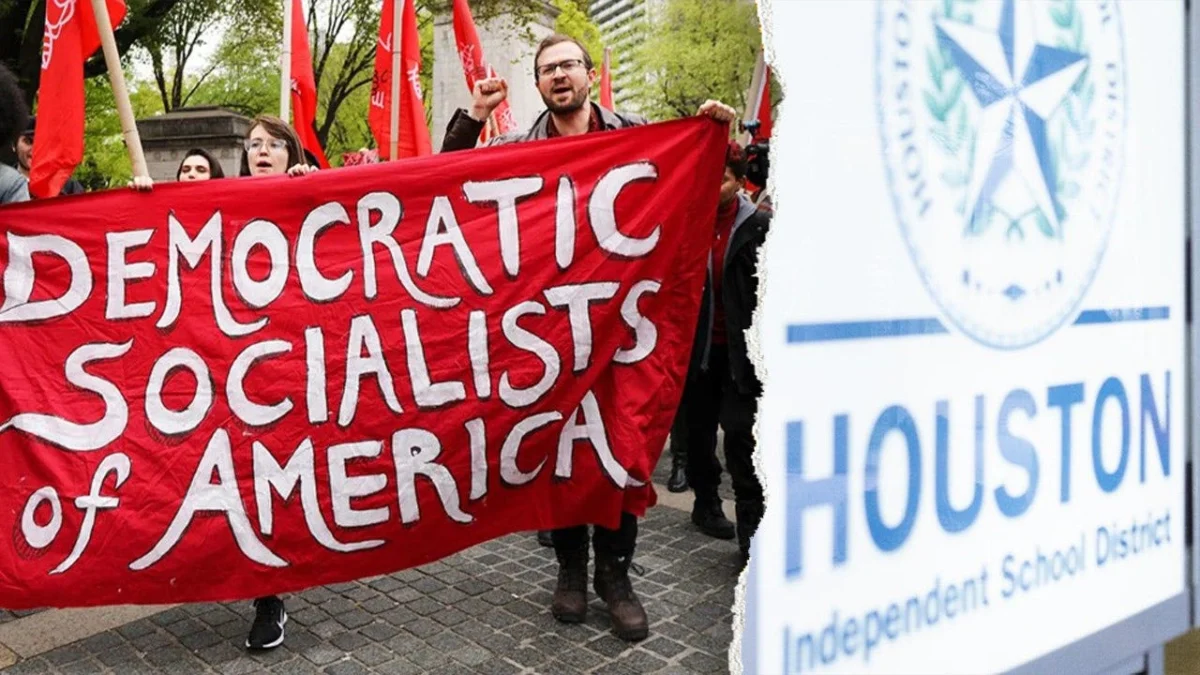
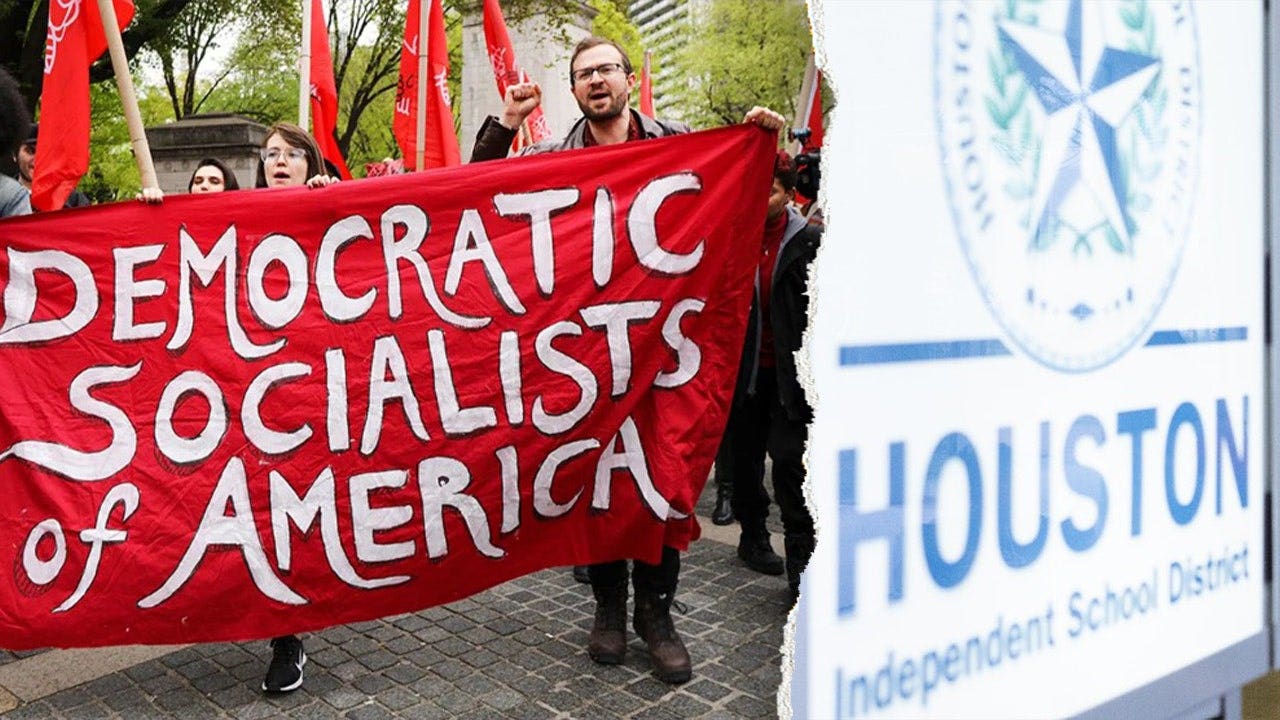
The TPPF report paints CVPE not as a benign local advocacy group, but as a highly organized political entity utilizing tactics akin to those of the Democratic Socialists of America (DSA). The think tank argues that CVPE’s advocacy extends beyond standard policy disagreements into systemic disruption.
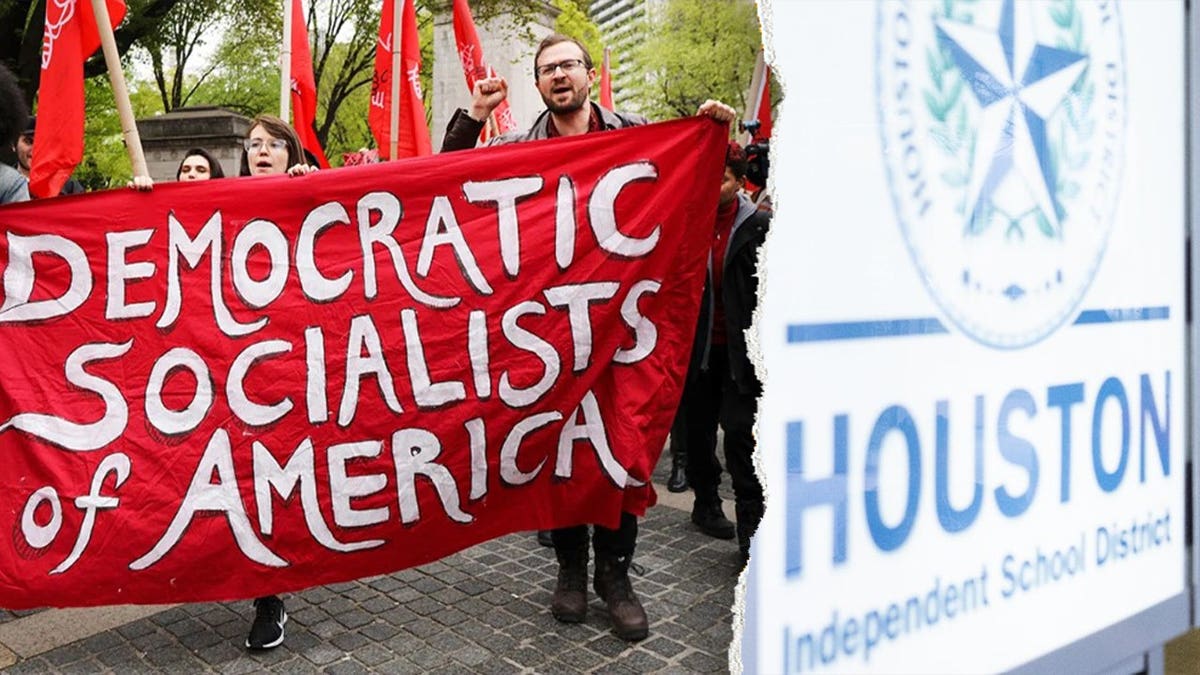
TPPF points to CVPE’s direct instructions to parents on how to organize student walkouts and orchestrate demonstrations outside of school hours as evidence of labor-union and socialist-style community organizing. Furthermore, TPPF argues that boycotting the STAAR exam is actively detrimental to the very communities CVPE claims to represent.
"Some of the things they are advocating for is that parents should boycott the STAAR exam because the test allegedly supports racism and inequality," Bierly said. "Scrapping this testing removes a key pathway for low-income kids to access advanced academic tracks. Without standardized metrics, it becomes much harder to identify and support students who are falling behind."
The Community Voices for Public Education (CVPE) Position
Ruth Kravetz, co-founder of CVPE, pushed back vigorously against TPPF’s characterizations. She dismissed the claim that her group operates as a front for far-left or socialist organizations, emphasizing that CVPE represents a broad, politically diverse coalition of Houstonians united by a shared concern for their local schools.
"Some of those parents are Republicans. Some are Democrats, some are socialists, and some are unaffiliated," Kravetz told Fox News Digital, emphasizing that the desire for local control over schools transcends partisan divisions.
Kravetz defended the group’s opposition to standardized testing, arguing that high-stakes assessments degrade the actual quality of classroom instruction. "It undermines educational quality," Kravetz stated. "It narrows instruction and reduces deeper, more meaningful learning… I don’t think any parent ever said, ‘I hope my kid grows up to be able to fill in a multiple-choice test well.’"
Addressing the accusations regarding school safety policies, CVPE maintains that its push to limit campus arrests and invest instead in mental health counselors and restorative justice practices is designed to end the "school-to-prison pipeline." The group’s platform asserts that "HISD students should be heard and not herded," arguing that punitive, police-heavy environments are counterproductive to learning and student well-being.

Houston Independent School District (HISD) Response
The Houston Independent School District administration, led by Superintendent Mike Miles, did not immediately respond to requests for comment regarding the TPPF report or CVPE’s specific allegations of score manipulation. However, the district has consistently defended its "New Education System" model in public forums, attributing the rise in test scores to rigorous instructional standards, merit-based teacher pay, and targeted interventions at historically struggling campuses.
Implications for Public Education and Policy
The confrontation between TPPF and CVPE in Houston is reflective of a larger, national struggle over the direction of public education in the United States. This conflict carries significant implications for educational governance, state authority, and grass-roots political activism.
State Takeovers vs. Local Control
The situation in HISD serves as a high-profile test case for state-level interventions in locally elected school districts. Proponents of state takeovers argue that when local school boards suffer from chronic dysfunction or fail to address systemic academic failure, state intervention is a necessary exercise of constitutional responsibility. Opponents, however, view takeovers as an undemocratic disenfranchisement of local voters—disproportionately affecting urban, minority communities—and argue that accountability is best maintained through local school board elections.
The Role of Standardized Testing
The debate over the STAAR test highlights a continuous policy battle over educational accountability. Conservative reformers argue that standardized testing is essential for transparency, ensuring that schools are held accountable for student achievement and that funding is directed where it is most needed. Conversely, progressive educators and grassroots groups argue that high-stakes testing places undue stress on students, encourages rote memorization, and fails to measure critical thinking or holistic student development.
Campus Safety and Discipline Reform
The clash over campus policing in Houston mirrors national debates regarding school safety. In the wake of high-profile school emergencies, many conservative policymakers and law enforcement advocates argue that a strong police presence on campus is vital for deterrence and rapid response. On the other hand, advocacy groups like CVPE argue that over-policing leads to the criminalization of minor disciplinary infractions, particularly for minority students, and advocate for shifting resources toward mental health professionals, social workers, and peer-mediation programs.
As the state-appointed administration continues its tenure in Houston, the ideological battle between conservative think tanks like TPPF and community coalitions like CVPE is likely to intensify, serving as a bellwether for education policy disputes across Texas and the nation.