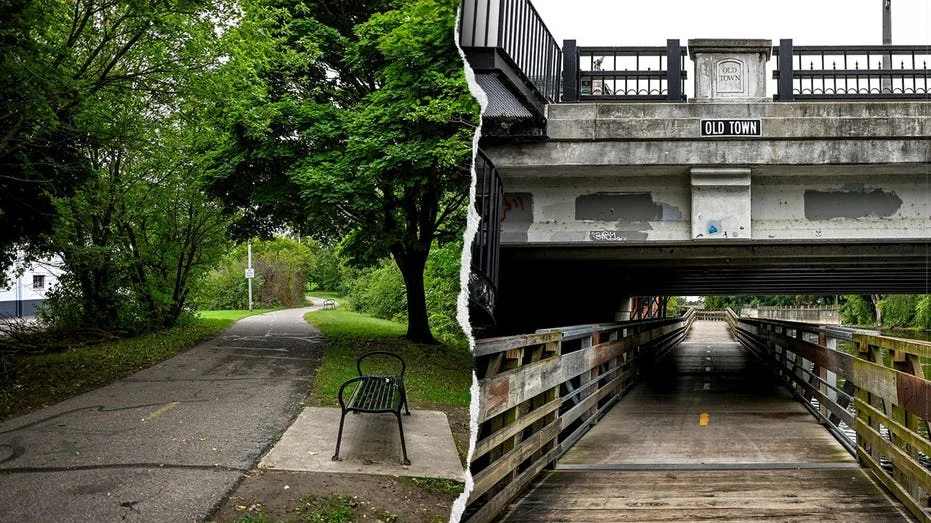
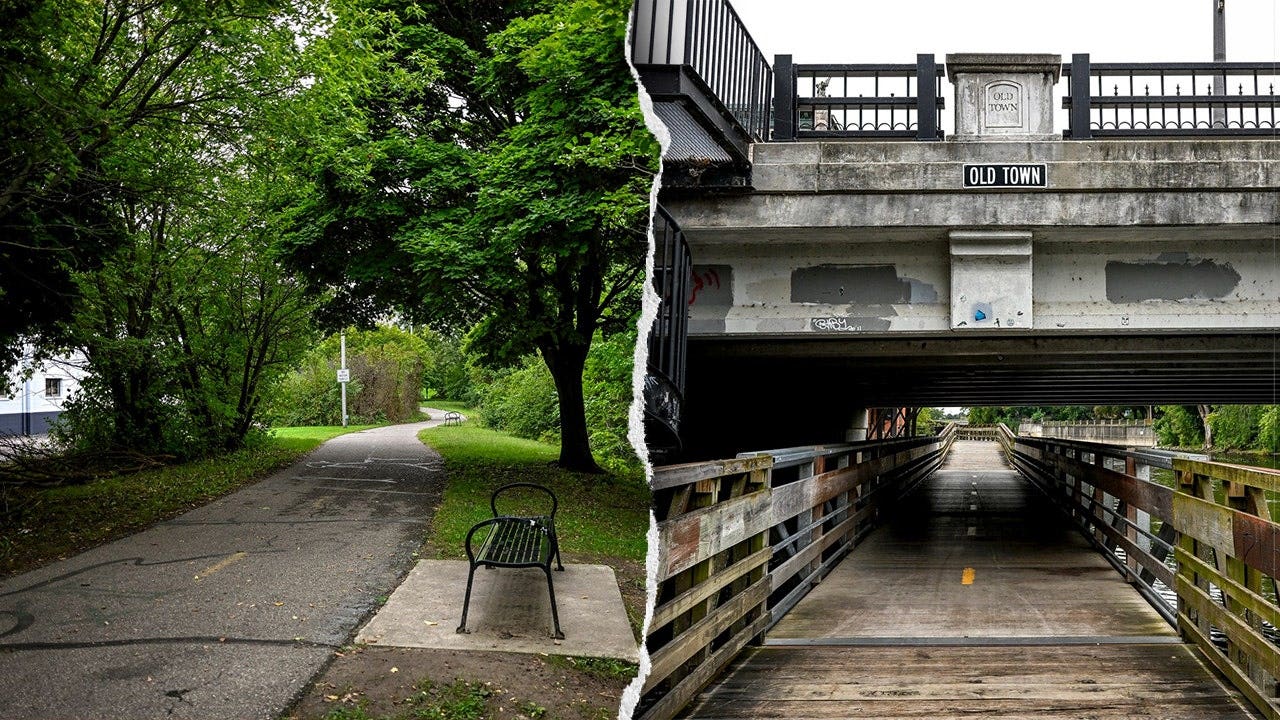
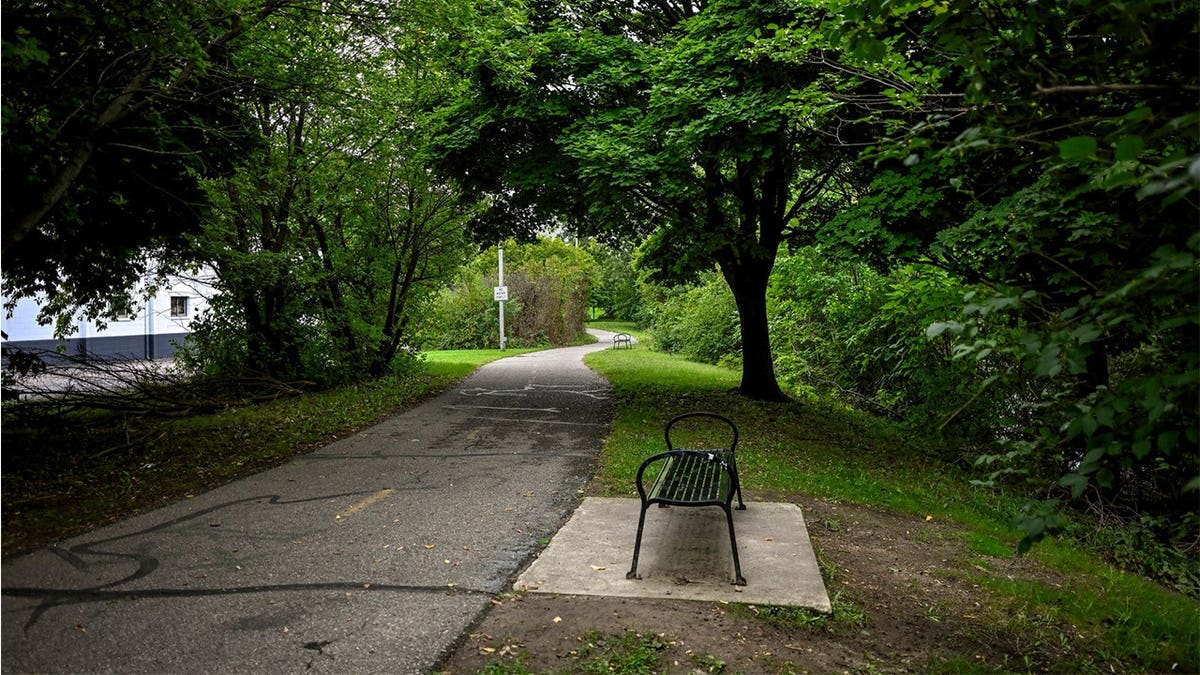
LANSING, Mich. — A scenic recreational trail winding through the heart of Michigan’s capital has transformed into the focal point of a chilling multi-jurisdictional homicide investigation. Authorities in Lansing are actively investigating a string of five violent deaths occurring over the past year along the Lansing River Trail. The striking similarities among the victims and the brutal methods employed have forced law enforcement to confront a terrifying question: Is a serial killer active in Lansing?
The victims, all believed to have been unhoused, were targeted in overnight attacks while sleeping in secluded areas along the trailway. As fear spreads from the local transient community to the nearby campus of Michigan State University, investigators are working to connect the forensic dots, with one man currently in custody but not yet formally charged in the majority of the deaths.
1. Main Facts of the Investigation
The Lansing Police Department confirmed that five homicides discovered along the Lansing River Trail over the last 12 months are being treated as potentially linked. The trail, a popular 20-mile paved pathway used heavily by commuters, cyclists, and runners, runs directly through urban Lansing and feeds into the campus of Michigan State University (MSU) in neighboring East Lansing.
LANSING RIVER TRAIL INVESTIGATION: AT A GLANCE
============================================================
Total Homicides:     5 suspected linked cases
Timeframe:           Past 12 months (Late 2025 – Late 2026)
Victim Profile:      Unhoused, White males, targeted while sleeping
Primary M.O.:        Blunt force trauma to the facial area (4 of 5 cases)
Weapon Status:       None recovered
Primary Location:    Lansing River Trail corridors & underpasses
Status of Suspect:   One individual ("Smith") in custody on related charges;
                     not yet formally charged in the other four cases.
============================================================
According to Lansing Police Chief Rob Backus, the investigations are highly active and fluid. Police have identified several unnerving common denominators among the five cases:
Vulnerable Demographics: All five victims appeared to be white, middle-aged or older men experiencing homelessness.
Time of Attacks: Forensic evidence suggests the victims were attacked overnight, likely while they were sleeping or resting in makeshift camps.
Specific Modus Operandi: In four of the five cases, the victims suffered catastrophic "blunt force trauma to the facial area."
Lack of Weaponry: No murder weapon has been recovered from any of the crime scenes, suggesting the killer either took the weapon with them or utilized heavy, readily available objects found on-site.
Currently, an individual identified by authorities as "Smith" is in custody. While Smith is a primary focus of the investigation, Lansing Police have emphasized that he has not been officially named a suspect or charged in the other four homicides.
2. Chronology of the Trail Deaths
The timeline of the killings spans roughly a year, beginning in late 2025 and culminating in a wave of public panic in the autumn of 2026. Because the victims were transient, some of the earlier deaths were not immediately recognized as part of a wider, systemic pattern of violence.
Timeline of Key Events
├─ Late 2025 – Mid 2026: Three unhoused men found dead along isolated trail sections.
├─ Sept. 16, 2026: Louis Woodruff found critically injured near E. Oakland Ave; later dies.
├─ Late Sept. 2026: Suspect "Smith" apprehended and taken into custody.
└─ Oct. 2, 2026: Chief Rob Backus holds press conference confirming potential serial killer.
The Early Cases (Late 2025 to Mid-2026)
Over several months, police responded to reports of bodies found in wooded areas and underpasses adjacent to the Lansing River Trail. Initially, deaths within transient populations can be difficult to assess due to potential exposure, substance issues, or natural causes. However, autopsy reports eventually revealed severe physical trauma in three of these early cases, prompting homicide detectives to look closer at the trail corridors.
The Attack on Louis Woodruff (September 16, 2026)
The investigation intensified dramatically on Wednesday, September 16, 2026. Emergency services responded to a call in the 300 block of East Oakland Avenue, an area where the Lansing River Trail cuts through dense brush near major roadway overpasses.
There, officers discovered Louis Woodruff, an unhoused man who had been critically injured. Woodruff had suffered severe, disfiguring blunt force trauma to his face. Despite being rushed to a local hospital and placed under intensive medical care, Woodruff later succumbed to his injuries. His death marked the fourth victim in the sequence displaying the signature facial trauma.
The Arrest of "Smith" (Late September 2026)
Following the death of Woodruff, Lansing Police, aided by increased surveillance and community tips, apprehended a man named Smith. While held on charges related to at least one of the incidents, forensic teams began the painstaking process of comparing physical evidence from Smith to the other four cold cases along the trail.
The October 2, 2026, Press Conference
With rumors circulating on social media and anxiety mounting among both the homeless population and MSU students, Lansing Police Chief Rob Backus called a press conference at police headquarters in downtown Lansing on Friday, October 2, 2026. Chief Backus officially acknowledged the potential connection between the five deaths, detailing the similarities for the first time publicly.
3. Supporting Data and Victim Profile Analysis
The geographic and demographic data compiled by investigators paint a grim picture of a predator exploiting systemic vulnerabilities.
Geographic Vulnerability: The Lansing River Trail
The Lansing River Trail is a sprawling, scenic asset for the city, but its layout presents unique policing challenges.
                          [ Urban Lansing ]
                                  │
                 (200 Block E. Cesar Chavez Ave)  <-- High-risk underpass area
                                  │
                 (300 Block E. Oakland Ave)       <-- Louis Woodruff attacked
                                  │
                     [ Grand & Red Cedar Rivers ]
                                  │
                   [ Michigan State University ]  <-- Southern terminus
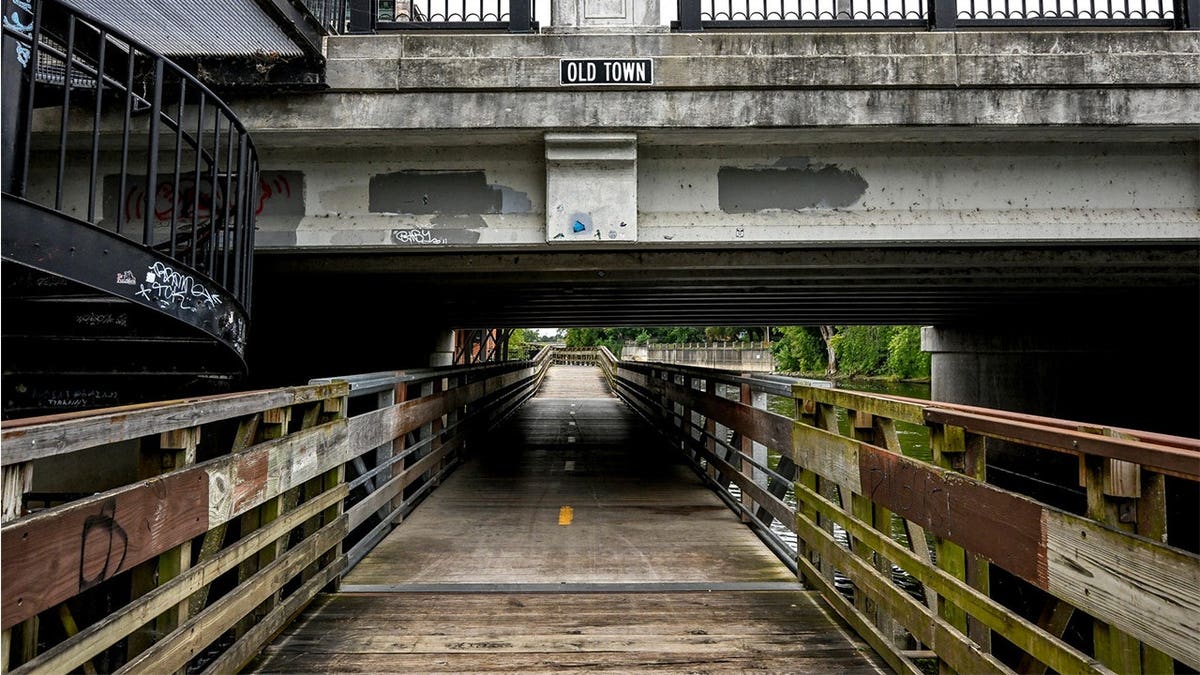
The trail follows the banks of the Grand River and the Red Cedar River. While parts of the trail pass through busy municipal parks, other stretches run through industrial corridors, under heavy concrete highway bridges (such as the 200 block of East Cesar Chavez Avenue), and through unlit, densely wooded floodplains.
These isolated underpasses and wooded margins frequently serve as makeshift campsites for Lansing’s unhoused population, offering shelter from the elements but leaving individuals isolated from public view and emergency assistance.
Forensic Analysis of the Modus Operandi
The decision of the killer to target the "facial area" with blunt force trauma is a critical piece of forensic data. In criminal profiling, blunt force trauma to the face is often associated with high-intensity violence and "depersonalization"—a psychological mechanism where the offender attempts to obliterate the victim’s identity.
Because the attacks occurred overnight while the victims were likely asleep, the killer utilized the element of surprise, eliminating the chance for the victims to mount a defense. The absence of a recovered weapon suggests the assailant either used highly portable tools (such as hammers or clubs) or utilized nearby heavy debris, discarding it back into the river or surrounding brush where it could not easily be distinguished as a weapon.
4. Official Responses and Police Investigation
The revelation of a potential serial killer has prompted a coordinated response from municipal authorities, county sheriff departments, and university police.
During the October 2 press conference, Chief Rob Backus struck a balance between public safety warnings and judicial caution.
"One question that we’re being asked is, do we have a serial killer in Lansing?" Chief Backus stated. "What we need the public to know, is we are investigating all of these cases. They are all active investigations, and we are looking at the idea or the possibility that these may be related cases."
POLICE TACTICAL RESPONSE PLAN
┌──────────────────────────────────────────────────────────┐
│ 1. Increased Foot & Bike Patrols along the River Trail   │
│ 2. Collaboration with MSU Police & County Sheriffs       │
│ 3. Direct Outreach to Local Homeless Shelters            │
│ 4. Implementation of Mobile Surveillance Units           │
└──────────────────────────────────────────────────────────┘
The Lansing Police Department has deployed extra resources, including foot patrols, bicycle units, and park rangers along the trailway. Additionally, they are working alongside the Michigan State Police and the FBI’s Behavioral Analysis Unit to construct a comprehensive profile of the killer.
Because the trail feeds directly into the Michigan State University campus, the MSU Police Department has issued safety advisories to students, faculty, and staff. Students are being urged to avoid using the trail alone, especially after dark, and to utilize campus safety escort services.
5. Implications for the Lansing Community
The ongoing investigation carries profound implications for Lansing’s social infrastructure, the safety of its most vulnerable citizens, and the broader relationship between the city and its student population.
Terror in the Unhoused Community
For Lansing’s homeless population, the trail is not a recreational venue; it is a sanctuary of last resort. The knowledge that a killer may be targeting sleeping, transient men has sent waves of terror through local encampments.
Advocacy groups and local shelters, such as the City Rescue Mission of Lansing, have reported an unprecedented surge in demand for overnight beds. Outreach workers are actively canvassing the trail, warning those living in tents to move closer to well-lit areas or seek indoor shelter.
Increased night-time escorts near trail trailheads
The situation highlights a systemic issue: when emergency shelters are full, the unhoused have little choice but to sleep in high-risk, secluded areas, making them easy targets for violent crime.
Legal and Investigative Hurdles
The prosecution of "Smith" remains a delicate legal maneuver. While having a primary person of interest in custody provides some relief to the public, charging an individual with multiple serial homicides requires an exceptionally high threshold of physical and circumstantial evidence.
Without eyewitnesses, clear surveillance footage from the dark stretches of the trail, or a recovered weapon linking the suspect directly to all five crime scenes, prosecutors must rely heavily on DNA, forensic pathology, and digital forensics (such as mobile phone location data) to build an airtight case.
As Lansing police continue to analyze forensic data and interview associates of the suspect, the community remains on edge. The Lansing River Trail, once a symbol of urban renewal and natural beauty, remains shrouded in caution, serving as a stark reminder of the hidden dangers facing those who live on the margins of society.