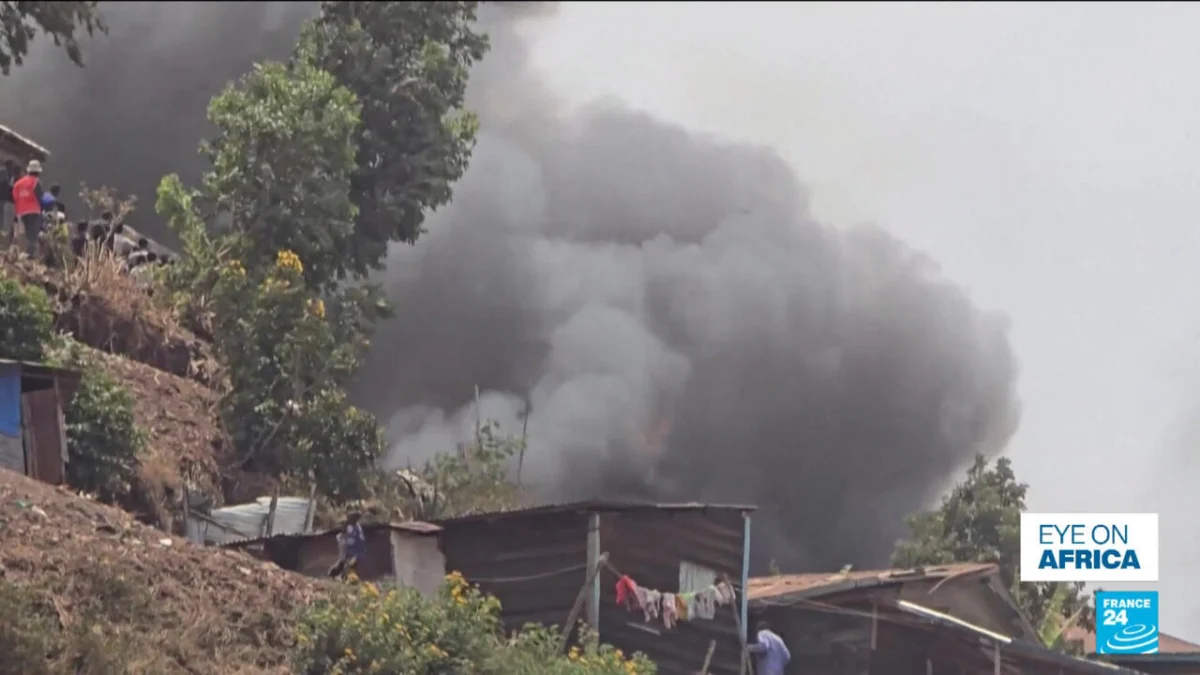
In a harrowing development from the eastern Democratic Republic of Congo (DRC), a catastrophic fire has swept through a school in the city of Bukavu, resulting in the tragic loss of young lives. The incident, occurring in a territory currently under the influence of the M23 rebel group, has sent shockwaves through the region, highlighting the precarious state of civilian infrastructure in conflict-affected zones.
Main Facts: A Community in Mourning
The city of Bukavu, a critical hub in the South Kivu province, was plunged into grief following a devastating fire that gutted a local schoolhouse. While emergency services and local volunteers rushed to the scene, the intensity of the blaze, coupled with the logistical challenges inherent in the region’s current political instability, hampered rescue efforts.
Preliminary reports indicate that the fire broke out during school hours, trapping a number of students inside. While the exact death toll is still being verified as investigators comb through the debris, authorities have confirmed multiple fatalities, with several other children currently undergoing treatment for severe burns and smoke inhalation in local clinics. The incident has not only devastated families but has also brought into sharp focus the extreme vulnerability of educational institutions operating under the shadow of armed occupation.
Chronology of the Incident
The tragedy unfolded with terrifying speed, according to witnesses on the ground.
- Mid-Morning: Smoke was first spotted billowing from the school complex. Within minutes, the structure—largely built with materials prone to rapid combustion—was engulfed in flames.
- The Immediate Response: Local residents and teachers attempted to form a bucket brigade, as professional fire-fighting equipment in the area is notoriously scarce. The lack of adequate infrastructure meant that by the time responders could effectively reach the heart of the fire, the building had suffered catastrophic structural failure.
- Late Afternoon: By early evening, the fire was brought under control, but the site was cordoned off as recovery teams began the grim task of identifying victims.
- Evening (September 11, 2026): News of the tragedy began to circulate, sparking an outpouring of grief across the DRC and drawing international attention to the humanitarian situation in the eastern provinces.
Supporting Data: The Fragility of Urban Life in the DRC
The incident in Bukavu is not an isolated event but rather a symptom of deeper systemic issues facing the Democratic Republic of Congo. As urbanization surges across the continent, African cities are grappling with infrastructure that is often unable to keep pace with population density.
In the eastern DRC, these challenges are compounded by:
- Conflict-Induced Neglect: The presence of rebel factions like the M23 disrupts the maintenance of public utilities, including fire safety systems and electricity grids, which are often prone to dangerous short-circuiting.
- Structural Vulnerability: Many schools in the region are constructed with limited access to safety exits or fire suppression tools. The rapid, unregulated growth of urban settlements often ignores building codes, leaving children in educational environments that are essentially "fire traps."
- Medical Capacity: The availability of specialized burn units in South Kivu is dangerously low. Victims of such fires often face long, perilous journeys to reach hospitals capable of providing advanced trauma care.
Official Responses and Humanitarian Appeals
The international community and local authorities have expressed profound shock at the tragedy.
Local civil society leaders in Bukavu have issued a stinging indictment of the current security situation, arguing that the M23 occupation has paralyzed local governance, leaving schools and hospitals to operate without oversight or basic safety inspections. "Our children are paying the price for a conflict they did not start," one community organizer noted, emphasizing the lack of basic emergency response resources.
Regional government officials, despite the fractured control of the area, have called for an immediate independent investigation into the cause of the blaze. There is a pressing concern that the fire may have been triggered by faulty electrical wiring or the use of hazardous heating or cooking methods, which are common in schools where state funding for maintenance has dried up.

Humanitarian agencies are now mobilizing to provide psychological support to the survivors and their families. UNICEF and other child-protection organizations have signaled their intent to assess the state of other schools in the region to prevent a recurrence of such a disaster, though access remains complicated by the presence of armed groups.
Implications: The Future of African Urbanization
This tragedy serves as a grim case study for the broader challenges discussed at recent continental forums, including the Kenya Architecture Biennale in Nairobi. The fundamental question remains: How can African cities sustain their rapid population growth while ensuring the safety and dignity of their citizens?
The Climate and Infrastructure Nexus
As climate change accelerates, African cities are facing increased temperatures and extreme weather patterns. These conditions put immense strain on aging power grids. The Bukavu fire highlights the lethal intersection between climate-stressed infrastructure and the lack of urban planning. Experts argue that the "population boom" in Africa is not a curse, but a failure of governance to adapt. If urban areas continue to expand without rigorous safety standards, tragedies like the one in Bukavu will become increasingly frequent.
The Role of Technology and Innovation
While the Bukavu incident highlights a lack of basic safety, there is a glimmer of hope in other sectors of African innovation. For instance, Senegal’s recent strides in developing a home-grown satellite industry demonstrate that African nations are capable of high-level technological advancement. The challenge lies in bridging the gap between high-tech aspirations and the "ground-level" reality of life in conflict-prone cities.
Satellite technology, for instance, could theoretically assist in urban planning, disaster mapping, and the monitoring of fire risks—if the political will and the necessary investment are directed toward public safety rather than solely toward national security or commercial interests.
A Call to Action
The children of Bukavu deserve more than just sympathy. Their deaths demand a fundamental shift in how the DRC and the international community approach the "humanitarian-development nexus." Protecting schools must be treated as a pillar of national security. This means:
- Prioritizing Educational Infrastructure: Ensuring that schools are designated "zones of safety" with mandatory fire suppression equipment and emergency exits.
- Governance and Accountability: Regardless of who controls a territory, the responsibility to protect civilians—particularly children—must remain paramount.
- Urban Resilience: Integrating fire safety, electrical regulation, and emergency response training into the long-term planning for cities like Bukavu.
Conclusion
The smoke that rose over Bukavu on September 11, 2026, serves as a tragic reminder of the human cost of instability. As the DRC continues to navigate its complex political landscape, the focus must shift toward the protection of the next generation. The future of African cities—whether they become hubs of innovation or sites of persistent tragedy—will be determined by the actions taken today to secure the basic rights of those living within them.
The grieving families of Bukavu are left to mourn, but their sorrow echoes across a continent that is striving for progress. Ensuring that no more children are lost in such preventable ways is the most urgent challenge facing the region’s leadership today. The tragedy must act as a catalyst for reform, ensuring that the environments in which children learn are, above all else, safe.