Introduction
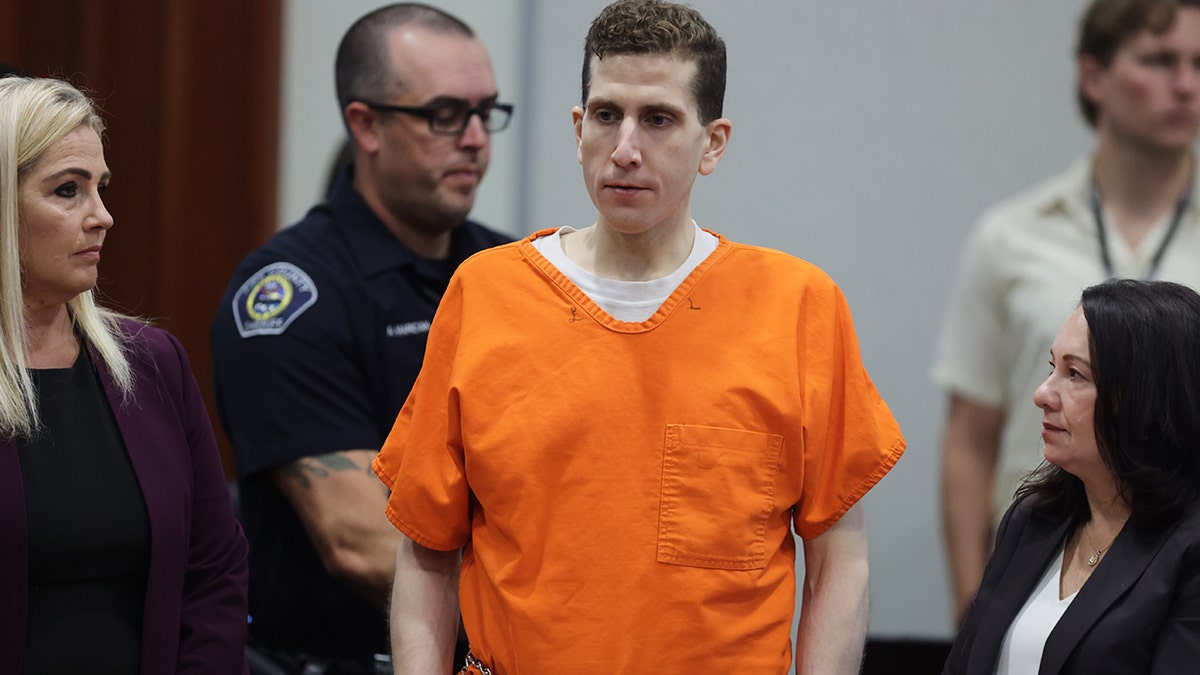
In a legal twist that has reignited national attention on one of the most notorious quadruple homicides in recent American history, Bryan Kohberger—the former criminology doctoral student who pleaded guilty to the brutal 2022 stabbing deaths of four University of Idaho students—is attempting to dismantle his conviction.
At the center of this post-conviction offensive is a dual-pronged strategy: an aggressive bid to disqualify the presiding judge, District Judge Steven Hippler, and a concurrent effort to withdraw the guilty plea that spared Kohberger from the death penalty.
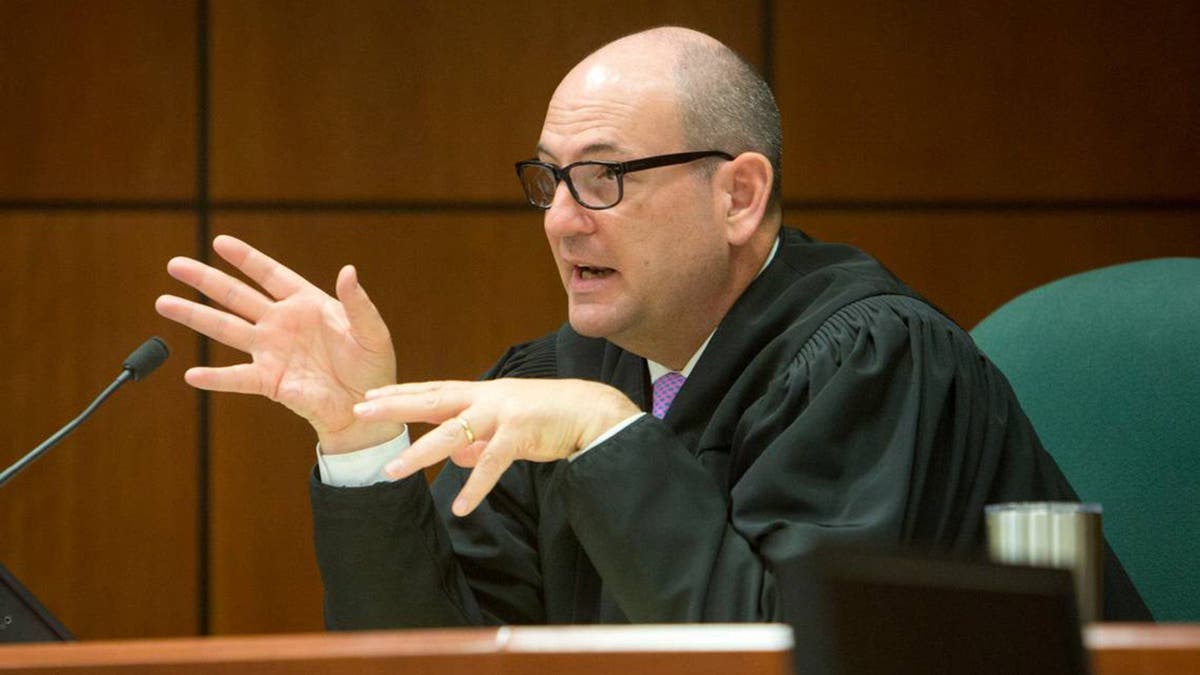
The defense alleges that Judge Hippler exhibited deep-seated, disqualifying bias during a highly emotional sentencing hearing, where he labeled the defendant a "faceless coward" and asserted there was nothing "intrinsically human" left within him.
Conversely, state prosecutors contend that the judge’s searing remarks were not indicative of systemic prejudice but were instead a justifiable judicial reflection on the horrific nature of the crimes to which Kohberger had voluntarily confessed. As both sides prepare for critical hearings, the case has entered a complex phase where constitutional rights, judicial ethics, and the psychological competence of the confessed killer are under intense scrutiny.
Main Facts: The Battle Over Judicial Bias and Defendant Competence
The current legal battle hinges on whether Judge Steven Hippler’s courtroom conduct and sentencing remarks crossed the line from standard judicial condemnation to constitutional bias.

On July 23, 2025, Judge Hippler sentenced Kohberger to four consecutive life sentences without the possibility of parole, plus an additional ten years. The sentence followed a historic plea agreement reached on July 2, 2025, in which Kohberger pleaded guilty to four counts of first-degree murder and one count of burglary, successfully avoiding a potential death sentence.
During the sentencing phase, which featured agonizing victim impact statements from the families of Madison Mogen, Kaylee Goncalves, Xana Kernodle, and Ethan Chapin, Judge Hippler was observed wiping tears from his eyes.
When delivering the sentence, Hippler spared no criticism, stating that Kohberger had "slithered" into the victims’ off-campus home on King Road and describing him as "the worst of the worst." He further criticized the structure of the plea deal, which did not legally compel Kohberger to explain his motives.
"Even if I could force him to speak, which legally I cannot, how could anyone ever be assured that what he speaks is the truth?"
— Judge Steven Hippler, during sentencing
In response, Kohberger’s newly appointed legal team, led by court-appointed attorney Greg Rauch and private counsel Jason Goldman, filed a motion on August 27, 2025, seeking Hippler’s removal from all post-conviction proceedings.
The defense argues that the judge’s emotional response and hostile characterizations prove he cannot impartially adjudicate Kohberger’s petition for post-conviction relief. Furthermore, the defense has introduced new filings suggesting that Kohberger struggled with key case decisions, lacked the cognitive capacity to rationally assess the state’s evidence, and was pressured into a flawed plea agreement by his previous defense team.
Chronology of the Case
To understand the current post-conviction conflict, it is necessary to trace the timeline of the investigation, the sudden plea agreement, and the subsequent legal challenges:
The November 2022 Murders and Initial Arrest
- November 13, 2022: University of Idaho students Madison Mogen (21), Kaylee Goncalves (21), Xana Kernodle (20), and Ethan Chapin (20) are stabbed to death in their sleep at an off-campus residence in Moscow, Idaho.
- December 30, 2022: Following a multi-state manhunt, Bryan Kohberger, a Ph.D. student in criminology at Washington State University, is arrested at his parents’ home in Monroe County, Pennsylvania.
Pre-Trial Maneuvers and the July 2025 Plea
- June 2025: After years of pre-trial motions, venue disputes, and challenges to the death penalty, Judge Hippler denies a series of defense requests to delay the trial, signaling a firm push toward a trial date.
- July 2, 2025: In a surprise courtroom development, Kohberger waives his right to a trial and enters a guilty plea to four counts of first-degree murder and burglary in exchange for the removal of the death penalty.
- July 23, 2025: Judge Hippler sentences Kohberger to four consecutive life terms without parole. The sentencing is marked by intense emotional testimony from the victims’ families and sharp rebukes from the bench.
Post-Conviction Filings and Judicial Disqualification Efforts
- Late July 2025: Kohberger files a handwritten petition from prison, initiating a bid for post-conviction relief. He alleges ineffective assistance of counsel, claiming his guilty plea was "not knowingly or voluntarily entered" and was induced by threats and unkept promises from his defense team.
- August 27, 2025: Kohberger’s new defense counsel formally moves to disqualify Judge Hippler, citing judicial bias during the July sentencing.
- September 2025: The state files its formal opposition to the disqualification motion, arguing that the defense’s claims do not meet the high legal threshold required to remove a judge.
- October 15, 2025: Judge Hippler schedules a virtual hearing to address the motion for his disqualification.
- November 13, 2025: The court sets this date—exactly four years after the murders—as the deadline for the defense to file an amended petition for post-conviction relief.
Supporting Data and Legal Arguments
The Legal Standard for Judicial Disqualification in Idaho
Under Idaho law and the Idaho Rules of Civil Procedure, the threshold for removing a sitting judge for cause is extraordinarily high. To succeed, a petitioner must demonstrate actual bias rather than the mere appearance of bias or dissatisfaction with a ruling.
Historically, appellate courts have ruled that comments made by a judge during sentencing, even if harsh or emotionally charged, do not constitute disqualifying bias if they are based on the evidence and facts presented during the judicial proceedings.
In their opposition filing, Latah County prosecutors emphasized this standard, writing that the motion must prove that the judge is actively biased against the defendant’s constitutional rights:
"None of petitioner's allegations against this Court — taken alone or together — have met that 'extremely high' bar."
— Latah County Prosecution Filing| Argument Category | Defense Position | Prosecution Position |
|---|---|---|
| Judicial Language | Characterizations like "faceless coward" and "slithered" reveal deep personal animus that compromises future rulings. | Sentencing remarks reflect the gravity of the admitted crimes and do not impact the court’s ability to fairly assess post-conviction claims. |
| Courtroom Demeanor | The judge’s visible weeping during victim impact statements indicates a loss of objective judicial detachment. | Empathy shown to grieving families is a normal human response and does not equate to systemic legal bias. |
| Trial Management | The judge rushed the case to trial, forcing a premature plea agreement before the prior defense was prepared. | The court acted within its discretion to manage its docket and prevent unnecessary delays in a high-profile case. |
Cognitive Competence and Decision-Making Claims
A critical component of Kohberger’s attempt to withdraw his guilty plea is the assertion that he was cognitively and psychologically overwhelmed during the decision-making process. According to recent court filings, defense experts, including psychologists, have raised questions about Kohberger’s capacity to rationally process the state’s evidence under extreme stress.
Legal analyst Katie Zacharia noted that these filings suggest Kohberger struggled to comprehend the full scope of the legal rulings against him. Despite his background in criminology, the defense argues that the pressure of facing the death penalty, combined with alleged coercion from his previous attorneys, resulted in a plea that was neither knowing nor voluntary.
This argument faces a steep climb, as the prosecution has requested transcripts from the change-of-plea hearing to prove that Kohberger explicitly affirmed, under oath, that he understood the proceedings and was acting of his own free will.
Official Responses and Court Filings
The Prosecution’s Defense of the Court
The opposition filing, signed by outgoing Latah County Prosecuting Attorney Bill Thompson—who recently announced his retirement—and Deputy Prosecuting Attorney Keith Scholl, strongly defends Judge Hippler’s conduct.
The state argues that once a defendant admits guilt, the judge is legally obligated to assess the character of the offender and the severity of the offense. In this context, describing a mass murderer as "the worst of the worst" is a standard exercise of judicial duty.
"In our case, the sentencing remarks are not enough to show bias, and the required showing of perceived bias cannot be tied to this Court's capacity to fairly adjudicate any post-conviction relief claims..."
— Latah County Prosecution Filing
The prosecution contends that because Judge Hippler presided over the entire case, he is in the best position to evaluate the validity of Kohberger’s claims of ineffective assistance of counsel.

The Defense’s Strategy for Recusal
Kohberger’s defense team, now bolstered by private attorney Jason Goldman and local counsel Greg Rauch, argues that the sentencing remarks went beyond standard judicial condemnation. They maintain that the judge’s comments revealed a personal assessment of Kohberger’s humanity, which they argue should disqualify him from presiding over subsequent hearings.
The defense intends to use the upcoming virtual hearing on October 15, 2025, to argue that a neutral judge must be appointed to oversee the post-conviction relief process to ensure constitutional fairness.
Implications and Broader Impact
The legal maneuvering by Bryan Kohberger has significant implications for the victims’ families, the finality of plea agreements, and the regional justice system.
Key Legal Milestones:
├── July 2, 2025: Kohberger enters guilty plea
├── July 23, 2025: Sentenced to 4 consecutive life terms
├── August 27, 2025: Defense moves to disqualify Judge Hippler
├── October 15, 2025: Virtual hearing scheduled on disqualification motion
└── November 13, 2025: Deadline for defense to file amended petition
Impact on the Victims’ Families
For the families of Madison Mogen, Kaylee Goncalves, Xana Kernodle, and Ethan Chapin, the post-conviction filings represent a painful extension of an already prolonged legal process.
The plea deal in July 2025 was expected to bring closure by eliminating the possibility of a lengthy appeals process, which typically accompanies death penalty convictions. Kohberger’s attempts to withdraw his plea and disqualify the judge threaten to reopen the case, potentially forcing the families to endure further evidentiary hearings.

The Integrity of Plea Bargains
This case also highlights the challenges of challenging a guilty plea after sentencing. In the U.S. justice system, plea agreements are designed to be definitive. During a plea colloquy, defendants are asked under oath if they understand the rights they are waiving and if they are satisfied with their counsel.
If the court allows Kohberger to withdraw his plea based on claims of cognitive overwhelm or judicial bias, it could set a notable precedent for how plea agreements are secured and defended in high-profile capital cases.
As the October 15 virtual hearing approaches, the legal community will closely watch how the court balances a defendant’s constitutional right to an impartial judge against the high standard required to disqualify a sitting judicial officer.