The automotive landscape is shifting, and if the first half of 2026 is any indication, Hyundai Motor America is steering the ship with remarkable precision. As the dust settles on the second quarter of the year, the Korean automaker has officially reported its most successful six-month performance in company history. With a staggering 450,568 vehicles moved between January and June, Hyundai is not merely participating in the market—it is aggressively capturing it.
Main Facts: The Numbers Behind the Momentum
Hyundai’s record-breaking performance is defined by consistent, across-the-board growth. The 450,568 units sold represent a 3.0 percent increase over the same period in 2025, when the company recorded 439,280 sales. This upward trajectory was punctuated by a record-setting June, during which the automaker delivered 77,555 vehicles, an 11.0 percent increase year-over-year.
The second quarter (Q2) of 2026 alone saw 245,180 units leave dealership lots, marking a 4.0 percent improvement over the previous year. These figures are particularly impressive given the current economic climate, where high interest rates and fluctuating consumer confidence have caused many competitors to plateau or retreat. Hyundai’s ability to sustain growth suggests that its current product portfolio—which leans heavily into hybrid technology and versatile SUVs—is perfectly aligned with modern buyer demands.
A Chronological Breakdown of 2026 Growth
To understand how Hyundai reached these heights, one must examine the progression of the year.
- Q1 Foundations: The year began with steady demand, as buyers continued to flock to the brand’s core utility vehicles. While the winter months are historically slower for the automotive industry, Hyundai maintained its momentum by ensuring inventory levels were optimized for the spring transition.
- The Q2 Surge: As the second quarter progressed, the momentum accelerated. The 4.0 percent growth seen in Q2 highlights the impact of refreshed lineups and aggressive promotional strategies.
- The June Peak: The fiscal half-year concluded with a bang in June. The 11.0 percent year-over-year jump in June performance served as a critical engine for the overall first-half success, proving that Hyundai’s mid-year marketing initiatives and incentives were highly effective.
Supporting Data: Dissecting the Model Mix
A deep dive into the model-specific performance reveals where the brand’s strength lies. While traditional internal combustion engine (ICE) models continue to provide the volume, the rapid adoption of electrified powertrains is the true engine of Hyundai’s current growth.
Hybrid Dominance
The most significant story in Hyundai’s data is the meteoric rise of its hybrid offerings. Compared to June 2025, Hyundai hybrids saw a monumental 74.0 percent sales growth. This trend holds firm over the longer term, with a 71.0 percent increase in Q2 and a 67.0 percent growth rate for the year-to-date (YTD).
Specific standouts include the Sonata Hybrid, which saw a staggering 246.0 percent increase in June alone, while the Santa Fe and Tucson hybrids grew by 12.0 percent and 14.0 percent, respectively.
The Electric Portfolio
The EV segment presents a more complex picture. While Hyundai is clearly moving toward electrification, the strategy is evolving.
- Ioniq 5: Despite the absence of federal tax credits, the Ioniq 5 remains a cornerstone of the brand’s electric efforts, with sales up 9.0 percent to 20,730 units.
- Ioniq 9: The recently introduced model is already making waves, with sales skyrocketing 380.0 percent compared to last year.
- Ioniq 6: As the company pivots its strategy, the Ioniq 6 has seen an 80.0 percent decline. This is largely expected, as the model has been discontinued in the U.S. market (excluding the performance-oriented N variant) to make way for a more SUV-centric lineup.
The Utility Powerhouses
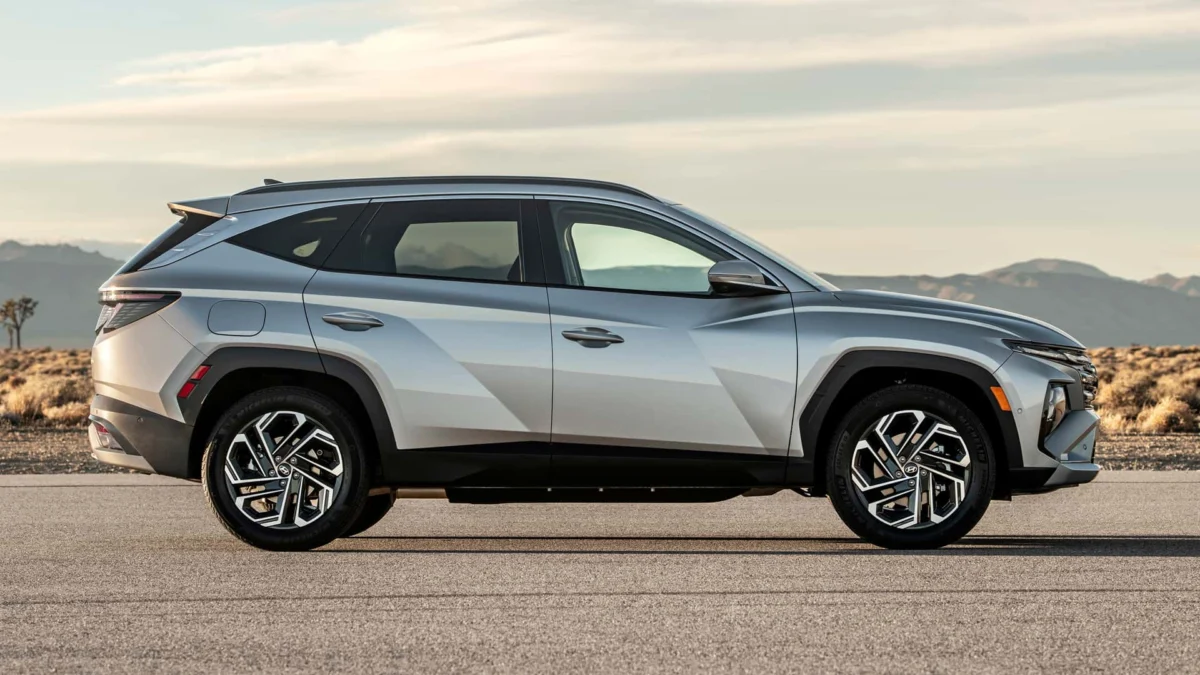
The Tucson remains the brand’s undisputed volume leader, with 117,612 units sold year-to-date, a 4.0 percent increase. The Palisade, representing the premium end of the SUV spectrum, also performed well, recording 63,453 units—an 11.0 percent jump. Conversely, models like the Santa Cruz (-30%) and Kona (-9%) experienced contractions, signaling that consumer interest is shifting toward larger, more electrified, or more traditional SUV platforms.
Official Responses and Strategic Outlook
Hyundai’s leadership has been vocal about the company’s "hybrid-first" philosophy. By prioritizing the hybrid transition, the company is effectively insulating itself against the volatility of the pure-EV market, which has seen slowed adoption rates due to infrastructure concerns and pricing.
"Electrified vehicles—comprising hybrids, plug-in hybrids, and battery-electric vehicles—now account for 33.0 percent of our total sales," noted a company spokesperson. This diversification is the cornerstone of their current success. By offering a hybrid version of nearly every popular model, Hyundai lowers the barrier to entry for eco-conscious consumers who are not yet ready to commit to a full-battery electric vehicle (BEV).
Implications: The Road Ahead
What does this record-breaking performance mean for the future of the brand?
1. The Hybrid Pivot
Hyundai is signaling that it intends to follow a path similar to Toyota’s, leaning heavily into hybrid-only configurations for specific models. Given the 74 percent growth in hybrid sales, this is a data-backed decision that mitigates risk while maximizing appeal.
2. Streamlining the Lineup
The discontinuation of the Ioniq 6 and the decision to skip the 2026 model year for the Kona Electric indicate a move toward a more focused, high-margin portfolio. Hyundai is cutting the "fat" from its lineup to focus resources on the models that consumers are actually buying: the Ioniq 5, the Ioniq 9, and the robust hybrid SUV stable.
3. Market Share Consolidation
As competitors struggle with supply chain issues and expensive EV-only strategies, Hyundai’s ability to remain profitable while delivering high-volume, high-value vehicles positions it as a formidable force in the American market. The company is no longer just a "value" brand; it is now a technology leader that offers the right car for every stage of the electrification journey.
4. Challenges to Watch
Despite the success, challenges remain. The reliance on hybrid growth is a strategic bet that the "bridge" to full electrification will be longer than anticipated. Additionally, as federal tax credit rules continue to shift, Hyundai must navigate how to keep its EVs competitive without the direct incentive support that many of its domestic rivals receive.
Final Thoughts
The first half of 2026 has been a masterclass in adaptation for Hyundai. By leveraging a balanced approach that respects the current market reality while preparing for the electric future, the company has managed to achieve the best sales start in its history. As they head into the second half of the year, the focus will likely shift to maintaining this momentum through the holiday season and ensuring that the upcoming product cycle—including the highly anticipated Boulder concept—continues to capture the imagination of the American consumer.
With 450,568 vehicles delivered and a clear roadmap for the months ahead, Hyundai is not just celebrating a record; it is setting the tempo for the entire automotive industry.