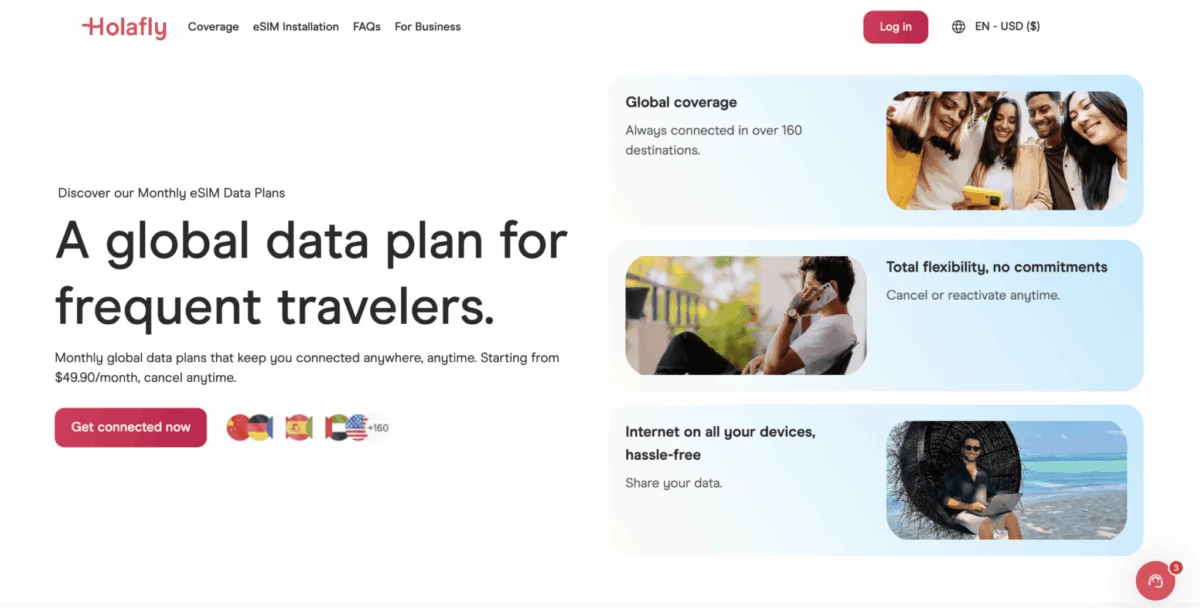
For the modern traveler, the "SIM card shuffle" has long been a rite of passage—and a source of immense frustration. Touching down in a new country often meant racing to find a kiosk, navigating language barriers, paying exorbitant prices for tiny amounts of data, and physically swapping out cards that are easily lost.
The digital revolution of eSIM technology began to solve this, allowing travelers to download connectivity via an app. However, even with the rise of traditional eSIMs, frequent travelers and digital nomads still faced a fragmented experience: buying a new, temporary plan for every border crossing. Today, that landscape is shifting. Holafly, a major player in the global connectivity market, has introduced "Holafly Plans"—an ongoing, subscription-based model that promises to streamline international data for the long-term traveler.
Main Facts: What Are Holafly Plans?
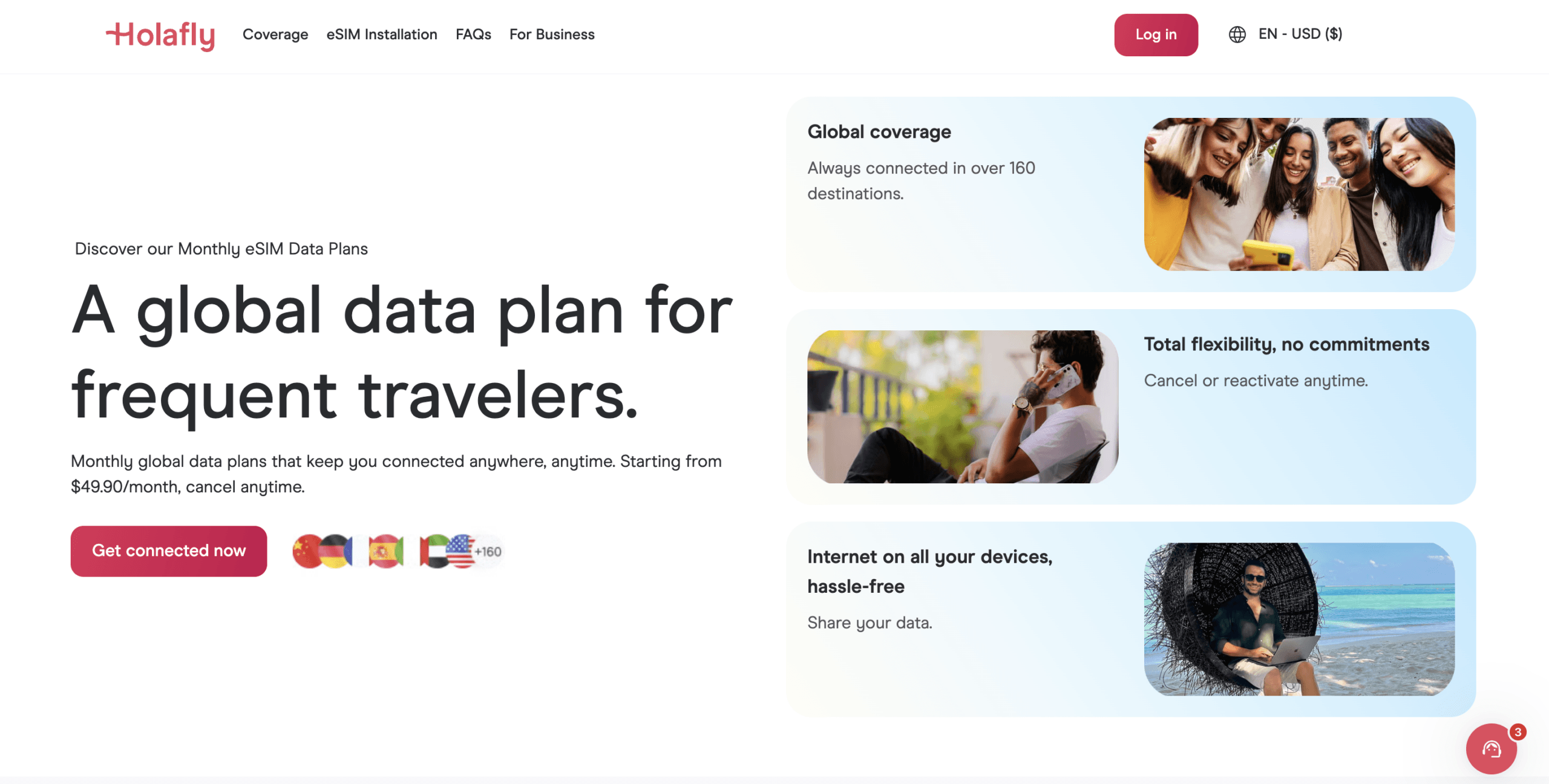
At its core, Holafly Plans represents a move away from the "one-off" purchase model toward a persistent, global connectivity solution. Unlike traditional eSIMs, which are tied to specific countries or regions for a set duration, Holafly Plans functions as a singular, ongoing subscription.
The service provides coverage across 160+ destinations under a single, unified setup. Once the eSIM is installed on a smartphone, it remains active as the user traverses borders. There is no need to manually swap profiles, scan new QR codes, or purchase top-ups upon landing. The system functions much like a domestic mobile carrier’s roaming agreement, but with a significantly more competitive price structure and a focus on high-speed data.
The service is currently divided into two primary tiers:
- The Light Plan: Offers 25GB of monthly data, inclusive of hotspot capabilities and full coverage across the 160+ destination network.
- The Unlimited Plan: Removes data caps entirely, includes an unlimited hotspot for tethering laptops or secondary devices, and provides a localized phone number (US, UK, or Canada) for receiving SMS messages.
Chronology: The Evolution of Mobile Roaming
The history of international mobile connectivity is a story of slow, painful progress.

The Physical Era: For decades, travelers relied on physical local SIM cards. This required "unlocking" phones and navigating local vendors, often resulting in varying quality and high costs.
The Roaming Era: Traditional carriers introduced international roaming passes. While convenient, these are notoriously expensive. Consumers frequently pay $10–$20 per day for limited access, often capped by strict data throttling.
The Early eSIM Era (2018–2023): The arrival of eSIM technology allowed for software-based switching. Companies like Holafly enabled users to pre-purchase data bundles for specific countries. This removed the physical hassle but still required active management—buying a "Japan pass" followed by a "Thailand pass" as itineraries changed.
The Subscription Era (2024–Present): With the launch of Holafly Plans, the industry is transitioning toward the "Global Nomad" model. By decoupling the service from specific geographic limitations, the industry is mirroring the trend of "Global Subscription Services" (like Netflix or Spotify), where the user pays for the service, not the location.
Supporting Data: The Economic Implications
To understand why this is a disruptive model, one must look at the cost-benefit analysis of traditional carrier roaming versus specialized eSIM providers.
| Feature / Cost | Holafly Plans (Unlimited) | US Major Carrier Roaming | Local/Single eSIMs |
|---|---|---|---|
| Monthly Cost | ~$55–$65 | $100–$300 | $60–$120 |
| Data Allowance | Unlimited | Throttled after small cap | Variable (5GB-10GB) |
| Hassle Factor | Minimal (One-time setup) | Moderate (High cost) | High (Manual setup per trip) |
| Hotspotting | Included | Often restricted | Varies |
For a digital nomad spending six months abroad, the cost savings of an unlimited, non-throttled plan are substantial. Traditional carriers often charge $10/day for international roaming, which can lead to a monthly bill exceeding $300. By comparison, Holafly’s subscription model—which provides unlimited 5G data and hotspot capabilities—can save a frequent traveler upwards of $2,000 annually.
Furthermore, the inclusion of the "Always On" 1GB backup data feature ensures that even if a user cancels their primary subscription, they retain a baseline of connectivity. This serves as a vital safety net for travelers who may find themselves between destinations or needing to access maps and ride-sharing apps immediately upon arriving in a new region.
Official Responses and Strategic Rationale
Industry analysts suggest that this shift is a direct response to the "Work From Anywhere" movement. According to data from international labor statistics, the number of digital nomads has doubled since 2019.
In discussions regarding the launch, Holafly representatives highlighted that the primary pain point for their user base was not the lack of connectivity, but the "cognitive load" of managing it. By removing the need to choose between different data packages for every flight, the company is attempting to commoditize connectivity in the same way utilities are managed.
The company has also emphasized their commitment to customer support, noting that the "always-on" nature of the service is backed by a 24/7 human support team. This is a strategic differentiator in a market often plagued by automated chatbots and outsourced, ineffective support.
Implications for the Future of Travel
The implications of this subscription model are twofold:
1. The Death of the "Local SIM" Economy
While there will always be a market for cheap, short-term local cards, the reliance on them is plummeting. As more smartphones become eSIM-compatible, the physical SIM slot is becoming a relic. The ability to maintain a single "home" number while tethering an unlimited global plan will likely become the standard for the modern professional.
2. Enhanced Productivity for Remote Workers
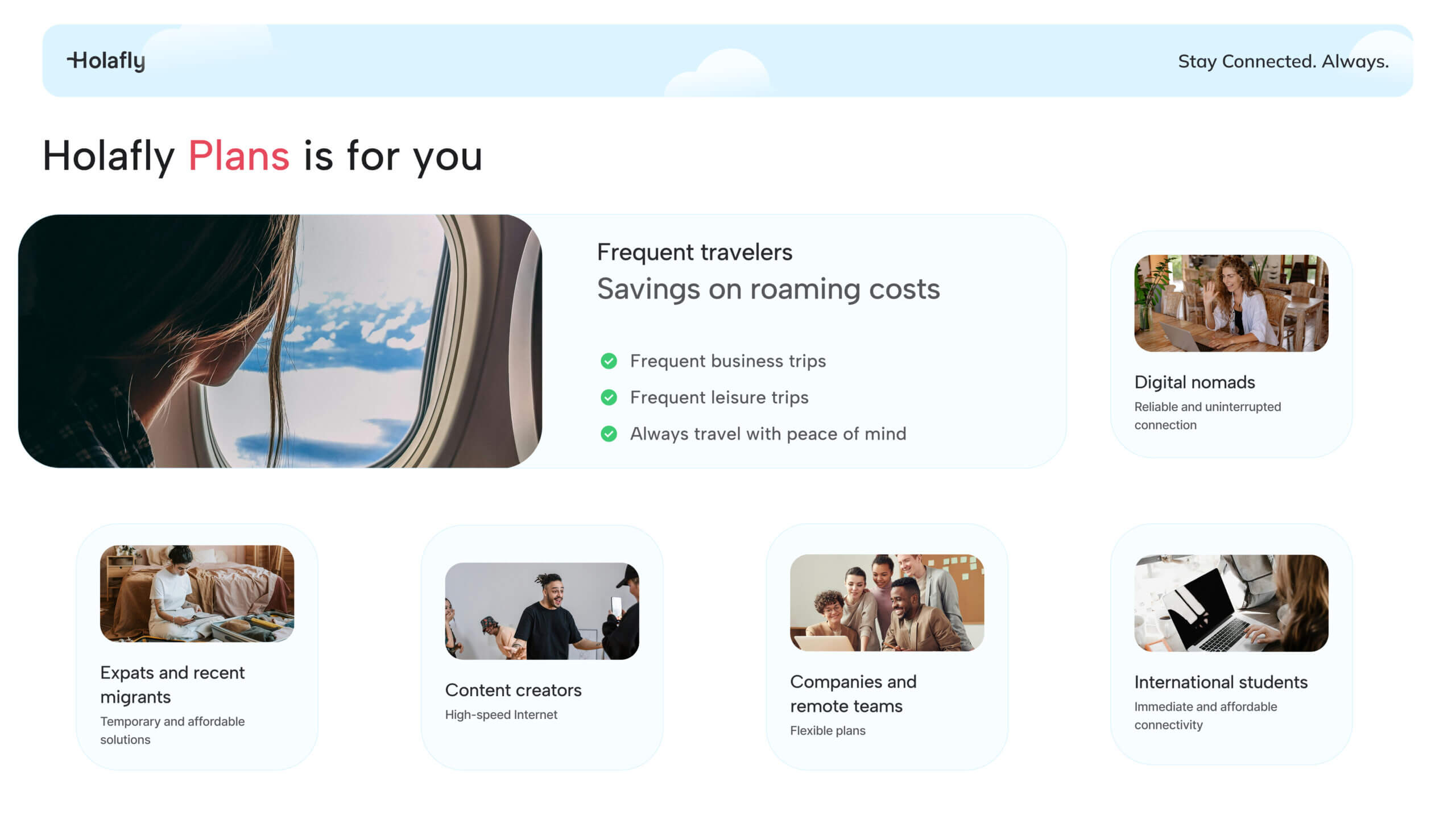
For the digital nomad, connectivity is a utility as essential as electricity. The frustration of being throttled while uploading a client video or being unable to join a Zoom call due to a "data cap" is a massive barrier to productivity. By offering an unlimited, no-questions-asked data plan, Holafly is effectively allowing the remote worker to treat the world as their office, regardless of their current time zone or geography.
3. A Shift in Consumer Loyalty
By offering long-term subscription incentives—such as quarterly and annual discounts—Holafly is building a "sticky" ecosystem. When a user has a single account that functions across 160 countries, the incentive to switch to a competitor for a marginal gain in price is significantly reduced.
Conclusion: Is It Right for You?
Whether or not Holafly Plans is the correct choice depends entirely on your travel profile.
If you are a casual traveler who takes one international vacation per year, the classic, one-off eSIM remains the most cost-effective path. You pay for exactly what you need, and nothing more.
However, if you fall into the category of the frequent traveler, the business professional, or the digital nomad, the "Plans" model is a significant advancement. It removes the friction of travel, eliminates the hidden costs of carrier roaming, and provides a level of digital stability that was previously unavailable.
In a world where we are increasingly connected, our tools should be as mobile as we are. With the launch of these plans, the goal of a truly borderless, always-connected life is closer than ever. For those ready to commit to a more seamless way to travel, using a promo code like NOMADICMATT at checkout can provide an entry point into a more affordable, more reliable, and ultimately more liberating experience.