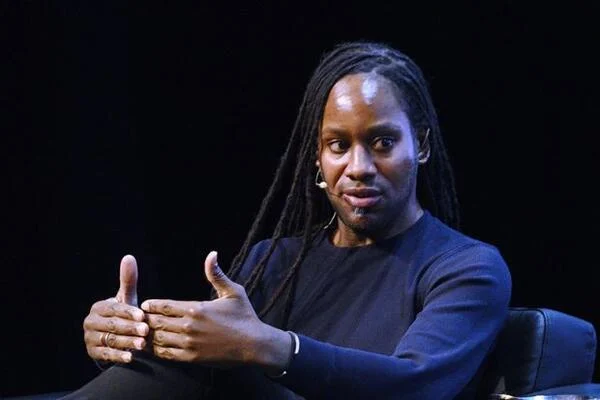
LONDON – The British academic community is in a state of profound shock following the death of Professor Jason Arday, the trailblazing scholar who made history as the University of Cambridge’s youngest-ever Black professor. Mr. Arday, 41, was found unresponsive at an address in south London on the afternoon of August 14, 2026. Despite the rapid arrival of emergency responders, he was pronounced dead at the scene.
His passing marks a somber conclusion to a life defined by extraordinary academic ascent and a harrowing final chapter characterized by intense professional scrutiny and personal turmoil.
The Circumstances of the Discovery
According to a statement issued by the Metropolitan Police, officers were alerted to the situation by the London Ambulance Service at 3:12 p.m. GMT on August 14. Upon arrival at the residence, authorities confirmed the death of the 41-year-old.
"At this time, his death is being treated as unexpected but is not believed to be suspicious," a spokesperson for the Metropolitan Police confirmed. The investigation is currently being led by the Met’s Central South Command Unit, and in accordance with standard British legal procedures for unexpected deaths, a file is being prepared for the coroner.
While the police have ruled out foul play at this stage, the sudden nature of the tragedy has sent ripples through the higher education sector, which had only days earlier been grappling with the fallout of the controversies surrounding his resignation.
A Chronology of a Remarkable Career
To understand the gravity of this loss, one must look at the meteoric trajectory of Jason Arday’s career. Born and raised in Clapham, south London, Arday’s early life was marked by significant developmental challenges. He did not learn to speak until he was 11 years old and did not learn to read or write until he was 18. Despite these early obstacles, his determination to succeed in academia became his life’s defining mission.

- Academic Foundations: Arday eventually pursued higher education with fervor, earning multiple degrees and eventually a Ph.D. from Liverpool John Moores University. His research focus—the intersection of race, education, and social justice—positioned him as a vital voice in modern sociology.
- The Cambridge Milestone: In 2023, Arday reached the pinnacle of his field when he was appointed as a professor at the University of Cambridge. At the age of 38, he became the youngest Black person to be awarded a professorship at the institution, a moment celebrated globally as a significant step forward for diversity in elite academia.
- The Unraveling: The final weeks of his life, however, were marked by a dramatic shift in his professional standing. In early August 2026, allegations emerged regarding the integrity of his doctoral thesis. Specifically, he was accused of plagiarism during his time at Liverpool John Moores University. These allegations, coupled with broader inquiries into his academic output, triggered a swift institutional response.
- Resignation and Reflection: On August 5, 2026, Professor Arday formally resigned from his position at Cambridge. In a poignant statement released at the time, he spoke to the crushing weight of the public spotlight: "Relentless accusations, speculation and public commentary have taken a profound toll on me and on those I love."
- The Final Days: Just three days before his death, on August 11, his memoir, Great and Unfortunate Things, was published in the United States, offering a final, introspective look at the trials and triumphs of his life.
Institutional and Official Responses
The response from the academic world has been one of deep sorrow and caution as the investigation continues.
Deborah Prentice, the Vice Chancellor of the University of Cambridge, expressed the institution’s collective grief in a formal statement: "We are desperately saddened to hear this tragic news. Our heartfelt sympathies go to Jason Arday’s family and friends at this incredibly difficult time."
The University of Cambridge has confirmed that it remains committed to an independent investigation into the circumstances of his appointment and his tenure at the university. While this investigation was originally sparked by the allegations of academic misconduct, the focus has now shifted toward ensuring that the process remains transparent while respecting the privacy of the deceased and his family.
Legal experts note that the coroner’s inquest will be the primary vehicle for determining the medical cause of death, a process that can often take several months.
Implications for Higher Education
The death of Jason Arday has ignited a complex conversation about the pressures inherent in academia, the nature of "cancel culture," and the structural support provided to scholars from underrepresented backgrounds.
The Cost of Public Scrutiny
Arday’s case highlights the brutal intersection between high-profile academic success and the unforgiving nature of modern public discourse. Supporters of the late professor have pointed to the "relentless" nature of the media and social media reaction to the plagiarism allegations as a contributing factor to his deteriorating state of mind.
Academic Integrity and Due Process
The allegations of plagiarism against Arday have raised broader questions about the rigor of academic oversight. Universities are now facing renewed pressure to audit historical theses more thoroughly, particularly those of scholars who reach positions of high visibility. However, the tragedy of Arday’s death has also introduced a cautionary note: the need to balance the necessity of academic integrity with a duty of care for the human beings behind the research.
The Diversity Gap
Arday was a symbol of progress for many. His journey from a non-verbal child to an elite professor was a powerful narrative that inspired thousands. His loss leaves a void in the sociological field and serves as a painful reminder of the isolation often felt by those who break barriers in historically homogenous institutions.
Conclusion: A Complex Legacy
As the dust settles, the legacy of Jason Arday will likely be viewed as a duality. On one hand, there is the narrative of the barrier-breaker who overcame insurmountable odds to claim a seat at one of the world’s most prestigious tables. On the other, there is the cautionary tale of a career that collapsed under the weight of integrity questions and public vitriol.
His memoir, Great and Unfortunate Things, now takes on a haunting significance. It stands as his final testimony—a narrative written by a man who knew both the glory of academic achievement and the isolating, crushing reality of public failure.
For those who knew him, Arday was a man of intense passion and resilience. For the academic world, he remains a figure of intense debate. As the coroner’s report is awaited, the focus for many remains on the human cost of a life cut short at 41. The University of Cambridge, and the academic community at large, are now left to reflect on the support structures—or lack thereof—that surround those who reach for the highest levels of achievement in an increasingly polarized world.
The investigation into the specific circumstances of his death will continue in the coming weeks, but for now, the story of Jason Arday remains one of the most tragic chapters in contemporary British academia.