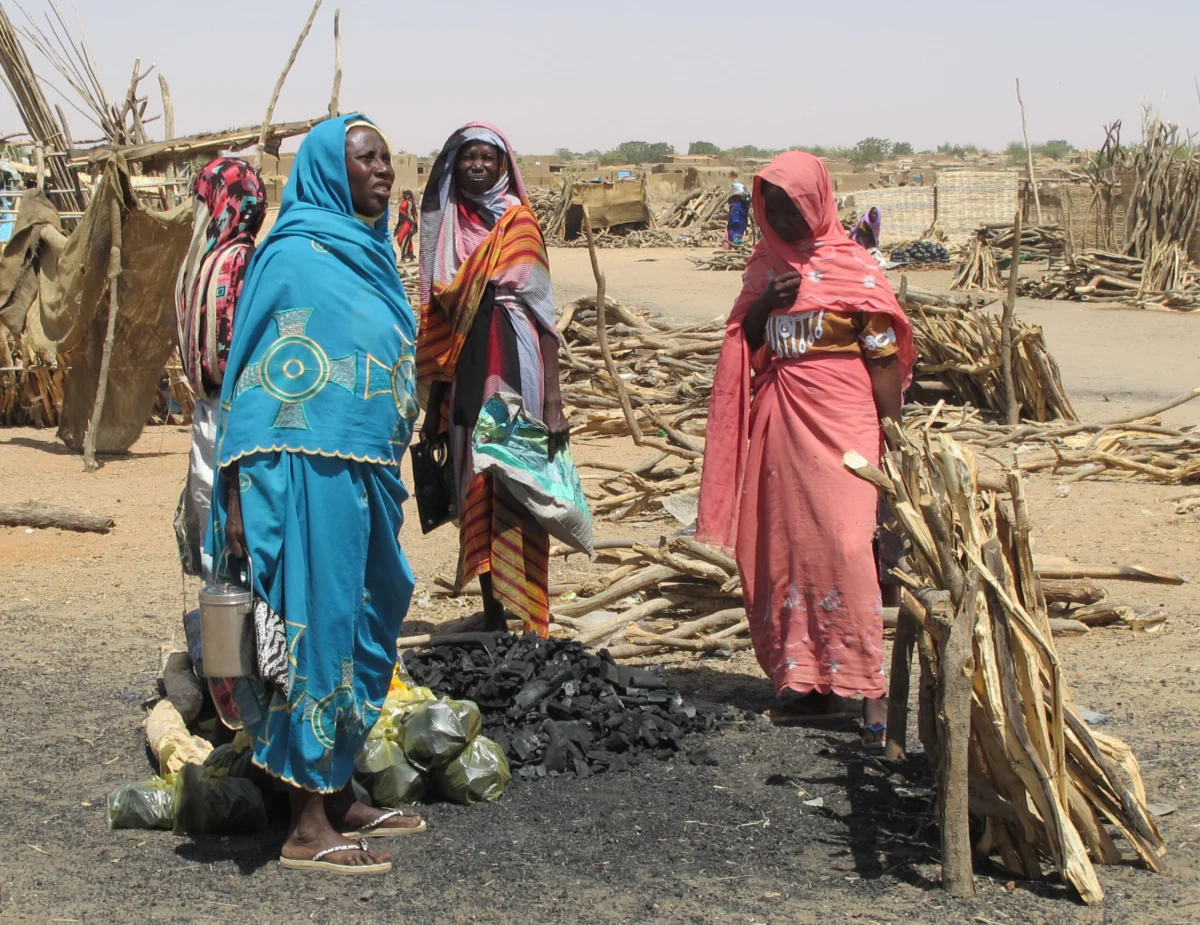
In a searing indictment of the ongoing violence in Sudan, Amnesty International has released a definitive report detailing the systematic campaign of terror, ethnic cleansing, and war crimes perpetrated by the Rapid Support Forces (RSF) during their protracted siege and eventual capture of El Fasher, the capital of North Darfur. The report, titled City Under Siege, Children Under Fire: Rapid Support Forces’ Crimes Against Humanity in North Darfur, provides a harrowing look at the human cost of the conflict, painting a picture of a civilian population caught in the crosshairs of a ruthless paramilitary machine.
The findings, published this Wednesday, represent the most comprehensive documentation to date of the abuses committed between the onset of the conflict in April 2023 and the city’s eventual fall in October 2025. Amnesty’s investigation confirms what many survivors have long testified: that the RSF’s actions were not merely collateral damage of a civil war, but a calculated strategy of extermination, sexual violence, and ethnic persecution.
The Anatomy of a Siege: Key Facts and Findings
Amnesty International’s investigation details a systematic pattern of abuse that characterizes the RSF’s operations. The organization concludes that the paramilitary group engaged in five distinct categories of crimes against humanity:
- Persecution on the basis of ethnic identity: The RSF utilized derogatory and dehumanizing language as a tactical weapon, targeting non-Arab ethnic communities specifically to sow terror and assert dominance.
- Forcible transfer: Through the systematic destruction of villages surrounding El Fasher and the implementation of a starvation siege—which choked off all food supplies—the RSF forced mass displacements.
- Imprisonment and Forced Labor: Thousands of civilians were rounded up and detained in inhumane conditions, with many subjected to forced labor or sexual exploitation.
- Torture: The report details widespread use of beatings, rape, and sexual slavery, utilized as a means to break the spirit of the resistance and the local populace.
- Extermination: By creating life-threatening conditions through the deliberate denial of humanitarian aid and the direct, indiscriminate killing of civilians during the final assault on the city, the RSF effectively engaged in a campaign of extermination.
These findings mirror the observations of the United Nations, which earlier this year noted that the violence in El Fasher bears the "hallmarks of genocide" against the Zaghawa and Fur communities.
A Chronology of Collapse
The tragedy of El Fasher did not occur overnight; it was the culmination of a slow, suffocating process of encirclement that lasted over two years.
April 2023: The Eruption
The conflict in Sudan began in mid-April 2023, pitting the Sudanese Armed Forces (SAF) against the Rapid Support Forces (RSF). While the conflict started in Khartoum, its reverberations were felt immediately in the periphery, particularly in the historically volatile region of Darfur.
2023–2024: The Tightening Noose
Throughout 2024, the RSF gradually isolated El Fasher, capturing surrounding towns and cutting off critical supply lines. In June 2024, the UN Security Council issued a resolution demanding that the RSF protect civilians and lift the siege. The paramilitary force ignored these international mandates, continuing their steady encroachment on the city.
October 2025: The Fall
After months of unrelenting artillery fire and aerial bombardment, the city’s defenses finally collapsed in October 2025. The fall of El Fasher was marked by a surge in civilian massacres, as RSF fighters poured into the city, looting homes and executing those identified as belonging to non-Arab minority groups.
February 2026: The UN Fact-Finding Mission
In February 2026, an independent UN fact-finding mission released a report confirming that the RSF had committed three distinct acts of genocide. This was followed by an OHCHR report corroborating that the methods used in the final assault constituted egregious war crimes.
Supporting Data: The Human Cost
The statistics behind the Amnesty International report provide a sobering context to the conflict. According to the data gathered by researchers, the RSF’s strategy relied heavily on the weaponization of basic needs. By blockading the city, they turned El Fasher into an open-air prison.
Civilians, particularly women and girls, were the primary targets of sexual violence. Amnesty documented numerous accounts of "forced sexual slavery," where women were abducted during raids and held in detention facilities. Furthermore, the deliberate targeting of children—many of whom were caught in direct fire or killed during the shelling of residential neighborhoods—suggests a total disregard for the laws of armed conflict.
The report highlights the role of dehumanizing rhetoric in facilitating these crimes. Witnesses reported that RSF fighters frequently used racial slurs against Zaghawa and Fur individuals before carrying out summary executions. This linguistic violence was essential to the RSF’s objective of "ethnic purification," ensuring that survivors would be left with deep psychological scars, and that those who remained were stripped of their dignity and autonomy.
Official Responses and Geopolitical Implications
The international community has been increasingly vocal in its condemnation of the RSF, yet tangible action remains elusive. The United Arab Emirates (UAE), in particular, has faced intense scrutiny and widespread criticism for its alleged role in supplying the RSF with arms and financial support. While the UAE has denied these claims, international aid officials have frequently pointed to the sophisticated weaponry seen on the ground as evidence of external state sponsorship.
The Role of the United Nations
The United Nations has been at the forefront of the advocacy for justice. By classifying the actions in El Fasher as genocide and crimes against humanity, the UN has shifted the conversation from one of "civil conflict" to one of "crimes against the international order." However, the lack of an effective enforcement mechanism has limited the UN’s ability to protect the remaining vulnerable populations in the region.
The Abandonment of the Crisis
In April 2026, top UN aid officials warned that the Sudan crisis is being "abandoned" by the global community. As geopolitical attention shifts toward other global flashpoints, the people of Darfur are left to contend with the aftermath of a catastrophe that has seen the total collapse of basic infrastructure, including hospitals, schools, and local markets.
Implications for the Future of Sudan
The fall of El Fasher and the documented atrocities there carry profound implications for the future of the Sudanese state.
1. The Collapse of Social Cohesion:
The targeting of specific ethnic groups has deepened historical fissures in Darfur. Even if the conflict were to end tomorrow, the level of trauma and the systematic nature of the violence suggest that the prospect of reconciliation is distant. The social fabric of North Darfur has been effectively shredded.
2. The Challenge to International Justice:
The findings presented by Amnesty International and the UN create a clear evidentiary trail for future war crimes prosecutions. The challenge, however, lies in the arrest and prosecution of perpetrators who remain in positions of power. The international community is now faced with a test: will they pursue accountability through the International Criminal Court (ICC) and other venues, or will the "stain on the conscience of humanity"—as Amnesty describes it—be allowed to fade into historical indifference?
3. The Need for Humanitarian Intervention:
With the RSF now in control of large swaths of territory, the delivery of humanitarian aid has become a political tool. The international community must decide whether to continue diplomatic engagement with factions that have been proven to commit genocide, or to implement robust sanctions and supply-chain monitoring to stop the flow of arms that fuels these atrocities.
Conclusion
The Amnesty International report is a damning indictment of the Rapid Support Forces, but it is also a desperate plea for the world to witness the reality of Sudan. The capture of El Fasher was not merely a military victory for the RSF; it was a human rights disaster of the highest magnitude. As the world digests the details of the torture, the sexual violence, and the targeted extermination of ethnic groups, the question remains: what price is being paid for the international community’s silence?
The "City Under Siege" is no longer just a location; it is a symbol of the failure of global protection mechanisms. For the survivors in North Darfur, justice is not a political abstract—it is a matter of survival. As the evidence mounts, the path forward requires more than just reports and resolutions; it requires a concerted, global effort to end the impunity that has allowed such atrocities to flourish in the 21st century.