In the golden age of gaming, an RPG was a journey—a long, sprawling epic meant to occupy your weekends for months on end. However, as the industry evolves and our collective attention spans face an unprecedented barrage of entertainment options, a growing chorus of players and critics is asking a provocative question: Is the "massive" RPG actually a design flaw in disguise?
In an era where "value" is often equated with raw hours of content, many developers have leaned into the 80-to-100-hour runtime as a badge of honor. But for many, this perceived value has become a barrier to entry, a source of guilt-ridden backlogs, and ultimately, a detriment to the art form itself.
The Case for Brevity: The 40-Hour Limit
The central thesis is simple yet controversial: No role-playing game needs to be longer than 40 hours. This isn’t a call to stifle creativity; rather, it is a plea for editorial discipline. When a game stretches beyond that 40-hour mark, it rarely adds meaningful narrative depth or mechanical innovation. Instead, it frequently falls into the trap of "padding"—the inclusion of repetitive side quests, unnecessary backtracking, and bloated dialogue that dilutes the impact of the core experience.
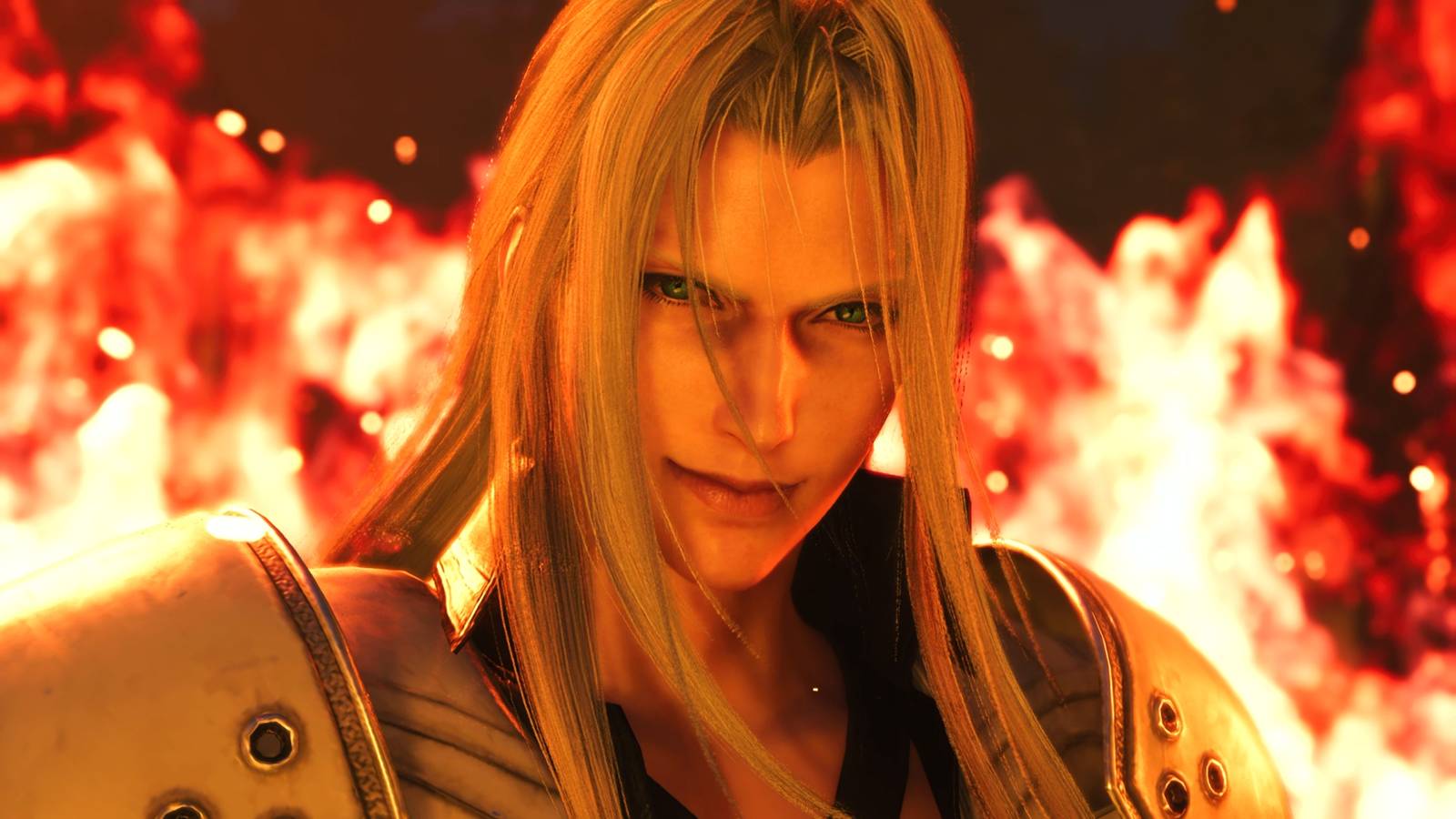
While some titles, such as Persona 5, arguably earn their massive runtimes through impeccable pacing and constant evolution, these are the exceptions that prove the rule. Most games, when pushed to these extreme lengths, begin to lose their narrative momentum. The "hook"—that initial excitement of discovering a world and mastering its systems—is often blunted by the sheer exhaustion of finishing a campaign that has long since outstayed its welcome.
Chronology of a Crisis: How We Got Here
The inflation of game length is a relatively modern phenomenon, exacerbated by a shift in how games are marketed and consumed.
- The Era of Value (2010–2018): As the cost of developing AAA titles skyrocketed, publishers sought to justify the increasing price tag of games. Marketing campaigns began highlighting "100+ hours of gameplay" as a primary selling point. This created a consumer expectation that a $60 or $70 game was only "worth it" if it could last for an entire season.
- The Live-Service Influence (2019–2023): Even single-player RPGs began to adopt the "engagement" metrics of live-service titles. Developers became obsessed with player retention, leading to the integration of tedious grind-heavy mechanics that forced players to spend more time performing repetitive tasks just to reach the endgame.
- The Pushback (2024–Present): A growing trend of "concise design" has emerged. Critics and players alike are beginning to celebrate shorter, tighter experiences. Recent successes like Dragon Quest 7 Reimagined and Granblue Fantasy Relink have proven that players are hungry for high-quality, high-spectacle experiences that respect their time.
Supporting Data: The Economics of Attention
The math behind the "long game" is failing the modern player. According to data from various community tracking sites, the completion rate for major RPGs—the percentage of players who actually see the credits roll—drops off a cliff after the 40-hour mark.

Many players drop their favorite titles 50 or 60 hours in, not because they dislike the game, but because they are physically and mentally exhausted by the late-game grind. This phenomenon, often referred to as "backlog anxiety," is a direct result of the industry’s push for length over quality. When a game requires a 100-hour commitment, it becomes a lifestyle choice rather than a hobby, effectively pricing out the average adult player who has a career, family, and other interests.
Furthermore, the "storytelling economics" argument holds significant weight. Narrative writing is a discipline of exclusion. When a studio is tasked with filling 80 hours of gameplay, they are often forced to write filler dialogue and stagnant character arcs to bridge the gap between major plot points. The result is a story that feels like it’s treading water, losing the impact of its climactic moments because the player has spent the last 20 hours doing menial tasks.
Official Responses and Industry Shifts
While major publishers like Square Enix, Sega, and Ubisoft have historically championed the "supersized" RPG, the tide is beginning to turn. In recent interviews, several creative leads have acknowledged the difficulty of maintaining engagement over such long periods.
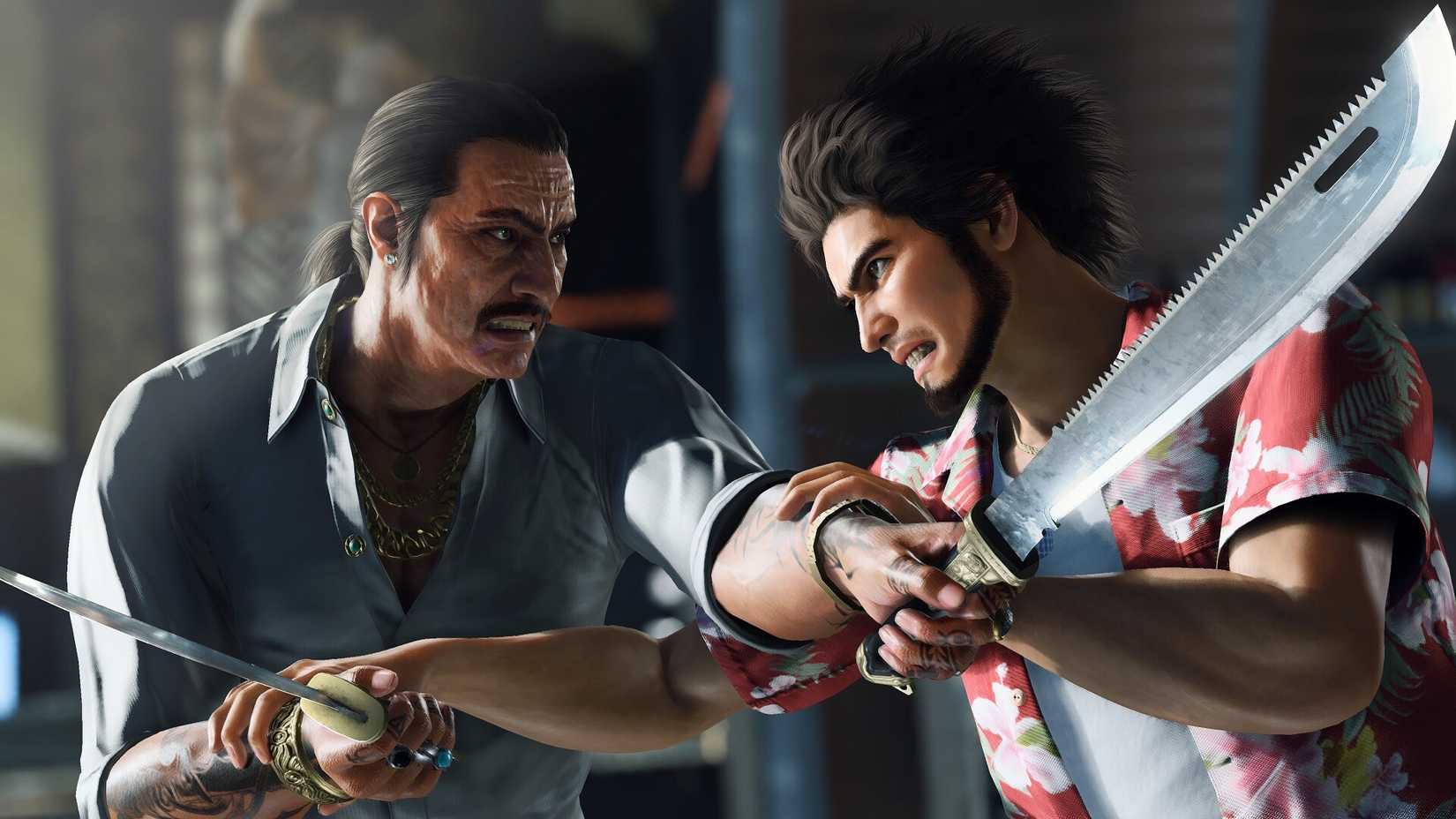
The industry is currently in a state of flux. While some developers continue to lean into the "infinite" model—as seen in the massive Like a Dragon: Infinite Wealth—others are experimenting with "episodic" or "focused" structures. The success of these tighter, more curated experiences suggests that the era of the 100-hour RPG may be entering a period of forced retraction. Developers are realizing that a highly polished, 20-hour experience often earns higher review scores and better word-of-mouth than an uninspired 100-hour slog.
Implications for the Future of Gaming
The implications of the 40-hour ceiling are profound. If the industry shifts toward this model, we could see a renaissance of experimentation.
- Reduced Development Costs: By focusing on shorter, more impactful stories, studios could potentially reduce the burnout-inducing crunch cycles often associated with massive, open-world RPGs.
- Increased Completion Rates: If players actually finish the games they buy, they are more likely to engage with post-game content, DLC, or sequels.
- Higher Quality Standards: A tighter focus forces writers and designers to ensure that every encounter, every line of dialogue, and every side quest serves the central theme of the game.
The industry must stop equating "length" with "value." A game is not a commodity to be measured by the hour; it is a creative work that should be judged by the quality of the experience it provides. As we look toward the future, the most successful RPGs will likely be the ones that know exactly when to end, leaving the player satisfied, invigorated, and ready for the next adventure, rather than drained and ready to put down the controller for good.
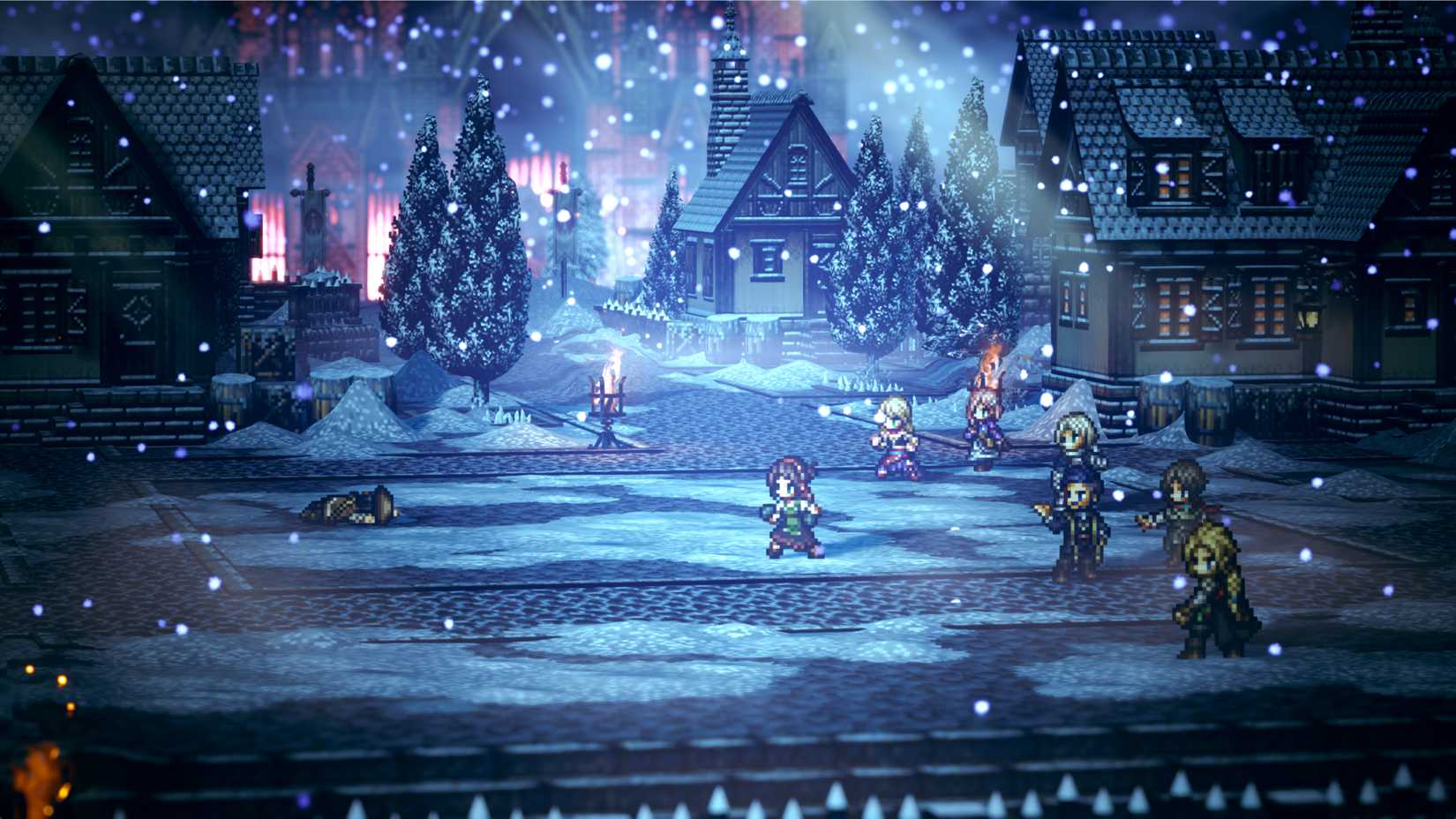
In the end, life truly is too short to treat every game like a never-ending journey. Sometimes, the most powerful stories are the ones that respect the player enough to let them go.